

Painted Ceramic Statue
A painted ceramic statue brings personality and colour to a room, offering a glimpse into the diverse styles and periods that collectors pursue.
Painted Ceramic Statue
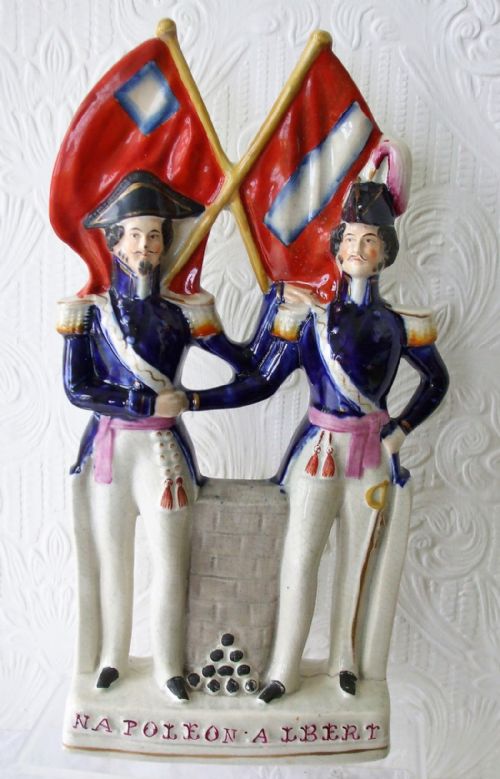
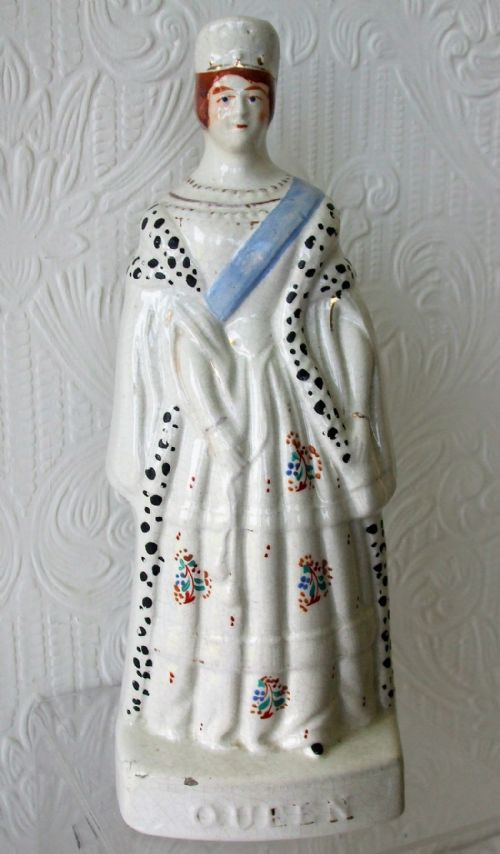
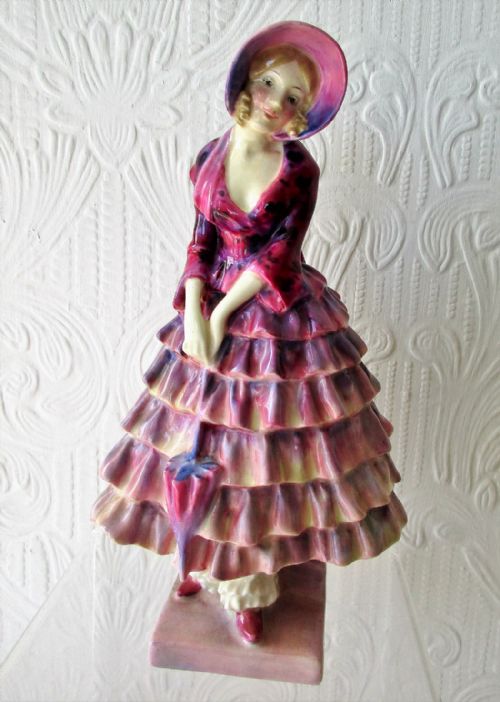
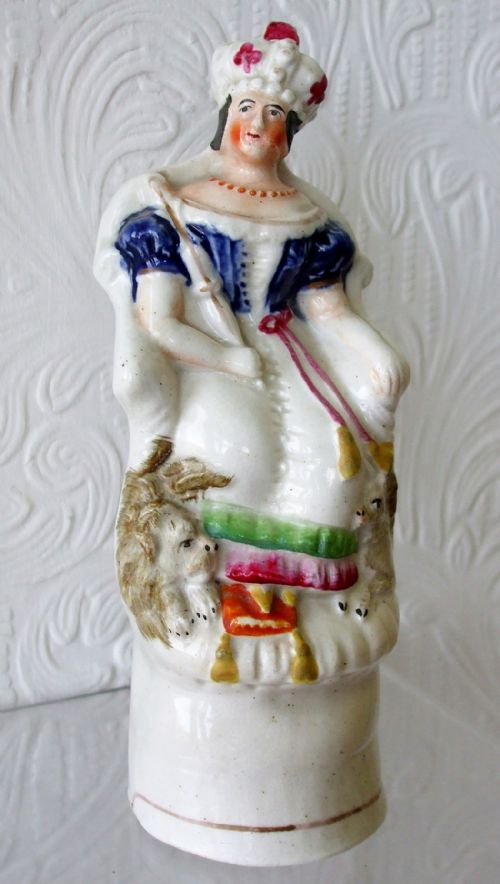
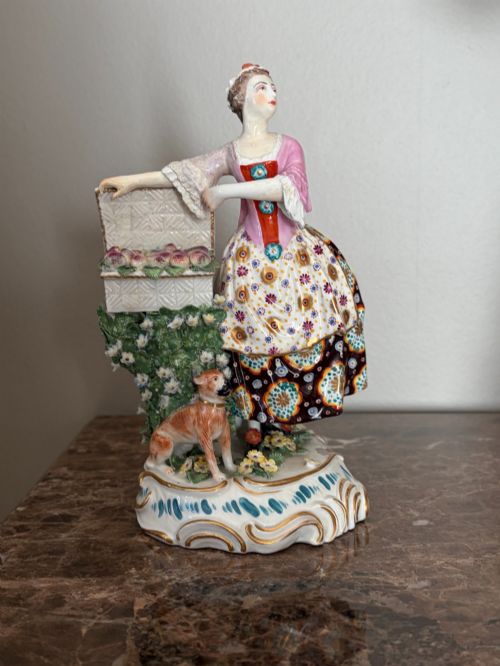
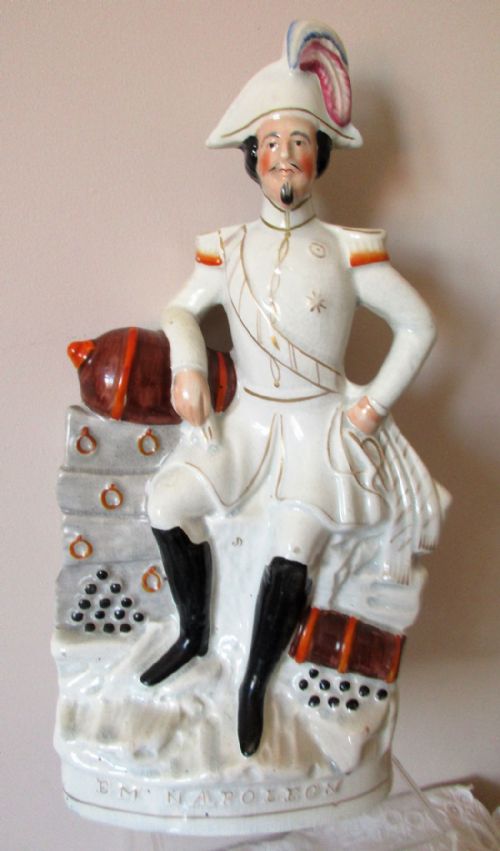
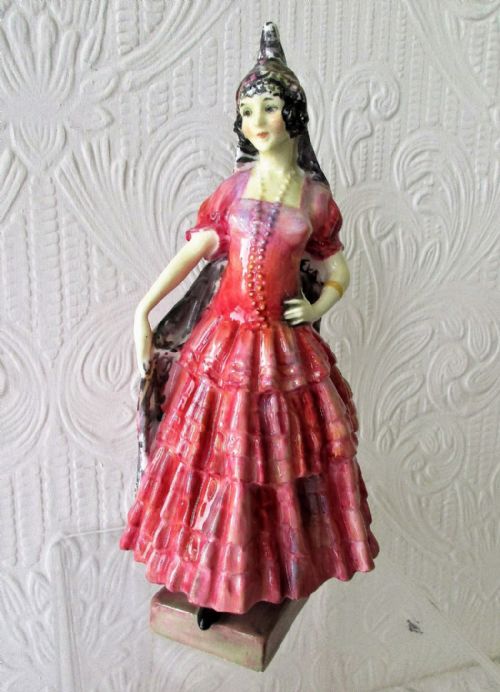
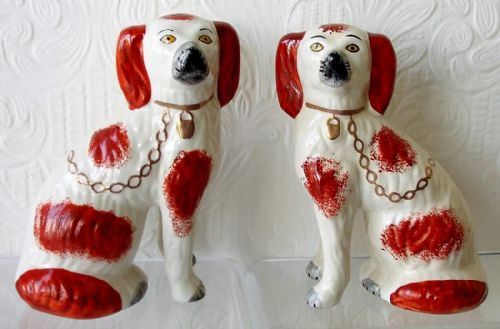
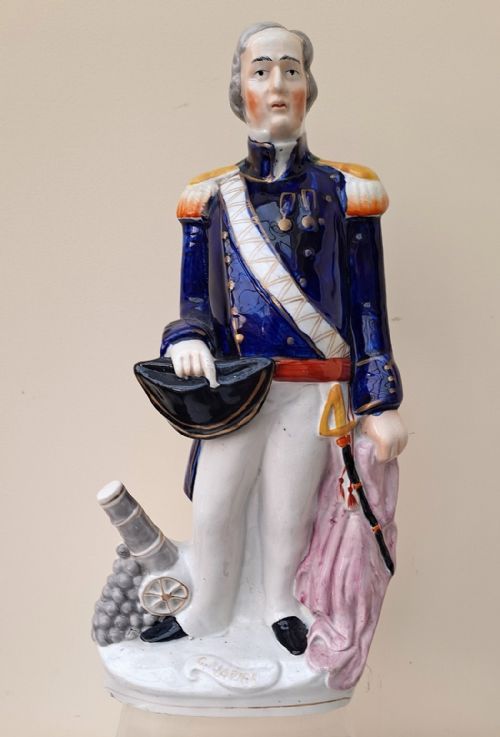
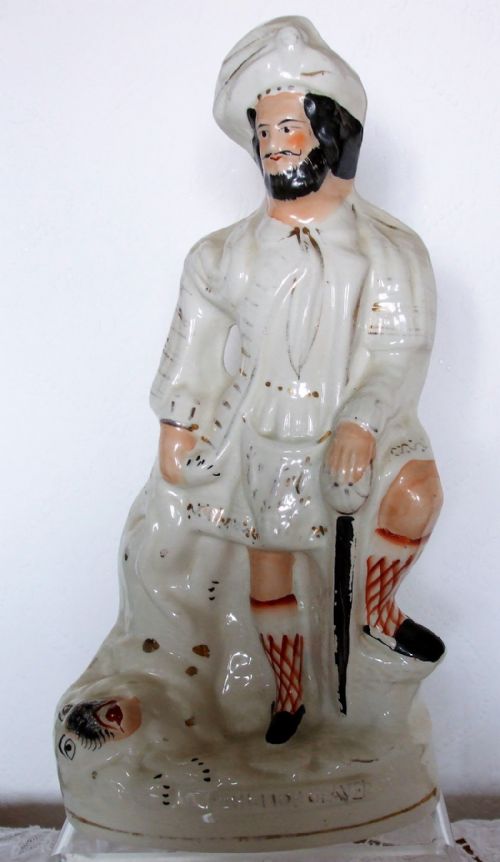
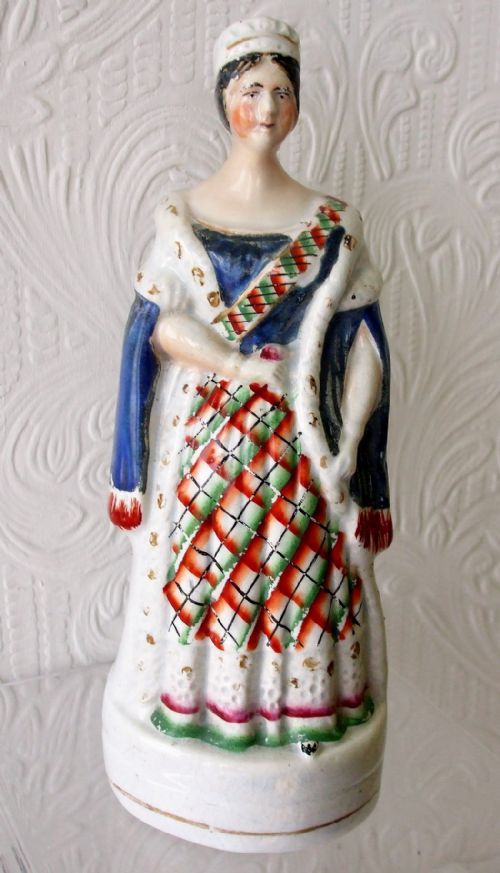
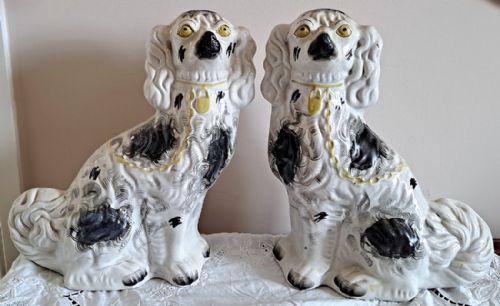
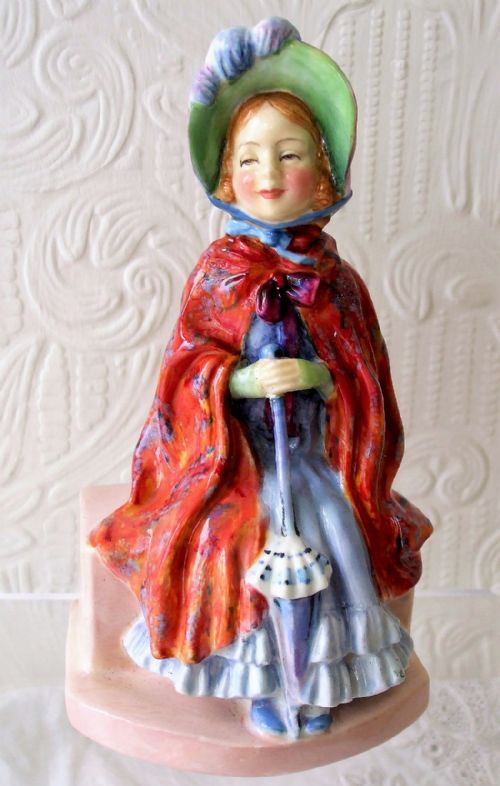
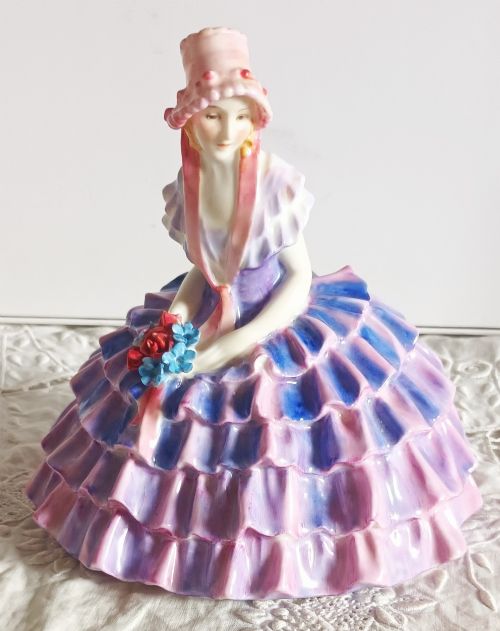
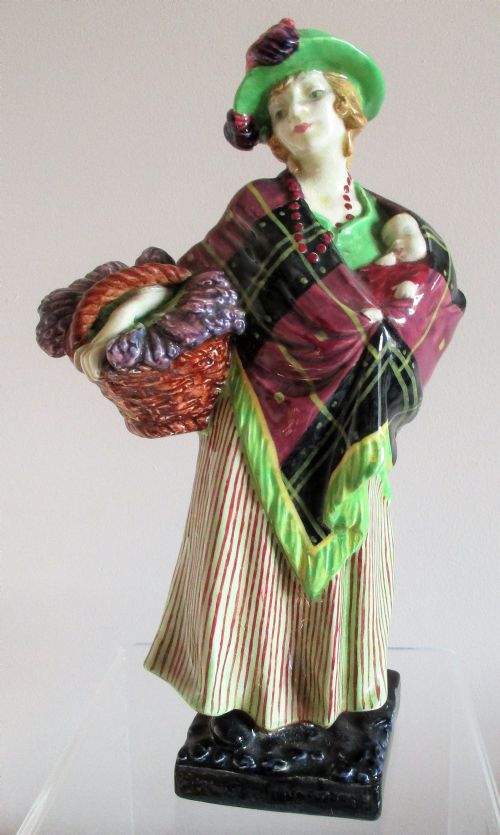
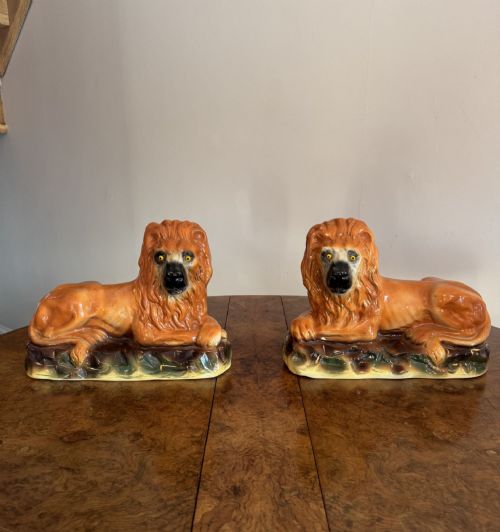
When you search for a painted ceramic statue, you encounter a broad selection of figures, figurines, and sculptures created across centuries and continents. The most frequent examples on this page are nineteenth-century Victorian Staffordshire pottery dogs, portrait figures, and twentieth-century porcelain ladies.
The selection ranges from British earthenware animals and portrait groups to continental porcelain birds, French earthenware, and Asian ceramics. Domestic subjects, historical figures, and character studies dominate the forms, reflecting the varied tastes of past makers and buyers.
Makers utilised porcelain, bone china, earthenware, and terracotta to shape these objects, applying glazes, enamel, and gold leaf for surface decoration. Pieces span from small mantel ornaments to substantial sculptural groups, capturing subjects from domestic animals to mythical and theatrical figures.
How They Were Made
Potters shaped these figures using earthenware, stoneware, porcelain, bone china, or terracotta, often forming them in moulds before kiln firing. Artists then applied surface decoration through hand-painting with enamel, glaze, and occasional touches of gold leaf.
Makers across different traditions balanced structural stability with decorative detail, ensuring that hollow or solid clay forms could withstand the intense heat of the kiln. The chemistry of the glaze and the precision of the brushwork determined how the colour settled into the ceramic body during firing.
Painted Ceramic Statue Retail Price Guide 2026
Typical asking prices for painted ceramic statue among the pieces listed under this phrase on Sellingantiques today, from the lower quarter to the upper quarter. They describe what is for sale here now, not the wider market.
The inventory includes works from British, German, French, Austrian, Japanese, and Chinese ceramic traditions.
What Varies in Quality
The depth and consistency of the glaze layer also affect the overall appearance, with superior pieces showing careful control of colour and firing without surface pooling or discolouration. Age-related wear remains secondary to the original artistic execution and the clarity of the moulding.
Royal Doulton·Goldscheider·Charles Vyse·John Bevington·Volkstedt Rudolstadt Factory·Sampson Smith
The Painted Ceramic Statue Glossary
- Bisque
- Unglazed fired porcelain or ceramic that has a matte, chalky texture and a smooth surface. It allows fine sculptural details to remain crisp and unmasked by glossy coatings.
- Staffordshire pottery
- Earthenware produced in the English county of Staffordshire, widely known for mantel dogs and portrait figures. These utilitarian ceramics provided affordable decorative ornaments for nineteenth-century homes.
- Enamel decoration
- Vitreous coloured paints applied over the fired glaze or ceramic body and fixed with a subsequent low-temperature firing. This technique allowed makers to achieve vibrant multi-coloured surfaces.
- Okimono
- Japanese decorative sculptural objects designed for display on household shelves or altars. These carved or moulded pieces often depict historical figures, deities, or cultural archetypes.
- Bone china
- Porcelain incorporating bone ash, producing a durable ceramic body with a characteristic milky translucence. It permits thinner walls and refined detailing in decorative figures.
Painted Ceramic Statue: Frequently Asked Questions
What is a Staffordshire comforter spaniel?
Staffordshire comforter spaniels are paired ceramic dog figures that traditionally sat on Victorian mantelpieces facing inward. Makers produced them in matched pairs to guard the hearth and bring domestic comfort to the home.
Collectors often find these earthenware dogs decorated with white and gilt or copper lustre markings. Their steady gaze and upright posture made them a staple of nineteenth-century interior display.
How do I identify Art Deco figures?
Art Deco ceramic figures display the stylised geometry, sleek lines, and distinct clothing fashions of the interwar period. Subjects such as bathing beauties capture the leisure culture and modern aesthetic of the era.
These pieces utilise smooth glazes and sharp colour contrasts rather than the ornate floral patterns of earlier Victorian styles. Their proportions emphasise movement and modern design sensibilities.
What distinguishes terracotta figures?
Terracotta figures are formed from porous, brownish-red fired clay that often retains a warm, earthy tone beneath glazes or paints. Makers favoured this material for its responsiveness to expressive modelling and tactile detail.
European studios utilised terracotta for portrait busts, animal studies, and larger sculptural groups. The material provides a distinct matte surface that highlights the sculptor's hand.