



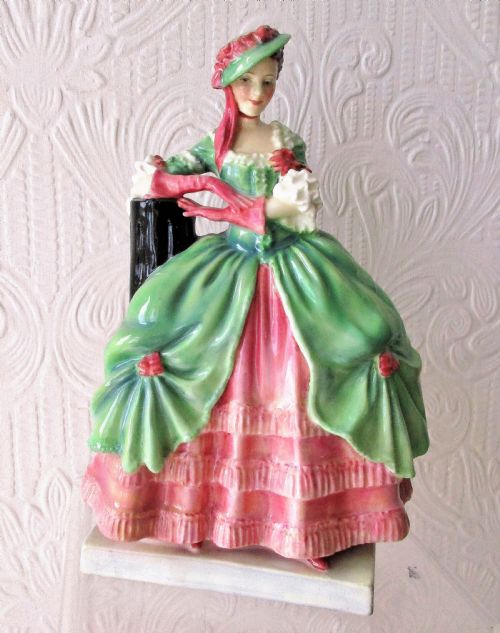

Ceramic Lady Figurine
A ceramic lady figurine brings painted elegance and historical dress to a room, ranging from delicate eighteenth-century forms to bold art deco designs.
Ceramic Lady Figurine
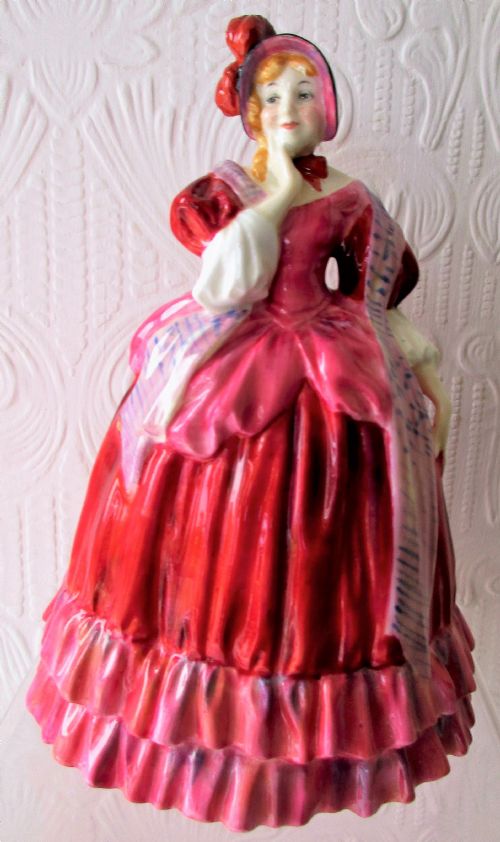
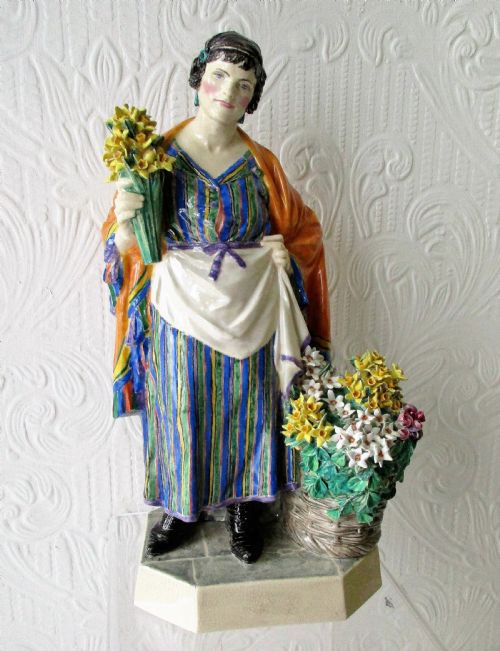
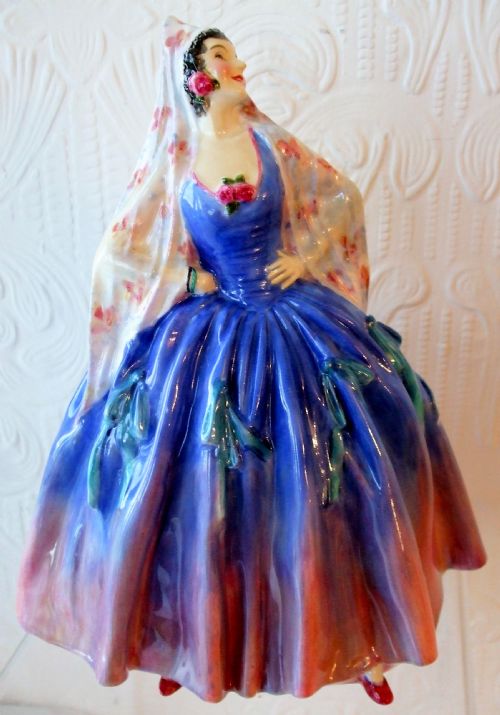
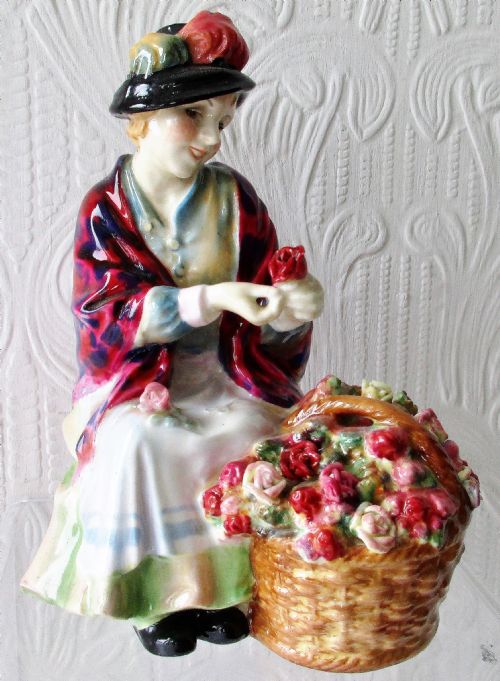
When searching for a ceramic lady figurine, collectors encounter diverse interpretations of female figures spanning porcelain, bone china, earthenware, and terracotta. These objects take the form of freestanding sculptures, functional dresser trinket boxes, and mounted vases.
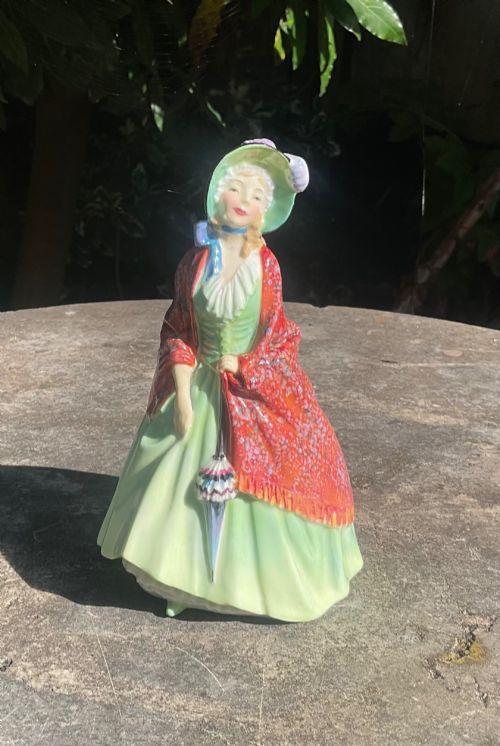
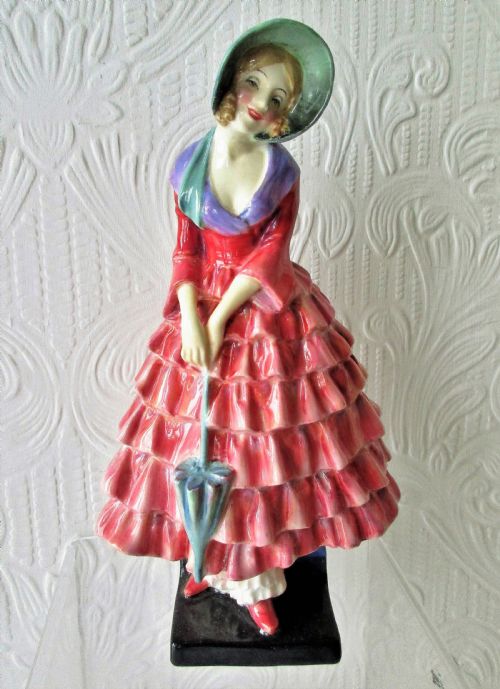
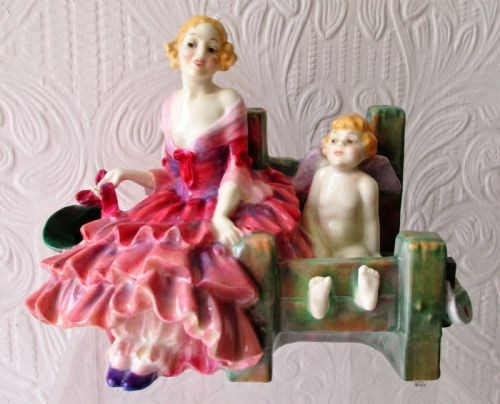
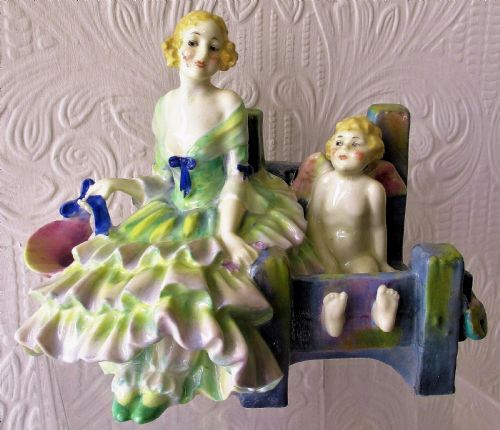
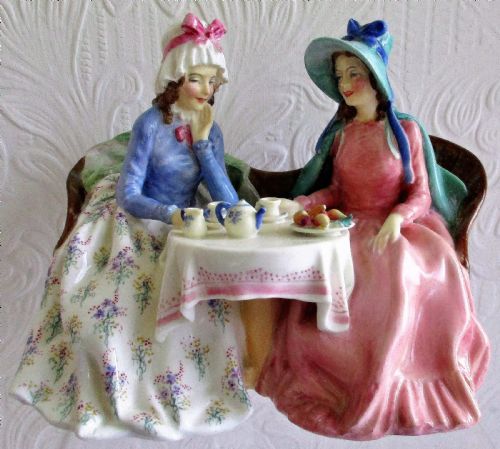
The selections available here lean heavily into mid-twentieth-century English porcelain production, specifically twentieth-century Royal Doulton models carrying specific HN numbers. Alongside these, buyers find continental European figures from Meissen, Royal Dux, and French makers, alongside earlier eighteenth-century examples.
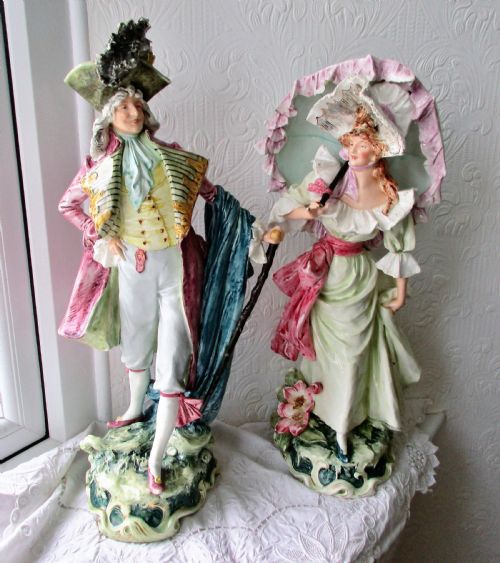
Subjects range from historical Regency and Victorian ladies in elaborate gowns to art nouveau maidens and art deco flapper girls. Forms shift from small shelf figures to monumental porcelain maidens standing several centimetres tall.
How they were made
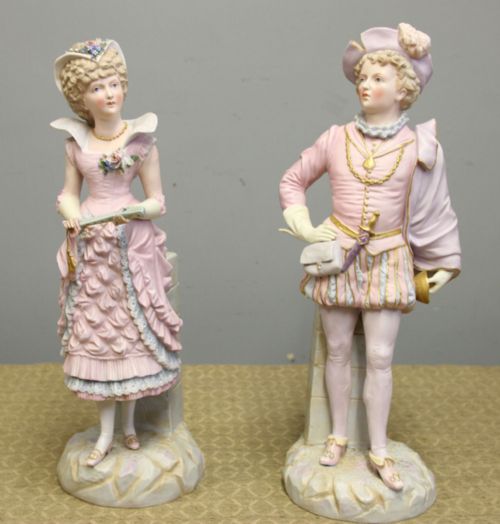
Certain Victorian and nineteenth-century examples utilise parian ware or biscuit porcelain, leaving the ceramic unglazed to mimic carved marble. Other works employ glossy coloured glazes, particularly in French faience and art deco German or English productions.
Ceramic Lady Figurine Retail Price Guide 2026
Typical asking prices for ceramic lady figurine among the pieces listed under this phrase on Sellingantiques today, from the lower quarter to the upper quarter. They describe what is for sale here now, not the wider market.
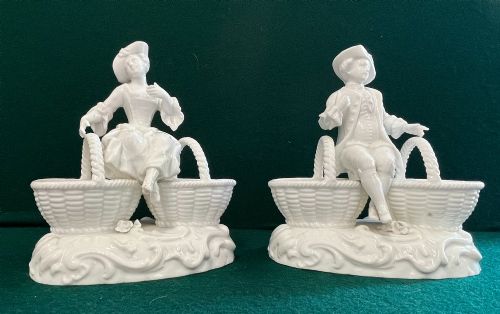
Listings incorporate nineteenth-century parian ware, eighteenth-century Meissen figures, and twentieth-century Royal Doulton porcelain.
What varies in quality
Quality in a ceramic lady figurine rests upon the crispness of the moulding and the precision of the hand-painting. Finer pieces display delicate facial expressions, subtle shading in the enamel work, and cleanly rendered folds in drapery and shawls.
The execution of fine details, such as fingers, bonnet ribbons, and applied floral elements, separates standard production runs from superior modelled works. Maker marks, impressed numbers, and the crispness of applied gilt or gold leaf also indicate the standing of the piece.
Royal Doulton·Meissen·Royal Worcester·Royal Dux·Samson
The Ceramic Lady Figurine Glossary
- Bone China
- A type of soft-paste porcelain containing bone ash, known for its high strength and milky white translucency.
- Biscuit Porcelain
- Unglazed fired porcelain that has a matte, stone-like texture similar to carved marble.
- Parian Ware
- A fine-grained unglazed white porcelain developed in the nineteenth century to imitate marble for sculptural figures.
- Faience
- Tin-glazed earthenware produced in various European traditions, often featuring hand-painted floral and figurative motifs.
Ceramic Lady Figurine: Frequently Asked Questions
How do I date a figure?
Dating relies on identifying stamped factory marks, painted pattern numbers, and stylistic markers such as costume design. Examining the base often reveals impressed ciphers or registration numbers linked to specific production years.
Changes in glaze formulas and manufacturing techniques over the eighteenth, nineteenth, and twentieth centuries also help narrow the period of creation.
What is an HN number?
An HN number is a specific registration code used by Royal Doulton to identify model designs created by their artists. The letters stand for Harry Nixon, a senior painter at the pottery who managed the numbering system.
Collectors use these sequential numbers to trace the exact year of introduction and design history for individual pieces.
Are all pieces glazed?
Not all pieces feature a glossy protective coating across their entire surface. Parian ware and biscuit porcelain figures are deliberately left unglazed to achieve a matte, marble-like finish popular in the nineteenth century.
Other items combine glazed ceramic bodies with unglazed elements or utilise coloured glazes specifically for dresses and decorative trims.
How were trinket boxes used?
Art deco powder boxes and trinket boxes served a dual purpose on dressing tables during the early twentieth century. The ceramic lady figure often forms the removable lid, while the lower bowl holds face powder, pins, or small jewellery.
These vanity items combined sculptural display with practical storage in domestic bedrooms.