

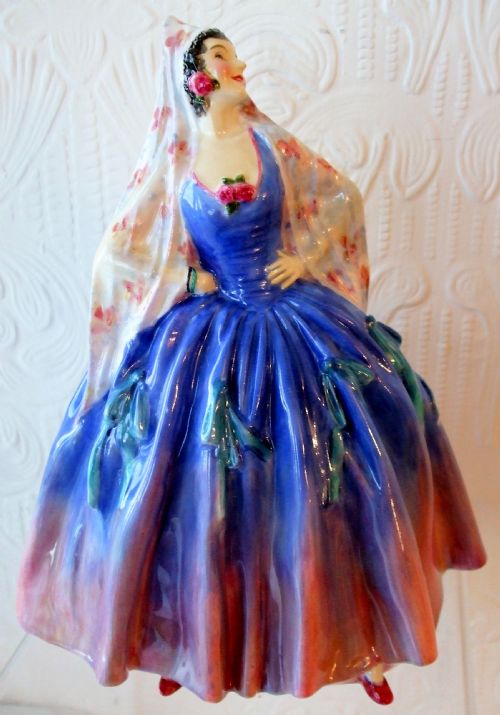


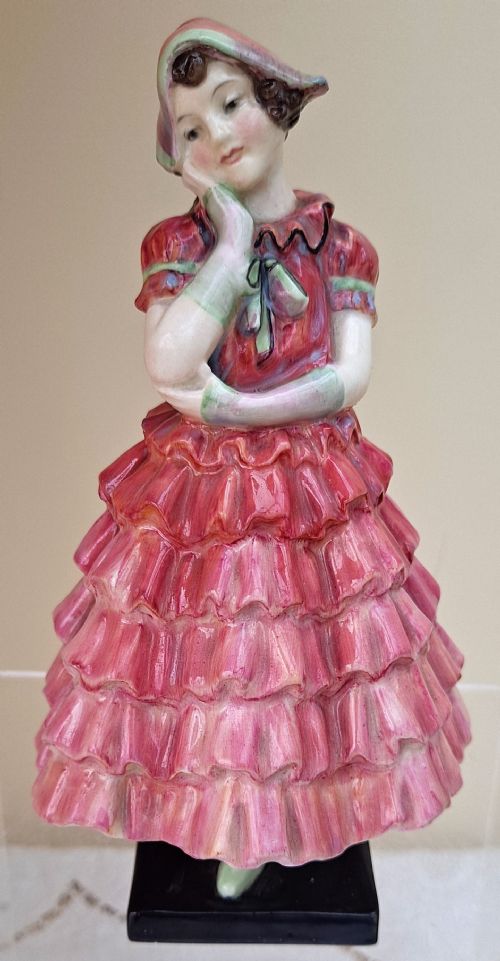


Royal Doulton Lady
A royal doulton lady captures twentieth-century British ceramic art, offering figurative charm through expertly modelled bone china and porcelain.
Royal Doulton Lady
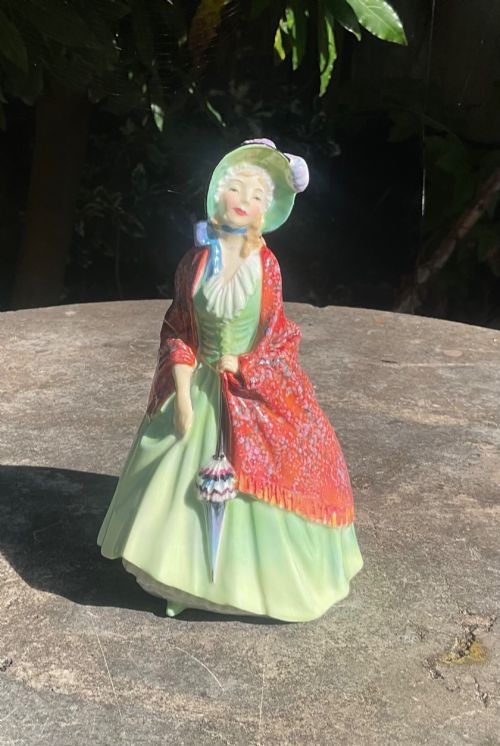
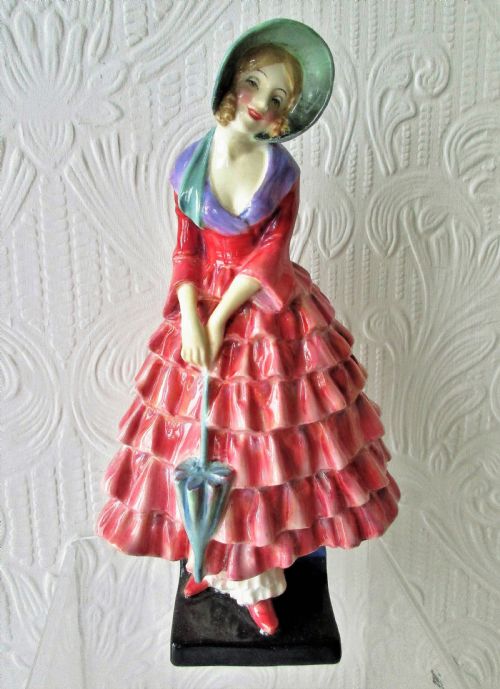
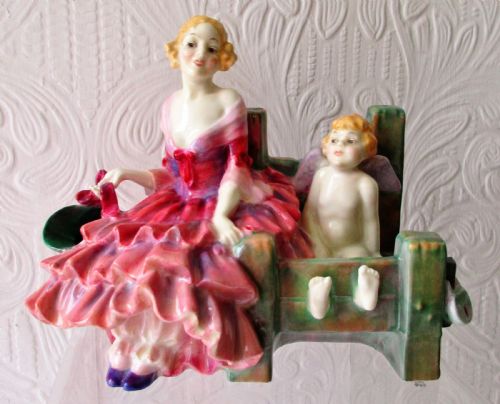
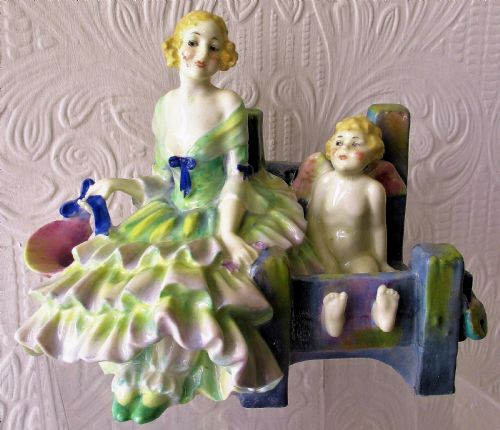
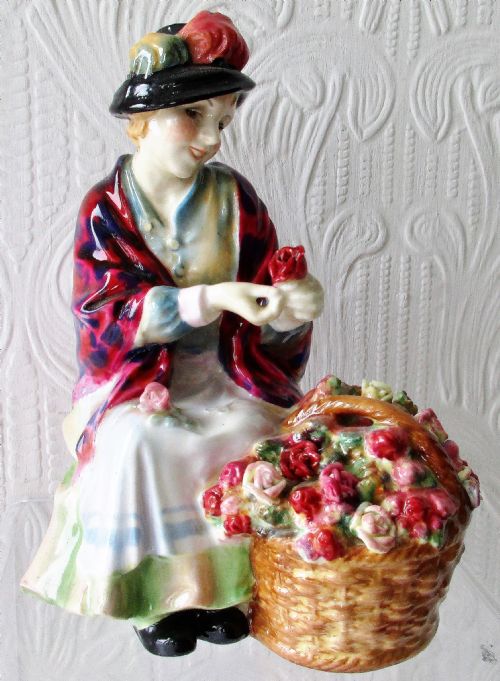
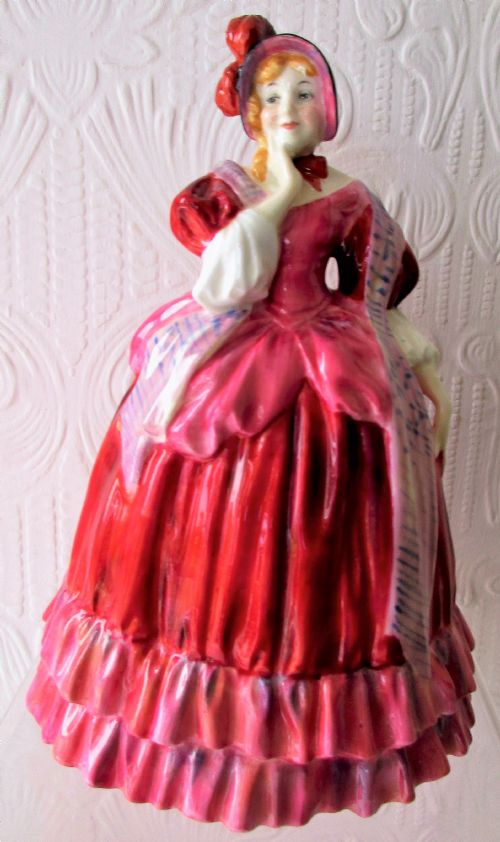
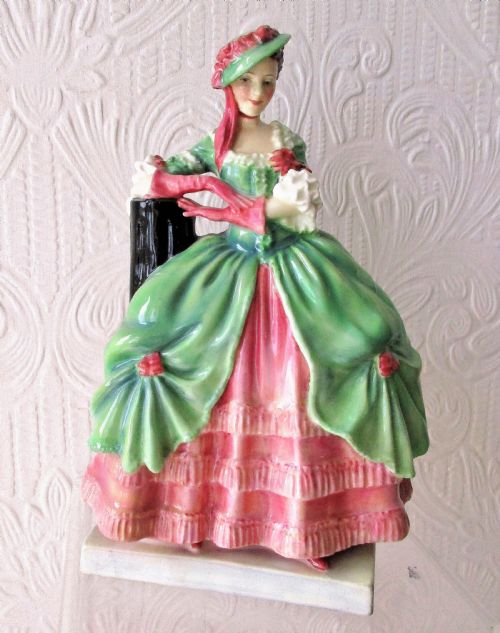
A royal doulton lady is a decorative porcelain figurine depicting named characters such as Chloe, Priscilla, and Quality Street. These pieces emerge chiefly from the periods 1930 and 1940, reflecting early twentieth-century English styles and Art Deco sensibilities.
Collectors encounter porcelain figurines and decorative figurines spanning specific named editions like The Paisley Shawl and In the Stocks. The forms range from Regency Revival representations to detailed character studies produced in bone china.
How They Were Made
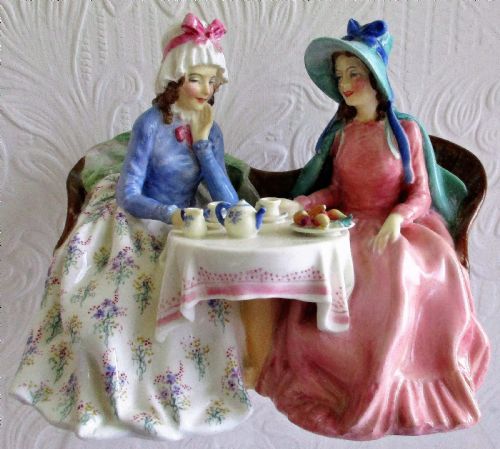
The makers utilised bone china, porcelain, and glazed porcelain to shape each figurine. Ceramic glaze and enamel finishes added colour and sheen to the surfaces of pieces like Afternoon Tea and Sweet Lavender.
Firing techniques applied during production bonded the enamel to the ceramic body. Careful glazing protected the fine details of the model throughout the 1930 and 1940 manufacturing runs.
The listings show bone china and porcelain pieces exclusively styled in Art Deco and Regency Revival designs from 1930 and 1940.
What Varies in Quality
The sophistication of the painting and the crispness of the moulding distinguish individual pieces. Earlier production years, such as initial versions from 1939, display distinct execution in comparison to standard runs.
The retention of original enamel colours and the smoothness of the glaze surface affect the overall appearance. Subtle differences in the application of ceramic glaze alter the visual depth of each figurine.
Royal Doulton
The Royal Doulton Lady Glossary
- Bone China
- A type of soft-paste porcelain incorporating animal bone ash. This material provides strength and a bright white body for detailed figures.
- Ceramic Glaze
- A vitreous layer fused to ceramic bodies through firing. It seals the porcelain and adds a protective glossy finish.
- Enamel
- Opaque glass applied over fired glaze and refired to bond. It supplies the vibrant colours seen on clothing and accessories.
- Regency Revival
- An aesthetic movement drawing inspiration from the Regency era. This style influences the historical costume design of several figures.
Royal Doulton Lady: Frequently Asked Questions
What periods do these figurines date from?
These ceramic pieces date primarily from the 1930 and 1940 periods. Production techniques align with early twentieth-century English manufacturing standards.
Individual models carry specific design numbers that help establish their exact era of creation.
How are the different models identified?
Each figurine is typically assigned a specific title and an HN number. Names like Chloe or Modena appear alongside these inventory numbers on the base.
These alphanumeric codes provide a reliable method for tracking specific design variations and release years.
How should I display a figurine?
Place the pieces on stable, flat surfaces away from direct sunlight to protect the enamel colours. Stable indoor environments prevent thermal shock to the bone china.
Dusting gently with a dry cloth keeps the glazed porcelain clean without risking the painted details.