

Collectable China
These items of collectable antique china span porcelain and bone china forms from the Georgian period through to the mid-twentieth century.
Collectable China
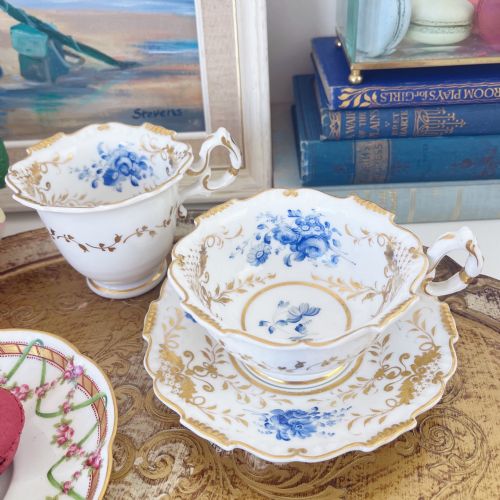
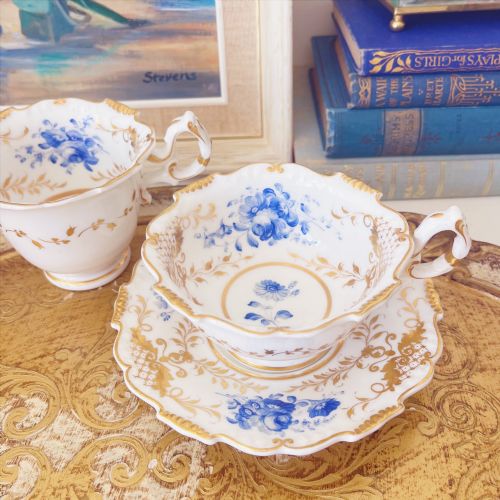
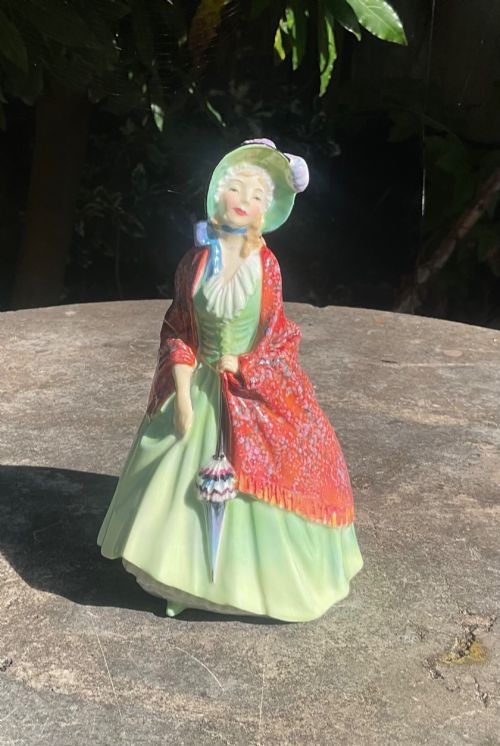
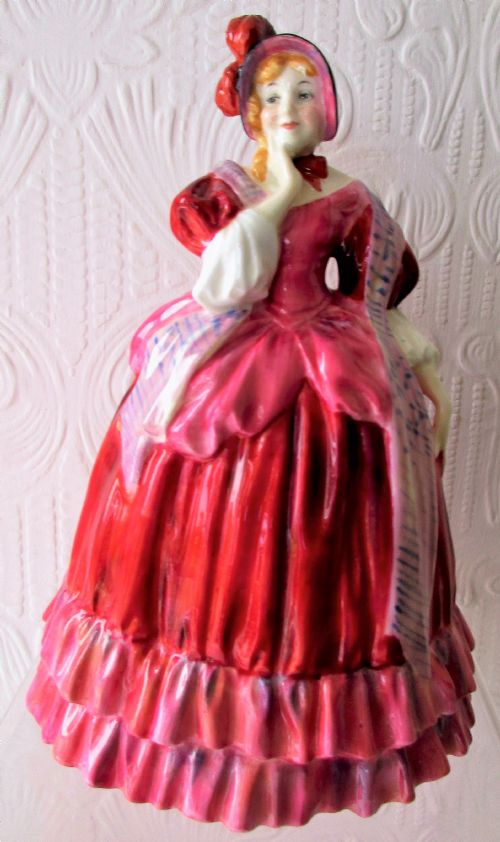
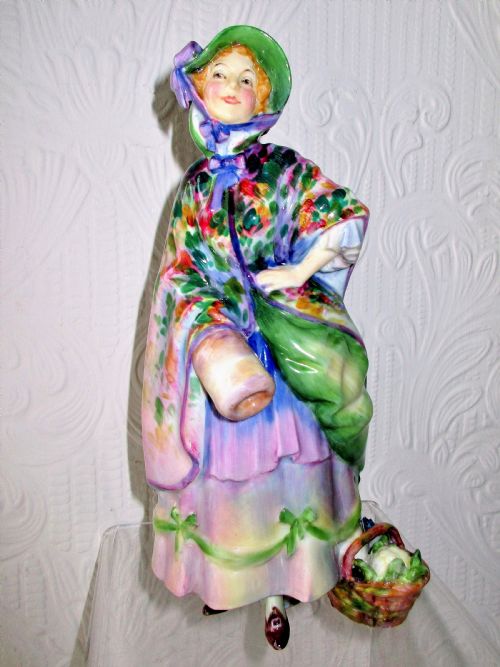
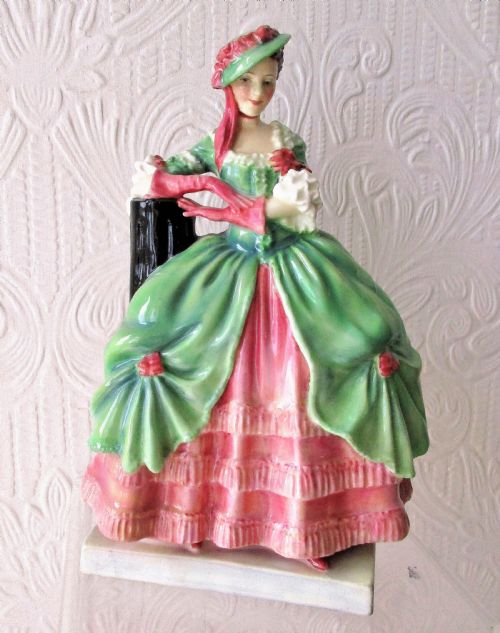
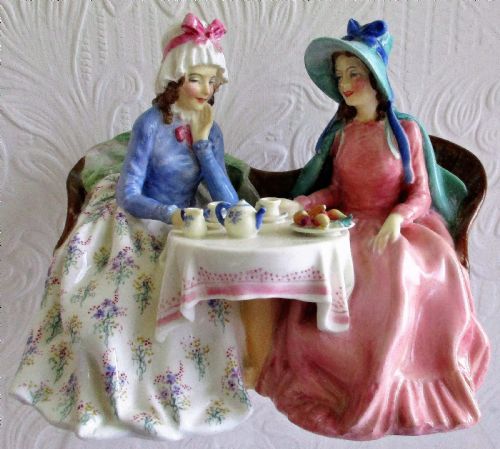
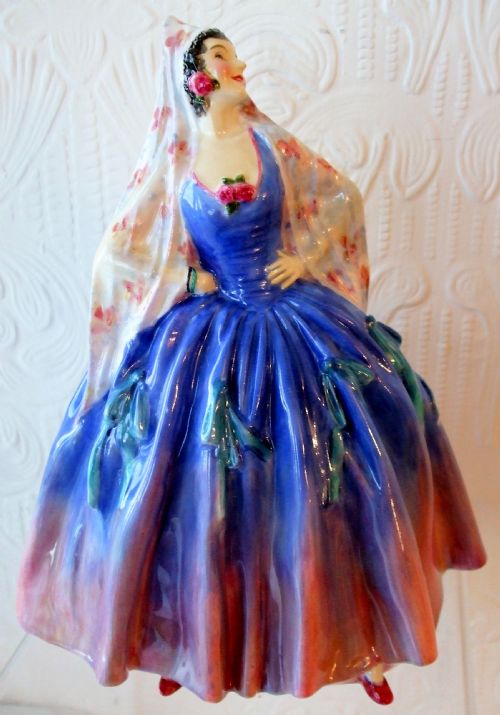
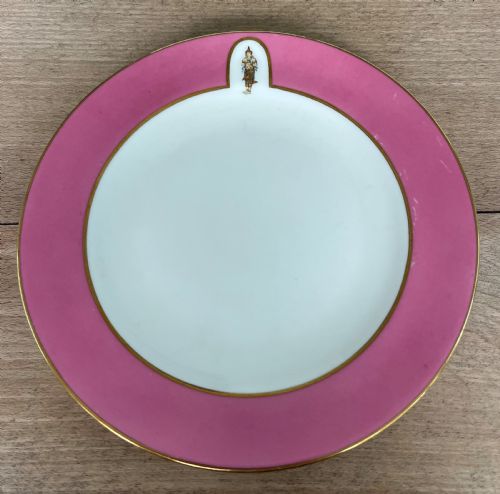
When you search for collectable antique china, you encounter a diverse range of items including porcelain figures, cabinet plates, decorative bowls, and tea wares. These objects originate from various periods such as the Georgian era, the nineteenth century, and early twentieth-century decades up to the mid-century.
Buyers will find that much of the available china reflects distinct aesthetic movements, ranging from traditional English floral decoration and Rococo Revival styling to Art Nouveau and Art Deco designs. Whether assessing a cabinet plate or a figurine, each piece carries the distinct characteristics of its period and maker.
How they were made
Makers utilised fine porcelain and bone china as the primary foundations for these items, shaping them into plates, bowls, cups, and sculptural figures. Potters then applied detailed glazes to seal the ceramic body, often incorporating rich enamel colours to build up complex pictorial scenes.
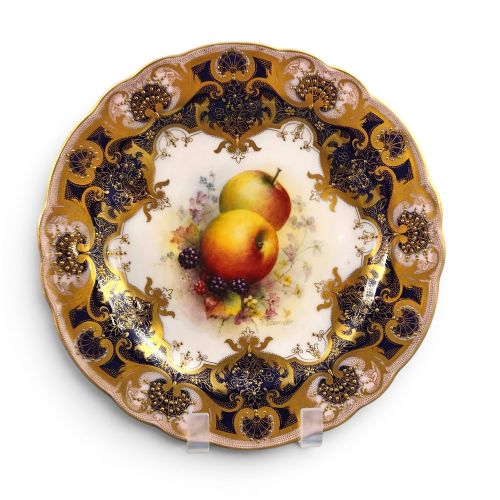
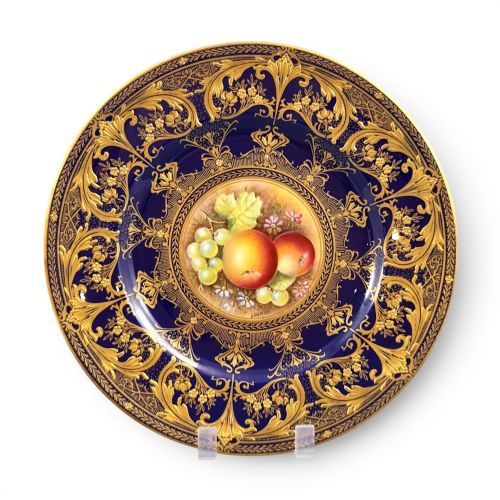
Decoration frequently involved skilled hand-painting, particularly for botanical studies and fruit subjects executed by specialist artists. Artisans also applied gold leaf and gilding to highlight rims, handles, and intricate motifs, completing the process with precise kiln firings.
Listings feature porcelain and bone china items spanning the Georgian period, the nineteenth century, and mid-century decades.
What varies in quality
The standard of a piece rests heavily on the mastery of the hand-painting and the crispness of the underlying ceramic model. Skilled brushwork by named artists creates depth and realism in fruit and floral subjects, whereas simpler production pieces show standard transfer-printed or less detailed execution.
The application of gilding and enamel work also defines the grade of an item, with rich, thick gold leaf and vibrant, well-preserved glazes marking out superior examples. The reputation of the manufactory and the specific hand of the decorator elevate certain works above standard factory output.
Royal Doulton·Royal Worcester·Wedgwood·Minton·Flight Barr And Barr·Coalport
The Collectable China Glossary
- Bone china
- A type of soft-paste porcelain containing bone ash, which gives the material strength and a high degree of translucency. It became a staple of English ceramic production.
- Cabinet plate
- A decorative plate intended for display in a cabinet or on a wall rather than for practical dining use. These often feature elaborate hand-painted scenes by master artists.
- Lustre
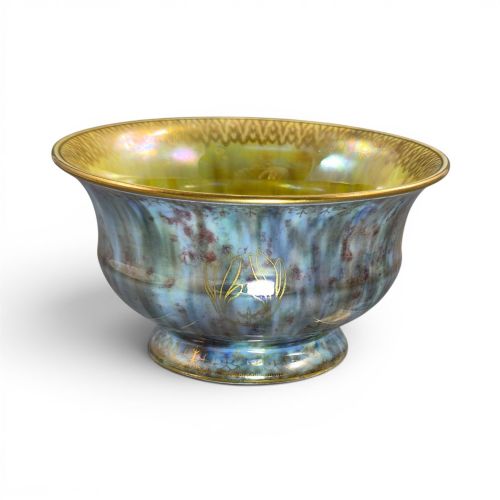
- A type of ceramic glaze that imparts a metallic or iridescent sheen to the surface of the pottery. Wedgwood utilised this technique extensively on decorative bowls and vases.
- Trio
- A matched set comprising a teacup, a coffee cup, and a saucers. These sets were popular in nineteenth-century English porcelain production.
- Glaze
- A glassy coating fused to the ceramic body through firing, serving to render the object impervious to liquid and to enhance its visual appearance.
Collectable China: Frequently Asked Questions
How do I care for antique china?
Wash these pieces gently by hand using lukewarm water and mild soap, avoiding dishwashers entirely. Keep them away from direct sunlight to protect enamel colours and gold leaf over time.
Store cabinet plates securely in display units or use padded plate hangers for wall mounting. Handle figurines with care by supporting the base rather than delicate protruding elements.
Are these plates meant for dining?
Most antique cabinet plates and decorative dishes are intended for visual display rather than daily table service. Older glazes and hand-painted surfaces can wear down with regular use and cutlery contact.
Tea wares and cups from the nineteenth century are historically functional, but modern usage carries risks for fragile handles and delicate gilding. Many collectors prefer to preserve them as cabinet displays.
How can I tell the period of a porcelain figure?
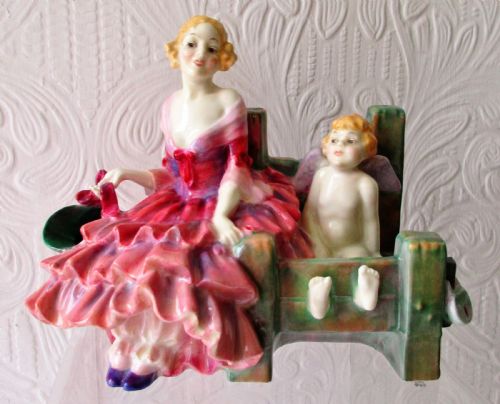
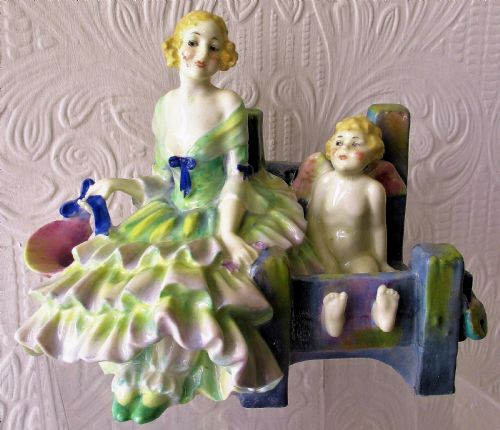
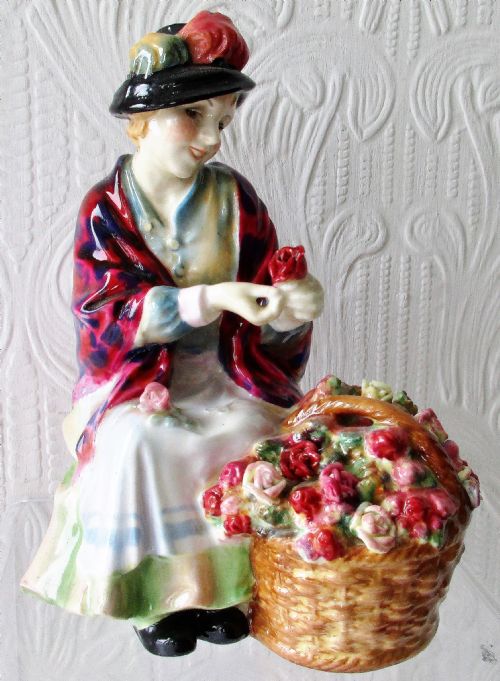
Examine the base for factory backstamps, impressed marks, and painted numbers that often correspond to specific operating years. Stylistic clues such as costume details and sculptural proportions also point towards particular eras like the Edwardian period or the 1930s.
Modelling styles changed significantly from the ornate Rococo Revival forms of the nineteenth century to the cleaner lines of Art Deco figures. Comparing the specific pattern name or model number helps narrow down the production date.