
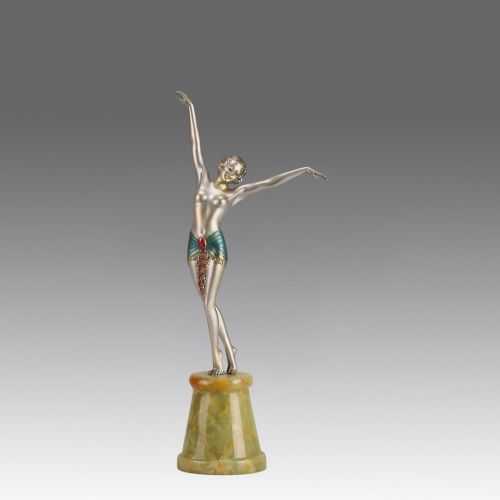
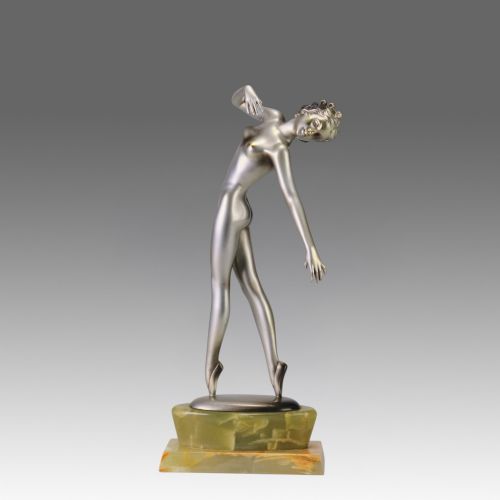
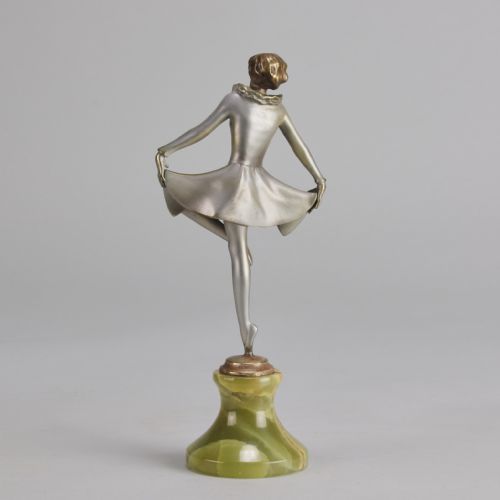
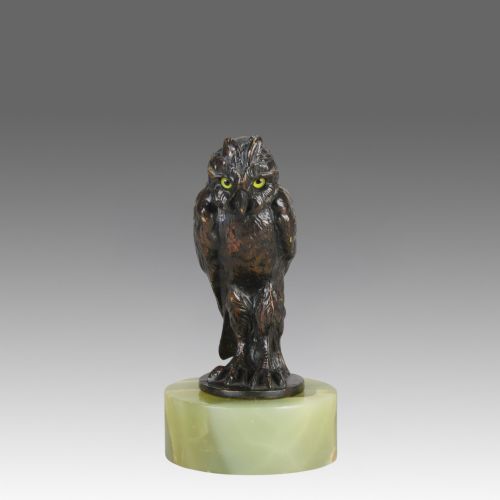
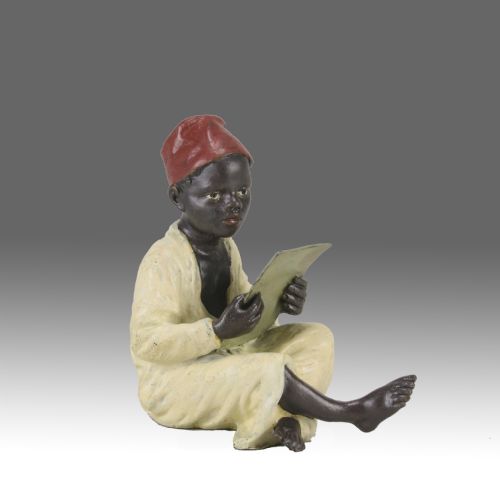
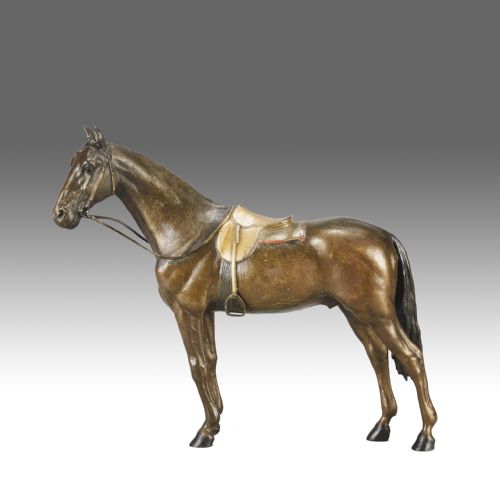
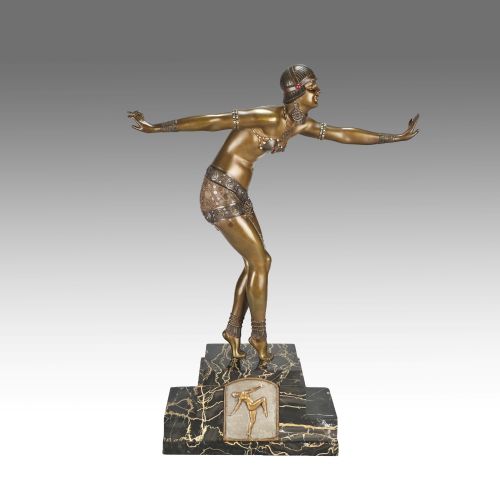
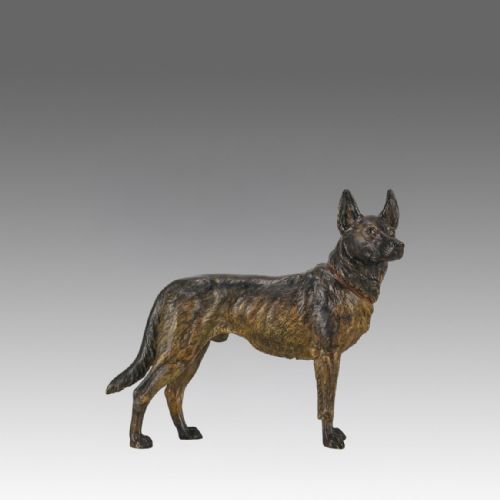
Cold Painted Bronze Figurine
A cold painted bronze figurine brings vibrant polychrome colour and lively detail to a cabinet, offering miniature sculpture at its most expressive.
Cold Painted Bronze Figurine
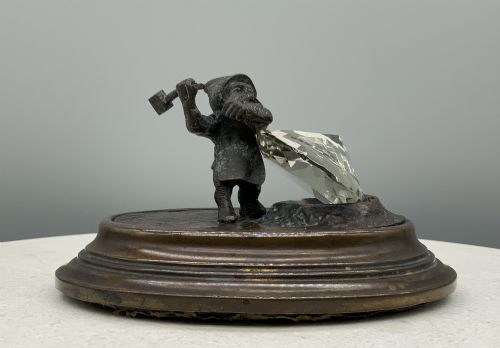
When you search for a cold painted bronze figurine, you encounter small sculptures spanning the early twentieth century, including the nineteen hundreds, nineteen tens, nineteen twenties, and nineteen thirties. These pieces originate from Austrian, Russian, and American makers, often categorised under Vienna Bronze, Art Nouveau, Art Deco, and animalier styles.
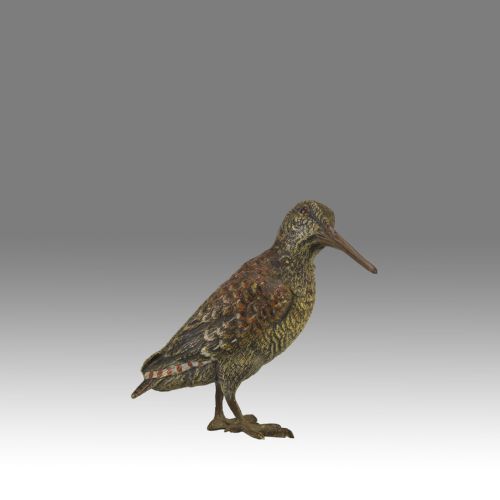
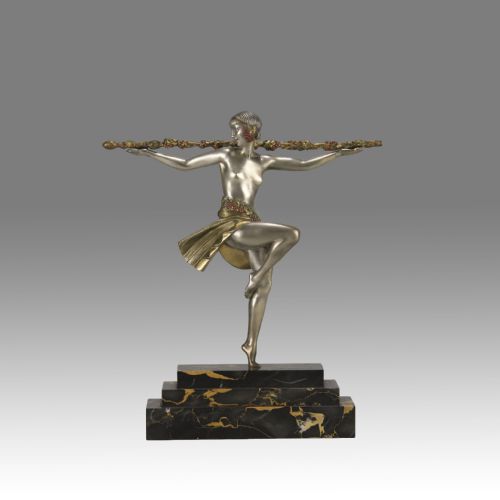
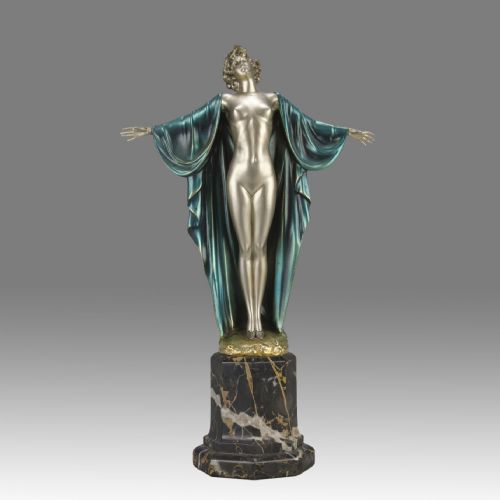
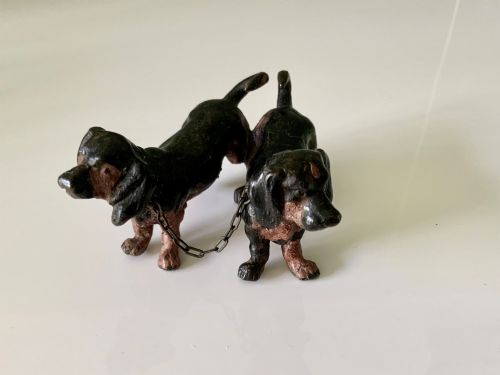
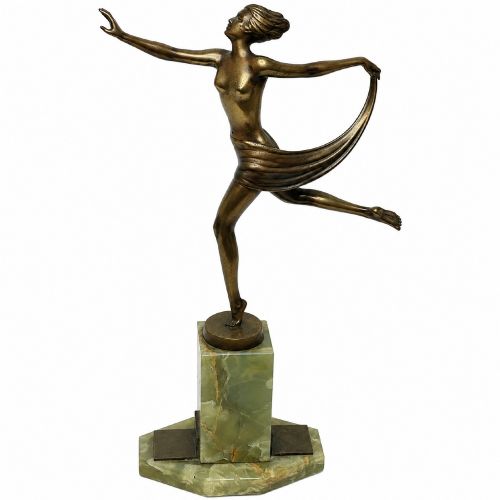
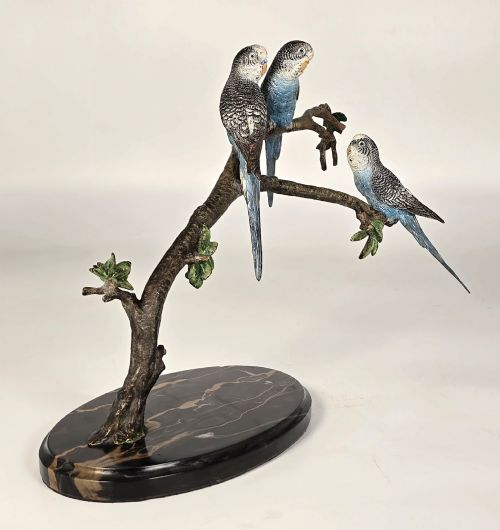
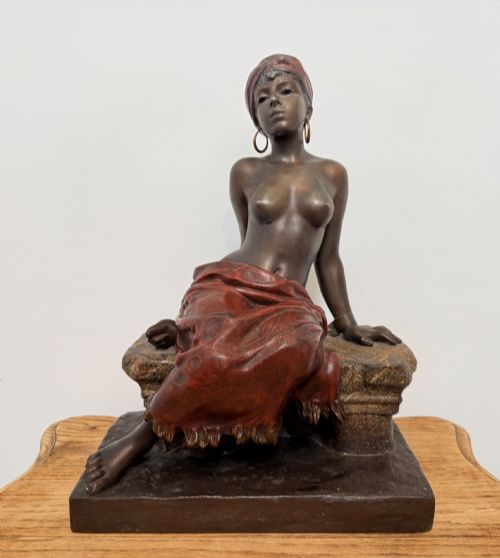
You are most likely to meet figures of dancers, animals such as antelopes and grouse, human studies like reclining ladies and policemen, and sculptural groups of scholars and teachers. Materials span bronze, cold paint, cold painted metal, marble, and onyx.
The subjects range from stylised theatrical dancers to naturalistic wildlife, reflecting the varied sculptural tastes of the period. Forms include individual figures and limited edition sculptures mounted on stone bases.
How they were made
These pieces are produced through the casting of bronze or metal, followed by the application of cold paint onto the surface. Unlike fired ceramics, the paint is applied without subsequent kiln firing, which leaves the polychrome finish delicate.
Many items incorporate natural stone elements, utilising marble and onyx for bases or plinths to support the metal figures. The combination of cast metal and applied pigment creates a distinct texture unique to these miniatures.
Cold Painted Bronze Figurine Retail Price Guide 2026
Typical asking prices for cold painted bronze figurine among the pieces listed under this phrase on Sellingantiques today, from the lower quarter to the upper quarter. They describe what is for sale here now, not the wider market.
What varies in quality
The integration of materials also dictates quality, particularly in how securely the bronze or cold painted metal mounts to marble or onyx bases. Signature marks, stamps like the Bergman 'B', or attribution to known artists elevate the standing of a piece.
Pierre le Faguays·Josef Lorenzl·Franz Bergman·Fabergé·Jennings Brothers·Erté
The Cold Painted Bronze Figurine Glossary
- Cold-painted bronze
- Metal sculpture decorated with unfired paint applied directly to the bronze surface. This technique allows for vivid coloration but requires careful handling to preserve the finish.
- Vienna Bronze
- Small bronze sculptures produced in Austrian workshops during the late nineteenth and early twentieth centuries. These figures are renowned for their humorous, realistic, or exotic subjects.
- Animalier
- A nineteenth and twentieth century artistic movement focusing on the realistic portrayal of animals. Sculptors in this style pay close attention to anatomy and natural posture.
- Art Deco
- A design style dominant in the nineteen twenties and nineteen thirties characterised by sleek lines, geometric forms, and stylised representations of human figures and motion.
- Onyx
- A banded variety of chalcedony quartz frequently used as a heavy, decorative base for small bronzes. Its smooth texture and varied natural patterns complement the metalwork.
Cold Painted Bronze Figurine: Frequently Asked Questions
What is a cold painted bronze figurine?
A cold painted bronze figurine is a small metal sculpture decorated with paint that is applied without firing. These pieces date predominantly from the early twentieth century and depict human figures, dancers, and animals.
They reflect diverse design movements including Art Deco and Vienna Bronze, often mounted on marble or onyx bases.
Are all these figurines Austrian?
Not all pieces originate from Austria, although Austrian workshops are particularly famous for Vienna Bronze and animalier figures. The selection also includes American works by makers such as Jennings Brothers and Russian pieces.
Stylistic elements and maker marks help distinguish the geographic origin of each sculpture.
What is the difference between bronze and cold painted metal?
Bronze is a copper and tin alloy traditionally used for high-end casting, prized for its durability and fine detail retention. Cold painted metal may utilise alternative base metals while employing the same surface painting technique.
Both materials receive the signature unfired pigment layer characteristic of these miniatures.