
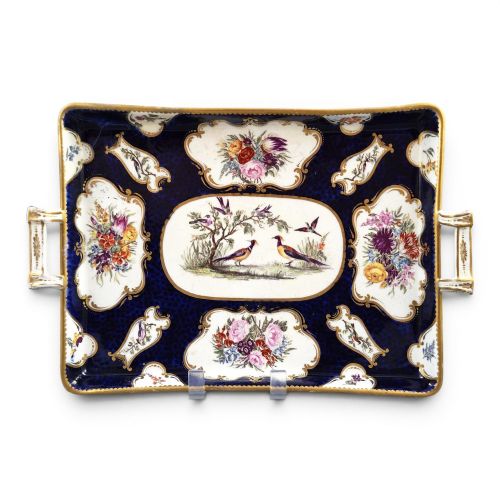


Cobalt Blue Serving Tray
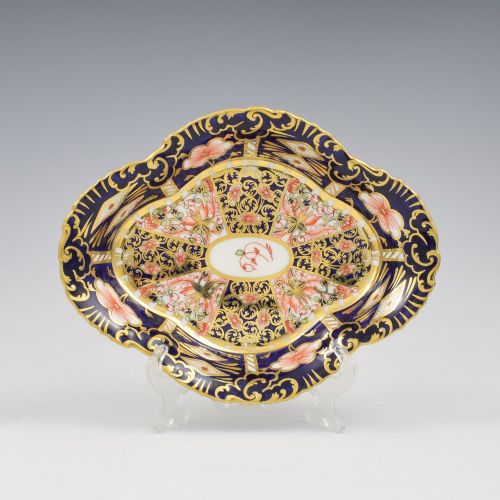
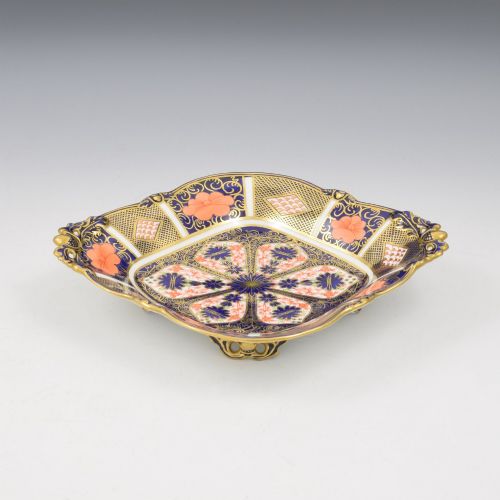
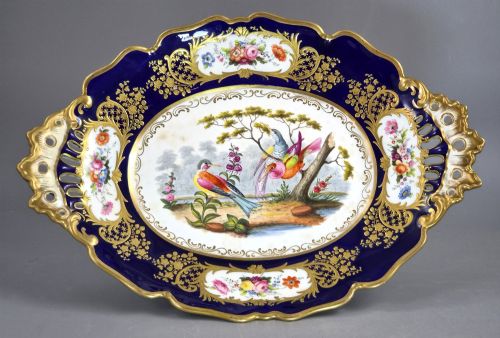
A cobalt blue serving tray brings deep indigo richness and hand-painted artistry to the table, offering a striking centrepiece for display or service.
Cobalt Blue Serving Tray
A cobalt blue serving tray encompasses large meat platters, deep porcelain dishes, and mirrored trays utilised for presentation and service across past centuries. You meet pieces spanning Georgian, Regency, and Victorian periods, alongside Edwardian examples and Chinese export porcelain.
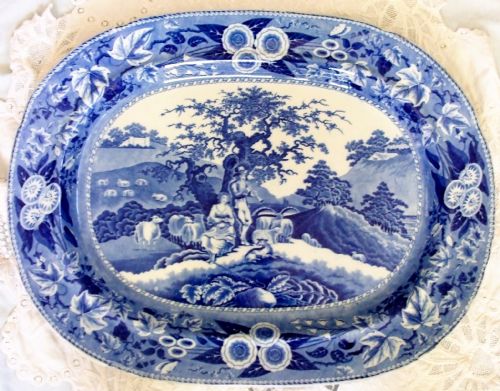
The forms range from heavy earthenware meat plates and transfer-printed pottery platters to intricate porcelain dessert dishes and fan-shaped plates. Many feature specific transfer patterns such as classical ruins, exotic birds, and Chinoiserie scenes.
Origins stretch across English potteries, French porcelain houses, and Chinese workshops, uniting diverse manufacturing traditions through rich blue pigment. These objects serve equally well as functional tableware or decorative wall plates.
Materials and Techniques
Potters and porcelain makers utilised ceramic bodies, earthenware, and fine porcelain, applying cobalt pigment beneath or over the glaze to achieve deep blue tones. Transfer printing allowed intricate landscapes and oriental patterns to be stamped onto earthenware platters with precision.
Moulders shaped porcelain and ironstone into wells, trees, pierced borders, and trefoil configurations, while artisans added gilding and gold leaf highlights by hand. Some later twentieth-century pieces combined silver plating with mirror glass and cobalt inserts.
Listings feature items from the 1800s, Georgian, Regency, and Victorian periods, utilising earthenware, porcelain, enamel, and cobalt pigment.
Distinctions in Quality
Quality rests in the crispness of the cobalt transfer print and the delicacy of the porcelain body, separating everyday earthenware from fine factory production. Hand-painted details, signed artwork, and intricate pierced or moulded borders elevate certain platters above standard kitchenware.
The weight of the ceramic, the depth of the glaze, and the preservation of original gilding indicate the level of craftsmanship invested by historic potteries.
Royal Crown Derby·Coalport·Spode·Ridgway·Royal Worcester·Thomas Lakin·Don Pottery·Minton·John Rogers and Son·Masons Ironstone
The Cobalt Blue Serving Tray Glossary
- Transfer printing
- A method of applying detailed designs to pottery by engraving a copper plate and transferring the ink via tissue paper. This technique allowed complex landscapes to be reproduced consistently across large meat platters.
- Ironstone
- A patented ceramic material developed in the nineteenth century for its exceptional durability and stone-like strength. It formed a heavy, robust body ideal for large serving dishes.
- Well and tree
- A platter featuring a channeled moat and central well to collect meat juices during carving. This design kept joints elevated and prevented liquid from spilling.
- Imari
- A decorative style characterised by rich cobalt blue, iron-red, and gold accents, inspired by Japanese export wares. English factories frequently adopted these patterns on porcelain dishes.
- Chinoiserie
- European artistic interpretations of Chinese and East Asian motifs, commonly featuring imaginary landscapes and exotic figures. The style appeared widely on blue and white transfer-printed pottery.
Cobalt Blue Serving Tray: Frequently Asked Questions
How were large meat platters used?
Large meat platters served grand dining tables by holding roasted joints of meat or poultry during formal meals. Their generous size accommodated family portions, while integrated wells collected juices.
Today, these substantial ceramics function well as buffet centerpieces or decorative wall displays.
How do I date an antique platter?
Dating relies on ceramic bodies, transfer print styles, potter's marks, and factory stamps pressed into the underside. Georgian and Regency pieces often feature distinct blue and white transfer scenes, while Victorian items show heavier moulded details.
Maker marks help narrow production eras when matched with factory registration numbers.
Can I use these trays for serving food?
Most antique ceramic platters and porcelain dishes remain food safe for serving dry or cold foods. However, historic glazes and hand-applied gold leaf require gentle hand washing rather than machine dishwashing.
Utilising them for display protects fragile or crazed surfaces from further wear.
What is the difference between earthenware and porcelain?
Earthenware forms a porous, opaque ceramic body that requires an impervious glaze to hold liquids, typical of traditional transfer-printed meat plates. Porcelain is a vitrified, finer material that often transmits light through thin edges and supports delicate painted decoration.
Both materials carried cobalt blue decoration successfully across different price points.