


Cobalt Blue Floral Vase
A cobalt blue floral vase brings deep colour and botanical painting together, drawing the eye across centuries of ceramic and glass design.
Cobalt Blue Floral Vase
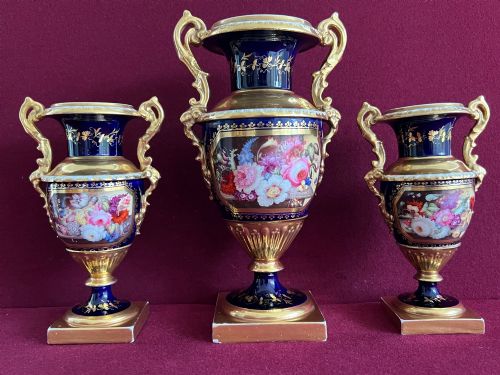
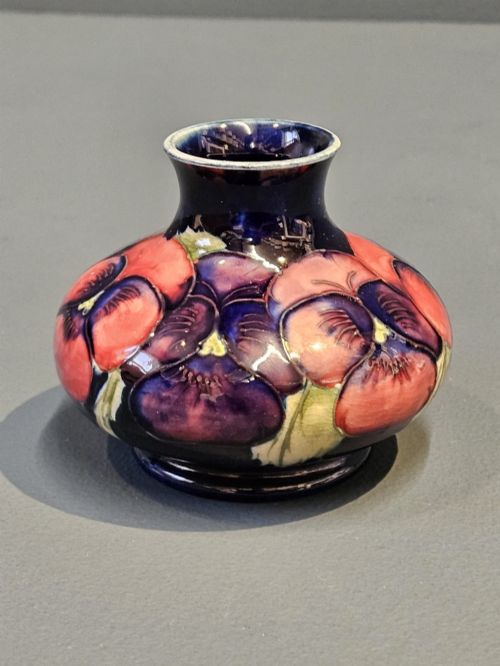
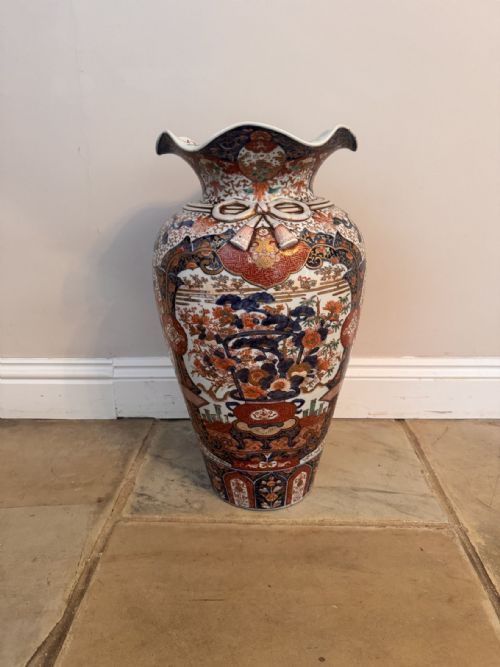
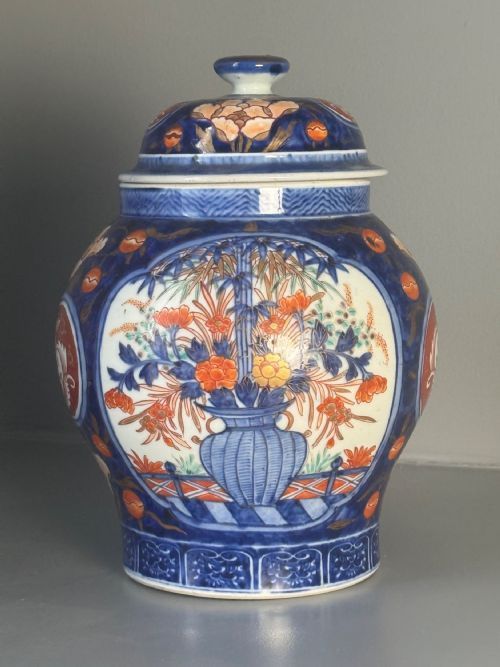
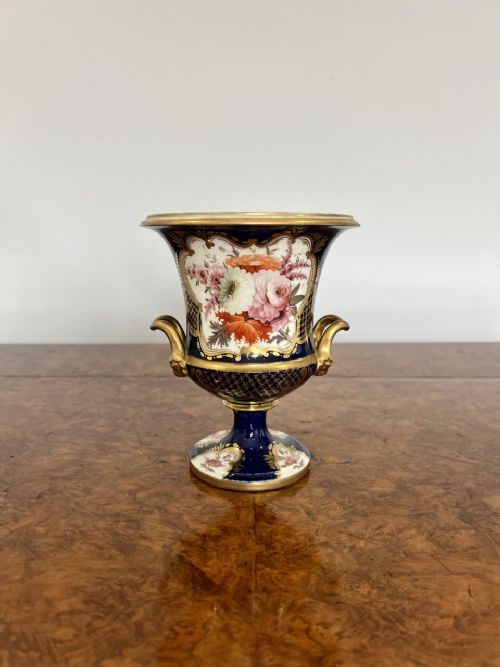
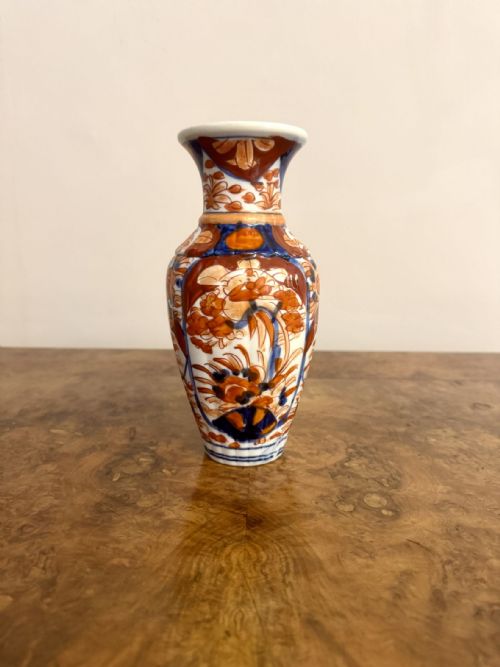
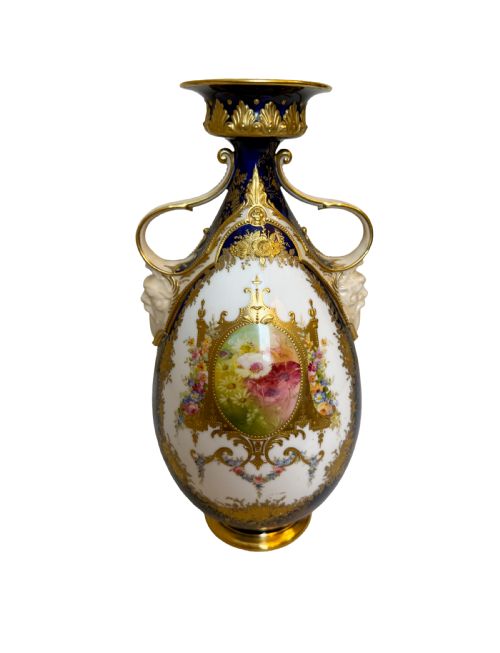
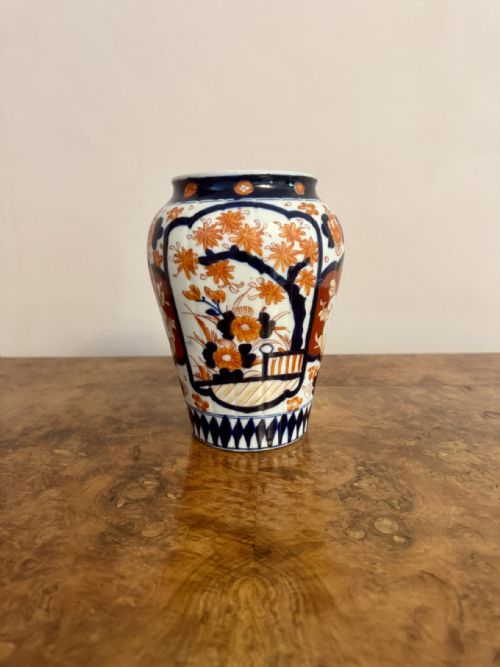
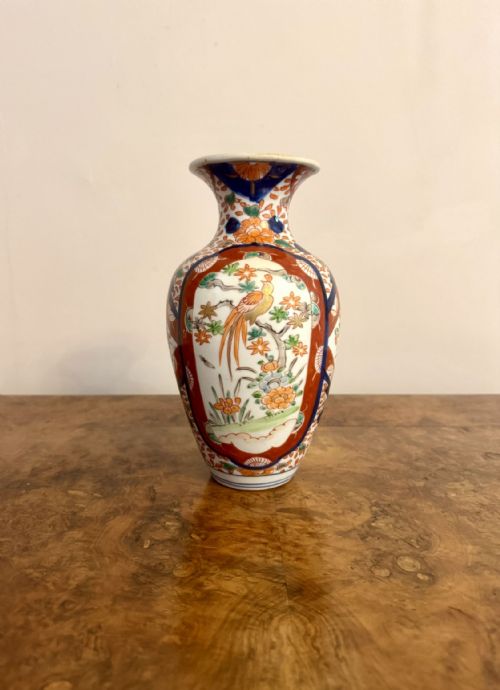
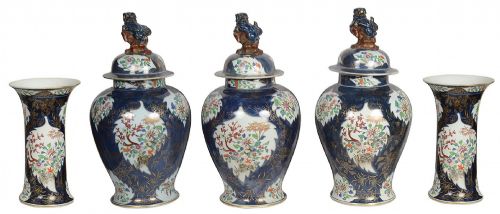
A cobalt blue floral vase is a decorative vessel combining rich blue pigment with painted or applied plant motifs, spanning periods from the early nineteenth century through to the Edwardian era. You will frequently encounter Japanese Imari examples alongside English porcelain and Continental earthenwares on this page.
The forms range from compact bud vases and ginger jars to large floor-standing urns and garnitures. Makers utilise porcelain, ceramic, earthenware, and cobalt glass to shape these pieces.
How they were made
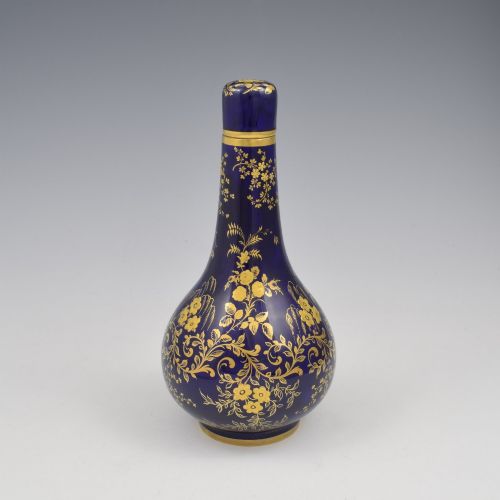
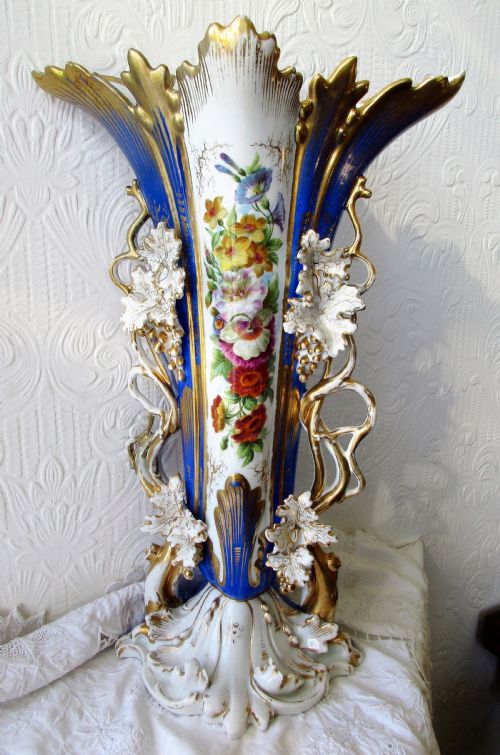
Potters shaped porcelain, earthenware, and ceramic bodies before applying cobalt blue glazes and hand-painted floral designs. Many pieces received additional enrichment through gilding, gold leaf, and enamel work.
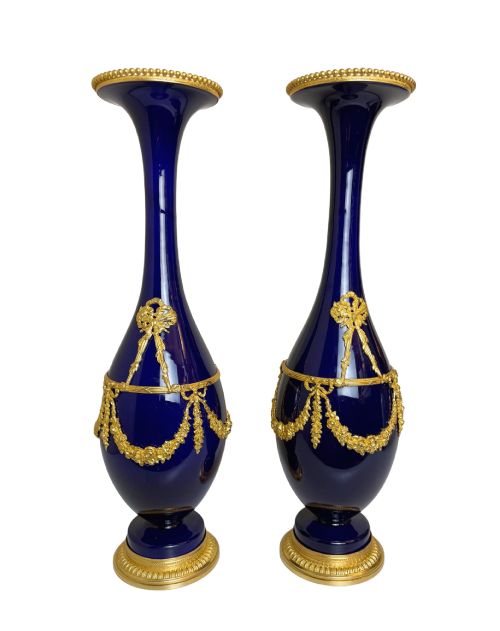
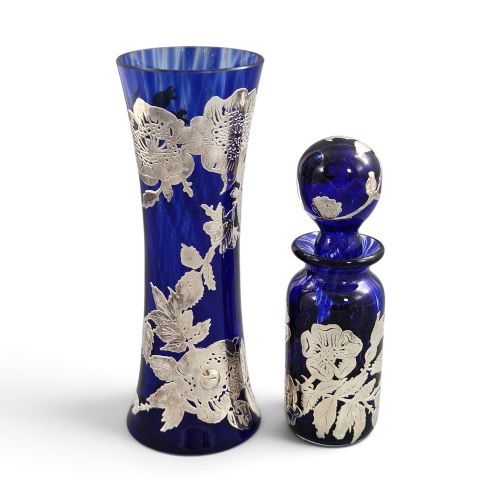
Certain glass and ceramic vessels incorporate metal elements such as silver overlay, pewter overlay, or gilt bronze trim to mount the body.
A tiny perfume bottle hides inside a matching silver overlay set, proving grand floral vases have miniature relatives.
What varies in quality
Quality rests in the crispness of the hand-painted floral details and the depth of the cobalt glaze. Pieces with finely brushed botanical motifs and secure metal overlays stand apart from simpler productions.
The refinement of the porcelain body and the precision of any gilt bronze or silver mounts indicate the skill invested in the manufacture.
Moorcroft·Laugharne Glass·Derby Porcelain·Spode·Royal Doulton·Crown Staffordshire·Royal Crown Derby·Samuel Alcock·Flight, Barr and Barr·Kinkozan
The Cobalt Blue Floral Vase Glossary
- Imari
- A style of Japanese porcelain featuring cobalt blue and iron red decoration, often accented with gold. This aesthetic heavily influenced nineteenth-century European kilns.
- Garniture
- A set of three or more matching vases or urns designed to be displayed together on a mantelpiece or sideboard. These sets frequently share floral cobalt motifs.
- Campagna urn
- A bell-shaped vessel on a pedestal foot, derived from classical antiquity. Coalport and other English potteries produced these in porcelain.
- Underglaze blue
- Pigment applied to the ceramic body before the transparent glaze is fired, protecting the colour from wear. This technique creates a smooth, durable finish.
- Silver overlay
- Sterling silver worked into decorative openwork patterns and applied directly onto the surface of a glass or ceramic vase.
Cobalt Blue Floral Vase: Frequently Asked Questions
How do I date a cobalt blue floral vase?
Dating relies on identifying the ceramic body, the style of the floral painting, and any factory marks stamped or painted on the base. Comparing these details with documented periods like the Victorian or Edwardian eras helps narrow the timeline.
Material choices, such as pewter or silver overlays, also point toward specific decades of manufacture.
Were these vases meant for display or holding flowers?
Most antique pieces served as decorative garnitures or mantel ornaments rather than utilitarian vessels for daily flower arranging. Their hand-painted surfaces and delicate gilding meant owners prized them as visual centrepieces.
Some robust porcelain and glass forms, however, were practical vessels for cut stems or potpourri.
How should I clean a piece with gilt bronze or silver overlay?
Dusting with a dry, soft cloth is the safest way to maintain the surface without disturbing the metalwork or the cobalt glaze. Avoid chemical dips or abrasive polishes that can strip gold leaf or damage delicate enamel.
Keep these vessels out of direct sunlight to preserve the vibrancy of the blue pigment.
What is the difference between Japanese Imari and European copies?
Japanese Imari pieces from the Meiji period typically display distinct clay bodies, characteristic spur marks, and specific interpretations of floral and brocade patterns. European factories adopted the palette of cobalt blue and iron red on porcelain to imitate these imports.
Examining the foot ring and glaze texture reveals whether the piece originated in Arita or an English kiln.