



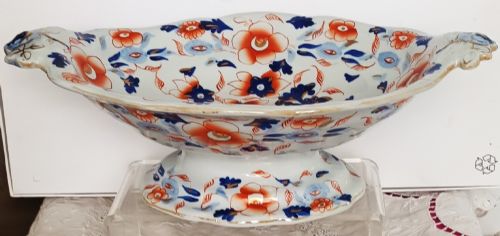
Cobalt Blue Bowl
A cobalt blue bowl brings deep, striking colour to a room, shifting from midnight depths to bright sapphire in the light.
Cobalt Blue Bowl
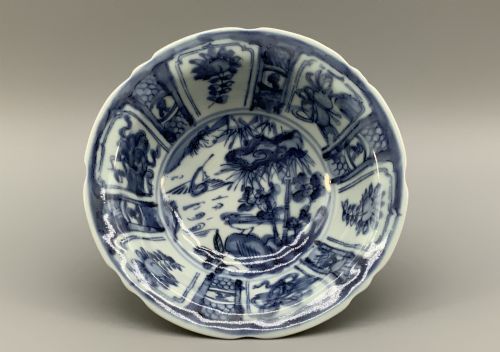
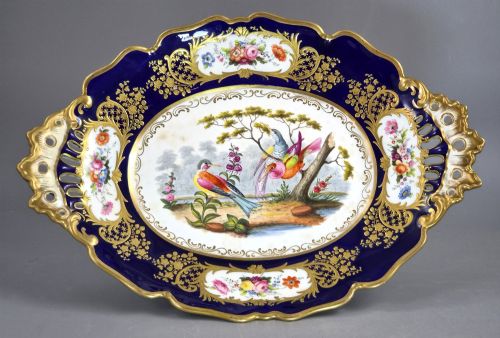
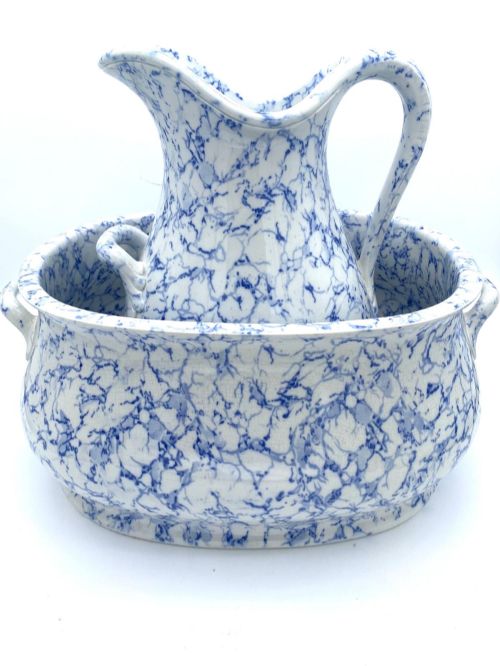
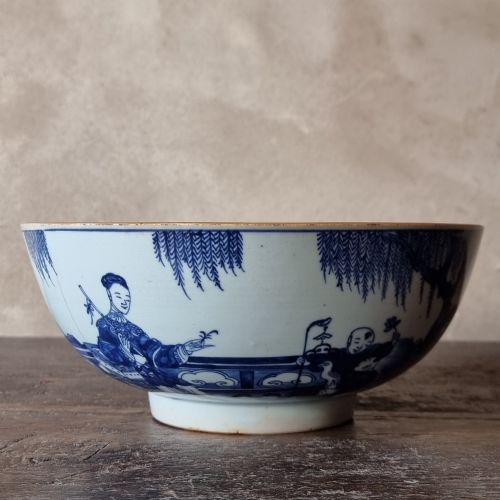
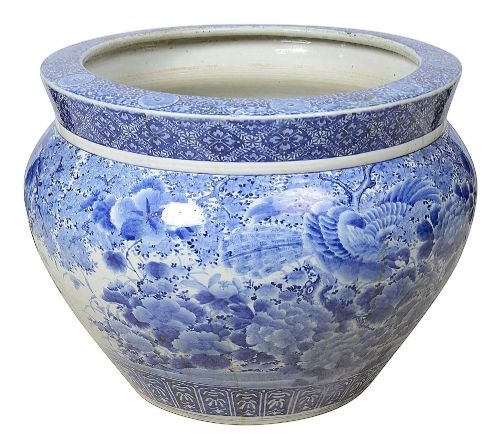
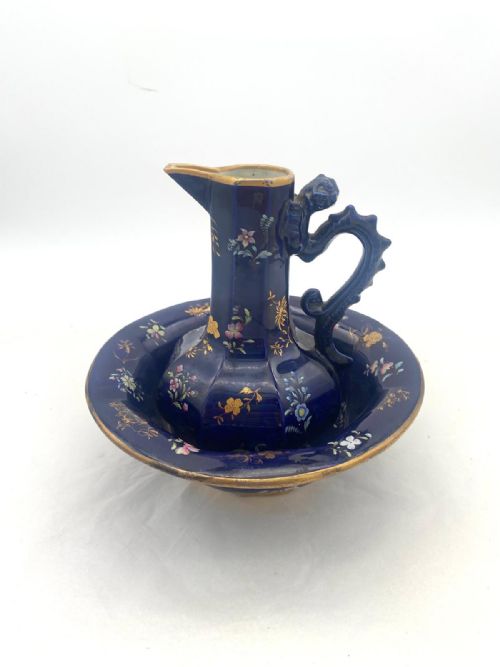
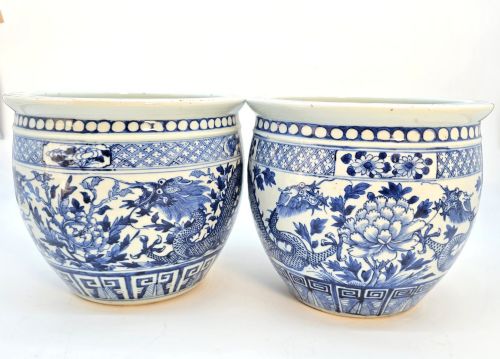
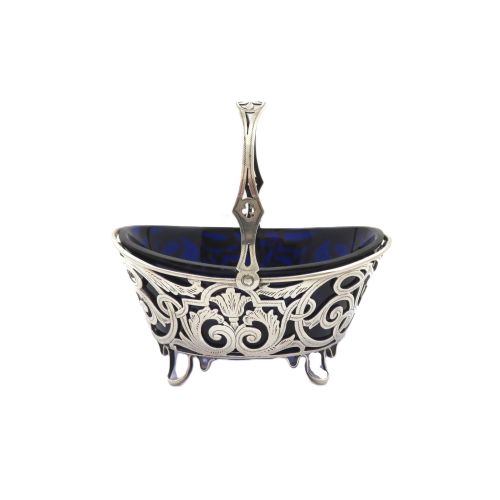
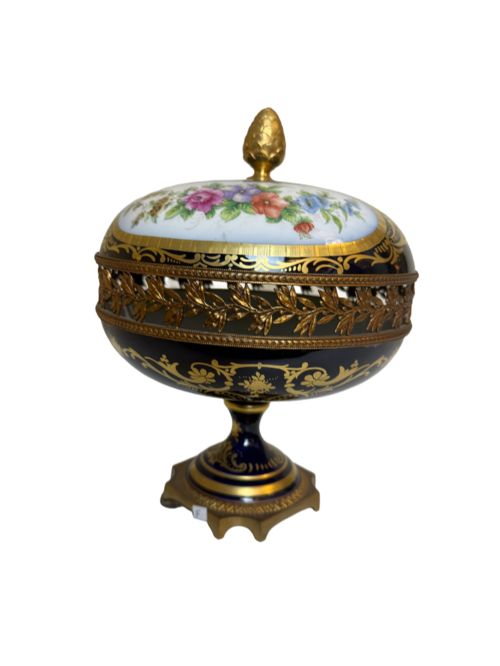
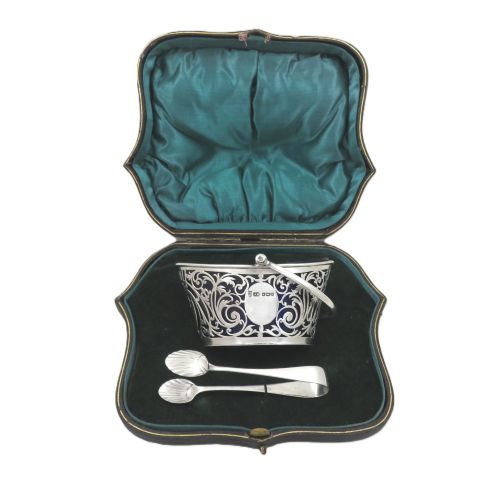
When searching for a cobalt blue bowl, you encounter a diverse range of objects spanning multiple centuries, from 17th-century pieces to later Victorian and 20th-century items. The selection includes decorative bowls, sugar basins, punch bowls, and larger footbaths or jardinières, alongside tableware such as tureens and dessert dishes.
The historical scope covers Georgian elegance, Victorian pattern work, and Eastern export traditions like the Kangxi period and the Japanese Meiji era. These objects served functional dining and display purposes in domestic interiors, resulting in robust survival rates across different social strata.
Materials and Techniques
Makers achieved the characteristic deep coloration primarily through cobalt glaze applied beneath or over the fired body, or by combining clear glass with cobalt blue sections. Earthenware and ironstone bodies provided a sturdy foundation for intricate transfer-printed scenes and hand-painted motifs.
Potters utilised high-temperature kilns to fuse mineral pigments into the ceramic body or glaze, ensuring the rich blue tones remained stable and permanent. Artisans frequently integrated gold leaf highlights, enamel accents, or moulded textures onto the surfaces of porcelain and ironstone vessels.
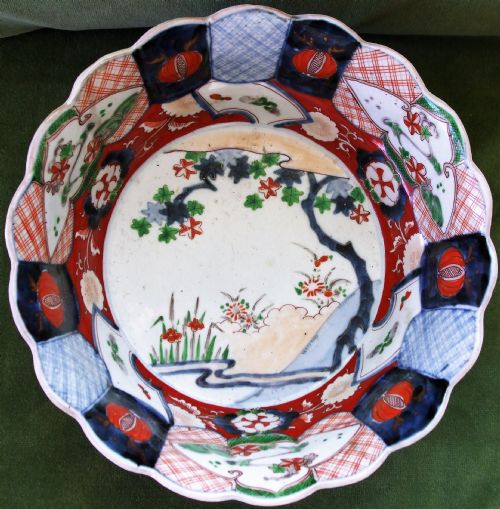
Moulding and throwing formed the structural base of each dish, bowl, or tureen, followed by meticulous hand-finishing of edges, handles, and foot rings. Japanese Imari and Chinese export items relied on precise brushwork beneath the glaze, while European potteries developed transfer-printing techniques to replicate complex oriental scenes.
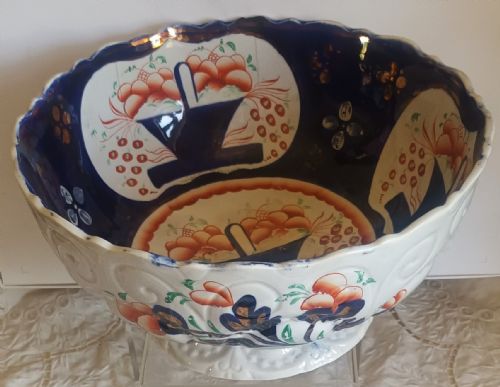
Object forms include footbaths, punch bowls, vegetable tureens, and sugar baskets alongside traditional decorative dishes.
Judging Quality in Cobalt Blue Ware
The refinement of the blue pigment application dictates much of the visual appeal, separating even tones and sharp brushwork from muddy or bleeding hues. In transfer-printed wares, the crispness of the lines and the registration of the pattern reveal the care taken during production.
Body material and weight contribute to the tactile experience, with high-fired porcelain and dense ironstone offering superior durability and thinner, more elegant walls than coarser earthenware. The precision of moulding, particularly on scalloped edges, footed bases, and applied handles, points directly to the maker's skill level.
Secondary decorative elements such as hand-gilding, enamel detailing, or the clarity of cobalt glass liners demonstrate the tier of craftsmanship involved. Pieces that retain their original crisp definition without excessive wear to the surface decoration represent the upper echelon of surviving examples.
Coalport·Minton·Mason·J. & R. Riley·J. & R. Clews
The Cobalt Blue Bowl Glossary
- Cobalt Glaze
- A deep blue metallic oxide pigment fired into ceramic glaze at high temperatures. It yields a rich, stable colour impervious to fading.
- Ironstone
- A dense, heavy ceramic developed in the 19th century as a durable alternative to porcelain. It takes cobalt blue transfer prints exceptionally well.
- Imari
- A Japanese export style characterised by underglaze blue, iron red, and gilt detailing. Pieces often feature complex floral and panel designs.
- Jardinière
- A large decorative ceramic or metal pot designed to hold potted plants. They frequently appear in heavy blue and white porcelain.
- Transfer Printing
- A mechanical method of applying complex decorative patterns to ceramics using engraved copper plates and tissue paper. It revolutionised mass production in Georgian potteries.
- Comport
- A raised dish or bowl used for serving fruit or desserts at the dining table. They often feature pedestal bases and scalloped edges.
Cobalt Blue Bowl: Frequently Asked Questions
Were these bowls used for food?
Many historical examples served functional dining purposes, functioning as punch bowls, sugar basins, fruit comports, or dessert tureens during formal meals.
Others, particularly large jardinières or delicate decorative display dishes, were strictly ornamental objects intended for interiors rather than culinary service.
How do I date a blue and white bowl?
Examine the base for factory marks, potters' stamps, or reign characters, which often provide a reliable window of production or attribute the piece to a specific era.
Characteristics such as body weight, crazing in the glaze, and the sharpness of transfer-printed or hand-painted details also help distinguish 18th-century pieces from Victorian or later items.
Can I display these bowls safely?
Use stable plate stands, wall hangers designed specifically for heavy ceramics, or dedicated display cabinets to keep pieces secure and prevent accidental knocks.
Keep them away from direct, harsh sunlight and areas subject to sudden temperature swings, which can stress older ceramics and vulnerable glazes.