




Coastal Seascape Oil Painting
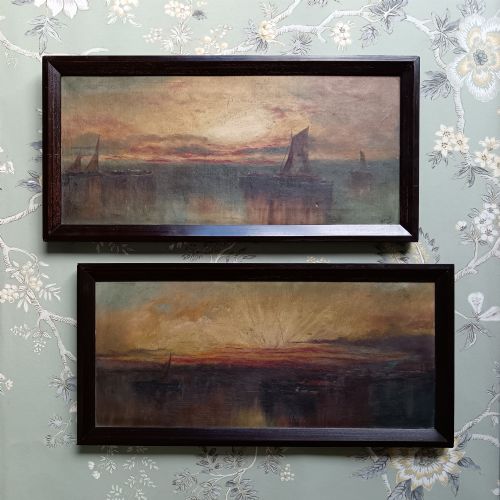
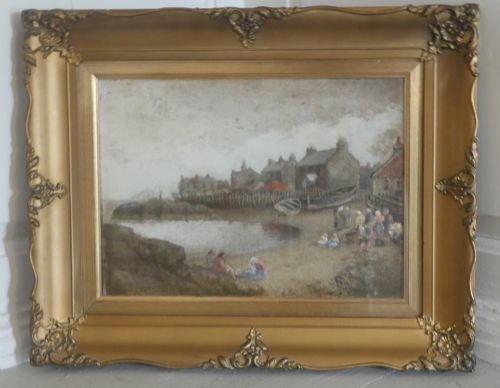
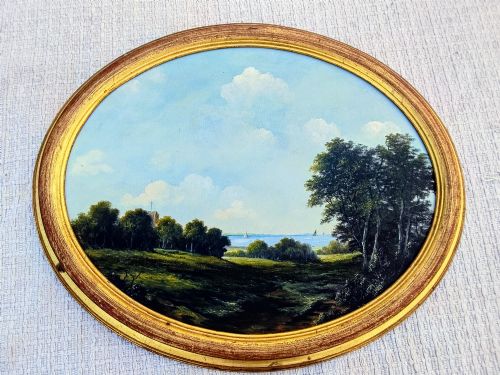
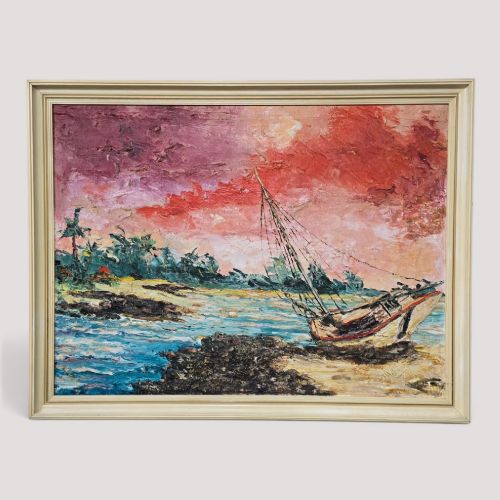
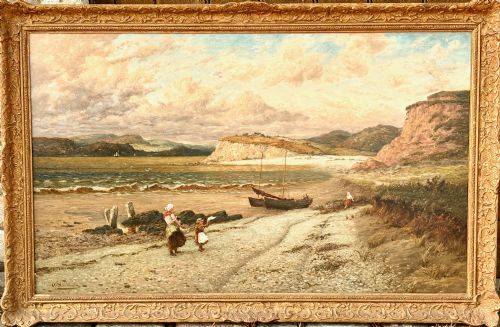
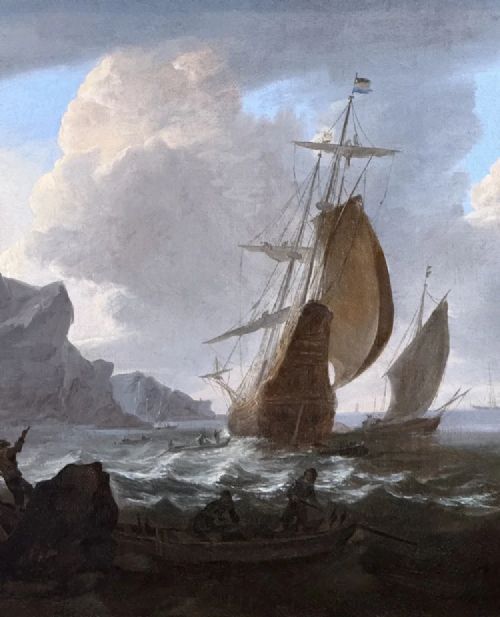
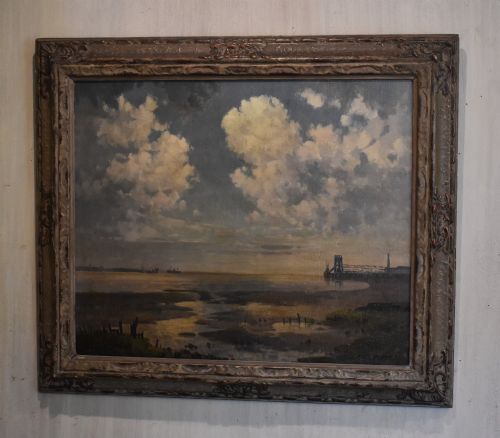
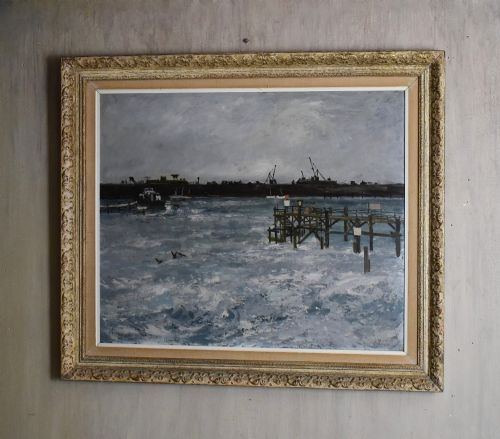
A coastal seascape oil painting captures the shifting moods of the sea and shore through layered pigments on canvas or wood.
Coastal Seascape Oil Painting
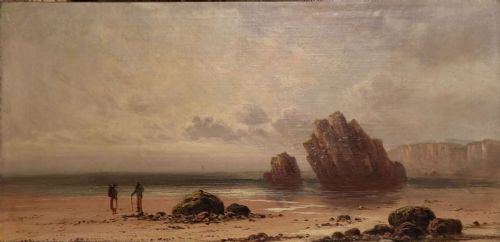
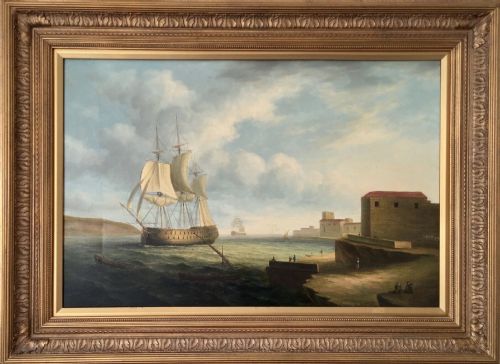
When searching for a coastal seascape oil painting, collectors encounter diverse interpretations of maritime life spanning from Victorian harbours to mid-century modern vistas.
The selection ranges from detailed nineteenth-century depictions of sailing vessels off British shores to expressive twentieth-century views painted en plein air along Cornwall and European coasts.
Most pieces on this page originate from the nineteenth and mid-twentieth centuries, presenting scenes executed in oil on canvas, panel, or board.
How They Were Made
Artists built these works using oil paint applied to prepared wood panels, rigid boards, or woven canvas stretchers.
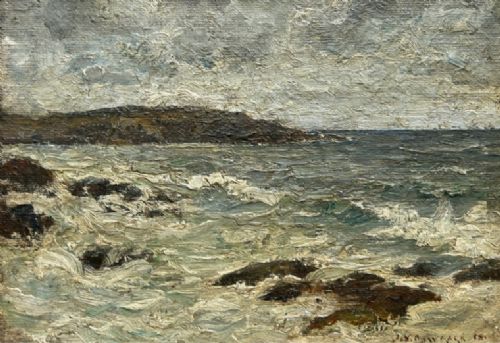
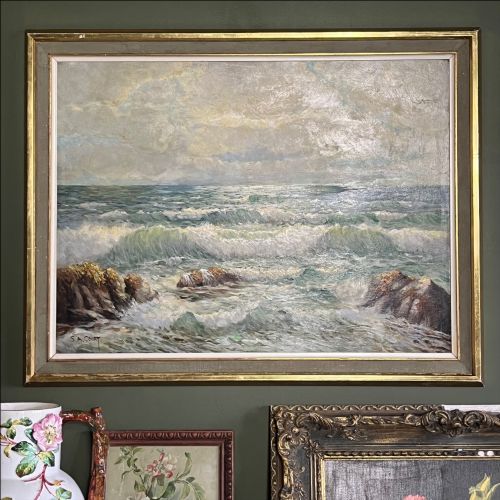
Makers employed brushes and palette knives to lay down smooth glazes or thick impasto, capturing the texture of breaking waves and rocky shorelines.
Finished works were frequently housed in gilt wood frames that complemented the maritime subjects.
Coastal Seascape Oil Painting Retail Price Guide 2026
Typical asking prices for coastal seascape oil painting among the pieces listed under this phrase on Sellingantiques today, from the lower quarter to the upper quarter. They describe what is for sale here now, not the wider market.
Some nineteenth-century artists snuck extra seagulls into calm harbours just to keep stormy viewers awake.
What Varies In Quality
Quality rests upon the artist's command of light, atmosphere, and the movement of water.
Superior examples demonstrate confident brushwork and precise atmospheric perspective, whereas lesser works rely on formulaic repetition.
The preservation of the original paint surface and the compatibility of the surrounding frame also distinguish the finest examples.
James Hardy·Kenneth Cozens·Clifford Hanney·Sidney A Court·B Nash·Edward Mills·Bonaventura Peeters·Clive Browne·Peter Brannan·Bernard Benedict Hemy·Thomas Creswick·Lucy Pratt·James Fry·Ethel Sands·Cecil Allan Mould·Charles Euphraisie Kuasseg·John Wilson Carmichael·Joseph Farquharson·Erich Mercker·Dubovsky·John Moore of Ipswich·William Henry Williamson·John Holland·Walter Goodin·Abraham Hulk I
The Coastal Seascape Oil Painting Glossary
- Impasto
- Paint applied thickly to a canvas or board, leaving visible brush or palette knife marks that add tactile dimension to water and sky.
- En Plein Air
- The practice of painting outdoors to capture direct observations of natural light and coastal weather.
- Maritime
- Pertaining to ships, shipping, and navigation, often forming the central subject of marine art.
- Gilt Wood
- Timber framing coated with a thin layer of gold leaf or gilt paint, common in period framing.
- Stretcher
- The wooden frame that holds a canvas taut before and after painting.
Coastal Seascape Oil Painting: Frequently Asked Questions
How do I date a coastal oil painting?
Dating relies upon stylistic markers, canvas preparation, and framing techniques characteristic of specific decades. Victorian works often feature detailed narrative elements, while mid-century pieces tend toward looser interpretations.
Signatures, exhibition labels, and inscriptions verso provide direct evidence of creation dates. Comparing known periods helps narrow down the timeframe when signatures are indistinct.
Where should I hang a marine painting?
These works suit spaces with stable humidity and indirect natural light to protect the oil pigments and canvas. Rooms with neutral wall colours allow gilt frames and maritime tones to stand out.
Positioning the painting at eye level in a principal room ensures the coastal details can be appreciated up close.
What is the difference between marine and coastal art?
Marine art primarily focuses on ships, naval battles, and deep-water navigation. Coastal art places greater emphasis on the shoreline, beaches, and land-based views of the sea.
Many pieces on this page overlap both categories by featuring vessels harboured near cliffs or estuaries.