




Clear Blown Glass Goblet
A clear blown glass goblet brings weight and clarity to the table, offering tactile drinking vessels shaped by centuries of hand-crafting.
Clear Blown Glass Goblet
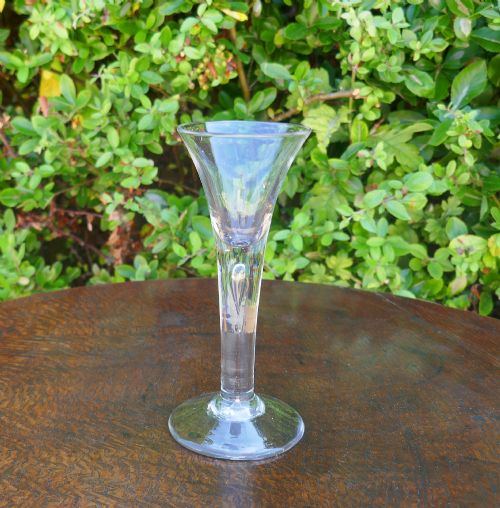
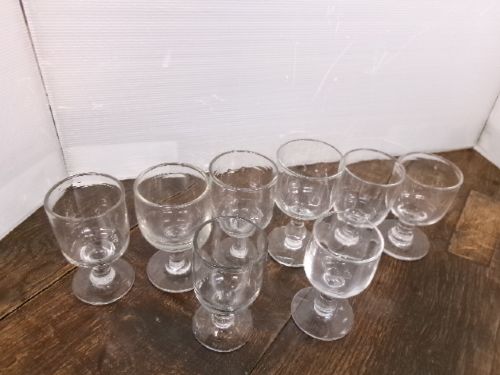
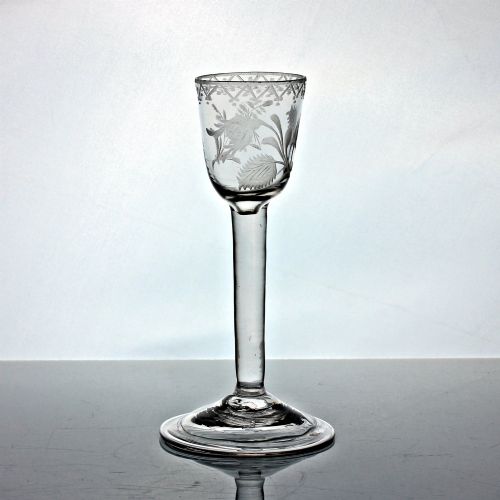
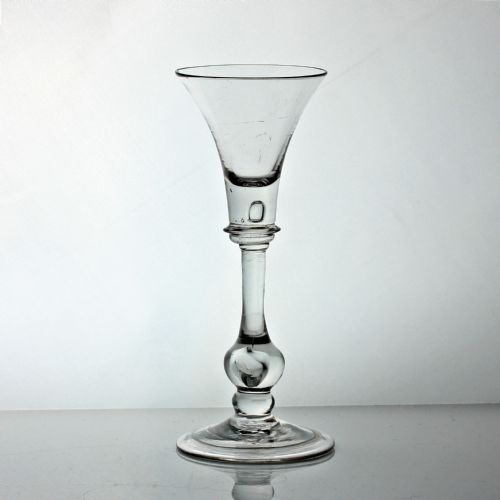
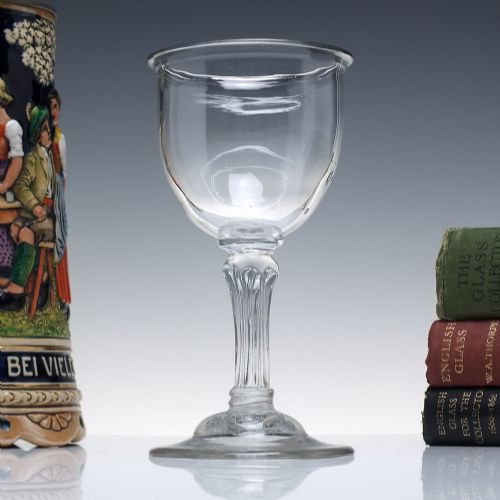
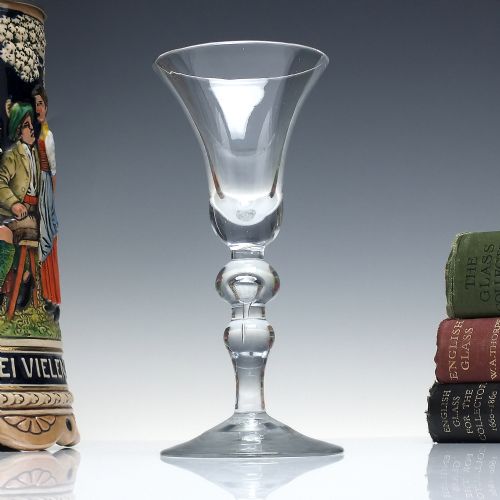
When searching for a clear blown glass goblet, buyers encounter drinking vessels spanning the eighteenth and nineteenth centuries. These pieces encompass Georgian baluster wines, rummers, cordial glasses, and Victorian stemware.
The forms range from early trumpet bowls with air bubbles in the stem to substantial tavern rummers and dwarf ale glasses. Most examples originate from British and continental workshops, displaying traditional hand-blown manufacturing techniques.
How they were made
Makers utilised lead glass, flint glass, and lead crystal to achieve clarity and substance in each vessel. Molten metal was gathered on a blowing iron, inflated by mouth, and shaped by hand.
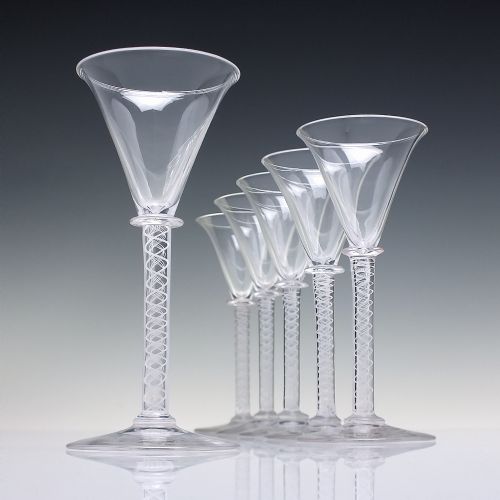
Stems were formed using techniques such as air-tearing, baluster shaping, and incorporating opaque twists. Feet were often hand-formed with folded edges for stability and strength.
Listings feature lead glass and hand-blown glass from the eighteenth and nineteenth centuries, including Georgian baluster forms and Victorian rummers.
What varies in quality
The distinction between ordinary and exceptional pieces lies in the metal's purity, the weight of the vessel, and the precision of the stem formation. Early lead glass displays a deep refractive quality and pleasant heft.
Hand-blown irregularities, such as tiny trapped air bubbles or tool marks, demonstrate authentic period production. The balance between bowl, stem, and foot dictates the visual harmony of each goblet.
The Clear Blown Glass Goblet Glossary
- Baluster stem
- A heavy, swelling stem shape popular on eighteenth-century drinking vessels. It gives the glass a substantial feel in the hand.
- Air tear
- An intentional elongated bubble trapped inside the glass stem during manufacture. Makers used this technique to add visual interest to plain stems.
- Tavern glass
- A sturdy, simpler drinking vessel produced for public houses and everyday use. These pieces often feature thick walls and robust feet.
- Rummer
- A large, capacious goblet used for serving wine or punch during the Georgian and Victorian periods. They typically possess short stems and wide bowls.
- Folded foot
- A base edge turned under while the glass is hot to create a smooth, thickened rim. This adds durability to fragile drinking glasses.
Clear Blown Glass Goblet: Frequently Asked Questions
How do I date a glass goblet?
Dating relies on combining stylistic evidence with material characteristics like pontil marks and glass composition. Eighteenth-century pieces often show different stem formations and metal weights compared to Victorian examples.
Examining the foot fold, bowl shape, and wear patterns on the base helps narrow down the decade of production.
Are these glasses safe for daily use?
Most antique glass handles liquids safely, but antique lead glass requires gentle treatment. Hand washing in warm water prevents thermal shock and preserves the historic surface.
Sudden temperature changes or modern dishwashers can damage eighteenth and nineteenth-century glass.
What is an air twist stem?
An air twist stem contains a spiral thread of tiny bubbles running through the glass. Makers created this effect by drawing out air channels inside the molten stem before twisting it.
This technique requires considerable skill and appears frequently on mid-eighteenth-century drinking glasses.
Why do some goblets feel heavier?
The weight depends on the recipe and amount of lead oxide added to the batch. Flint glass and lead crystal produced heavier, more resonant vessels than standard soda glass.
Substantial rummers and baluster wines were specifically engineered for durability and a pleasing heft.