
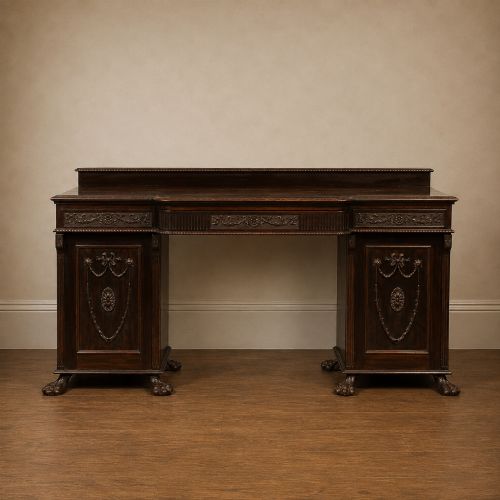
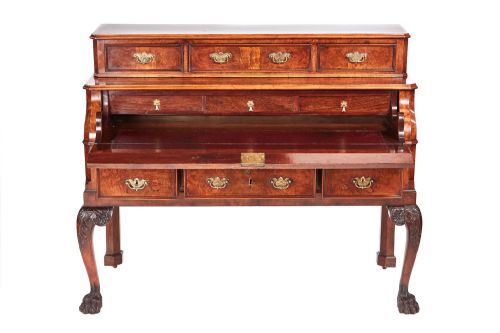
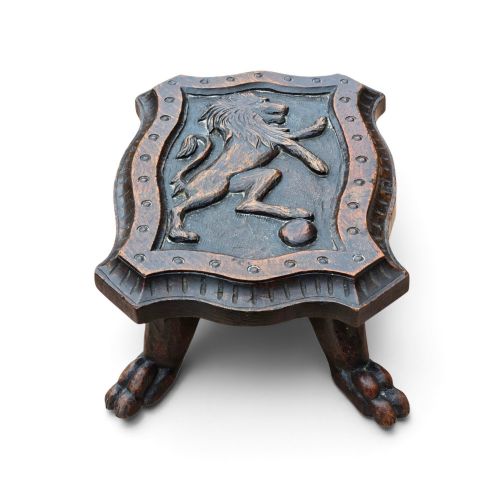
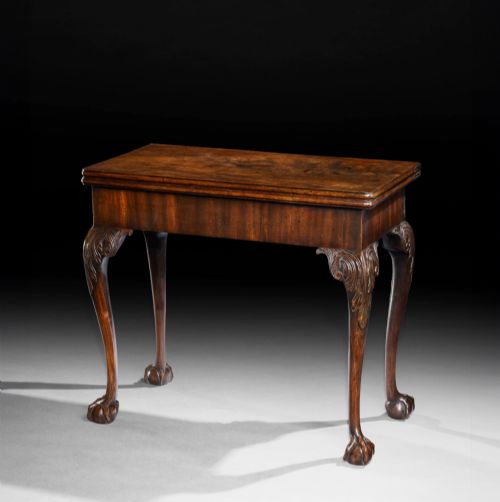
Claw and Ball Feet
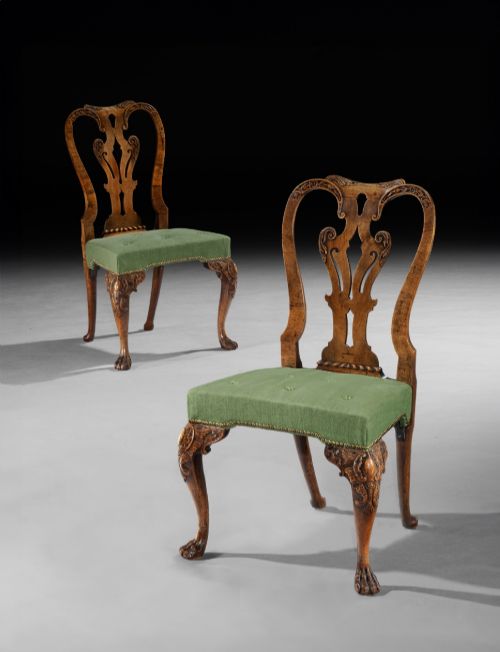
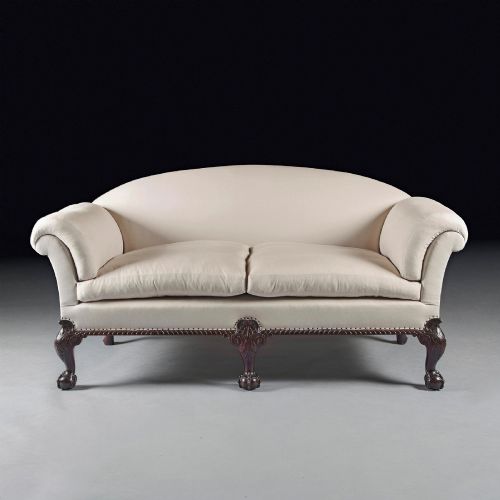
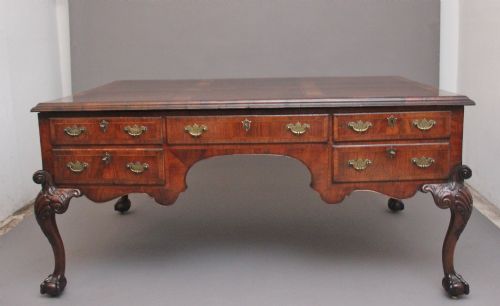
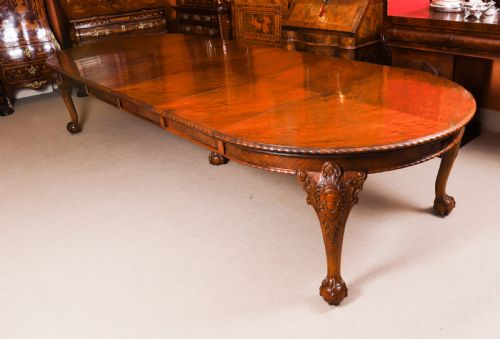
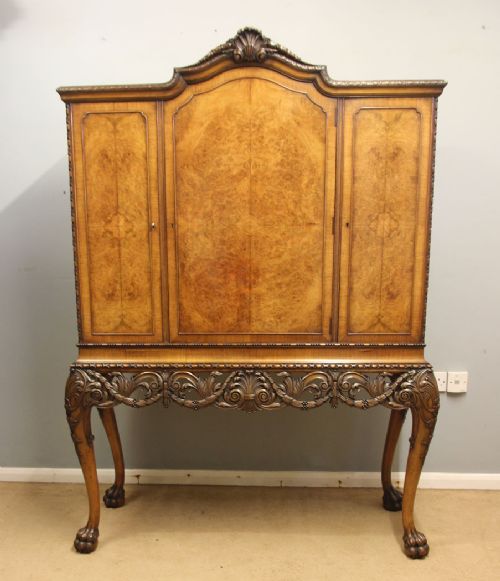
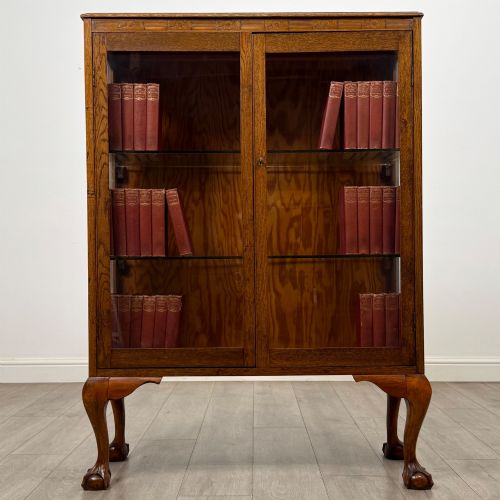
These pieces with claw and ball feet bring sculptural presence to seating and tables through solid timber craftsmanship and carved organic form.
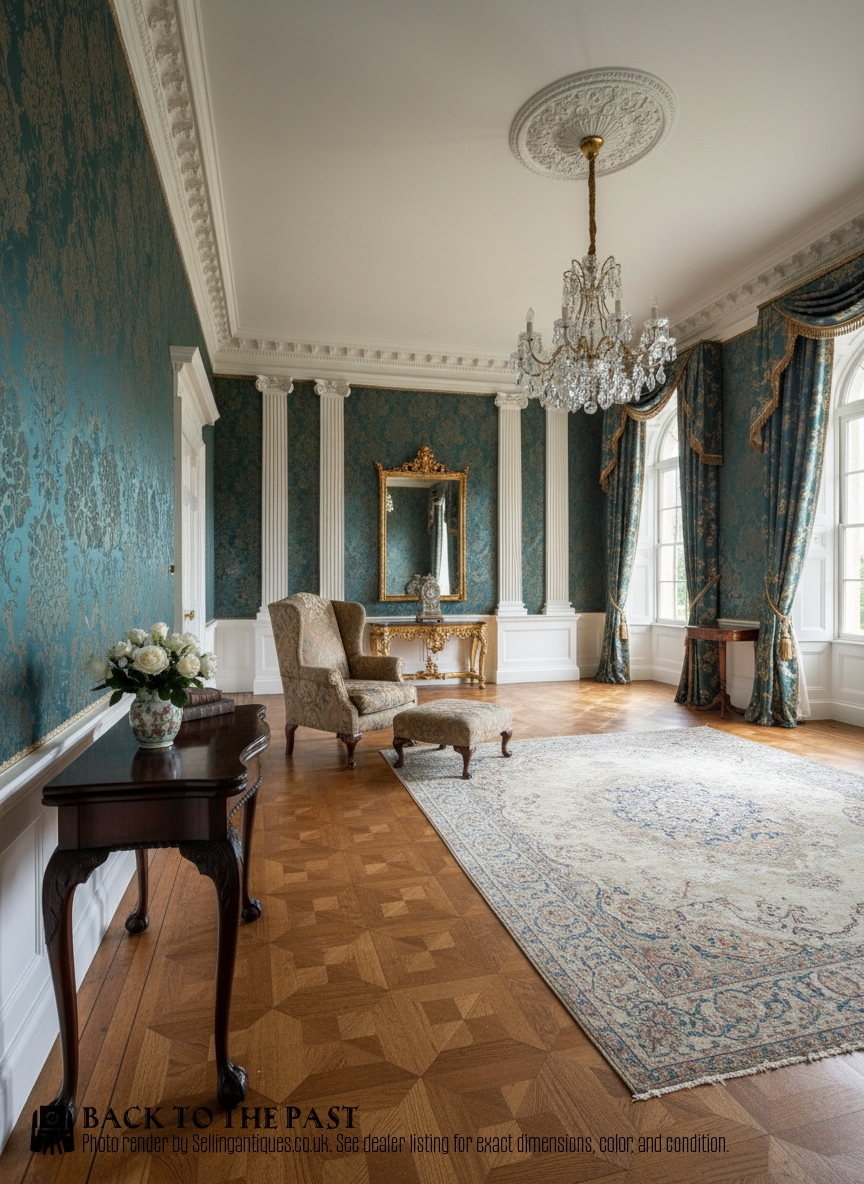
Claw and Ball Feet
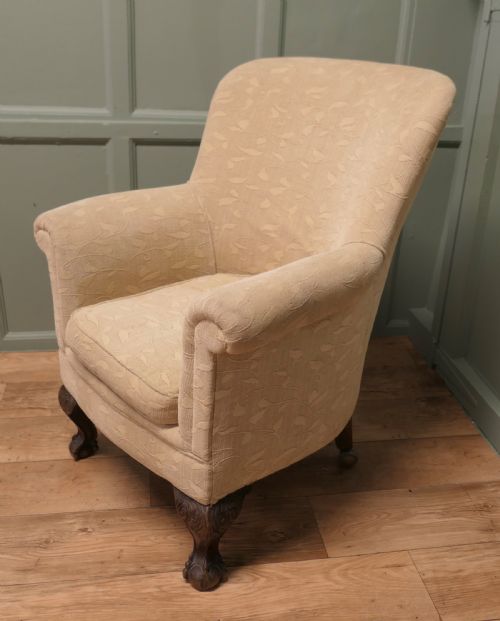
Furniture featuring claw and ball feet most frequently appears in dining chairs, armchairs, and occasional tables dating from the eighteenth century onwards. Buyers examining this page encounter numerous Chippendale revival items alongside authentic Georgian pieces and later Victorian interpretations.
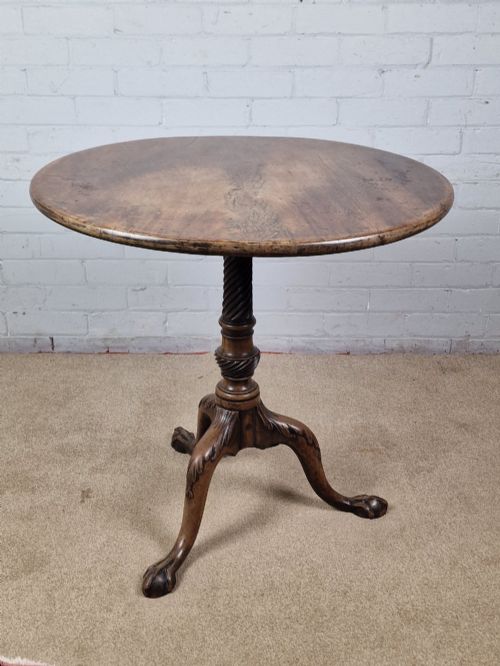
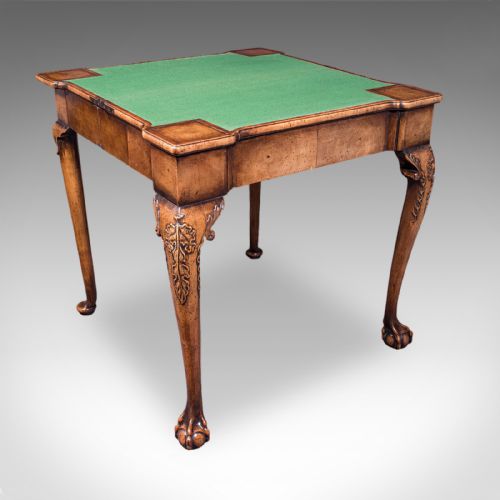
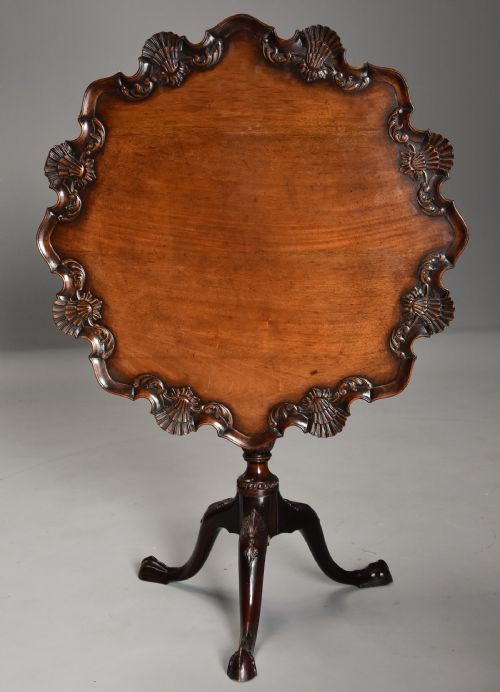
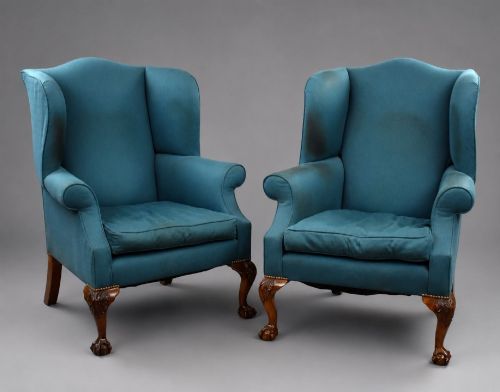
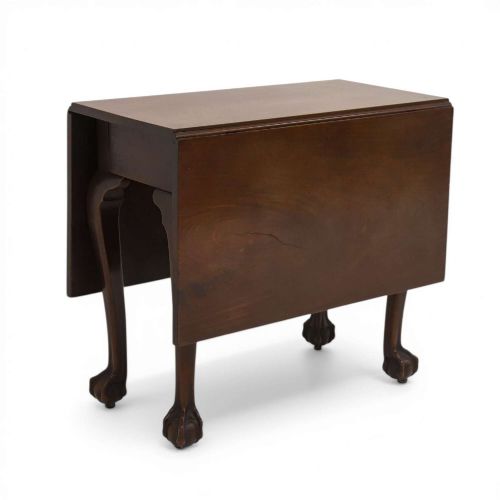
The characteristic terminal grips a spherical ball within avian talons or feline digits, anchoring cabriole legs on tables, desks, and stools. This enduring motif unites diverse forms ranging from tilt-top tripod tables to extensive dining sets and upholstered wingback chairs.
Judging quality in carved terminals
The distinction between ordinary and exceptional examples rests upon the depth, sharpness, and proportion of the hand-carved terminal work. Superior execution displays distinct knuckle definition, finely articulated talons, and a spherical ball that appears genuinely grasped rather than clumsily clasped.
Proportional harmony between the cabriole leg and the foot separates master craftsmanship from mechanical production. Grain selection in the primary timber and the crispness of secondary carving along the knee further distinguish finer items from standard commercial outputs.
Claw and Ball Feet Retail Price Guide 2026
Typical asking prices for claw and ball feet among the pieces listed under this phrase on Sellingantiques today, from the lower quarter to the upper quarter. They describe what is for sale here now, not the wider market.
The archive reveals frequent pairings of this carved foot with wingback armchairs, tripod tables, and extensive dining chair sets from the Edwardian era.
Gillows·Howard and Sons·Giles Grendey·Maple and Co·Goldsmiths and Silversmiths
The Claw and Ball Feet Glossary
- Cabriole leg
- A furniture leg featuring a double curve, typically swelling outward at the knee and tapering inward toward the ankle before terminating in a foot.
- Tilt-top table
- A small occasional table with a hinged top that can be rotated into a vertical position when not in use.
- Chippendale style
- A design aesthetic originating in the eighteenth century, characterised by carved mahogany, elaborate splats, and ornamental feet.
- Marquetry
- Decorative veneer work arranged in intricate geometric or pictorial patterns using various coloured woods.
- Tilt-top tripod table
- A three-legged occasional table featuring a central pillar and a mechanism allowing the surface to fold flat.
Claw and Ball Feet: Frequently Asked Questions
What periods do these pieces span?
The inventory encompasses authentic eighteenth-century Georgian items alongside nineteenth-century Victorian interpretations and early twentieth-century revival pieces. Each era brought distinct interpretations to the traditional foot design.
Craftsmen across these periods utilised favored regional timbers, adapting the classic aesthetic to suit contemporary domestic interiors and changing social habits.
How were these tables used?
Tables featuring these carved terminals served various social functions including card playing, tea service, and general parlor use. Folding tops and concertina actions allowed furniture to adapt efficiently to parlor dimensions.
Tilt-top variants enabled owners to store tables compactly against room perimeters when floor space was required for other activities.
How do I care for timber frames?
Maintenance requires avoiding direct sunlight and consistent moisture fluctuations to protect the natural timber surface and structural joinery. Gentle dusting with dry cloths preserves the patina accumulated over decades of use.
Applying specialised wax feeds the wood periodically without building up excessive residues that might obscure fine hand-carved details on the legs.
How do I distinguish revival periods?
Late nineteenth and early twentieth-century revival items frequently exhibit heavier proportions and machine-assisted carving compared to eighteenth-century originals. Examining internal secondary timbers and construction methods clarifies the precise manufacturing era.
Stylistic cues such as sharper chisel work and specific mahogany hues often point toward Edwardian or Victorian workshops recreating earlier aesthetic standards.