


Classical Wall Bracket
A classical wall bracket brings architectural form and display space to a room, drawing the eye upwards with period ornament.
Classical Wall Bracket
A classical wall bracket serves as a sturdy architectural ledge or a dedicated support for display, taking the form of carved wooden consoles, gilded brackets, and plaster corbels. When seeking a classical wall bracket, collectors encounter pieces spanning the eighteenth to the twentieth centuries, reflecting enduring academic designs.
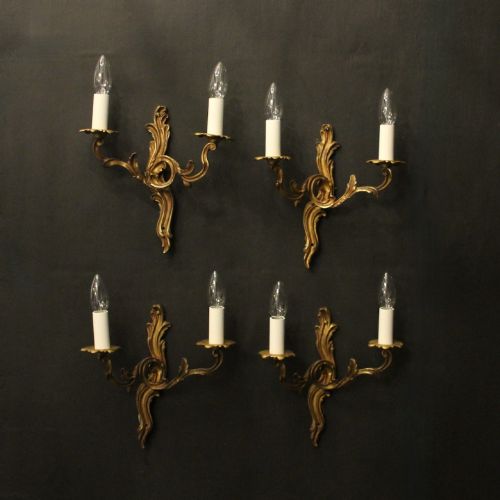
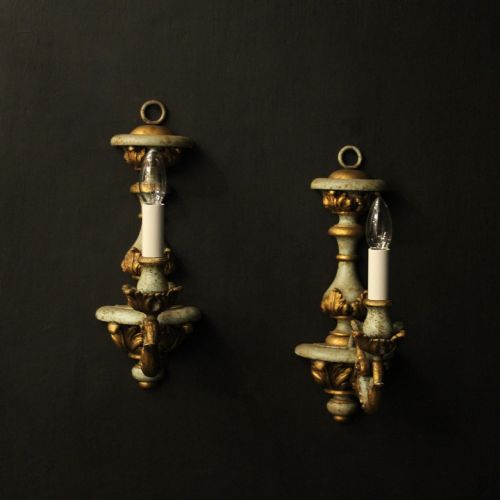
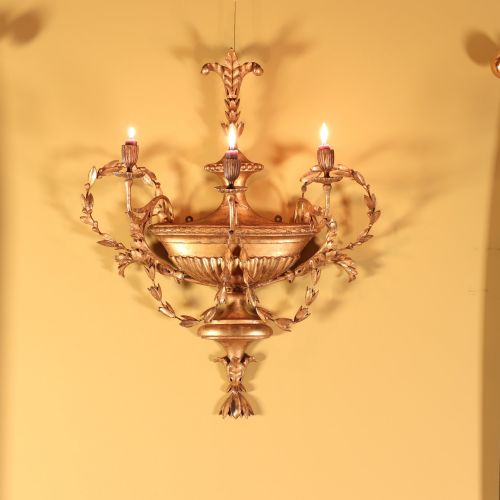
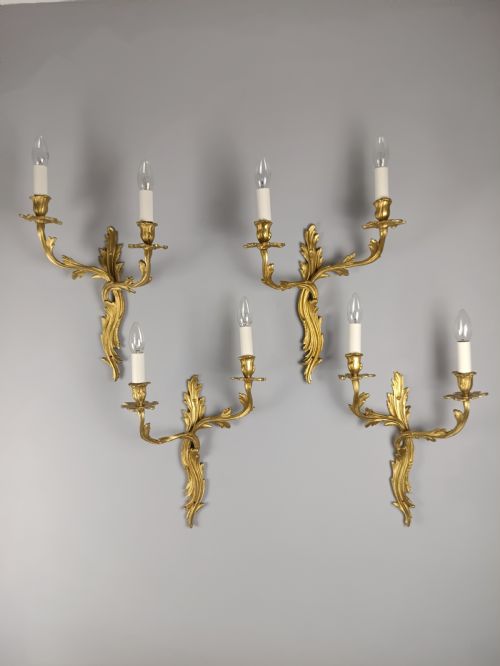
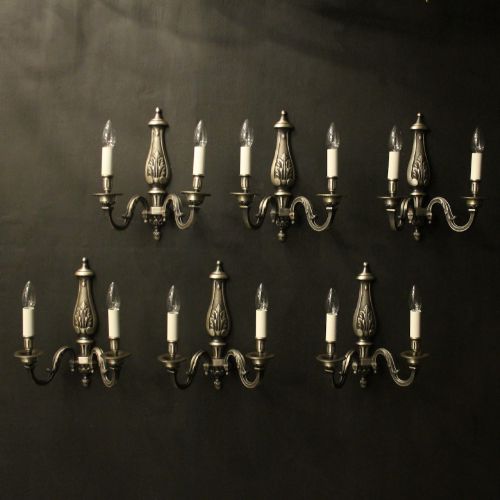
The selection ranges from George III carved wood examples and Victorian mahogany display ledges to Neoclassical giltwood and gesso pieces. Many items listed under this phrase encompass associated wall lighting and sconces designed in complementary classical idioms.
Origins stretch across English workshops and continental European centres, particularly France and Italy, where makers reinterpreted classical vocabulary for domestic interiors. These objects function equally as standalone architectural salvage and as functional furniture components for mirrors or busts.
Materials and Construction Techniques
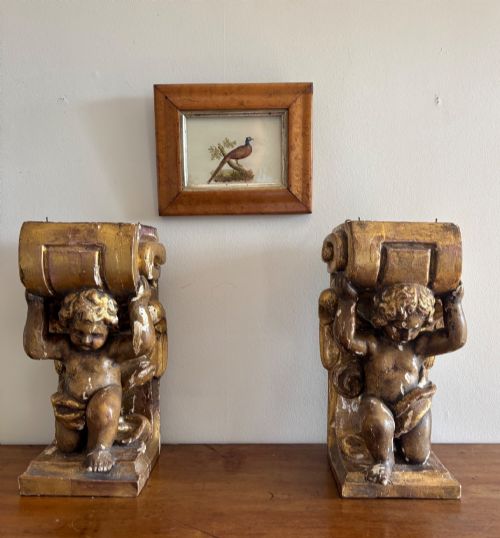
Carvers and gilders utilised timber such as mahogany alongside softwood bases, applying gesso layers to build crisp relief ornament before finishing with gold leaf or silver gilt. Ormolu, gilt bronze, and cast brass provide structural rigidity and intricate detail for metal wall brackets and associated sconces.
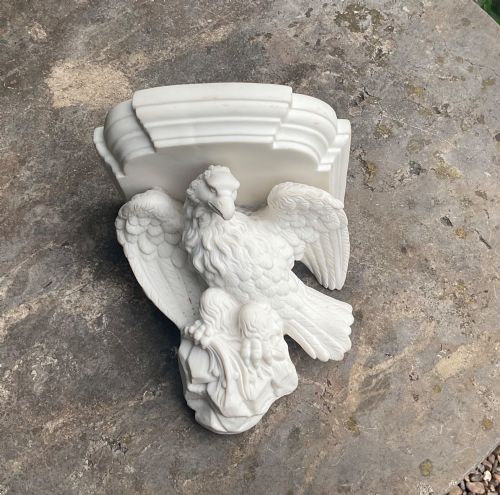
Plaster and parian feature in moulded corbels and sculptural bracket forms, capturing the smooth contours of classical drapery and figural elements. Joinery techniques rely on traditional pegging and blocking to ensure safe weight distribution when mounted to masonry or timber panelling.
Walter Scott stands permanently immortalised in plaster upon his library bracket, observing centuries of silent reading.
Distinctions in Quality
Depth and sharpness of hand carving dictate the aesthetic hierarchy, where crisp acanthus leaves and defined fluting separate superior items from softer, mechanically cast or worn pieces. The integrity of the original surface finish, whether aged gilding or patinated mahogany, determines historical value.
Proportion and architectural correctness reveal the hand of a skilled maker, ensuring the bracket balances visual weight against structural support. Heavier cast bronzes and densely carved timbers demonstrate superior craftsmanship compared to lighter, composite alternatives.
F. & C. Osler
The Classical Wall Bracket Glossary
- Corbel
- A projecting bracket of stone, wood, or plaster supporting a weight. These structural elements often feature scrolling classical motifs.
- Gesso
- A plaster mixture spread over a wood or canvas surface to prepare it for painting or gilding. It allows for intricate relief carving before the application of gold leaf.
- Ormolu
- Gilded bronze applied to furniture mounts and decorative objects. The technique involves mercury gilding to achieve a deep, enduring metallic lustre.
- Neoclassical
- A style reviving classical Roman and Greek forms, prevalent during the eighteenth and nineteenth centuries. It emphasises symmetry, straight lines, and classical orders.
- Console
- A bracket-shaped support fastened to a wall to hold a shelf or bust. They frequently incorporate scrollwork and acanthus ornamentation.
Classical Wall Bracket: Frequently Asked Questions
How do I mount a heavy wooden wall bracket safely?
Wall brackets require secure fixing into structural studs or masonry using appropriate wall anchors matched to the weight of the timber or bronze.
Professional installation ensures the architectural console remains level and stable when supporting display objects or lighting.
What is the difference between a bracket and a corbel?
A corbel is traditionally a solid projection from a wall, often functioning as a genuine structural support for a beam or mantel.
A bracket generally refers to a lighter projecting element designed to hold a shelf, bust, or wall light fixture.
How should I clean antique giltwood and gesso?
Gilt surfaces demand extreme care, using only a very soft, dry brush to remove dust without disturbing the delicate gold leaf layers.
Moisture and commercial cleaning products will strip historical gesso and ruin the underlying metallic finish.
Can these brackets support heavy display items?
Solid mahogany and heavy bronze brackets possess high load-bearing capacity, provided the wall fixing is secure.
Plaster and composite gesso pieces serve best for lighter decorative objects, portrait busts, or smaller wall lighting.