



Classical Style Bronze Figure
When you handle a classical style bronze figure, you hold centuries of mythology and antiquity rendered in metal.
Classical Style Bronze Figure
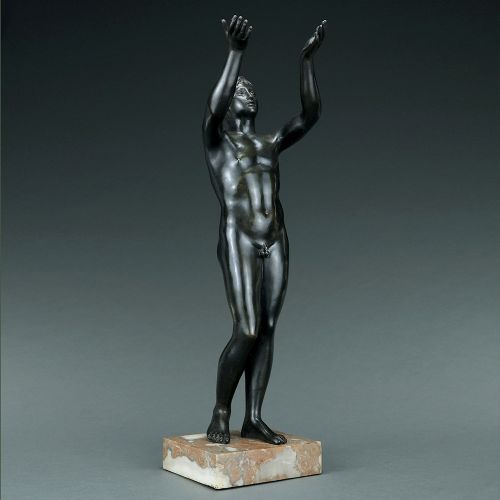
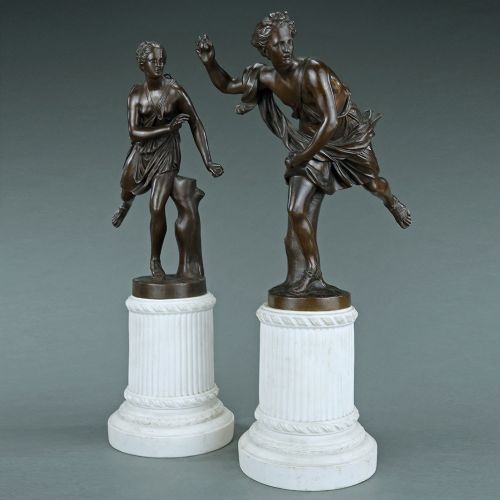
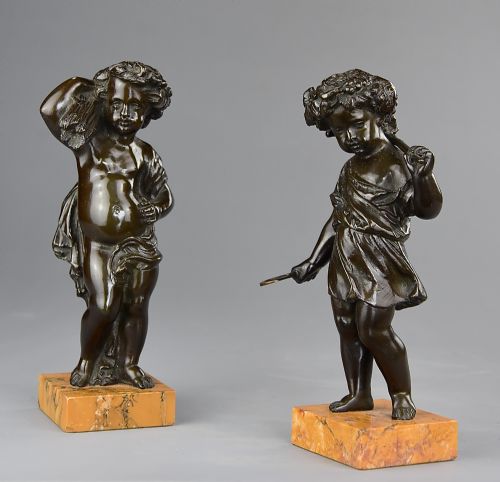
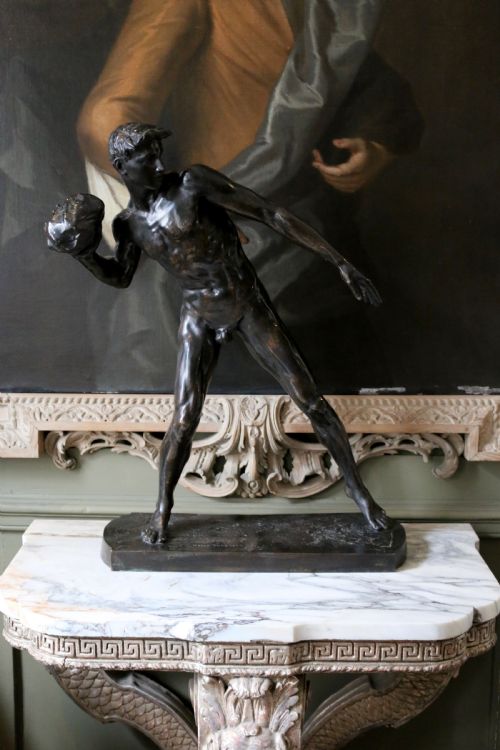
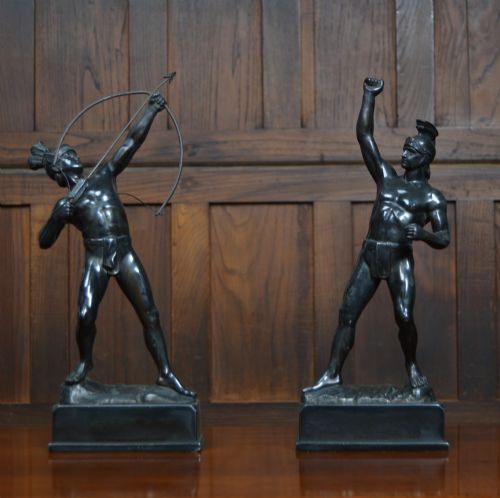
A classical style bronze figure draws directly on antique motifs, mythological subjects, and historical personages translated into sculptural form. You will frequently encounter these pieces framed by the nineteenth century, including Victorian adaptations and Grand Tour reductions of classical antiquities. Makers cast these works to bring ancient Roman and Greek ideals into domestic interiors through figures of deities, emperors, and putti.
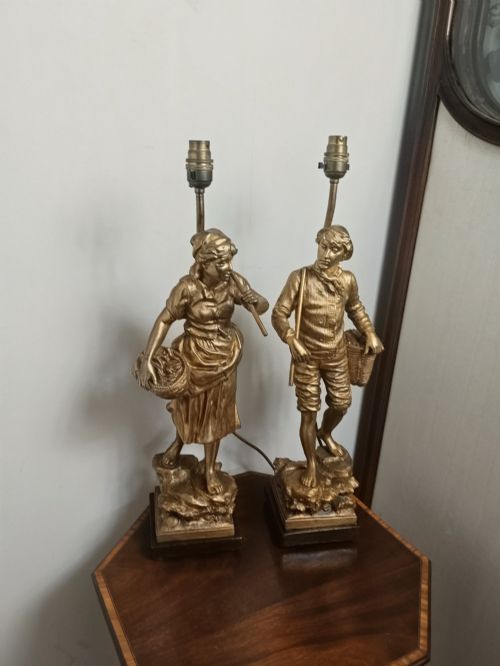
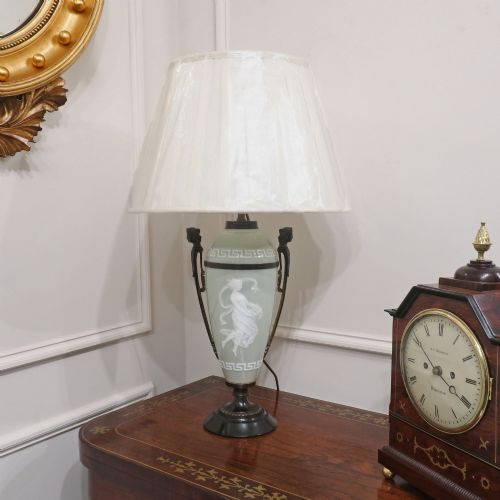
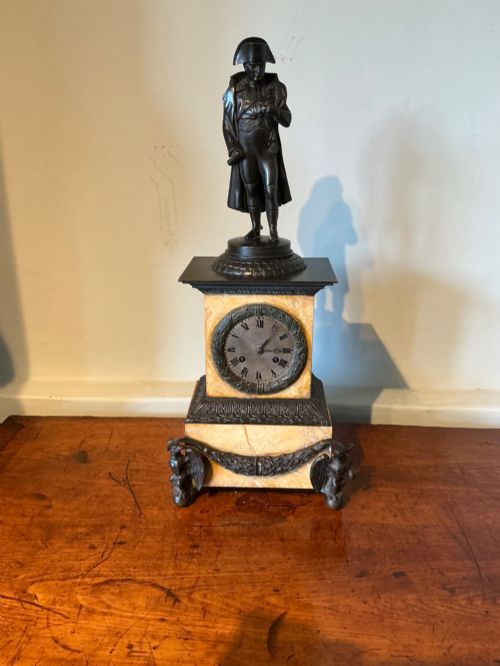
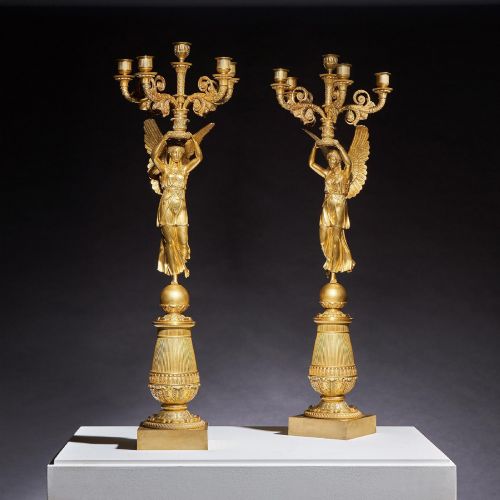
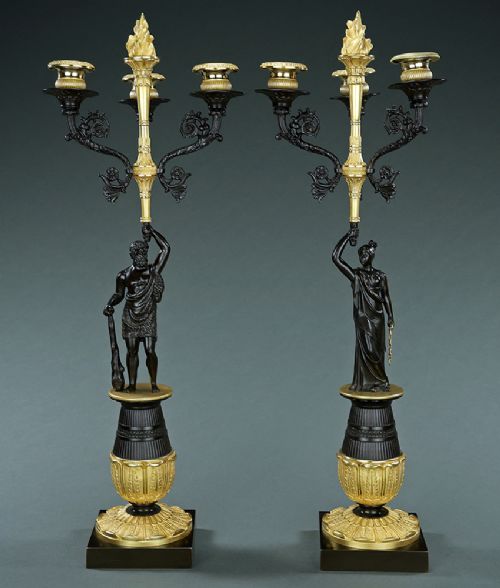
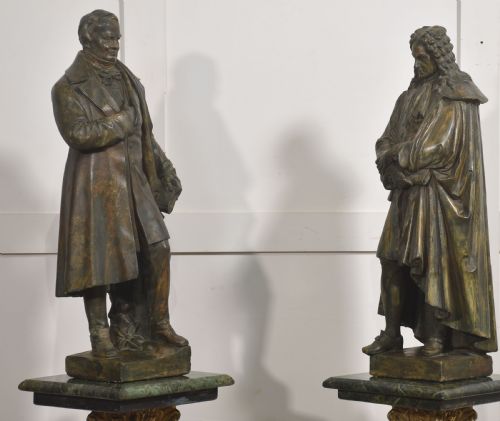
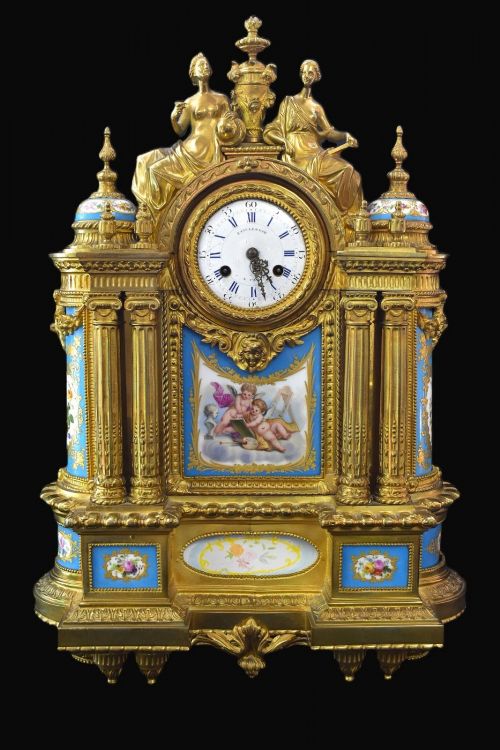
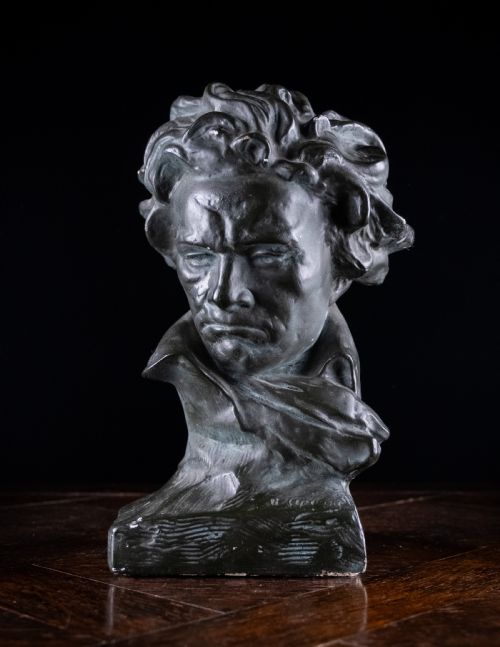
The physical forms vary widely across the selection, ranging from standalone statuettes and portrait busts to functional objects such as candelabra, mantel clocks, and table lamps. Figures often stand upon integrated marble plinths or bases that give stability and elevate the metalwork. Grand Tour reductions of famous statues like the Dancing Faun or the Berlin Adorante appear alongside allegorical representations of harvest and fortune.
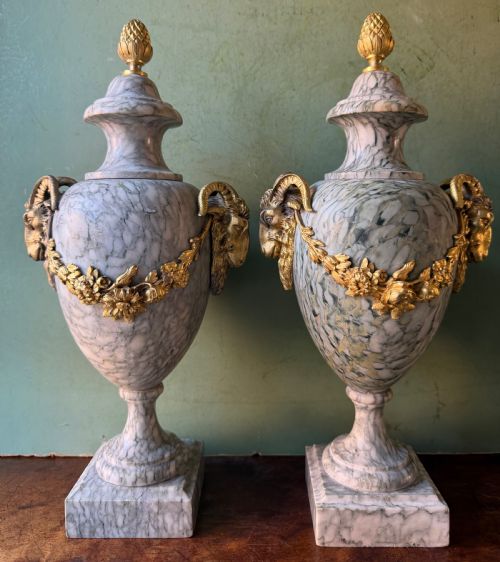
Makers working in the French Empire, Neoclassical, and Louis XVI styles dominated this output, combining classical drapery with precise metal casting. You will find that patinated bronze frequently pairs with ormolu, gilt bronze, or marble to create contrasting textures and tones. These varied objects demonstrate how nineteenth-century workshops reinterpreted classical antiquity for contemporary patrons.
How they were made
Many figures integrate other media such as white marble bases, ormolu mounts, and porcelain elements to enhance the visual weight and colour contrast. Workshops also employed alternative materials like spelter, plaster, and terracotta when producing more accessible sculptural figures and portrait busts.
Classical Style Bronze Figure Retail Price Guide 2026
Typical asking prices for classical style bronze figure among the pieces listed under this phrase on Sellingantiques today, from the lower quarter to the upper quarter. They describe what is for sale here now, not the wider market.
Object types include sculptures, table lamps, mantel clocks, candelabra, busts, and centrepiece bowls styled in Neoclassical, French Empire, and Art Deco designs.
What varies in quality
The crispness of the chasing and the depth of the patina separate standard castings from exceptional studio productions. Finer pieces retain sharp definition in fingers, facial expressions, and ornamentation without soft edges or obscured details.
The choice of supplementary materials dictates the overall calibre of the object, as seen in heavy statuary marble plinths and fire-gilded ormolu rather than painted substitutes. Signed works by documented founders and sculptors demonstrate superior artistic execution and finishing.
Maurice Giraud-Rivière·Barbedienne·Claude Michael Clodion·E Rousseau·Pierre Philippe Thomire·Hamo Thornycroft·Dopmeier·Etienne Lenoir·Lerolle Fres·Emile Louis Picault·Ferdinando de Luca·Aspetti
The Classical Style Bronze Figure Glossary
- Grand Tour
- A nineteenth-century tradition where travellers collected miniature bronzes and souvenirs of classical sculptures from Italy. These reductions brought famous antiquities into European homes.
- Ormolu
- Gilt bronze created by applying a mercury and gold amalgam to a bronze base and heating it. This technique produced a rich, durable golden surface seen on clocks and candelabra.
- Patinated bronze
- Bronze treated with chemical solutions to produce a controlled surface colour, typically dark brown, green, or black. This finish accentuates sculptural contours and reduces glare.
- Spelter
- A zinc alloy commonly used as a cost-effective substitute for bronze in nineteenth-century figures. It is softer than bronze and often given a bronze-like finish.
- Putto
- A plump, winged infant figure derived from classical art, frequently appearing in pairs on candelabra and mantel clocks. These figures often symbolise allegorical themes like harvest or love.
Classical Style Bronze Figure: Frequently Asked Questions
What is a Grand Tour bronze?
A Grand Tour bronze is a nineteenth-century miniature reproduction of a famous classical sculpture collected during European travels. These pieces allowed collectors to display iconic museum statues in their private libraries and studies.
Foundries in Italy and France produced these reductions in bronze and patinated metal, often mounting them on marble plinths. They serve as tangible records of nineteenth-century taste and classical scholarship.
How do I tell bronze from spelter?
Bronze is heavier, harder, and colder to the touch than spelter, with a resonant metallic ring when tapped gently. Spelter is a softer zinc alloy that often shows minor surface fatigue or a flaking finish.
Underneath a worn patination, spelter reveals a greyish-white metal, whereas bronze displays a warm golden-brown copper alloy. You can also examine the underside or screw fittings for clues regarding the metal composition.
Where were these figures displayed historically?
Nineteenth-century interiors featured these figures on mantelpieces, library desks, and centre tables alongside clocks and candelabra. They functioned as decorative centerpieces that signalled the owner's classical education and refined taste.
Paired figures often flanked a central clock or mirror to create symmetrical arrangements on salon mantel shelves. Smaller statuettes rested safely within glass display cabinets or on dedicated pedestals.
What periods do these figures date from?
The majority of these pieces date from the nineteenth century, encompassing the Victorian era, Napoleon III period, and the height of the Grand Tour. You will also encounter twentieth-century interpretations influenced by Art Deco and neoclassical revivals.
Earlier eighteenth-century styles heavily inspired these later nineteenth-century castings, leading to frequent revivals of Louis XVI and French Empire designs. Makers continued to utilise classical motifs well into the twentieth century.