








Silver Dancer Figurine
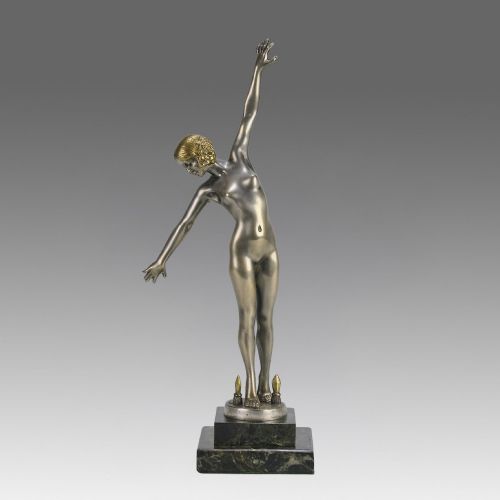
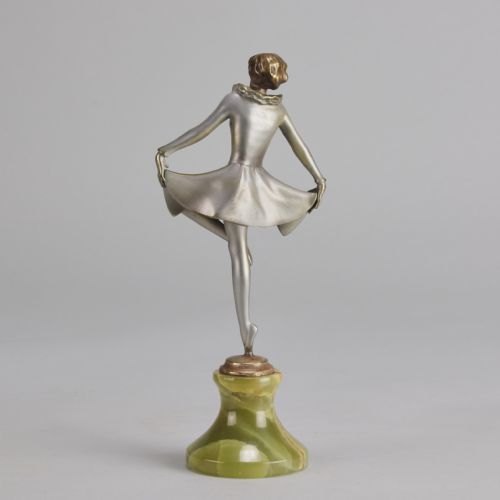
These silver dancer figurine sculptures capture the dynamic energy of the Art Deco period through metalwork mounted on stone.
Silver Dancer Figurine
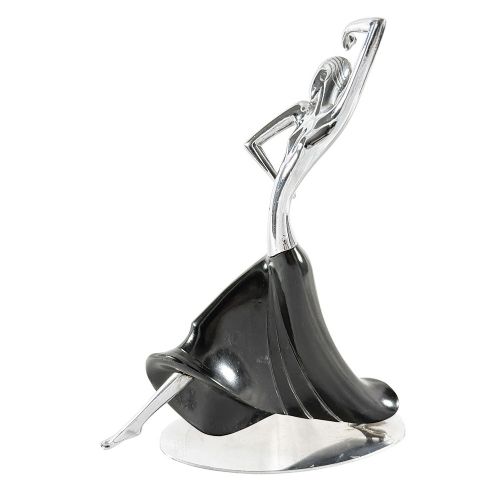
A silver dancer figurine represents the movement and fashion of the early twentieth century, specifically through the lens of Art Deco design. These sculptures depict women dancing, balancing, or posing with scarves and garlands.
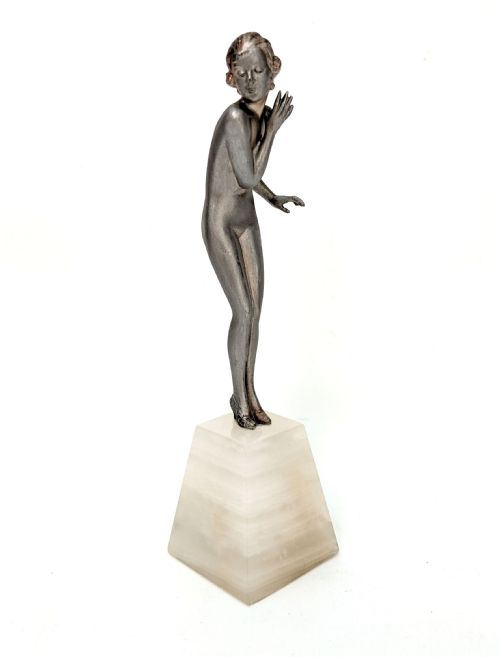
Most examples found here combine metal figures with heavy stone bases such as marble or onyx. The subjects range from named dancers to stylised figures created by prominent artists of the nineteen-twenties and nineteen-thirties.
Buyers will encounter both cold-painted bronze and silvered bronze pieces alongside alternative metals like spelter and chrome plate. These variations reflect the different price points and production methods available during the period.
Materials and methods
The finished metal sculptures were mounted onto architectural bases made of marble or onyx, sometimes incorporating materials like wood or glass. This combination provided stability for dynamic, outstretched poses and added visual contrast to the metalwork.
Silver Dancer Figurine Retail Price Guide 2026
Typical asking prices for silver dancer figurine among the pieces listed under this phrase on Sellingantiques today, from the lower quarter to the upper quarter. They describe what is for sale here now, not the wider market.
Several dancers balance precariously on dice or stretch their arms outward, freezing mid-performance in enduring metal.
Quality factors
The distinction between superior and standard pieces lies in the crispness of the casting and the preservation of the original cold-painted or silvered surface. Finer sculptures retain sharp details in the hands, face, and drapery.
The choice of base material and the integration between the figure and its plinth also signal quality. Heavy, variegated marble or onyx bases matched to substantial bronze castings represent the higher tier of production.
Maurice Giraud-Rivière·Josef Lorenzl·Pierre Le Faguays·Claire Jeanne Roberte Colinet·Demetre Chiparus
The Silver Dancer Figurine Glossary
- Cold-painted bronze
- A technique where bronze figures are painted with oil-based paints after casting, rather than being fired in a kiln. This finish is susceptible to flaking over time if handled improperly.
- Spelter
- An alloy of zinc and lead used as a cheaper alternative to bronze in many figures. It is softer and lighter than bronze.
- Art Deco
- A design style of the 1920s and 1930s characterised by stylised forms, geometric shapes, and a focus on modern movement. It heavily influences the posture and clothing of these dancers.
- Silvered bronze
- Bronze that has been treated with a silver coating to give the appearance of solid silver. This finish reflects light across the dynamic lines of the dancer's pose.
Silver Dancer Figurine: Frequently Asked Questions
Which time period do these sculptures come from?
These figures originate from the early twentieth century, specifically spanning the nineteen-twenties and nineteen-thirties. This era is defined by the height of the Art Deco movement.
The aesthetic reflects the fashion, modern dance, and streamlined artistic styles of that specific interwar period. Dating is typically established through the maker, the casting style, and the materials used.
How were these figures displayed originally?
These sculptures were designed as decorative cabinet or mantel pieces for affluent interwar interiors. Their primary purpose was to showcase modern artistic tastes and a fascination with contemporary dance.
Because they feature detailed metalwork and stone bases, they were placed on prominent surfaces where they could be viewed from multiple angles. The sturdy marble or onyx plinths ensured the figures remained stable.
How do I care for a cold-painted bronze dancer?
Cold-painted bronze requires careful handling to protect the delicate enamel or oil-based paint surface from chipping or wear. Dust the piece gently with a soft, dry brush and avoid liquid cleaners.
Keep the sculpture away from direct sunlight and high humidity to prevent the paint from fading or flaking. The marble or onyx base can be wiped with a slightly damp cloth if needed.