
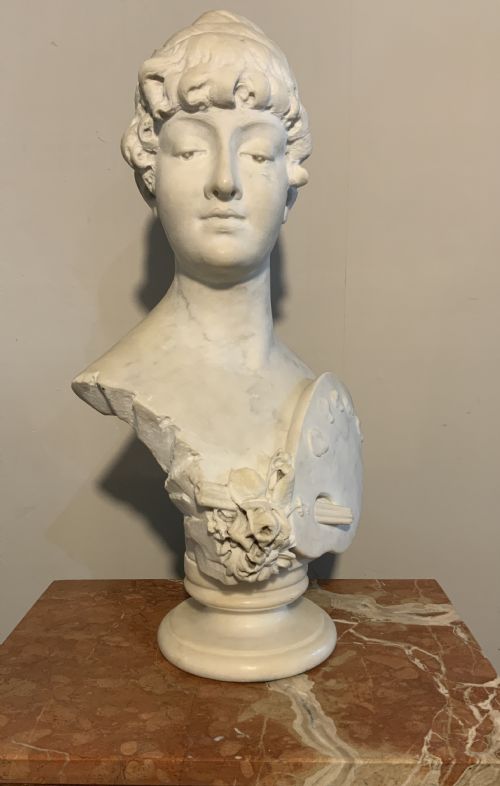
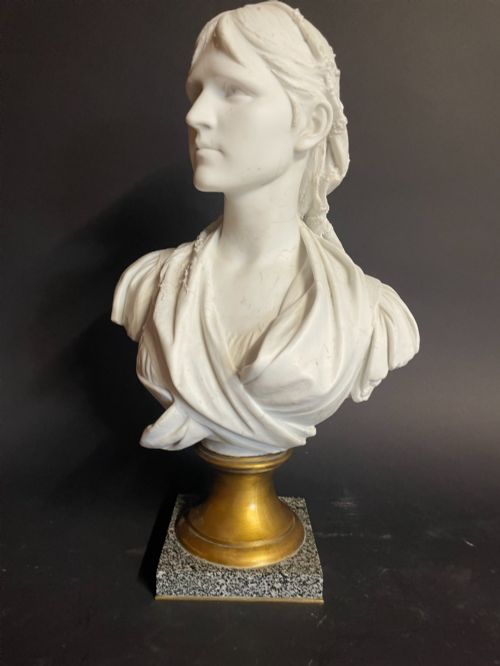

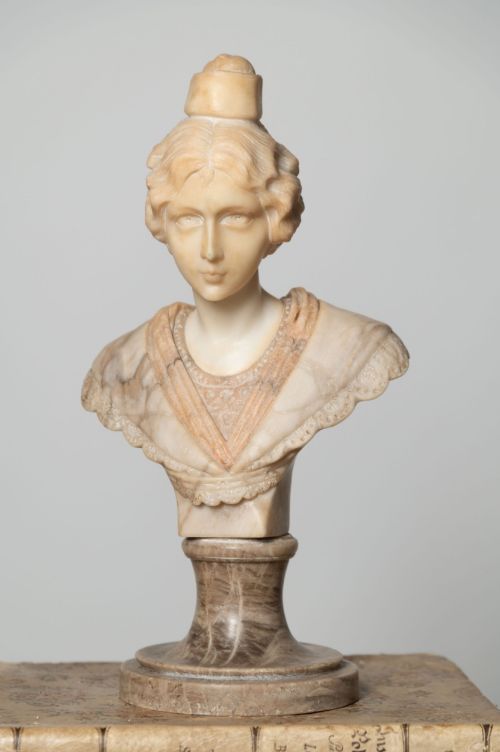
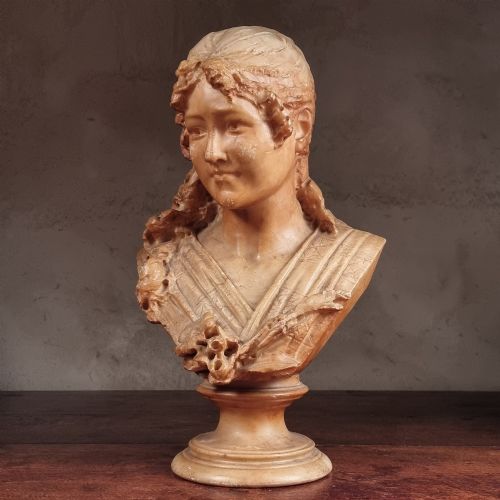



Classical Stone Portrait Bust
A classical stone portrait bust brings the gravity of history into a room, carved from marble or alabaster to capture statesmen, emperors, and philosophers.
Classical Stone Portrait Bust
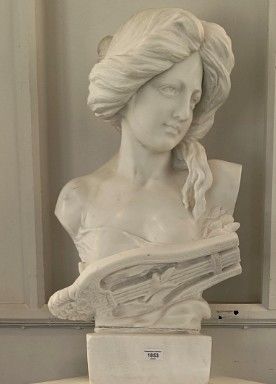
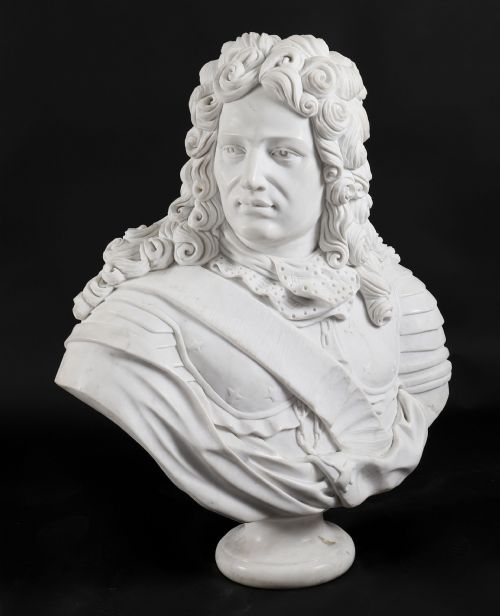
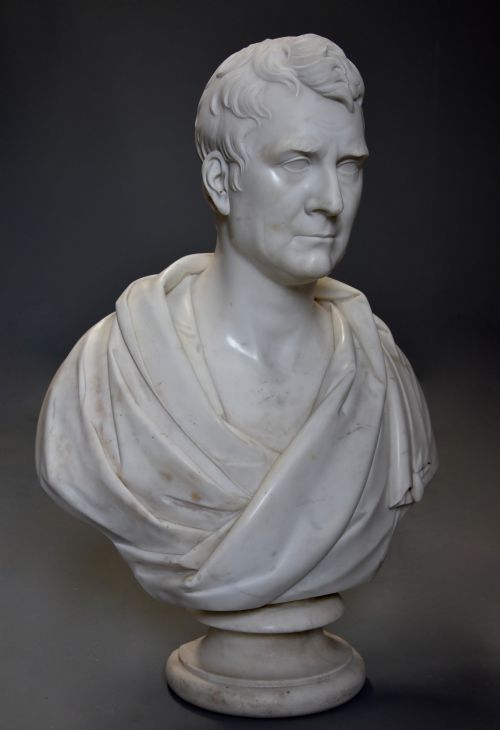
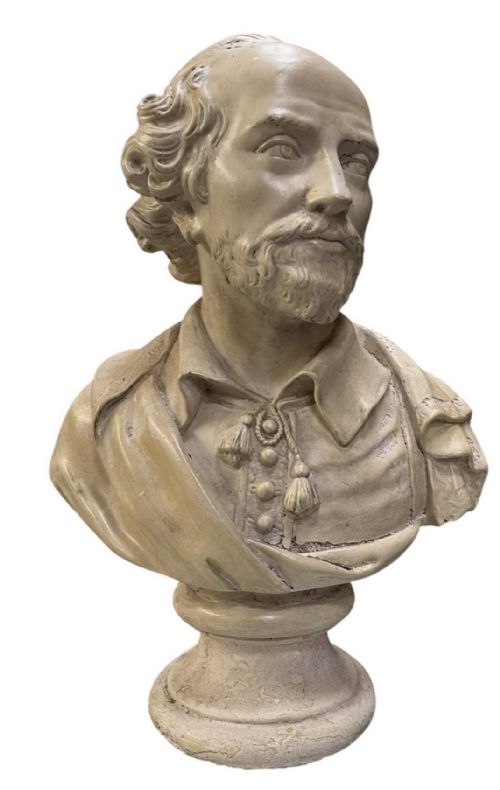
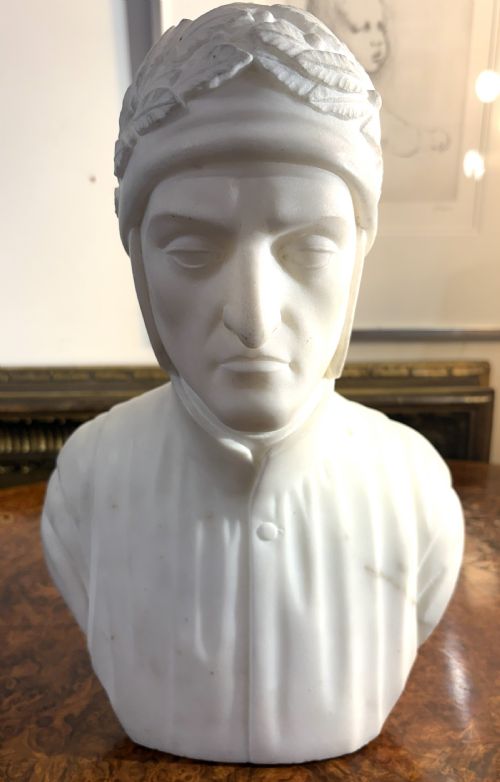
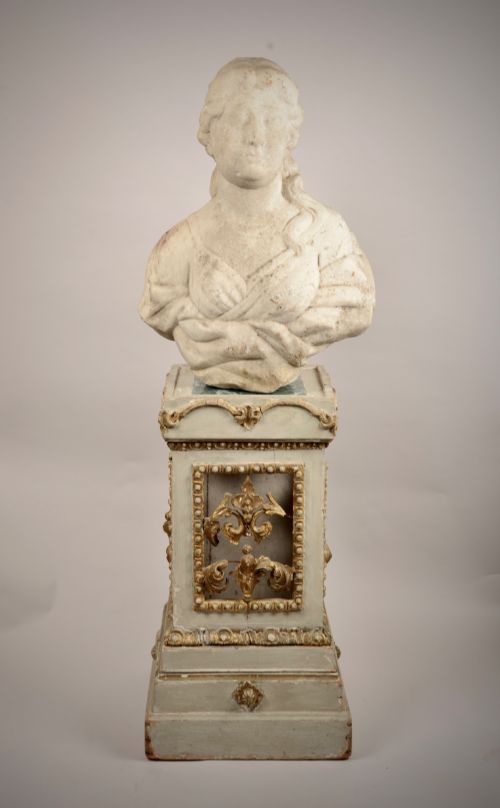
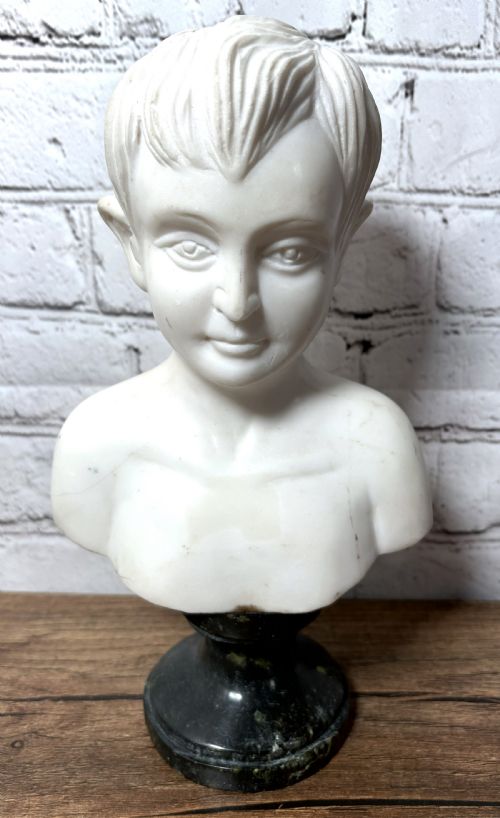
A classical stone portrait bust represents historical figures, nobility, and literary icons, drawing on Neoclassical, Victorian, and Baroque traditions. These sculptures range from monumental civic depictions to library-scale studies designed for domestic interiors.
The materials span white marble, Carrara marble, and alabaster, alongside occasional works in plaster, terracotta, and stone. Subjects include Roman emperors, Dante, Shakespeare, and anonymous noblemen, women, and children.
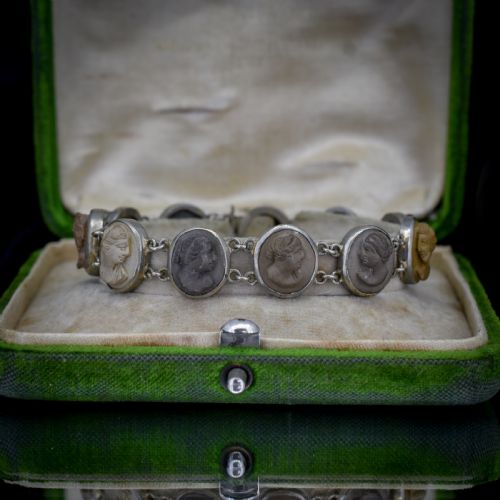
Most examples originate from the 19th century, with notable representation from the 18th century, the 17th century, and early decades of the 20th century. Forms include freestanding portrait busts, relief plaques, and occasional souvenir cameos.
Materials and Techniques
Sculptors carved these pieces directly from blocks of stone, utilising marble, alabaster, and harder stones to achieve smooth facial contours and textured drapery. Carrara marble was frequently selected for its fine grain and consistent white appearance.
Plaster was also utilised for detailed studio models and reductions, while some smaller works incorporate mixed marbles or mounted elements. Carving techniques relied on chisels, rasps, and abrasive powders to polish surfaces to varying degrees of matte or gloss finish.
Even stone gentlemen occasionally require a light dusting behind the ears.
Factors of Quality
Quality rests in the anatomical precision of the carving, particularly in the rendering of facial expression, hair texture, and the fall of fabric across the shoulders. A master carver achieves lifelike depth in the eyes and subtle tension in the musculature.
The choice of material dictates baseline quality, with fine-grained Carrara marble or unblemished alabaster holding sharper detail than coarser stones or standard plaster. Signed works by recorded sculptors demonstrate superior execution in proportion and finish.
J Francis·Raffaelo Monti·John Wenlock Rollins·Mieczyslaw Leon Zawiejski·Auguste Moreau
The Classical Stone Portrait Bust Glossary
- Carrara marble
- A type of white or blue-grey marble quarried in the city of Carrara in Tuscany, Italy. It is prized for its purity and historic use in classical sculpture.
- Neoclassical
- A Western cultural movement drawing on the art and culture of classical antiquity. It manifests in these busts through balanced proportions, heroic subjects, and Roman attire.
- Grand Tour
- A traditional trip of Europe undertaken by upper-class European young men of sufficient means. Souvenirs from these journeys included carved marble busts and relief plaques.
- Alabaster
- A fine-grained, translucent stone often used for smaller sculptural works. It allows light to penetrate slightly beneath the surface, giving a soft glow to carved skin.
- Herm
- A sculptural pillar terminated above by the head, shoulders, or bust of a figure. Originating in ancient Greece, this form provides a sturdy architectural base for portrait heads.
Classical Stone Portrait Bust: Frequently Asked Questions
What periods do these busts come from?
The pieces span several centuries, with the majority originating in the 19th century alongside examples from the 17th, 18th, and early 20th centuries.
Stylistic influences range from Baroque revival and Neoclassical to Victorian classical and Art Nouveau aesthetics.
How should I display a marble bust?
These sculptures require a stable surface such as a heavy sideboard, library table, or a dedicated pedestal and torchere to support their substantial weight.
Placement should avoid direct sunlight and rapid temperature changes to protect the stone and any polished finishes.
Are all these pieces made of marble?
While marble and Carrara marble are the most common materials, the selection also includes alabaster, general stone, plaster, and terracotta.
Some pieces incorporate mixed marbles or feature patinated wooden elements depending on the workshop and period.
How do I identify the subject of a bust?
Subjects are often identified by inscribed names on the plinth, accompanying historical attributes, or distinct iconography such as Roman armour, laurel wreaths, or period literary garb.
Well-documented historical figures, philosophers like Dante, and mythological characters such as Juno or the Muses appear frequently.