


19th Century Alabaster Bust
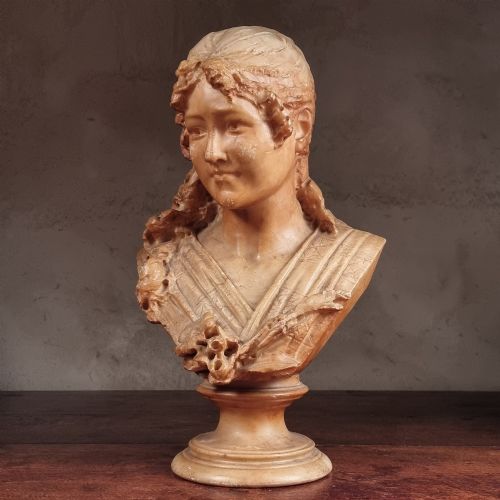
A 19th century alabaster bust captures the smooth translucency and classical dignity of European portraiture, offering a refined focal point for any interior.
19th Century Alabaster Bust
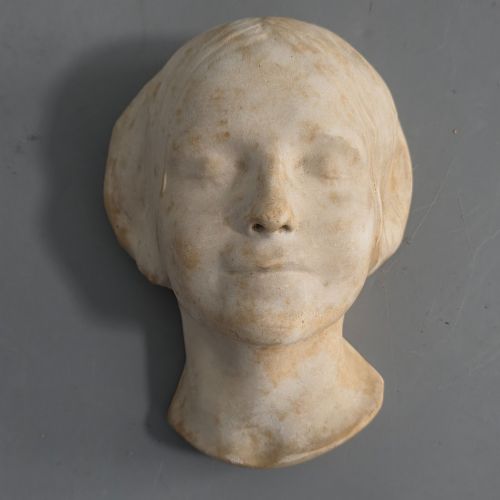
When you search for a 19th century alabaster bust, you encounter sculpted portraits, mythological figures, and classical profiles carved during the nineteenth century. These works frequently draw upon neoclassical, Victorian, and Art Nouveau aesthetics, ranging from small Grand Tour souvenirs to substantial signed Italian gallery pieces.
The selections available here span portraits of young women, literary subjects like Dante and Virgil, and mythological deities such as Apollo and Venus. Alongside traditional freestanding portrait sculptures, you may encounter profile wall plaques and column stands designed to elevate them.
Originating predominantly from Italian and French workshops, these sculptures demonstrate the enduring European fascination with classical antiquity and romantic ideals. They serve as tactile reminders of nineteenth-century artisanal skill, often utilising soft stone to render lifelike flesh tones and draped garments.
How they were made
Sculptors shaped these pieces primarily from alabaster and marble, using hand-chiselling and polishing techniques to achieve a smooth, luminous finish. The relative softness of alabaster allowed artisans to carve intricate facial expressions, flowing hair, and delicate fabric folds with remarkable precision.
Certain works combine carved stone with mahogany bases, spelter, or bronze finishes to provide structural support and textural contrast. Signatures and titles were frequently incised directly into the stone by the maker or workshop before the piece left the studio.
One young girl carved in stone forever keeps company with a lyre-playing maiden and the poets Dante and Virgil.
What varies in quality
The finesse of the carving dictates the distinction between standard decorative items and masterworks. Superior examples display subtle facial modelling, realistic drapery, and careful attention to anatomical proportions rather than rigid, mechanical symmetry.
The choice of material and the clarity of the stone also influence the character of each sculpture. Uniformity in the alabaster grain and the absence of heavy staining elevate the visual harmony of the finished portrait.
Mieczyslaw Leon Zawiejski·R. Lusili·A. Cipriani
The 19th Century Alabaster Bust Glossary
- Alabaster
- A fine-grained, translucent stone that is relatively soft to carve, often used for classical sculptures and decorative plaques. Its natural light-transmitting properties give carved skin a remarkably lifelike glow.
- Grand Tour
- A cultural journey undertaken by wealthy young Europeans in the nineteenth century, resulting in the acquisition of portable art like small-scale alabaster busts. These souvenirs were chosen to display the owner's classical education and refined taste.
- Neoclassical
- An artistic style inspired by the art and culture of ancient Greece and Rome, prevalent throughout the nineteenth century. It emphasises balanced proportions, dignified restraint, and heroic subject matter.
- Spelter
- A zinc alloy frequently utilised as a more affordable alternative to bronze for nineteenth-century figures and mounts. It is often given a bronze finish to mimic heavier metal work.
- Profile plaque
- A flat-backed relief carving showing a subject from the side rather than in the round. These wall-hanging pieces often depict historical or literary figures.
19th Century Alabaster Bust: Frequently Asked Questions
Where were these sculptures made?
Many of these pieces originated in Italian and French workshops, reflecting the artistic centres of nineteenth-century Europe.
Italian carvers frequently produced works for the export market and Grand Tour travellers, while French studios often favoured romantic or allegorical subjects.
How do I display a bust?
These sculptures require a stable surface away from direct sunlight and moisture to protect the soft stone. Placing them on dedicated columns or sturdy mantelpieces ensures they receive adequate structural support.
Good ambient lighting highlights the translucent quality of the alabaster and brings out the finer details of the carving.
What is the difference between alabaster and marble?
Alabaster is softer than marble and possesses a distinct translucency that allows light to penetrate just beneath the surface. This property gives carved skin tones a warm, lifelike quality not typically found in harder stones.
Marble is harder, denser, and less soluble in water, making it suitable for both indoor and outdoor architectural applications.