
Classical Statue Bust
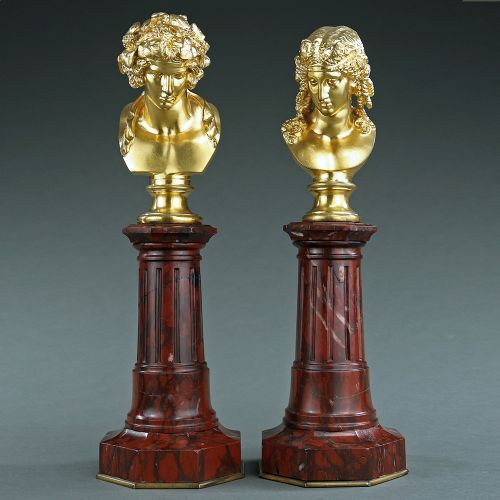
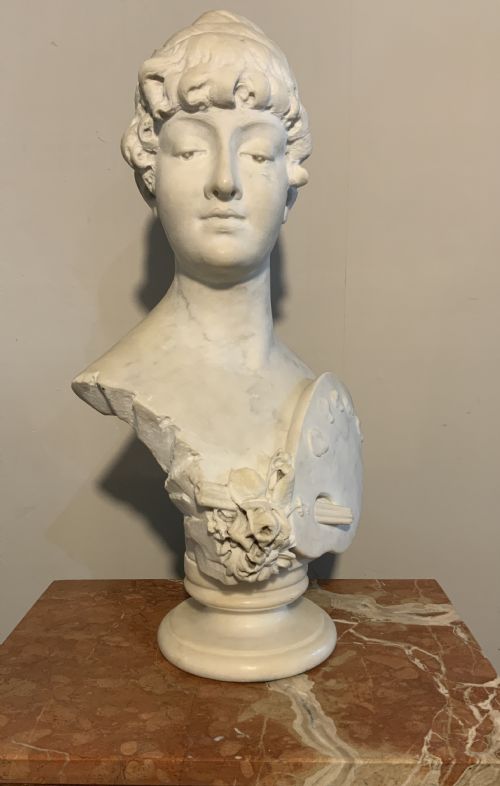
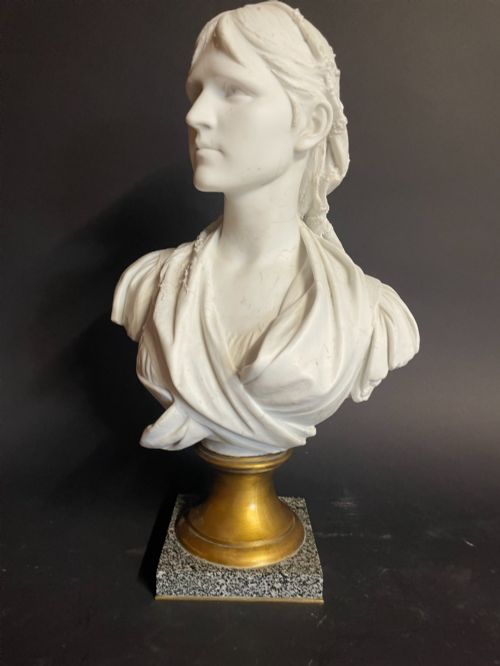
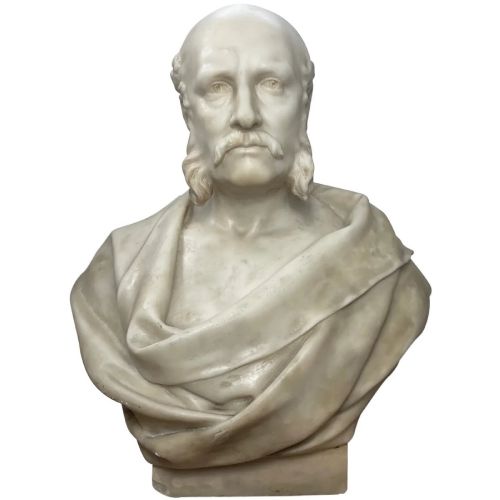
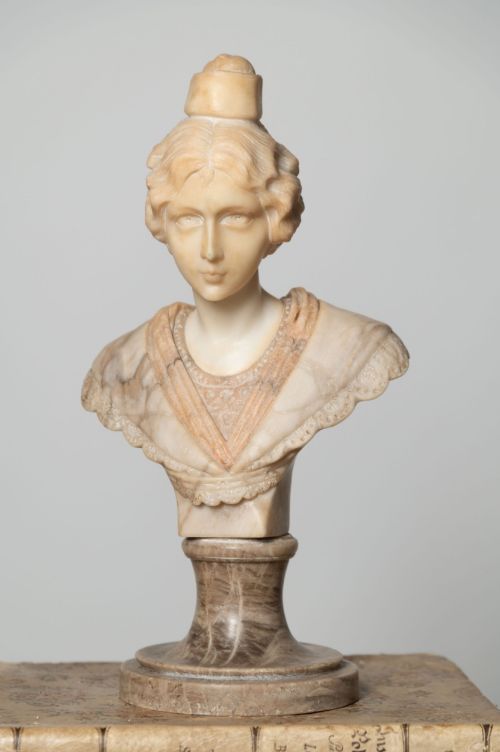
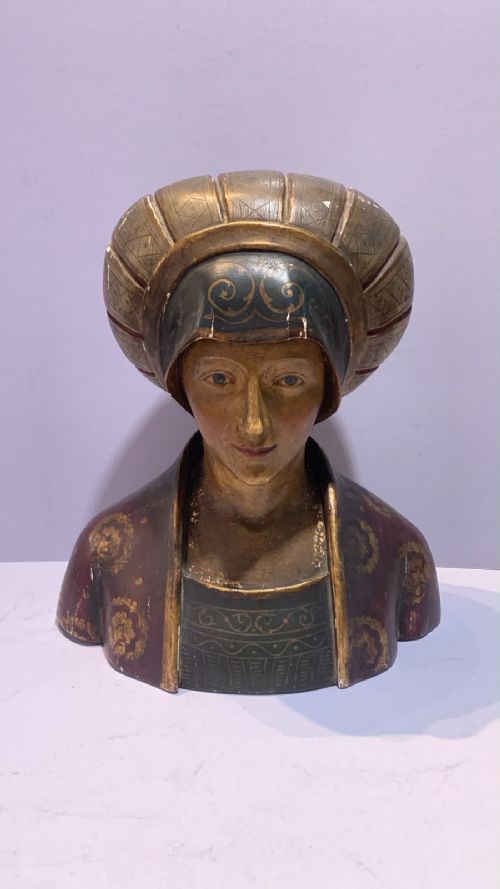
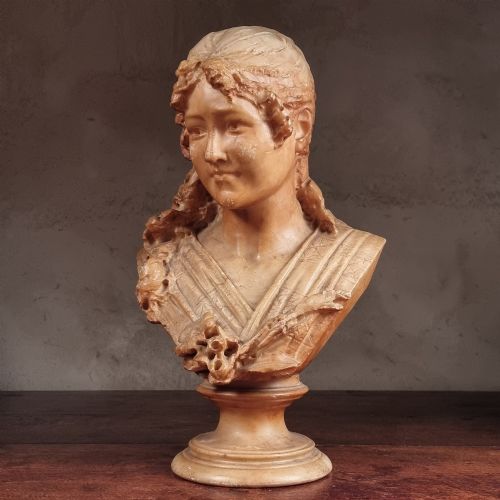
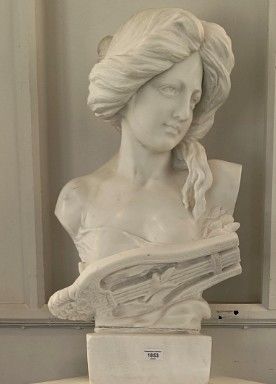
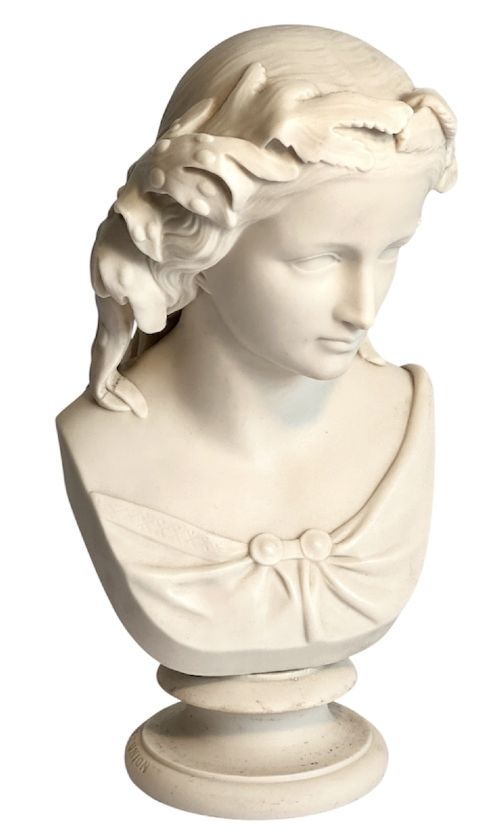
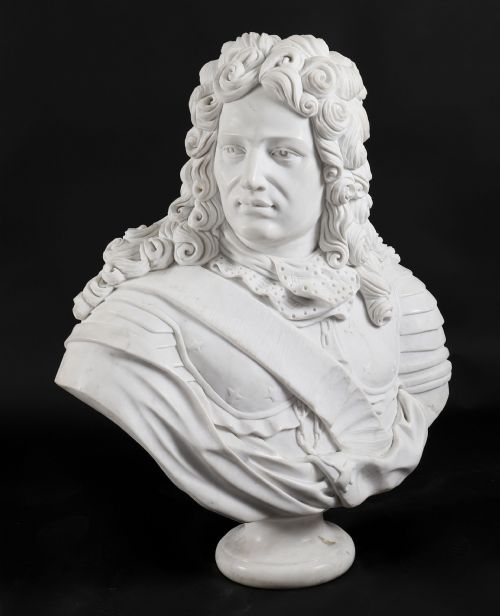
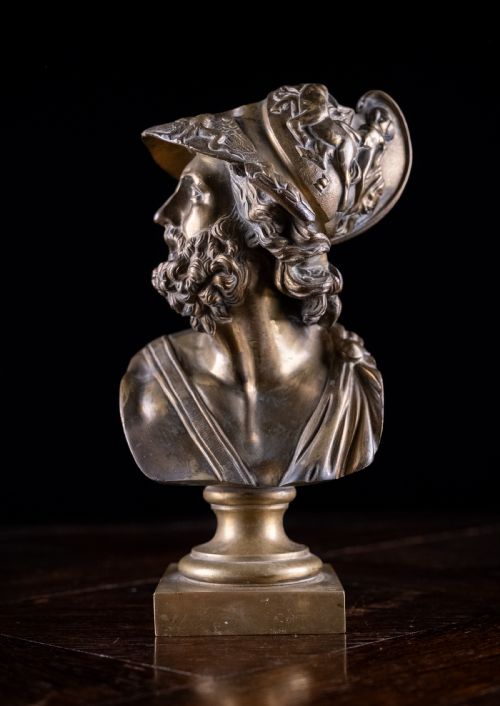
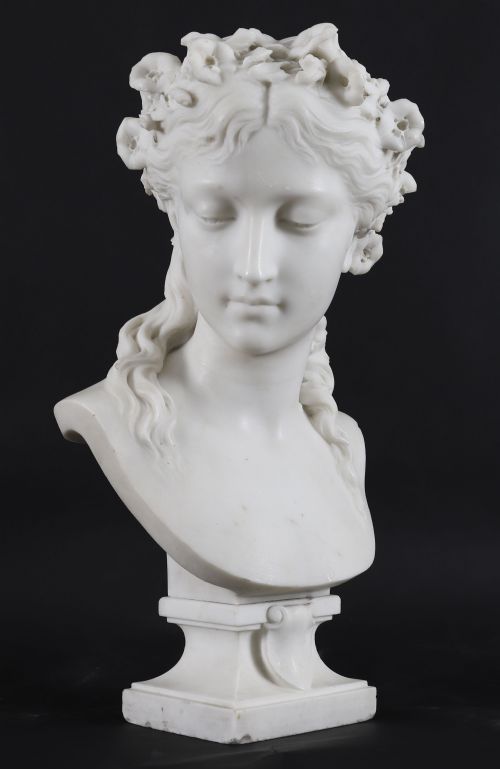
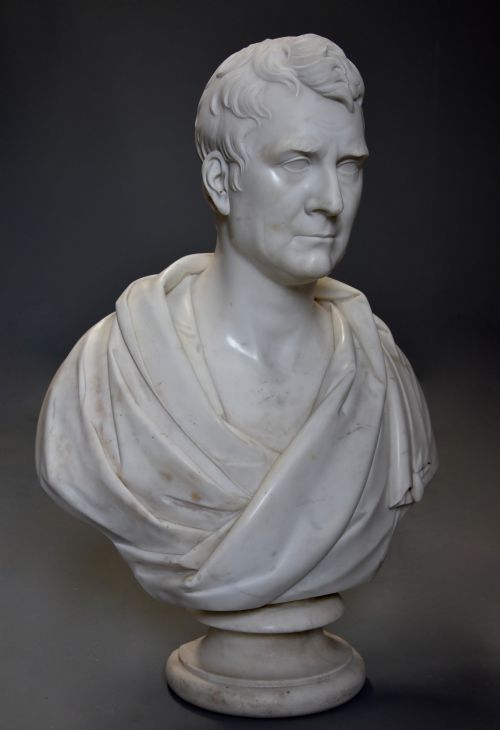
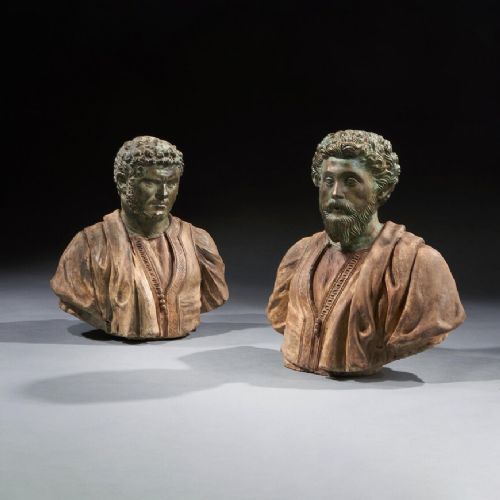
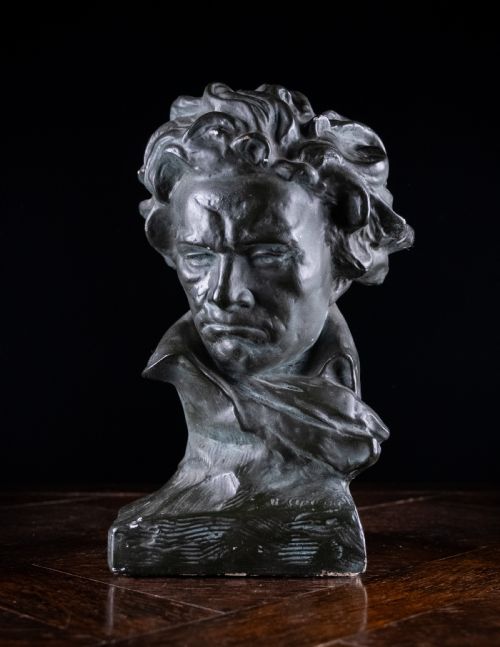
A classical statue bust brings the presence of antiquity and mythology directly into a room, fashioned from marble, bronze, alabaster and plaster.
Classical Statue Bust
When you examine a classical statue bust, you encounter sculptural portraits of historical figures, mythological deities, literary icons and nobility. These pieces range from grand civic monuments down to library-scale studies intended for domestic display.
The selections span the nineteenth century into the twentieth century, capturing revivals from neoclassical and baroque movements alongside Grand Tour souvenirs. You meet subjects such as emperors, muses, composers and local dignitaries rendered with traditional dignity.
Italian and French ateliers produced many of these works, utilising durable media to echo ancient Greek and Roman ideals. Such pieces function as focal points on pedestals, desks and mantelpieces.
Materials and sculptural technique
Sculptors carved Carrara marble and alabaster directly from the block, deploying chisels and rasps to achieve subtle facial expressions and flowing drapery. Alabaster offers a translucent warmth, while marble provides a crisp, enduring surface.
Bronze works rely on the lost-wax casting technique, often finished with patination or gilding to enhance the metallic texture. Plaster and terracotta pieces involve moulding and modelling, capturing immediate gesture before drying or firing.
Among the emperors and muses sit beloved domestic pets and local worthies, proving that Victorians wanted Caesar and their favourite family dog on the same mantelpiece.
Assessing sculptural execution
Quality rests in the anatomical precision of the carving or casting, particularly around the eyes, hands and musculature. Superior examples display careful attention to hair texture, expression and the natural fall of garments.
The inclusion of a signature, foundry mark or attribution to a known sculptor elevates a piece from a commercial souvenir to an accomplished work of art. The choice of base, whether veined marble or contrasting stone, also contributes to the overall presence.
Eugene Aizelin·J Francis·Raffaelo Monti·R Mattei·Georges-Charles Coudray·Giuseppe Moretti
The Classical Statue Bust Glossary
- Neoclassical
- A style originating in the mid-eighteenth century that draws inspiration from the classical art and culture of ancient Greece and Rome. It emphasises austere lines, heroism and restrained emotion.
- Grand Tour
- A traditional trip through Europe undertaken by upper-class Europeans, particularly in the nineteenth century, to study classical antiquities. Travellers frequently acquired smaller busts and bronzes as mementos.
- Parian ware
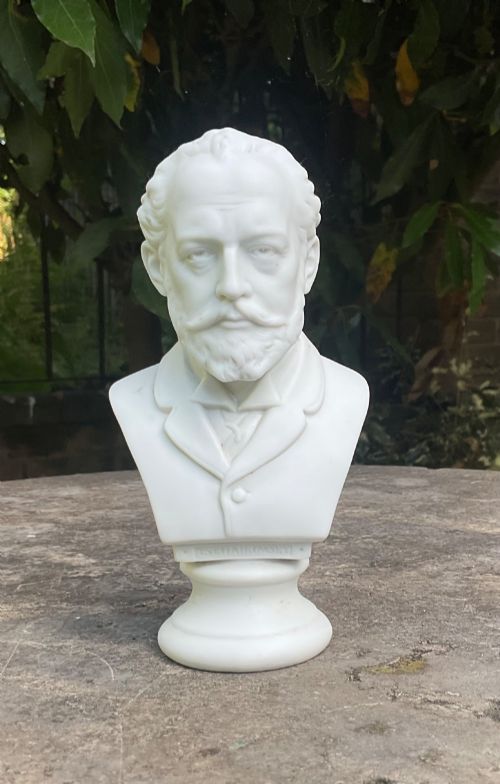
- A type of fine biscuit porcelain developed in the nineteenth century that resembles carved marble. It gained popularity for portrait busts due to its smooth, matte finish.
- Patination
- The surface coloration or sheen developed on bronze through age or chemical treatment. Artists manipulate this process to accentuate depth and shadow.
- Terracotta
- Fired clay used for sculptural models and finished portraits. Its warm, earthy tone offers a direct record of the artist's initial modelling touch.
Classical Statue Bust: Frequently Asked Questions
How do I clean a marble bust?
Dust the surface regularly with a soft, dry cloth to prevent particulate accumulation.
Avoid using water, soap or chemical cleaners, as these can penetrate porous stone or damage historic patinas.
What is Parian ware?
Parian ware is a fine biscuit porcelain designed to imitate carved marble.
Victorian manufacturers utilised this ceramic body to produce affordable portrait busts of literary figures and royalty.
How were Grand Tour busts displayed?
Travellers returning from Europe placed these small sculptures on libraries, desks and mantelpieces.
They served as tangible evidence of classical education and cultural refinement.
How do I identify plaster from marble?
Plaster feels lighter in weight and slightly warmer to the touch than natural stone.
Examining the base or interior reveals a chalky composition rather than crystalline mineral veins.