


Antique Carved Bust
An antique carved bust brings the presence of historical figures, literary icons, and classical ideals directly into a room.
Antique Carved Bust
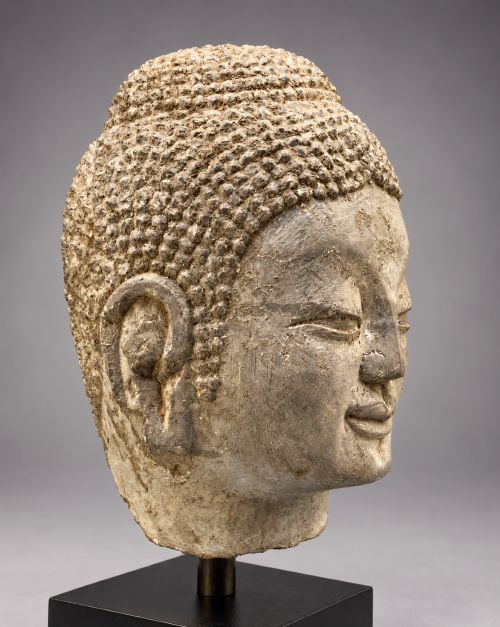
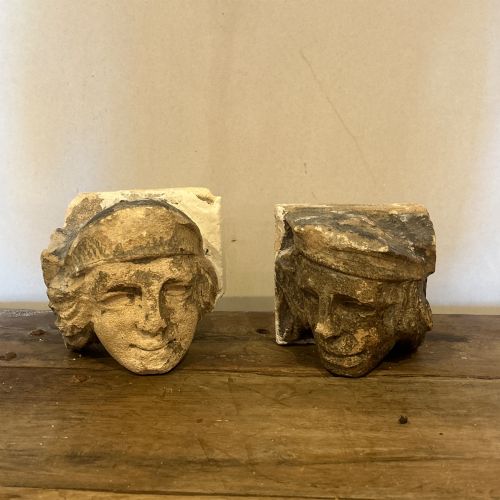
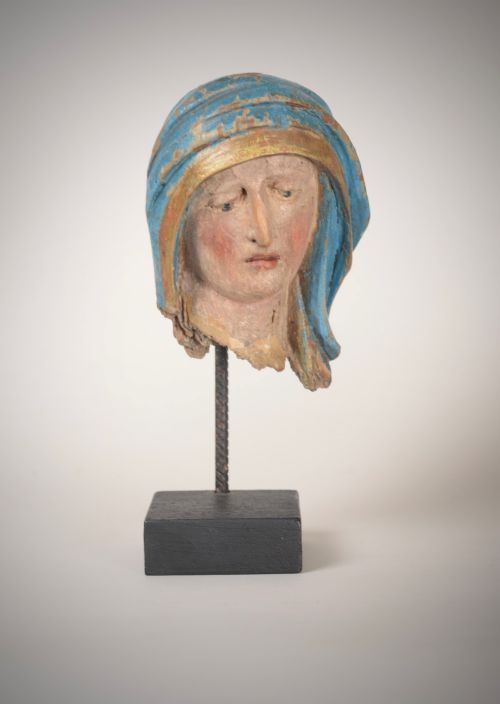
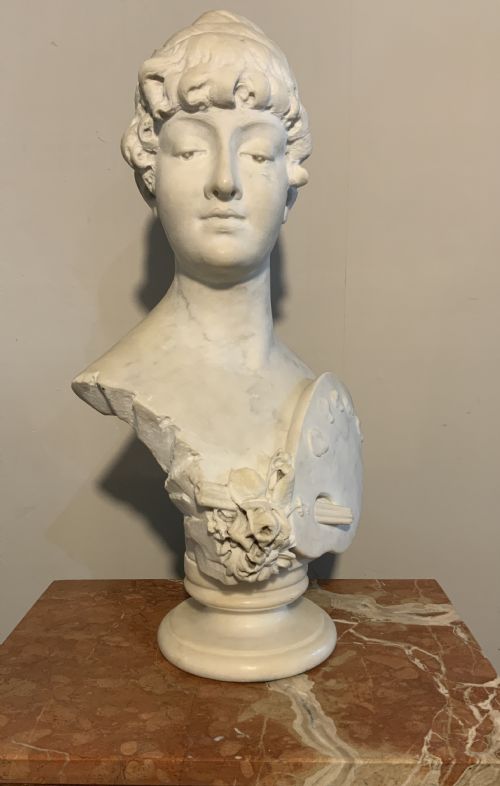
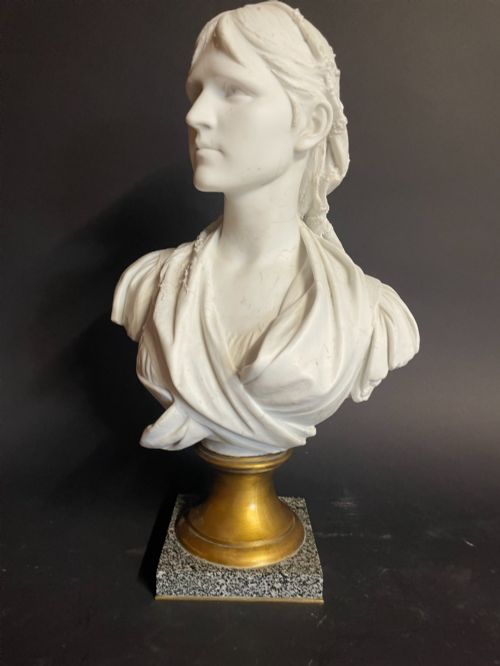
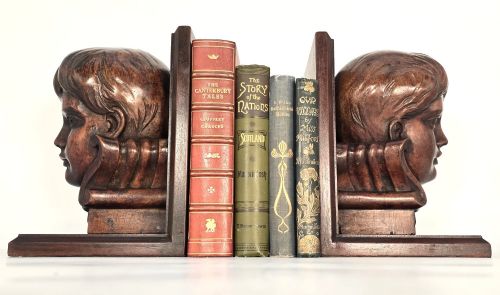
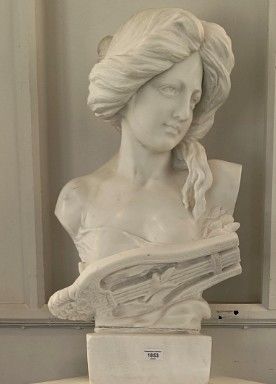
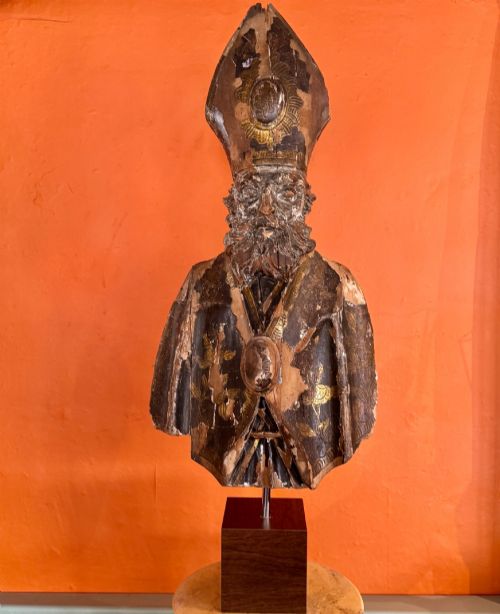
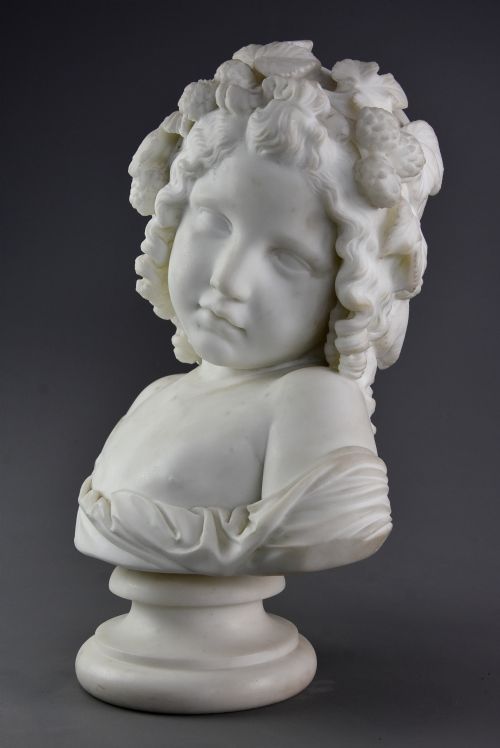
When you search for an antique carved bust, you encounter sculptural portraits and fragments spanning centuries, from medieval limestone corbels and 17th-century ecclesiastical figures to Grand Tour marbles of the 19th century. These works capture likenesses of historical figures, mythological deities such as Erato and Diana, and anonymous subjects carved with striking individuality.
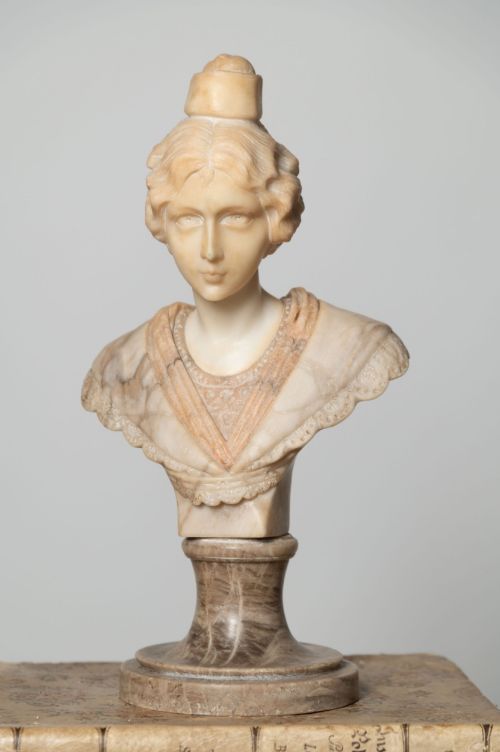
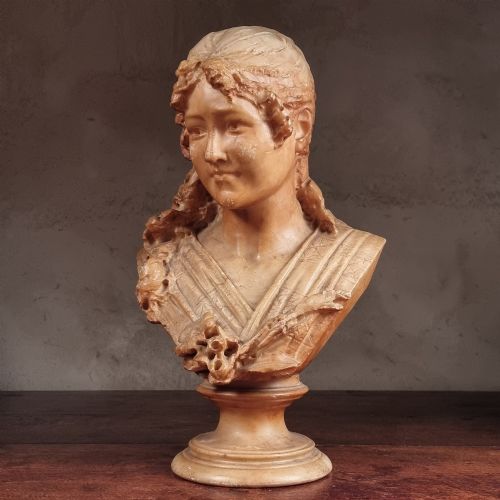
The pieces on this page appear in various scales and materials, ranging from monumental life-size marble portraits to compact alabaster library pieces and carved wood bookends. Italian ateliers, French studios, and British workshops produced these sculptural forms for domestic display, public commemoration, and scholarly collections.
How they were made
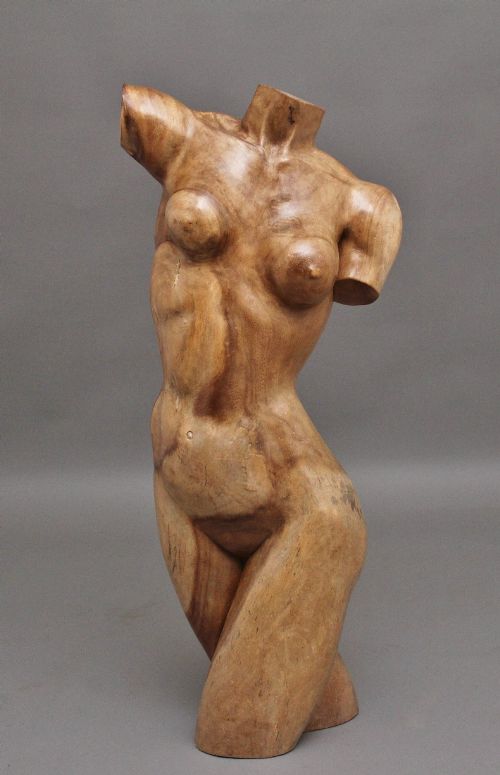
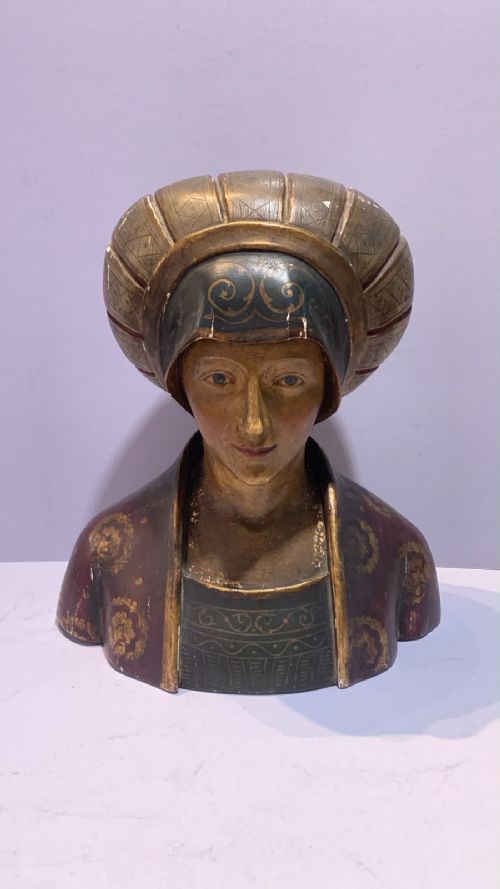
Sculptors worked primarily in Carrara marble, alabaster, limestone, and various timbers including mahogany, walnut, and olive wood, often finishing surfaces with polychrome paint or gold leaf accents. Harder stones required precision mallet and chisel work, while softer materials like alabaster permitted finer detail in hair and fabric.
Many 19th-century works reflect the Neoclassical revival of classical techniques, utilising pointing machines to transfer precise measurements from clay models into stone blocks. Studio carvers then refined the surfaces by hand, polishing marble to a smooth lustre or leaving wood grain visible in folk art and Black Forest style pieces.
Listings feature materials ranging from Carrara marble and alabaster to carved wood, limestone, and lava cameo.
What varies in quality
Quality in these sculptures rests upon the anatomical precision of the carving, particularly in the handling of facial expressions, musculature, and the fall of drapery. Superior pieces display a lifelike softness in the flesh and sharp definition in hair and accessories, whereas lesser works appear stiff and formulaic.
The selection of the raw material also dictates the standard of the piece, with flawless translucent alabaster and pure white Carrara marble marking out the finest studio productions. Signed works by documented sculptors carry distinct artistic authority compared to anonymous decorative outputs.
Houdon·Eugene Aizelin·J Francis·Thomas Hope·Auguste Henri Carli·George Henry Paulin RBS·R. Mattei
The Antique Carved Bust Glossary
- Grand Tour
- A cultural journey undertaken by wealthy young Europeans in the 18th and 19th centuries to study classical art. Travellers frequently returned with miniature or full-scale marble and alabaster busts.
- Neoclassical
- A style spanning the 18th and 19th centuries inspired by the art and culture of classical antiquity. It prioritised symmetry, proportion, and heroic subject matter.
- Carrara marble
- A type of white or blue-grey marble quarried in the city of Carrara in Tuscany, Italy. Sculptors prized it for its fine grain and consistent texture.
- Alabaster
- A fine-grained, translucent mineral often used for ornamental carvings and library busts. Its softness allows for delicate detail work.
- Corbel
- A structural piece of stone jutting from a wall to carry a superincumbent weight. Medieval examples often featured carved human or grotesque heads.
- Polychrome
- The practice of decorating architectural elements, sculpture, or pottery in a variety of colours. Historic wood and stone busts were frequently painted to enhance realism.
Antique Carved Bust: Frequently Asked Questions
Where should I place a marble bust at home?
These sculptures suit sturdy surfaces such as pedestals, sideboards, or library shelves where their weight is properly supported. Positioning them near natural light sources accentuates the subtle contours and carving depth of the stone.
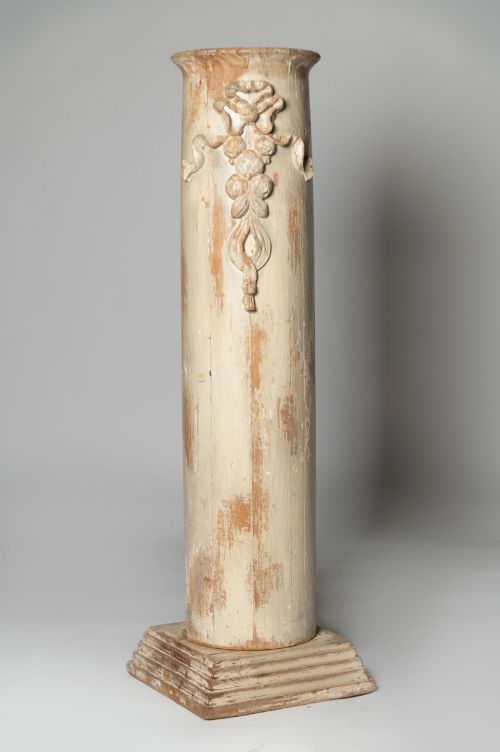
Avoid placing heavy alabaster or marble pieces near direct heat sources or high-traffic walkways where accidental impacts might occur. Pair them with architectural columns or bookends to create a balanced display.
What is the difference between marble and alabaster?
Marble is a metamorphic rock formed from recrystallised carbonate minerals, prized for its durability and resistance to wear. It forms heavy, solid portraits with subtle grey or blue veining.
Alabaster is a softer mineral that offers a distinctive, translucent quality allowing light to penetrate slightly beneath the surface. This softness made it popular for interior library busts but leaves it more vulnerable to scratching.
How can I identify a Grand Tour souvenir?
Grand Tour sculptures typically date from the 19th century and depict classical figures, Roman emperors, or mythological deities. They were produced in Italy for foreign travellers and often feature characteristic veined marble or alabaster.
These pieces range in size from cabinet miniatures to life-size portraits, frequently mounted on turned columns or stepped plinths. Their presence reflects the scholarly interests of Victorian and Georgian collectors.