


Classical Relief Plaque
A classical relief plaque brings the sculpted forms of antiquity into interior spaces through cast bronze, marble dust, and porcelain.
What They Are
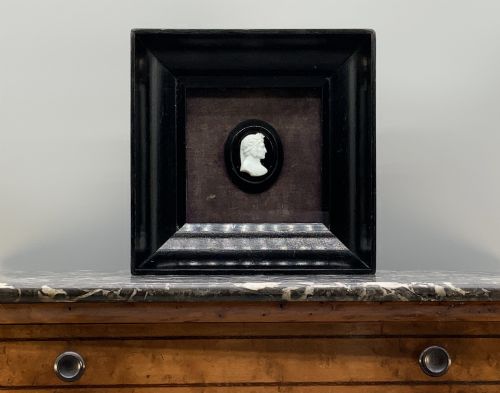
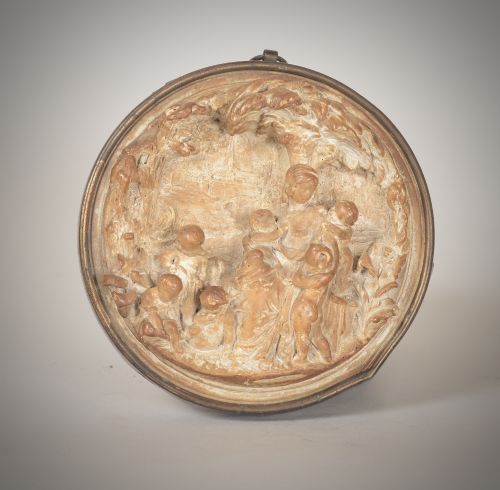
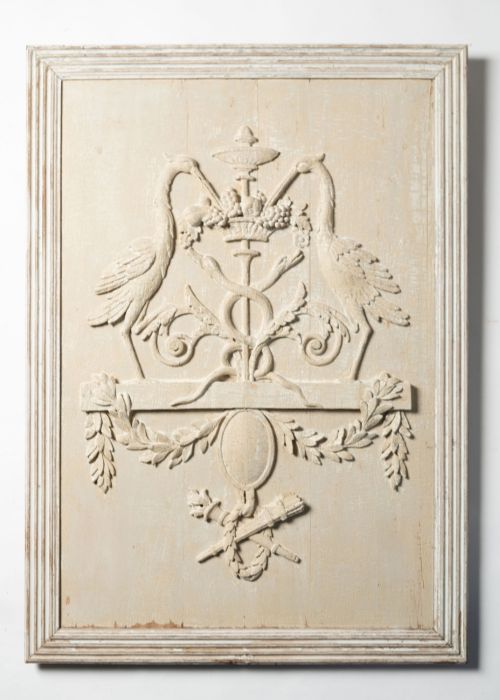
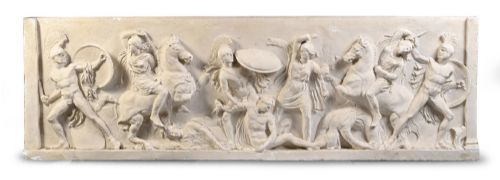
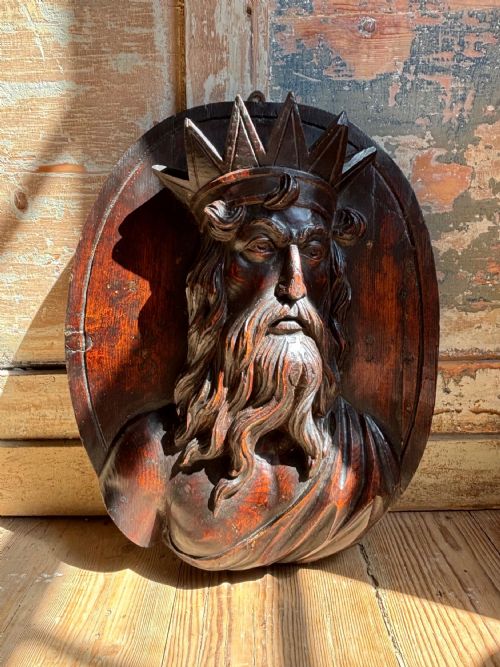
A classical relief plaque presents sculptural figural scenes drawn from ancient mythological and historical subjects, designed primarily for wall display or decorative surface placement. When searching for a classical relief plaque, collectors encounter pieces spanning the Victorian era through the early twentieth century, reflecting a sustained European fascination with classical antiquity. The forms on this page include wall plaques, relief sculpture, decorative dishes and trays, chargers, and porcelain plaques.
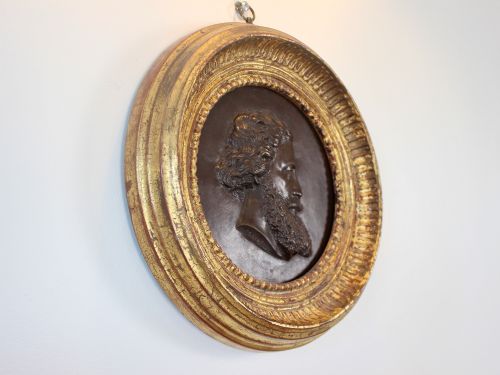
The aesthetic vocabulary borrows heavily from Neoclassical and Victorian Neo-Classical styles, translating antique marble sculptures and ancient friezes into domestic formats. Pieces range from French School compositions and Hellenistic horse riders to Grand Tour bronze sets and Minton porcelain plaques. These objects served as intellectual and artistic ornaments for nineteenth-century interiors, signalling the owner's classical education and refined taste.
How They Were Made
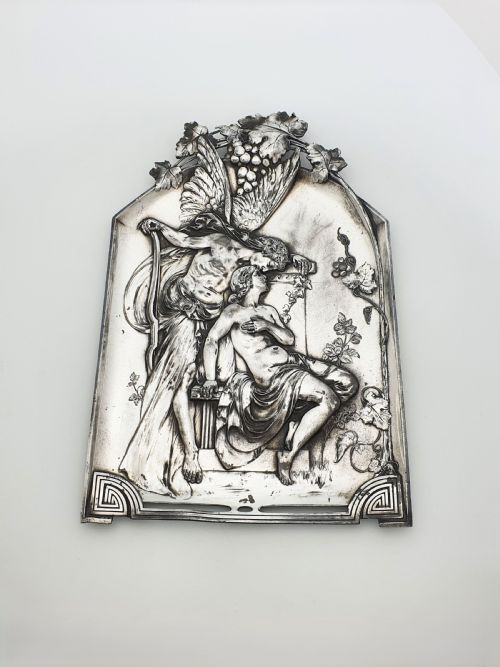
Materials vary widely across these pieces, encompassing traditional media and nineteenth-century industrial innovations alike. The listings record items made from plaster, gypsum, marble dust, bronze, silver plate, electrotype metal, porcelain, and wood. Metal works frequently utilise electrotype processes, a technique developed in the Victorian period that allowed accurate replication of museum-quality ancient reliefs in silver plate and bronze.
Ceramic and composite pieces demonstrate distinct manufacturing methods, such as the pate sur pate porcelain technique employed by Minton, where layers of slip build up a raised cameo effect. Marble dust and gypsum casts combine powdered stone or plaster with binders to achieve the heavy, tactile density of carved stone. Wood frames and mounts often accompany these plaques, completing the decorative object for wall suspension or tabletop display.
Retail Price Guide 2026
Typical UK retail prices for classical relief plaque, calculated from the Sellingantiques database of over a million retail prices indexed since 2003. This retail price guide relies exclusively on Sellingantiques data; no external sources or auction records are used, so the figures do not describe the wider market.
Listings for this phrase include works in porcelain, bronze, marble dust, and electrotype metal spanning the Victorian period.
What Varies in Quality
The choice of medium and the reputation of the maker also dictate the upper tier of the range. Fine electrotypes by established firms like Elkington and specialised ceramic works by Minton represent high technical achievement, whereas unsigned plaster or gypsum casts occupy a more modest decorative category. The integrity of the framing and the preservation of original patination complete the assessment of superior craftsmanship.
Elkington and Co·Minton
The Classical Relief Plaque Glossary
- Neoclassical
- A style originating in the mid-eighteenth century that draws inspiration from the classical art and culture of ancient Greece and Rome. It emphasises austere lines, heroic subjects, and balanced compositions.
- Electrotype
- A metal-copying process invented in the nineteenth century that uses electroplating to deposit a thin layer of silver or copper onto a mould. This technique allowed accurate reproduction of historical reliefs and metalwork.
- Pate sur pate
- A ceramic technique where wet white porcelain slip is painted layer by layer onto a darker coloured clay body to create a low-relief cameo effect. Minton famously utilised this method on plaques.
- Grand Tour
- A traditional trip of Europe undertaken by upper-class young European men of means in the eighteenth and nineteenth centuries. Travellers collected classical souvenirs, including small bronze plaques and sculptures.
- Relief
- A sculptural technique where the sculpted elements remain attached to a solid background of the same material. Reliefs are categorized by the degree of projection from the background plane.
Frequently Asked Questions
What periods do these plaques come from?
The pieces recorded here date predominantly from the nineteenth century, stretching from the Victorian era into the early twentieth century around nineteen thirty. They reflect the Victorian revival of interest in classical antiquity.
Maker attributions and stylistic clues help establish the precise decade of manufacture for individual wall plaques and decorative dishes.
How were these metal plaques manufactured?
Makers utilised metal casting and electrotyping techniques to replicate ancient sculptures in bronze and silver plate. The electrotype method allowed workshops to produce detailed metallic copies directly from historical artefacts.
These metal items often display patination developed over decades of exposure to domestic environments.
Are these pieces made of real marble?
Some compositions use marble dust combined with binders to create a dense, stone-like surface that mimics carved antique marble. This material allowed makers to cast detailed Hellenistic and classical scenes economically.
Plaster and gypsum were also used for lighter wall plaques intended solely for interior suspension.
How do I hang a classical relief plaque?
Most wall plaques and framed reliefs arrive with integrated hanging hardware suited to their weight and material. Bronze and heavy composite pieces require secure wall fixings to support their density safely.
Display them at eye level in well-lit areas to highlight the depth of the sculptural relief.