



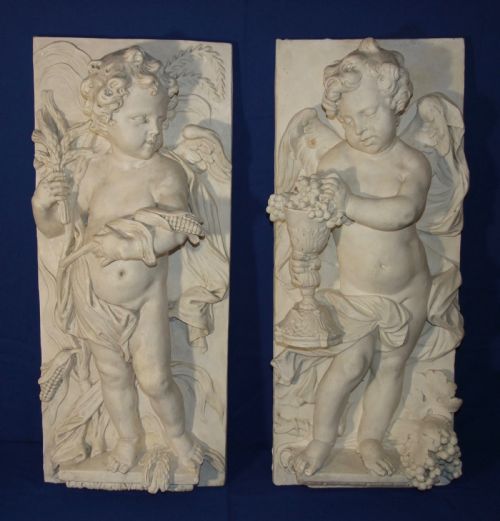


Classical Frieze Relief
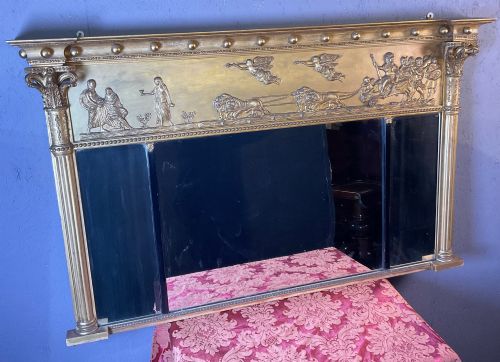
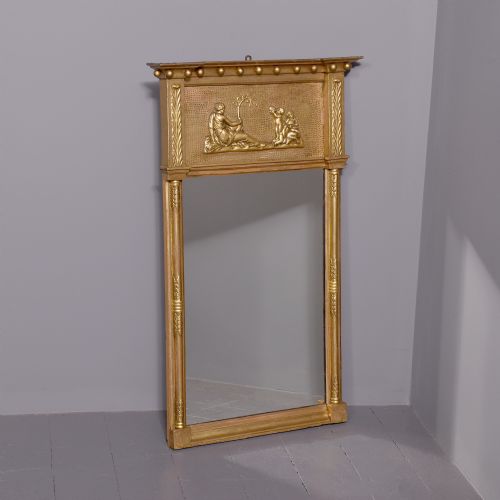
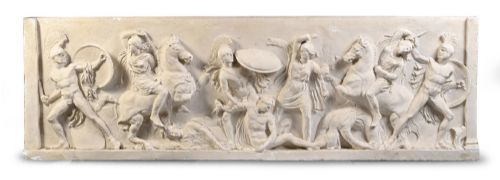
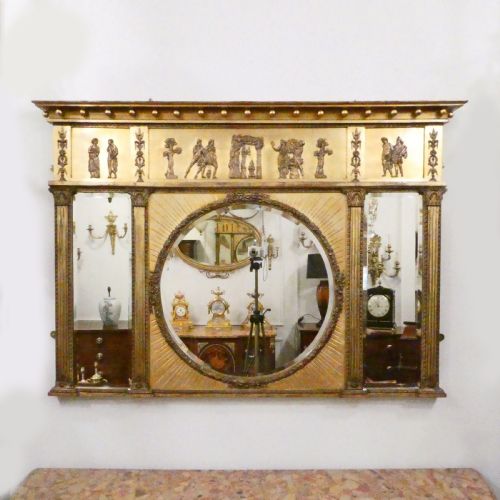
These pieces of classical frieze relief bring sculptural mythological narratives and architectural dignity straight into an interior.
Classical Frieze Relief
A classical frieze relief captures horizontal bands of mythological figures, processions, and classical motifs drawn from ancient antiquity. When searching for a classical frieze relief, collectors encounter wall plaques, architectural salvage, and framed panels spanning the eighteenth and nineteenth centuries. Neoclassical and Regency revivals dominate the selection, bringing ancient Greek and Roman sculptural themes into domestic spaces.
The objects take diverse forms, ranging from overmantel mirrors crested with classical scenes to standalone terracotta panels and plaster casts. Eighteenth-century examples often derive from architectural settings like Adam-style fireplaces, while nineteenth-century pieces include Grand Tour intaglios and framed engravings of Athenian antiquities. Smaller wall plaques sit alongside large mirror frames and lead panels, offering varied ways to display narrative sculpture.
Materials and Construction
Plaster, gesso, and giltwood form the primary substances for these sculptural panels, often combined with carved wood and gold leaf on mirror frames. Artisans also utilised marble dust, terracotta, lead, and bronze to cast or model figurative scenes with crisp detail. Paper and ink appear in framed engravings documenting Athenian antiquities, while glass serves both as mirror plates and protective framing for intaglios.
Moulding and casting techniques allowed workshops to reproduce classical motifs accurately, whether in eighteenth-century plaster winged cherubs or early twentieth-century German marble dust reliefs. Giltwood and gesso frames received hand-applied gilding, while bronze and lead panels benefited from metal casting methods suited to architectural salvage and fireplace friezes.
Nineteenth-century sculptors occasionally tackled epic subjects like Amazon battles, ensuring your living room wall comes equipped with ancient skirmishes.
Assessing Quality and Execution
The refinement of the modelling separates superior sculptural panels from simpler decorative casts, particularly in the expression and anatomy of human and animal figures. Sharpness of detail in hair, drapery, and background elements indicates the condition of the original mould and the care taken during casting. In mirrors and framed works, the integration of the frieze relief with the surrounding giltwood or moulding dictates the overall harmony of the piece.
The integrity of the materials, from the depth of the gold leaf to the stability of the plaster or terracotta, marks the upper tier of production. Age-related patination on bronze, lead, and marble dust adds depth without obscuring the narrative intent of the sculptural frieze.
The Classical Frieze Relief Glossary
- Frieze
- A long, narrow band of sculpture or decoration on a wall, mantel, or furniture piece. These horizontal compositions typically depict narrative scenes or repeating classical motifs.
- Intaglio
- A gem, bead, or other material carved with a design that is depressed below the surface. Grand Tour collections frequently present these in box frames.
- Gesso
- A plaster-like mixture applied to wood surfaces as a base for gilding or painting. It supports intricate low-relief moulding on mirror frames.
- Terracotta
- Fired clay used for sculptural reliefs and architectural ornaments. This material allows for warm earthy tones and durable fine-lined modelling.
- Neoclassical
- A style reviving the decorative and structural forms of ancient Greece and Rome. It dominates the design vocabulary of late eighteenth and nineteenth-century interiors.
Classical Frieze Relief: Frequently Asked Questions
Where should I hang a classical frieze relief?
These panels suit placement above fireplaces, along hallway walls, or integrated into primary reception rooms as architectural focal points.
Larger overmantel mirrors with frieze crestings sit naturally above mantelpieces, while framed plaques and engravings work well at eye level in panelled or neutral spaces.
How do I date a plaster or terracotta relief?
Dating relies on material patination, the crispness of the casting technique, and stylistic markers associated with periods like the Regency or Neoclassical eras.
Evidence of historical handling, framing methods, and the specific mythological subject matter help narrow the creation window between the eighteenth and twentieth centuries.
What is the difference between a pier mirror and an overmantel mirror?
Pier mirrors are designed to hang on the narrow wall space between windows, often featuring classical friezes within their giltwood frames.
Overmantel mirrors are wider horizontal pieces intended specifically to sit above a fireplace mantel, frequently incorporating extensive relief sculpture along the upper cornice.
How should I clean antique gesso and giltwood frames?
Dusting gently with a dry, soft brush is the safest method to remove particulate matter without damaging delicate raised gesso details.
Moisture and chemical cleaners should be avoided entirely, as they can lift fragile gold leaf and historical water gilding from the wooden substrate.