



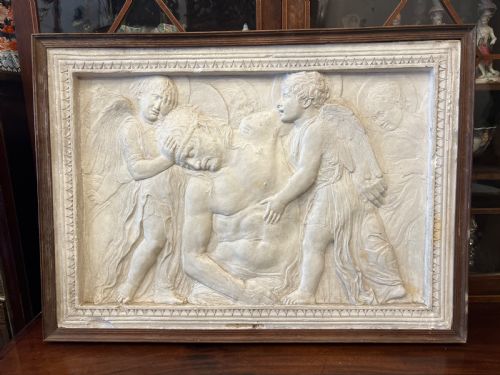

Antique Plaster Plaque
An antique plaster plaque brings tactile classical mythology and solemn religious devotion directly onto the wall, offering sculptural depth without the weight of carved stone.
Antique Plaster Plaque
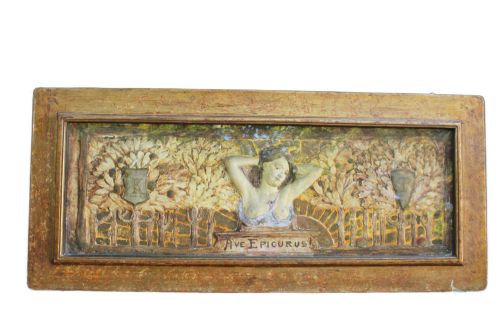
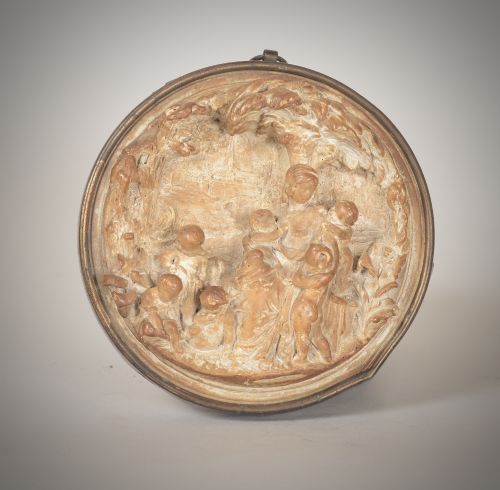
An antique plaster plaque captures the sculptural ambition of earlier stone and bronze originals in a lighter, more domestic medium, taking forms such as wall reliefs, shadowboxes, and framed friezes. When you search for an antique plaster plaque, you encounter works spanning the eighteenth century through to the early twentieth century, with nineteenth-century examples appearing most frequently on this page.
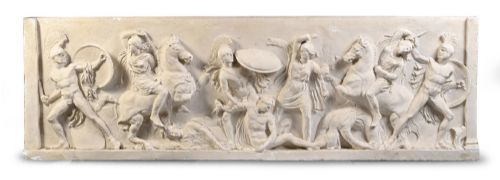
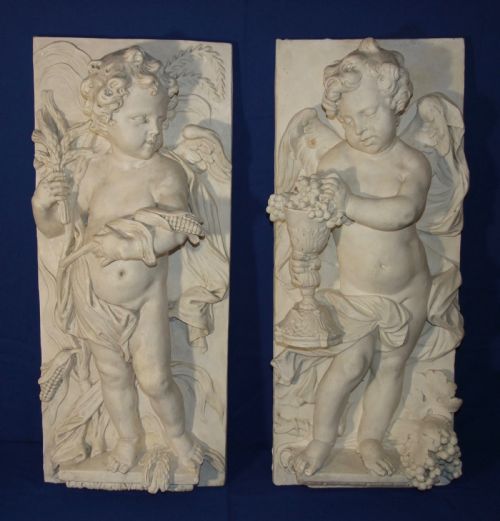
The subjects range widely across historical idioms, including neoclassical figures, Renaissance revival compositions, classical horse riders, and religious icons like the Veil of Veronica or winged cherubs. Stylistic influences draw heavily from French art schools, British arts and crafts movements, and Grand Tour souvenirs brought back from continental travels.
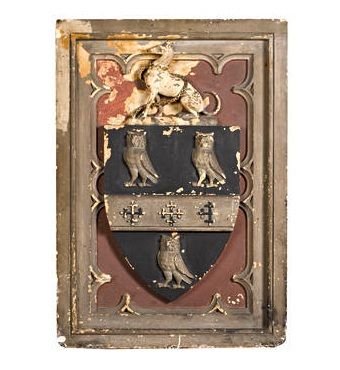
Makers utilised various mounting approaches, framing pieces in wood or housing them in religious shadowboxes, whilst some function as standalone wall plaques or architectural moulds. The presence of painted finishes, gesso details, bronzed surfaces, and marble dust variations adds distinct texture to these wall sculptures.
Materials and construction methods
The foundation of these pieces relies upon gypsum plaster, sometimes mixed with marble dust to achieve a harder, stone-like consistency that mimics carved marble or terracotta. Workshops poured this mixture into moulds taken from classical antiquities or original sculpted panels, capturing fine details in the relief.
Surface treatments elevate the raw plaster through the application of paint, gesso, and bronzed or polychrome finishes, often applied to emulate aged bronze, patinated metal, or antique stone. Wooden elements frequently provide structural support or serve as backing frames, while brass fittings secure hanging mechanisms.
Materials recorded across the selection include plaster, gypsum, wood, paint, gesso, brass, metal, and marble dust.
What distinguishes finer examples
The crispness of the casting defines the upper tier of these works, where every muscle line, facial expression, and drapery fold remains sharp rather than softened by worn moulds. Superior pieces display thoughtful hand-finishing, delicate polychrome painting, or skilful bronzing that respects the underlying relief rather than masking it.
The integration of the piece within its original wooden frame or religious shadowbox contributes significantly to its integrity. Lesser examples suffer from heavy, clumsy overpainting or loss of detail in high-relief areas due to repeated casting from tired secondary moulds.
The Antique Plaster Plaque Glossary
- Plaster
- A building and sculpting material made from gypsum, water, and sometimes sand or other additives. It sets hard when dry and accepts fine detail from moulds.
- Gesso
- A plaster-like mixture used as a smooth base for painting or gilding on wood panels and plaster surfaces. It provides a crisp surface for delicate decorative work.
- Relief sculpture
- Sculpture in which figures project from a background surface of the same material. High relief projects significantly, while low relief stays flatter.
- Polychrome
- Decorated in a variety of colours. In plaster work, this refers to hand-painted details that bring realism or decorative flair to the sculpture.
- Grand Tour
- A traditional trip of Europe undertaken by upper-class young European men of means. Souvenirs from these journeys often included plaster casts of classical art.
Antique Plaster Plaque: Frequently Asked Questions
How do I hang a heavy plaster plaque safely?
Plaster reliefs require secure wall anchors that match the weight of the gypsum and its wooden frame. Avoid relying on simple picture wire if the piece is substantial.
Ensure the hanging bracket is fixed firmly into the wooden backing or structural wall studs rather than resting on the plaster itself, which can fracture under stress.
Were these plaques made for homes or schools?
They served both domestic and educational purposes across different eras. Many nineteenth-century pieces decorated bourgeois drawing rooms as classical ornaments.
Others originated in art schools as teaching aids or study copies after master sculptors like Donatello, allowing students to learn from historical forms.
How should I clean an antique plaster surface?
Dust accumulates gently within the recessed details of a relief, so use a soft, dry artist's paintbrush or dry microfibre cloth. Avoid all moisture and liquid cleaners.
Water can dissolve gesso layers, stain unsealed plaster, or reactivate old water-soluble paints applied to the surface over the decades.
Can I date a plaster plaque by its frame?
Frames offer reliable secondary clues when they are original to the piece. Moulded wooden frames or shadowboxes often reflect the prevailing interior tastes of the Victorian or Arts and Crafts periods.
Check for hand-cut nails, older timber shrinkage, and the method of securing the plaster within the rebate to confirm the frame matches the plaque's era.