
Classical Portrait Art Print
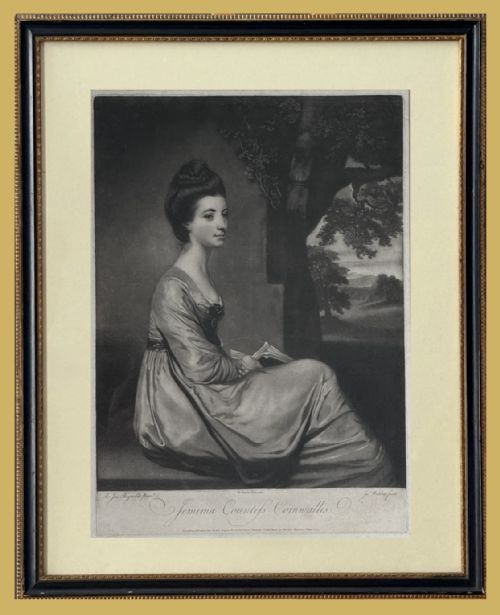
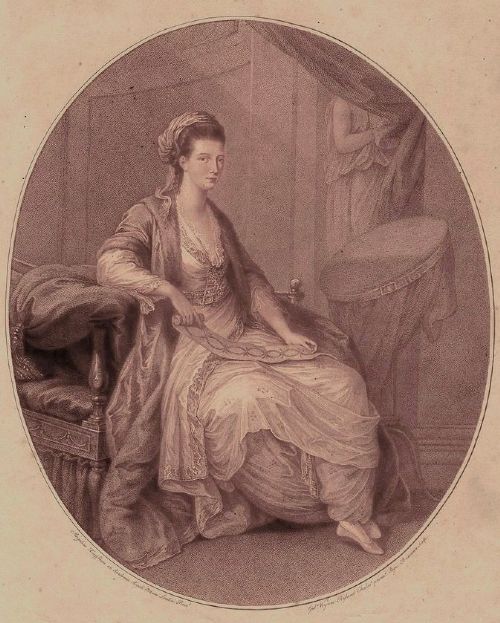
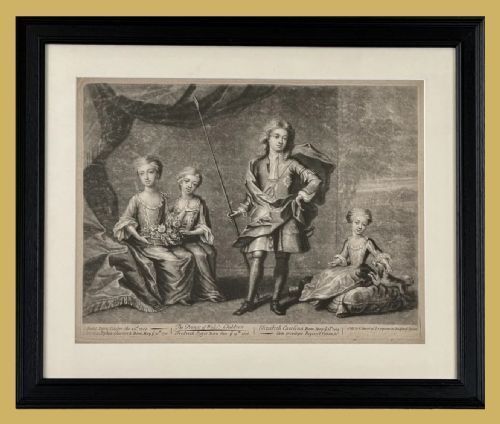
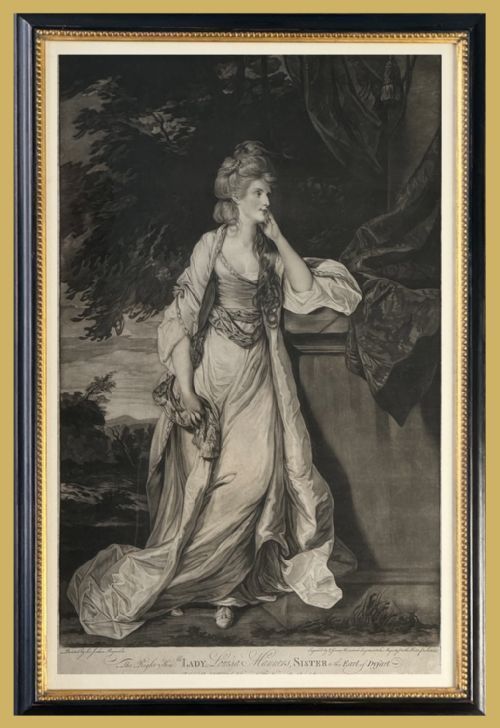
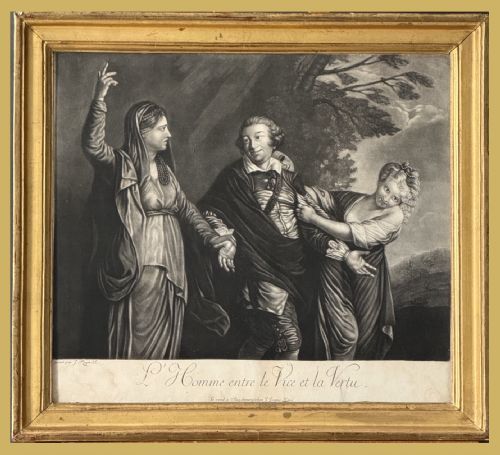
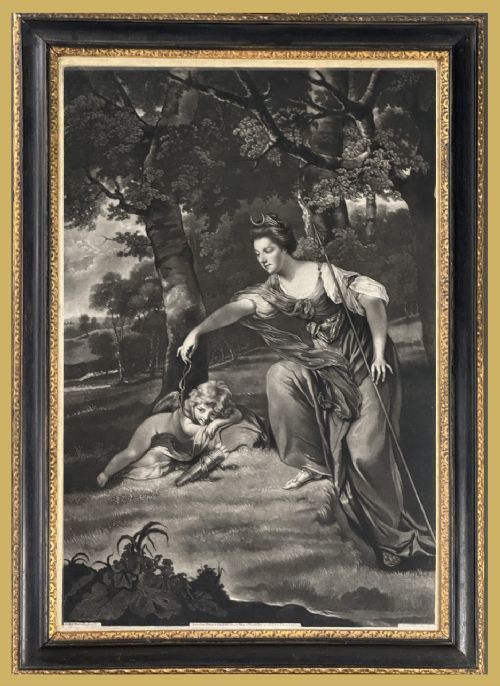
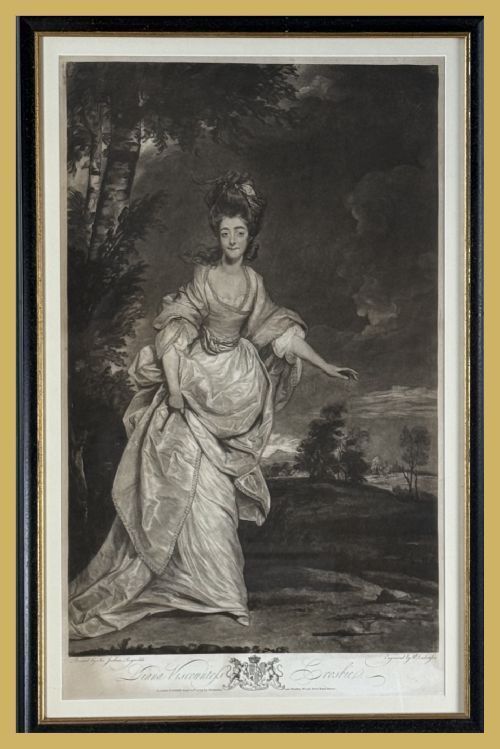
When you search for classical portrait art print, you uncover framed mezzotints and engravings capturing eighteenth and nineteenth-century faces with ink on paper.
Classical Portrait Art Print
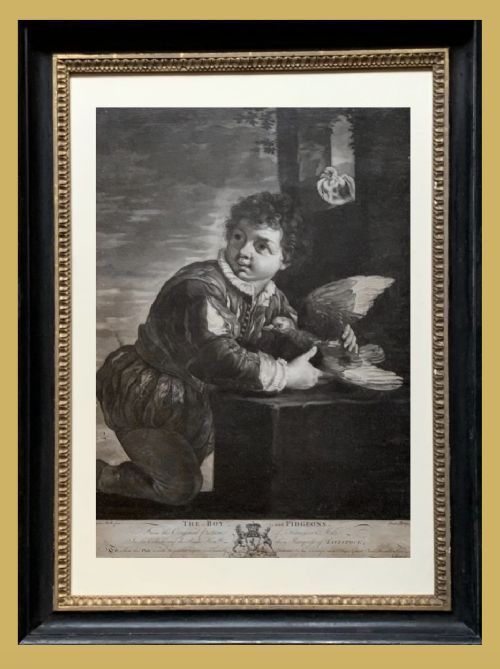
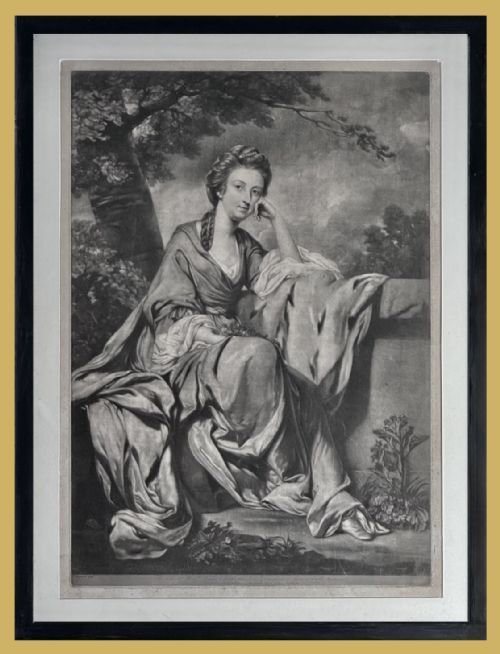
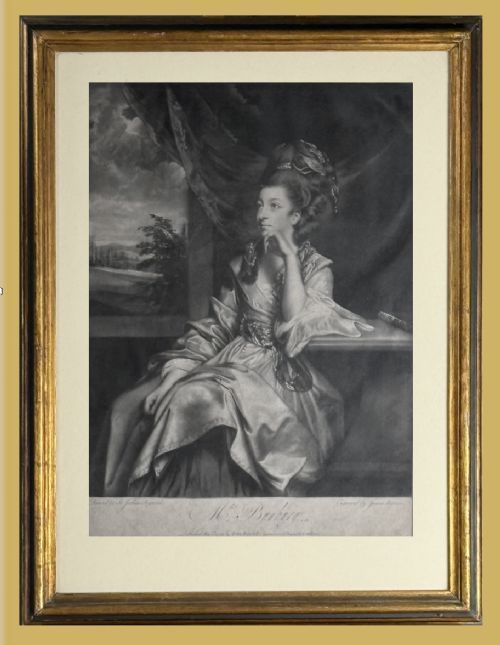
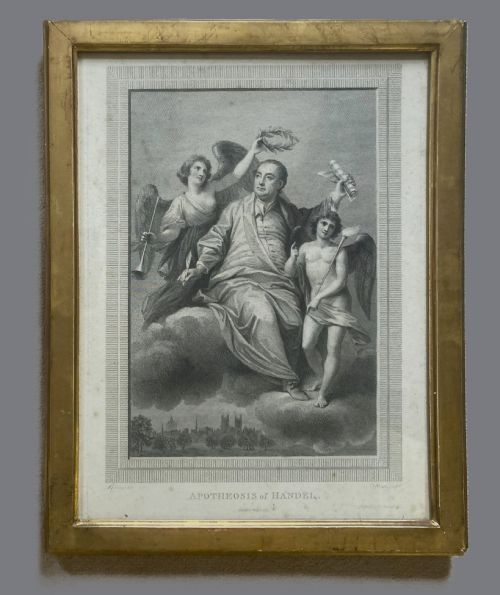
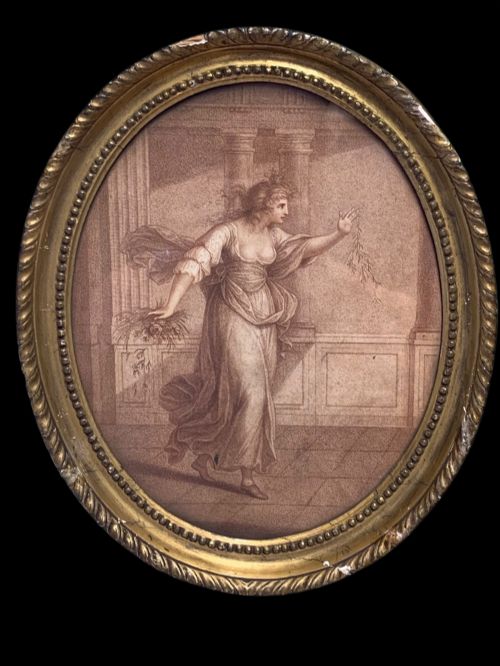
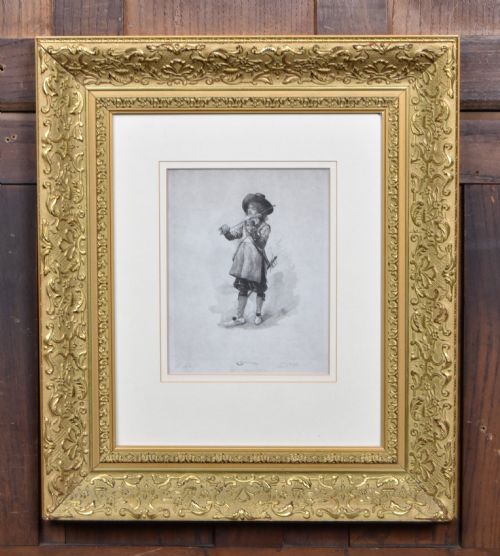
A classical portrait art print brings historical likenesses into contemporary spaces through framed paper works from the eighteenth and nineteenth centuries. These pieces typically depict notable figures, nobility, and fictional characters rendered by master engravers working after famous painters.
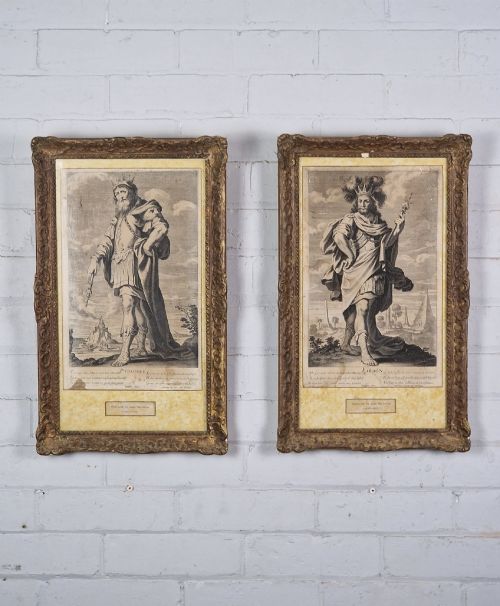
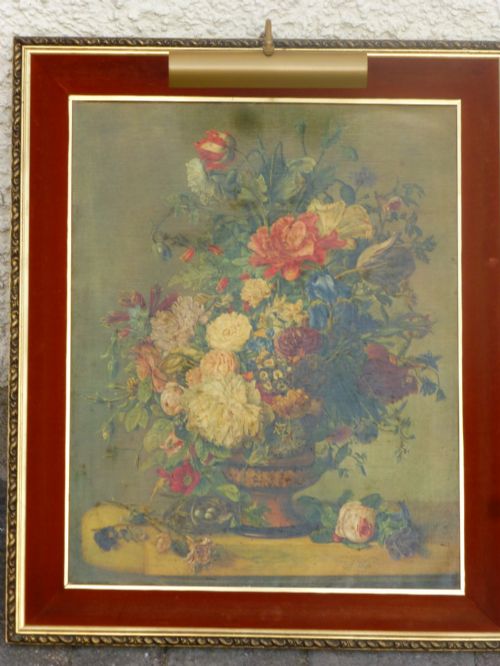
The version most commonly met on this page is the eighteenth-century mezzotint, often produced in dark inks on laid paper and housed behind glass within period timber frames. Buyers also encounter nineteenth-century stipple engravings and later oleographic reproductions mirroring earlier oil paintings.
The selection ranges across Georgian, Regency, and Victorian aesthetics, reflecting changing tastes in domestic display and printmaking technology. Subjects span from theatrical actresses and political figures to allegorical studies after Dutch and Italian masters.
Materials and print techniques
Makers utilised copper plates for mezzotints and engravings, working the metal surface with rockers and burins to hold ink before pressing the design onto paper. This technique allowed craftsmen to achieve subtle tonal gradations and deep shadows that closely resembled original oil paintings.
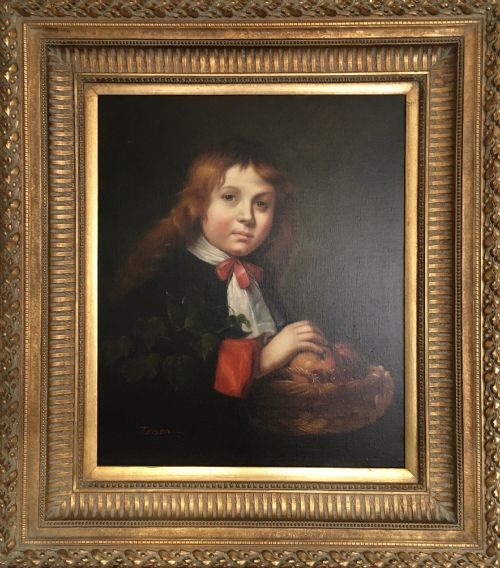
Framing materials combined wood and glass to protect the delicate paper works, frequently incorporating gold leaf or giltwood finishes to complement domestic interiors. Some later examples employ canvas and oil paints for embellished oleographs that simulate textured brushwork.
Classical Portrait Art Print Retail Price Guide 2026
Typical asking prices for classical portrait art print among the pieces listed under this phrase on Sellingantiques today, from the lower quarter to the upper quarter. They describe what is for sale here now, not the wider market.
Listings feature paper, ink, and glass components housed within timber and giltwood frames spanning the eighteenth century to the modern era.
Distinctions in quality
The integrity of the framing and the preservation of the paper support influence the overall standard of the piece. Clean margins, minimal foxing, and original period giltwood frames indicate a higher level of historical preservation.
John Boydell·Edward Fisher·Sir Joshua Reynolds·James Watson·Valentine Green·Robert Sayer·Adam Buck
The Classical Portrait Art Print Glossary
- Mezzotint
- A printmaking process where the copper plate is roughened uniformly to produce dark areas, then scraped and burnished to create light tones. This method allows for smooth gradations of shade rather than relying purely on line.
- Engraving
- A technique of cutting a design into a hard plate using a sharp tool called a burin. The resulting grooves hold the ink that transfers to the paper under pressure.
- Oleograph
- A type of chromolithographic reproduction textured to imitate an oil painting on canvas or paper. These appeared widely in later periods to bring classic imagery into wider circulation.
- Stipple engraving
- A method of printing that uses dots of varying density and size to create tonal effects rather than continuous lines. It gained popularity for rendering soft flesh tones and fabrics in portraits.
- Giltwood
- Wood carved and coated with gold leaf or metallic paint to create a decorative frame finish. It remains a hallmark of formal display frames from the Georgian and Victorian eras.
Classical Portrait Art Print: Frequently Asked Questions
What is a mezzotint?
A mezzotint is an intaglio printmaking process where a copper plate is roughened to hold ink, producing rich tonal shades.
Craftsmen scrape away areas of the roughened plate to create highlights, resulting in prints known for their velvety dark backgrounds and subtle facial expressions.
How do I hang these prints?
These framed paper works require placement away from direct sunlight to prevent the ink and paper from fading over time.
Secure wall fixings suited to the weight of the timber and giltwood frames ensure safe display in studies or living rooms.
Are these works original antiques?
The listings include eighteenth and nineteenth-century printed works alongside later twentieth-century oleographs and reproductions.
Examining the paper type, framing construction, and plate marks helps determine the exact period of production for each individual piece.
Who are the subjects depicted?
The portraits portray historical figures, nobility, actors, and composers from British and European society.
Many plates record likenesses originally painted by prominent artists such as Sir Joshua Reynolds and Thomas Gainsborough.