
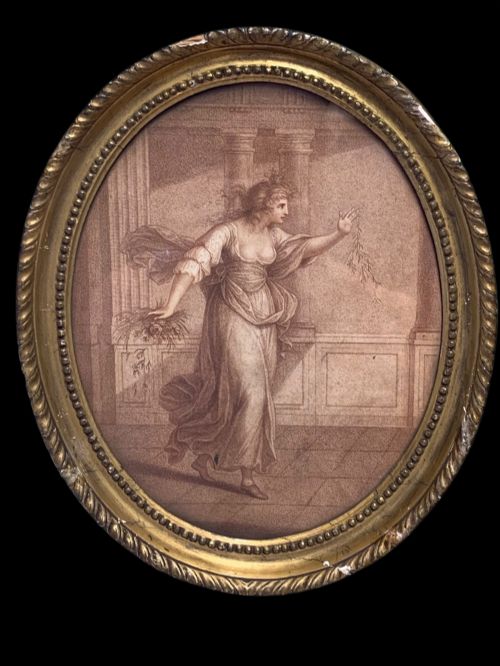


18th Century Stipple Engraving
These 18th century stipple engraving works offer delicate tonal gradations and classical portraiture, prized by collectors for their fine dot-work technique.
18th Century Stipple Engraving
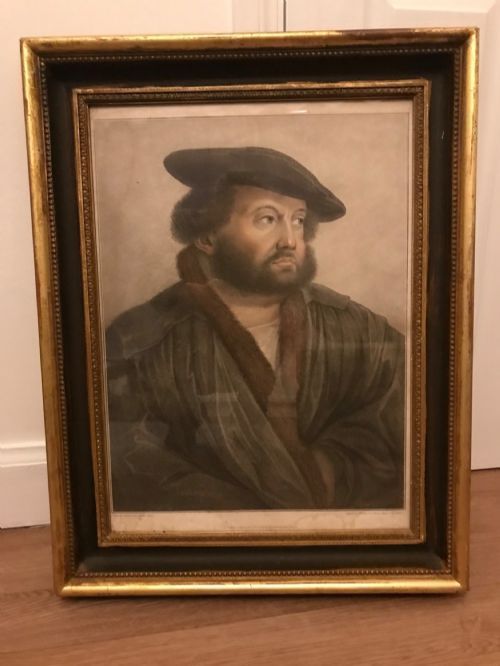
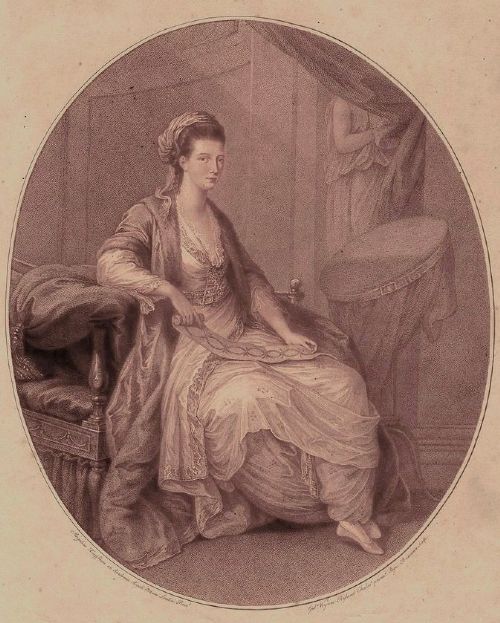
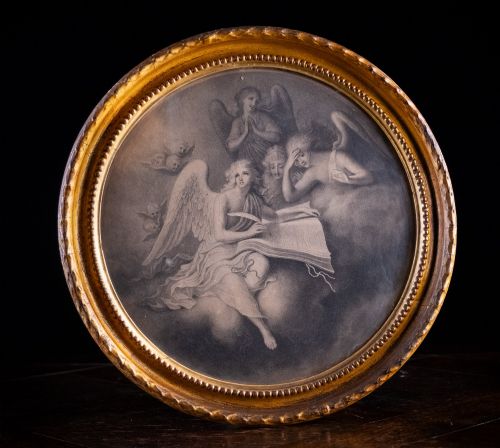
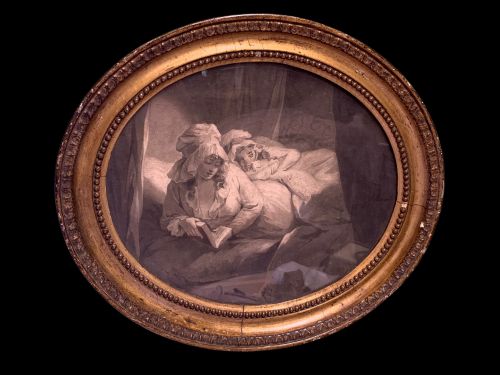
When you search for an 18th century stipple engraving, you encounter delicate print works dominated by portraiture, allegorical scenes, and classical subjects. The pieces on this page span the 18th century, Regency, and Georgian periods, capturing the refined aesthetic of Neoclassical printmaking. Portraits of notable figures, weeping angels, and mythological pairings frequently appear among these framed offerings.
Most examples present as framed prints and wall art, often retained in period frames that complement the delicate paper sheets. You will also find rarer variants printed on silk or enhanced with hand-colouring. The visual character relies on minute dots rather than continuous lines to render soft contours and facial expressions.
How they were made
Makers created these plates by building up images using a stipple technique, punching small dots into a copper plate with an etching needle and roulette wheels. Printers then applied ink to the paper sheets, occasionally introducing hand-colouring to heighten the garments or flesh tones. The resulting impressions were framed in wood, giltwood, or gilt frames to protect the fragile paper and silk supports.
The materials recorded in the evidence are straightforward, relying on paper, ink, and glass, alongside gilt wood and gold leaf for the framing. Silk occasionally served as an alternative base material for late Georgian impressions. These elements combined to produce portable artworks suitable for domestic display.
Listings incorporate both eighteenth-century originals and nineteenth-century revivals, utilising paper, silk, and giltwood frames.
What varies in quality
The distinction between ordinary and superior pieces rests on the crispness of the dot work and the depth of the tonal range. Master printmakers achieved subtle gradients that lent lifelike warmth to faces and drapery, whereas lesser plates appear muddy or flat. The survival of clear signatures and well-rendered details after the printing process distinguishes the finer impressions.
Original period framing significantly elevates a piece, particularly when employing original giltwood or Hogarth mouldings that complement the age of the print. The condition of the paper or silk ground, alongside the preservation of early hand-colouring, further separates museum-grade examples from routine decorative items.
Francesco Bartolozzi·George Romney·Henry William Banbury·E. Jackson Stodart·William Bunbury
The 18th Century Stipple Engraving Glossary
- Stipple engraving
- A printmaking method using dots of varying density on a copper plate to create tonal gradations and soft shadows. This technique became highly fashionable in portraiture during the Georgian era.
- Hand-coloured
- The application of watercolours by hand to a printed black-and-white engraving. This process added realistic hues to clothing and foliage.
- Giltwood
- Wood carved and coated with gold leaf or metallic paint. It provides a reflective, ornate border often seen on period frames.
- Neoclassical
- An artistic style drawing inspiration from the classical art and culture of ancient Greece and Rome. It heavily influenced the subject matter of late eighteenth-century prints.
- Hogarth frame
- A narrow, dark wooden frame profile featuring an inner gilded slip, popular during the Georgian and Regency periods. These frames provide a restrained border that suits delicate works on paper.
18th Century Stipple Engraving: Frequently Asked Questions
What is a stipple engraving?
A stipple engraving is a print created by punching tiny dots into a copper plate to form images with soft shadows and gradual tones.
This method differs from line engraving by avoiding hard outlines, yielding a painterly finish well suited to human faces.
How should I hang these prints?
Hang these framed works away from direct sunlight to protect the fragile paper or silk grounds from fading.
Keeping them in rooms with stable humidity also prevents damage to the historic wood and gilt frames.
Are these prints hand coloured?
Some examples feature hand-applied watercolours over the printed ink to accentuate details like ribbons and skin tones.
Others remain in their original monochromatic state, relying entirely on the density of the stippled dots.
What periods do these pieces span?
The listings span the eighteenth century, the Georgian era, and the Regency period, with occasional nineteenth-century revivals.
Each period brings distinct framing styles and subject preferences, ranging from classical mythology to portraiture.