

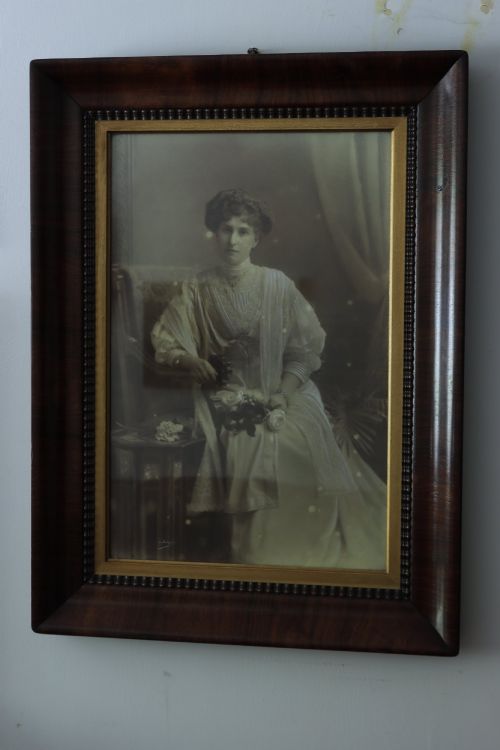


Sepia Portrait Print
A sepia portrait print brings historical presence to a room through monochrome ink, aged paper, and dark tones.
Sepia Portrait Print
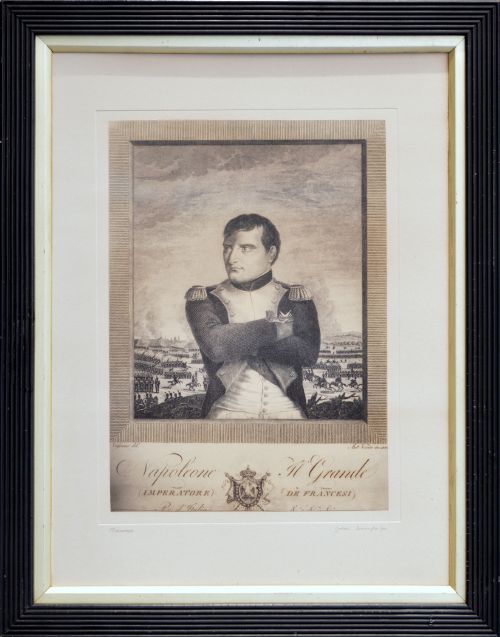
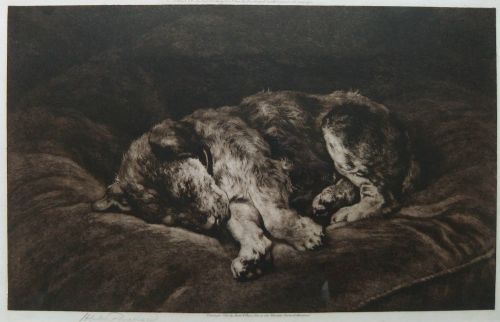
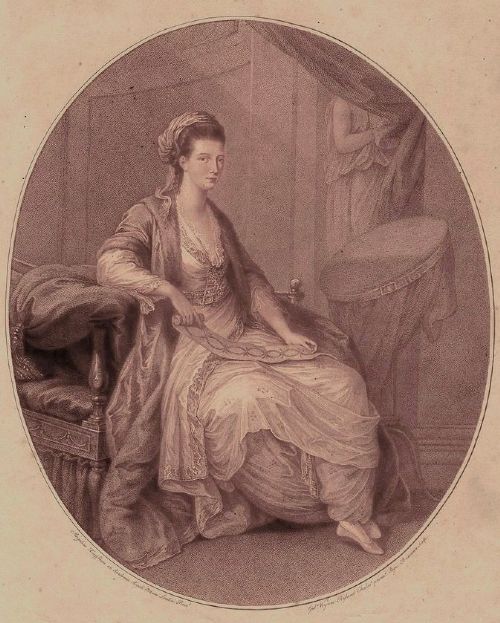
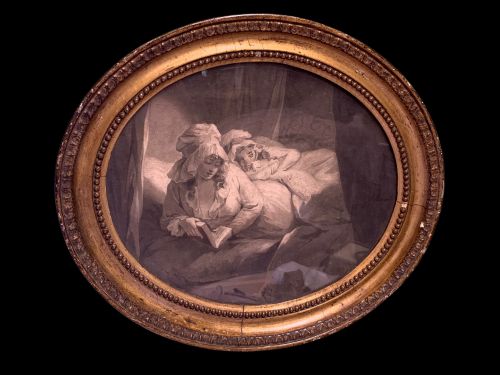
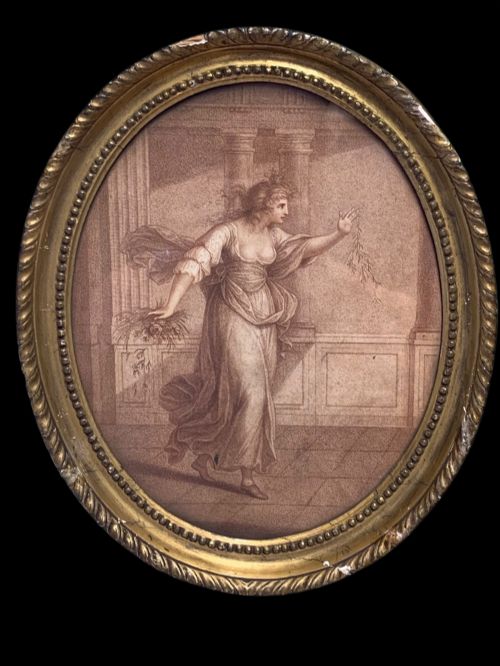
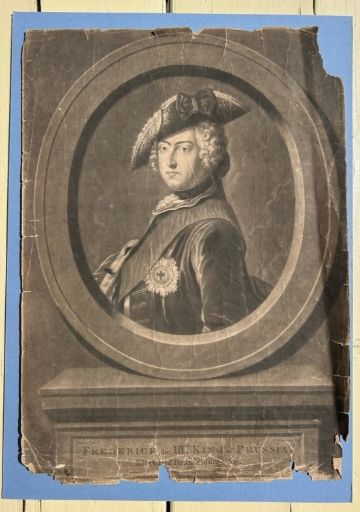
A sepia portrait print encompasses historical works created through etching, mezzotint, engraving, and photography from the eighteenth century into the twentieth century. These items capture notable figures, military officers, nobility, and family members within period frames of wood, giltwood, and glass.
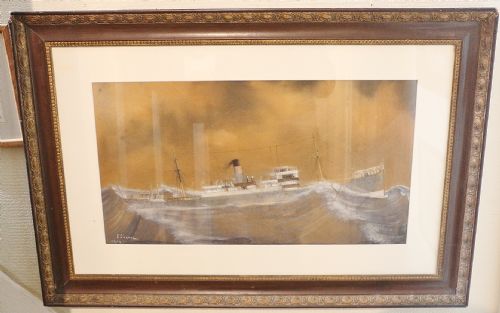
Buyers commonly encounter nineteenth-century photographs on card, eighteenth-century mezzotint engravings, and early twentieth-century etchings. These pieces range from framed artwork of naval captains to portraits of young girls and notable runners.
The selection reflects diverse styles including Georgian Neoclassical, Victorian, Edwardian, and Art Deco. Each object functions as wall art carrying historical depth.
How they were made
Makers utilised paper and ink through techniques like etching, stipple engraving, mezzotint, and lithography to build tonal depth and dark outlines. Photographic works captured subjects directly onto card and paper during the Victorian and Edwardian eras.
Frames incorporate wood, mahogany, giltwood, and glass to protect the delicate paper works underneath. Hand-colouring occasionally appears alongside monochrome ink and watercolour applications.
Listings span from the eighteenth century through the 1930s, featuring paper, ink, mahogany, and giltwood materials.
What varies in quality
The distinction rests upon the clarity of the printed line, the richness of the ink tones, and the preservation of the paper surface. Original artist impressions display crisp detail compared to later secondary impressions.
Original period framing significantly elevates the integrity of the piece. Matching the specific frame material to the date of the print distinguishes superior examples.
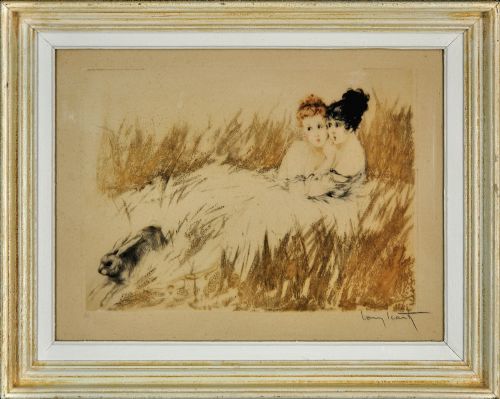
Herbert Dicksee·Richard Houston·Louis Icart
The Sepia Portrait Print Glossary
- Mezzotint
- A printmaking process where the copper plate is roughened to achieve rich dark tones and subtle gradations. This method produces deep, velvety dark areas suited for portraits.
- Etching
- A technique where lines are bitten into a metal plate with acid before printing onto paper. Artists use this method to create fine, expressive line work.
- Stipple engraving
- A method of creating prints through dots rather than continuous lines to render soft flesh tones. This technique was popular in eighteenth-century portraiture.
- Giltwood
- Wood carved and coated with gold leaf or a gold-coloured finish. This material appears frequently on period frames housing fine prints.
Sepia Portrait Print: Frequently Asked Questions
How do I date a sepia portrait?
Dating relies upon examining the printing technique, the composition of the paper, and the style of the clothing worn by the sitter. Engravings and etchings often carry publication dates or stylistic markers tied to specific centuries.
Frame construction and materials also offer clues to the age of the piece. Oak, mahogany, and giltwood frames frequently match the period in which the print was produced.
Are these pieces original prints?
The selection includes original period engravings, etchings pulled from metal plates, and vintage photographs. Each category represents the primary production method of its respective era.
Print quality and ink saturation help distinguish primary impressions from later reproductions. Examining the surface texture under magnification reveals the physical impression of the plate.
How should I hang these prints?
Keep framed prints away from direct sunlight to prevent the ink and paper from fading over time. Stable indoor humidity levels protect both the paper artwork and the wooden frame.
Use appropriate wall anchors to support the weight of wood and glass frames. Hanging them at eye level allows for proper appreciation of the fine detail.
What subjects appear in these portraits?
Portraits depict military officers, naval captains, nobility, athletes, and children. Historical figures and notable personalities frequently form the focus of eighteenth-century mezzotints and nineteenth-century photographs.
Animals and everyday figures also appear alongside human subjects in specialised prints. Each sitter provides a window into the social history of their era.