




Antique British Portrait Print
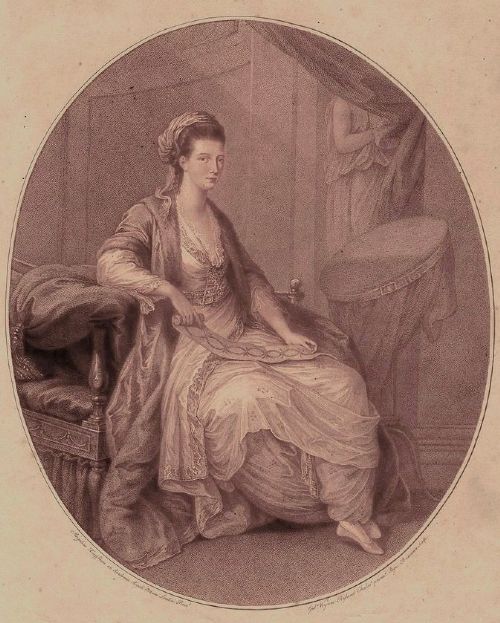
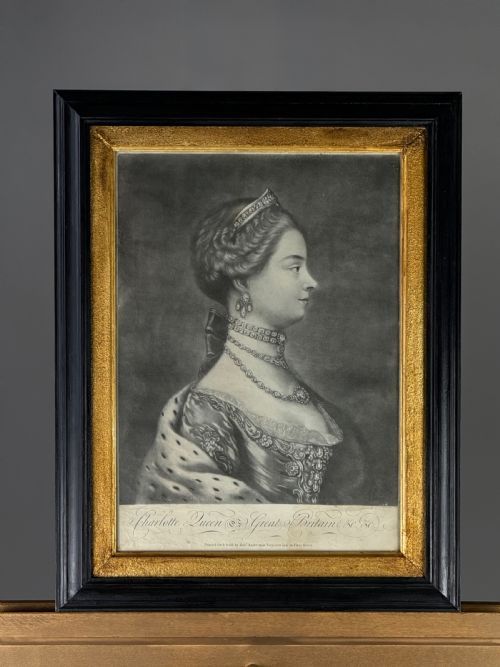
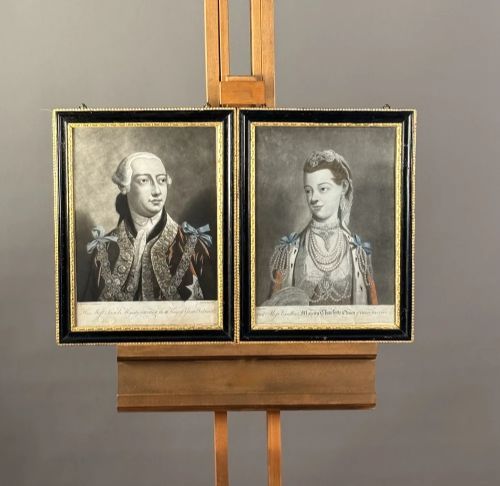
An antique british portrait print captures notable figures and military subjects through traditional intaglio and relief methods on paper.
Antique British Portrait Print
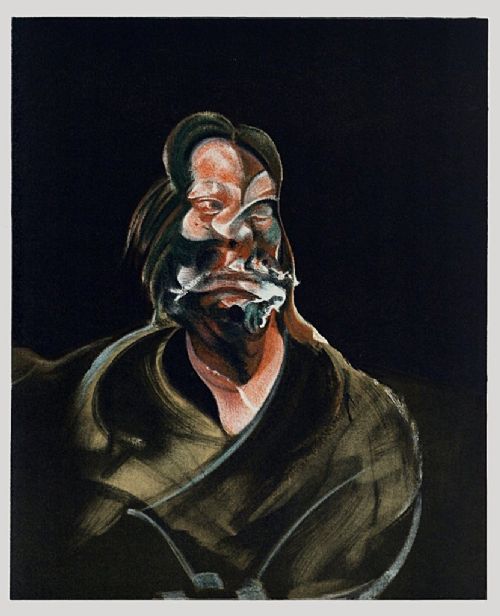
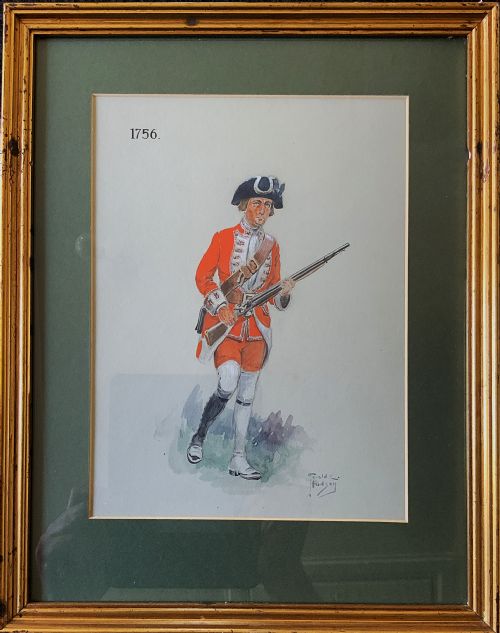
An antique british portrait print represents historical sitters, royals, and military personnel captured through various graphic media. Buyers encounter works spanning from the seventeenth century through the Georgian and Victorian eras up to early twentieth-century examples.
Materials and construction
These works utilise paper sheets bearing ink applied through intaglio printing techniques such as mezzotint, engraving, and drypoint etching. Artists and printmakers worked from original paintings to transfer likenesses onto metal plates before printing.
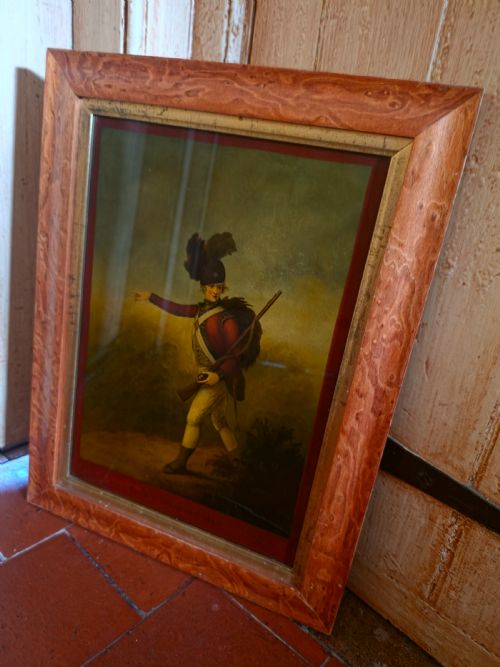
Framing materials commonly incorporate wood and gilt wood, often protecting the paper behind glass alongside canvas supports used for oil paintings.
The inventory spans the seventeenth century, the Georgian era, the Victorian period, and into the twentieth century.
Factors determining quality
Quality rests upon the skill of the original artist, the precision of the printmaker who translated the work to the plate, and the clarity of the impression on the paper. Early mezzotints and detailed etchings display finer gradations of tone and sharper lines than worn later impressions.
The preservation of the paper sheet, the richness of the ink, and the authenticity of the period frame contribute significantly to the standing of an individual piece.
John Smith·James McArdell·Thomas Frye·Herbert Dicksee·Snaffles
The Antique British Portrait Print Glossary
- Mezzotint
- A printmaking process of the intaglio family where the plate is roughened to produce dark tones and scraped to create light areas. This technique allows for rich tonal variations particularly suited to portraiture.
- Engraving
- A method of cutting design lines into a metal plate using a sharp tool called a burin. Prints pulled from these plates yield sharp and enduring linear detail.
- Drypoint
- An intaglio technique where an artist scratches directly into a metal plate with a needle-like tool. This process creates a distinctive raised ridge of metal called burr that holds ink for a velvety line.
- Gilt wood
- Wood coated with gold leaf or gold paint used extensively for decorative frames. It provides a bright metallic border that complements traditional artworks.
- Reverse glass painting
- An art form where the image is painted directly onto the back side of a glass panel. Viewers observe the finished work through the front of the glass.
Antique British Portrait Print: Frequently Asked Questions
How do I identify a mezzotint?
A mezzotint displays rich, velvety dark areas and smooth tonal transitions rather than fine lines. Examining the surface under magnification reveals a dense network of tiny dots and scraped passages rather than hatched lines.
Printers achieved these effects by rocking a jagged metal tool across the copper plate to create a burr that held copious amounts of ink.
What periods do these prints cover?
The available selection spans from the seventeenth century through the Georgian and Victorian periods into the early twentieth century. Each era brings distinct printing techniques and stylistic conventions to the portraiture.
Early examples lean towards royal and political mezzotints, while later pieces often include sporting and animal subjects executed as drypoints or etchings.
How should I frame and hang them?
Paper works require conservation framing with acid-free mounts and glass that blocks ultraviolet light to prevent fading. Keeping them away from direct sunlight protects both the paper support and the printing ink.
Displaying them on interior walls with stable humidity ensures the wood frames and paper remain well preserved over time.
Are these prints original works?
Original prints are struck directly from the plates created or supervised by the printmaker during the stated period. They differ from modern photographic reproductions by virtue of the physical impression left in the paper by the printing plate.
Signatures in pencil or contemporary publication details often help confirm the period of production.