



Brown Paper Engraving
Brown paper engraving names framed works on paper, map cartography and portrait prints spanning multiple centuries for collectors of historical wall art.
Brown Paper Engraving
A brown paper engraving search gathers framed prints, wall maps and portrait engravings spanning the seventeenth, eighteenth and nineteenth centuries. Buyers encounter cartography, botanical studies and racing scenes housed behind glass.
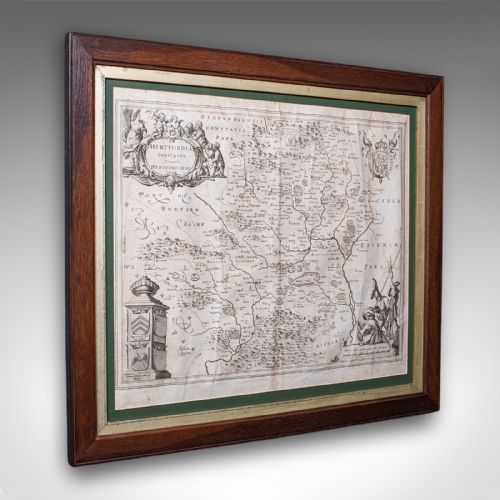
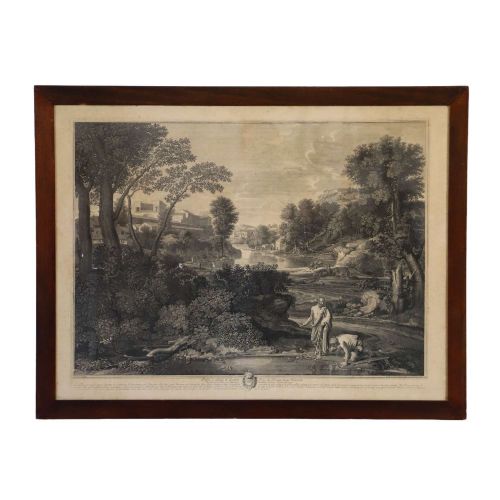
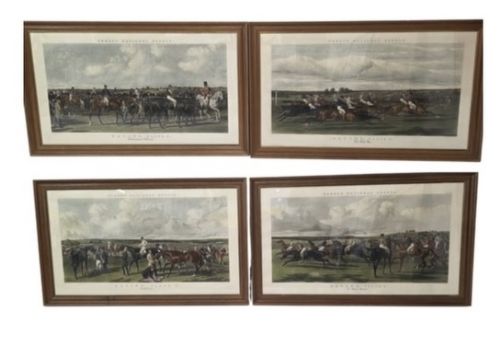
The selection ranges from early Dutch county maps to Victorian horse racing series and French classical landscape works. Many pieces retain their period frames in wood, oak and gilt wood.
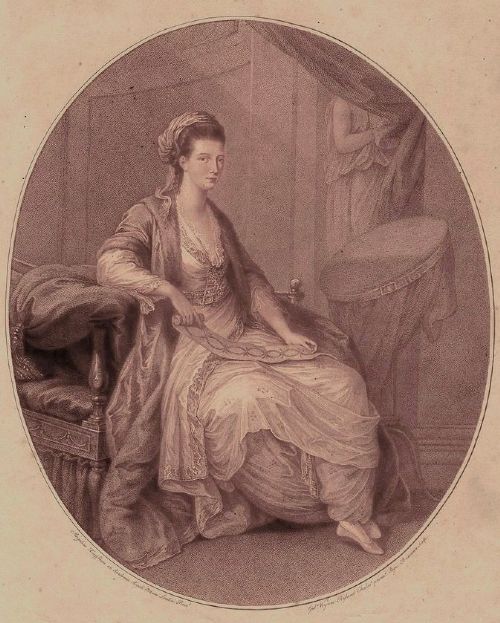
Portraits of historical figures sit alongside regional maps of the Caribbean, Italy and England. These works document centuries of printing history across various British, European and classical styles.
Paper, ink and framing
Makers utilised paper and ink alongside watercolour and hand tinting to produce these historical prints and maps. Engraved plates transferred fine lines onto paper sheets, sometimes with later added colour.
Frames employ wood, oak, cast metal and gilt wood to protect the delicate paper works within. Glazing with glass preserves the ink and watercolour pigments from atmospheric damage over the centuries.
Old horse racing series occasionally gallop past solemn theological books on the same shelf.
Detail, preservation and mounting
The clarity of the inked impression on the paper distinguishes superior plates from worn examples. Finer lines and well-preserved margins indicate careful printing and handling over generations.
The survival of original frames in wood, oak or gilt wood enhances the integrity of historical wall art. Intact colouring, whether original or hand tinted, elevates the visual presence of botanical and cartographic sheets.
Étienne Baudet·Robert Morden·John Curtis·Joan Blaeu
The Brown Paper Engraving Glossary
- Engraving
- A printmaking technique where an artist cuts lines into a metal plate to hold ink. This method produces crisp, enduring lines on paper.
- Cartography
- The study and practice of making maps. Antique examples often feature decorative cartouches and regional borders.
- Aquatint
- A variant of etched printmaking that achieves tonal effects resembling watercolours. It creates broad areas of grey and colour.
- Mezzotint
- A printmaking process where the plate is roughened to produce rich dark tones and subtle gradients. It suits portraiture and romantic scenes.
- Stipple engraving
- A method using dots rather than continuous lines to form images. This technique yields soft gradations of light and shade.
Brown Paper Engraving: Frequently Asked Questions
What periods do these prints cover?
The pieces span from the seventeenth century through the Georgian and Regency eras into the Victorian period. Examples include seventeenth-century cartography and nineteenth-century botanical studies.
Each era reflects distinct printing technologies and aesthetic preferences, from early Dutch mapmakers to Victorian sporting print series.
How are antique maps displayed?
Most antique maps and engravings arrive behind glass within wooden, oak or gilt wood frames. This framing protects fragile paper from dust and moisture.
Keeping frames away from direct sunlight preserves the paper and any hand-applied watercolour tints.
Are the colours original?
Some sheets feature hand tinting applied during their period of creation, while others rely purely on ink impressions. Watercolour additions were common on botanical studies and maps.
Examining the pigment under magnification helps distinguish period hand colouring from later enhancements.
What subjects are most common?
County maps, regional cartography and botanical illustrations form a large part of the available selection. Portrait prints and horse racing scenes also appear frequently.
These subjects served educational, decorative and commemorative purposes in historic interiors.