


Stipple Portrait Print
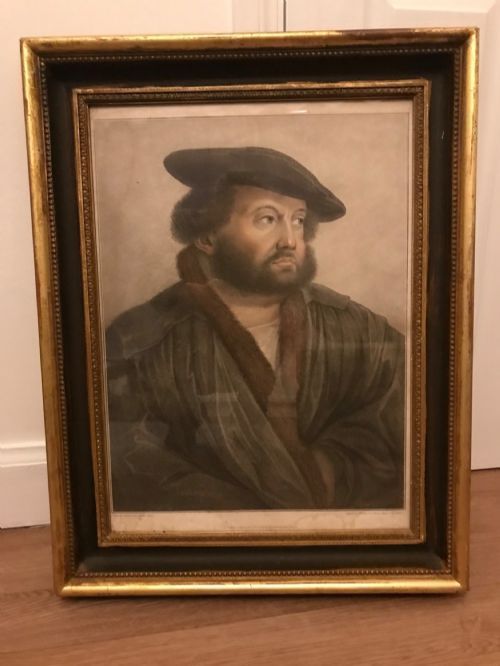
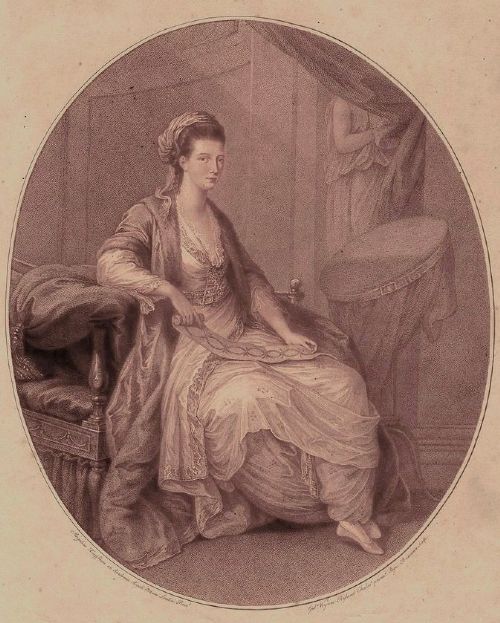
These stipple portrait print pieces capture the delicate tonal gradation of eighteenth-century portraiture, offering finely rendered likenesses suited to intimate wall spaces.
Stipple Portrait Print
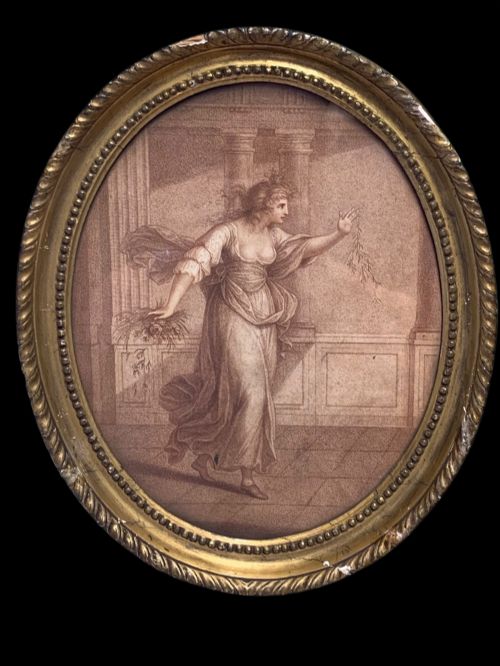
When you search for stipple portrait print, you encounter works originating chiefly from the eighteenth century, the year 1800, and the Regency period. These pieces encompass portrait prints, engravings, and framed artwork reflecting Georgian and Neoclassical tastes.
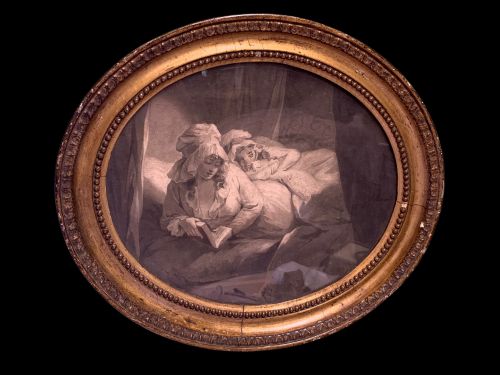
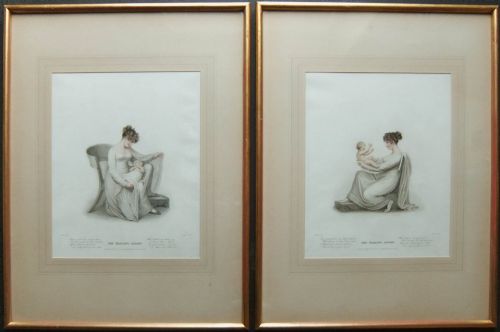
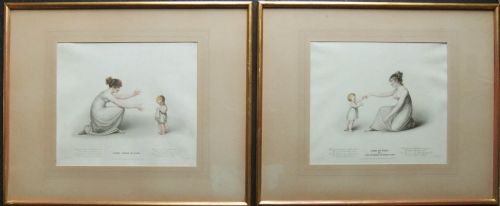
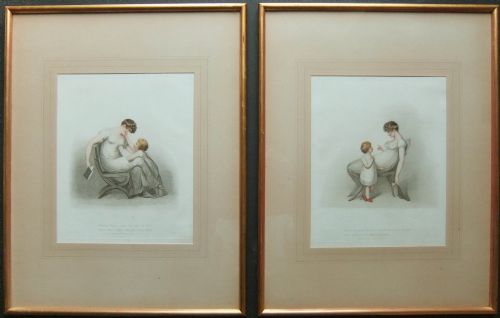
The subjects range from notable historical figures like the Duchess of Richmond and Hans Holbein to domestic scenes by Adam Buck. Many arrive framed in period wood or giltwood surrounds that complement their tonal depth.
How They Were Made
These works rely on paper surfaces receiving ink through meticulous stipple engraving and etching techniques, sometimes enhanced with hand-colouring. The process builds up images through countless tiny dots rather than continuous lines.
Framing materials include wood, gilt wood, and gold leaf under glass, protecting the delicate paper from environmental damage while adding structural definition to the wall art.
Several prints record the domestic adventures of children through Adam Buck's affectionate observations of family life.
What Varies in Quality
The clarity of the stipple dot work dictates the visual strength of the image, separating finely executed plates from worn impressions. Crisp tonal gradation relies entirely on the precision of the initial engraving.
The preservation of the original paper and the authenticity of the accompanying period frame influence the integrity of the piece. Contemporary replacements alter the historical context established by eighteenth-century and Regency makers.
Francesco Bartolozzi·Adam Buck·George Romney·Hans Holbein
The Stipple Portrait Print Glossary
- Stipple engraving
- A printmaking technique using dots of varying density to create tonal shadows and highlights. This method produces soft, painterly effects distinct from sharp linear hatching.
- Neoclassical
- An artistic style drawing inspiration from classical antiquity, prevalent during the periods these prints were produced. It emphasises symmetry, restraint, and classical motifs.
- Giltwood
- Wood coated with gold leaf or gilt, commonly utilised for period frames. It provides a reflective, ornate border that enhances the framed print.
- Regency
- A British historical period noted for distinct architectural and decorative arts styles following the Georgian era. Prints from this time often exhibit refined classical elegance.
Stipple Portrait Print: Frequently Asked Questions
What is a stipple portrait print?
It is a print created by building up an image with numerous small dots rather than continuous lines, yielding soft skin tones and subtle shadows. These works gained immense popularity in the eighteenth century for reproducing portraits.
They capture likenesses of historical figures, nobility, and domestic subjects with remarkable delicacy, often framed for intimate display.
How do I date these prints?
Dating relies on stylistic clues, paper characteristics, and the accompanying frame. Eighteenth-century examples often feature distinct neoclassical subjects and handwritten inscriptions.
Period frames made of wood or giltwood also provide chronological context, matching the prevailing aesthetic of the print's era.
Were these prints originally coloured?
Some impressions were issued in monochrome, whilst others received careful hand-colouring after printing. Hand-coloured Regency and Georgian examples add a vibrant layer to the underlying stipple work.
Collectors find both uncoloured monochrome prints and hand-coloured variations within eighteenth-century and nineteenth-century portfolios.
How should I display them?
These works require protection from direct sunlight to prevent the ink and paper from fading. Hanging them away from moisture sources preserves both the paper and the original frame.
Because of their intimate scale, they suit smaller wall spaces or grouped arrangements alongside complementary framed artwork.