


18th Century Lady Print
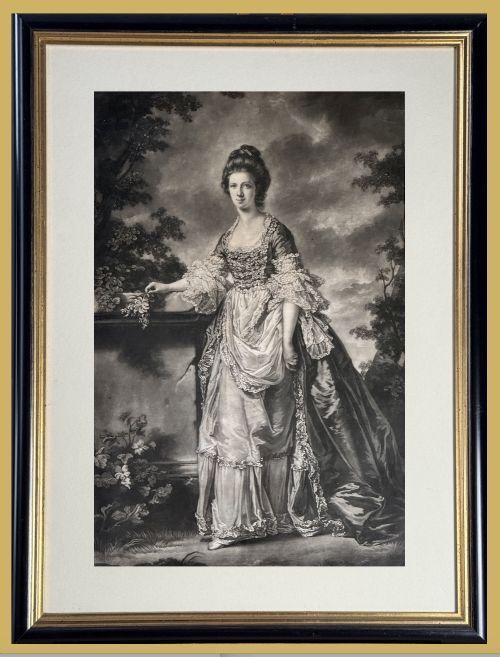
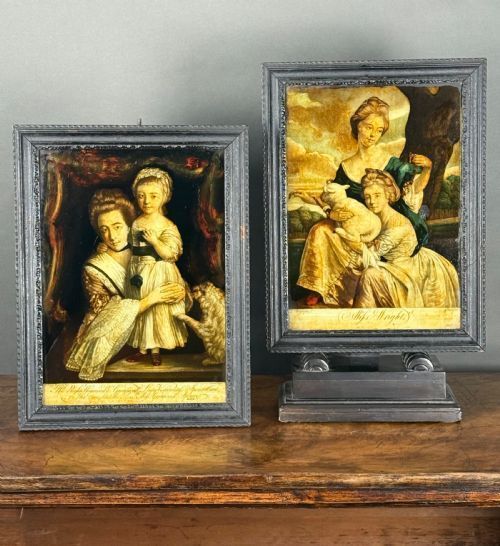
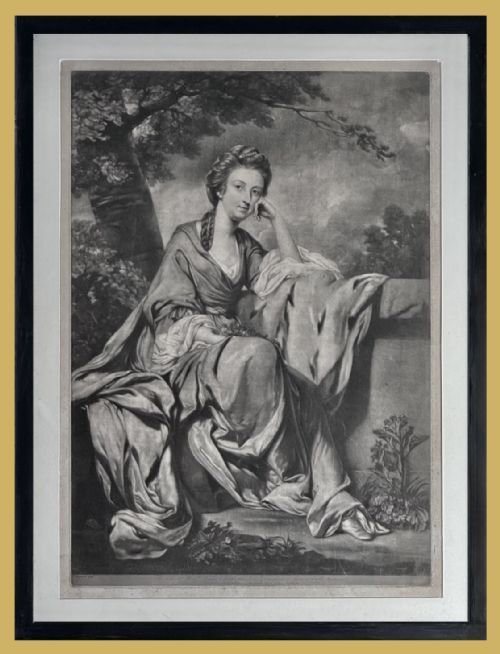
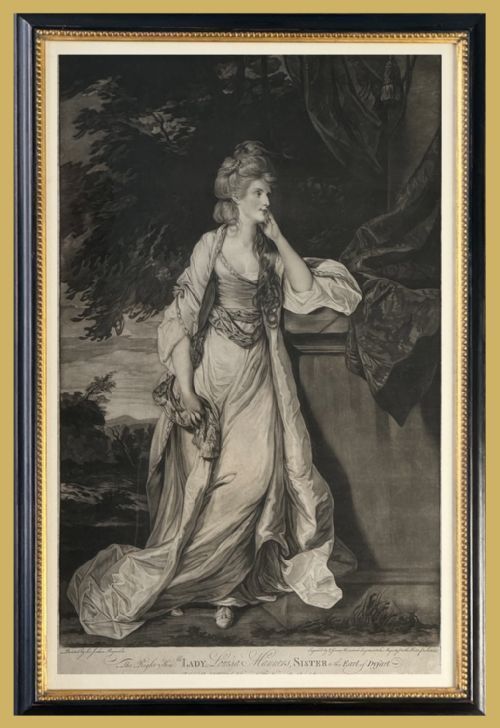
These 18th century lady print pieces capture Georgian society in fine mezzotints, reverse glass prints, and portrait miniatures.
18th Century Lady Print
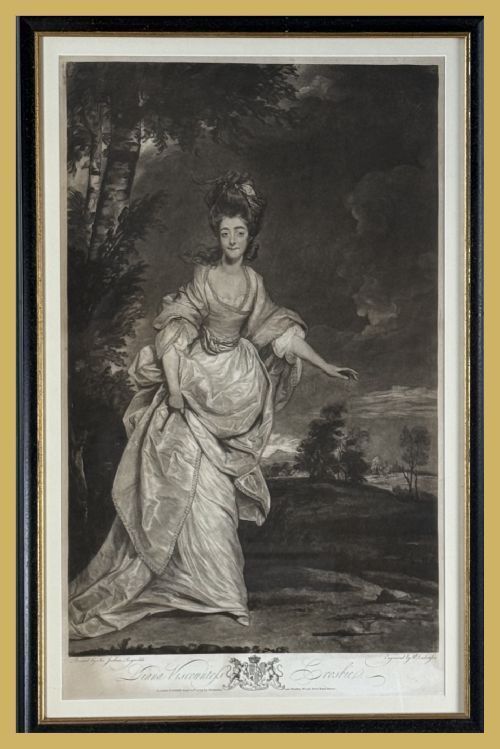
An 18th century lady print brings Georgian portraiture into domestic spaces through engraved and printed works. Buyers searching this phrase encounter framed art and prints depicting noblewomen, society figures, and literary characters.
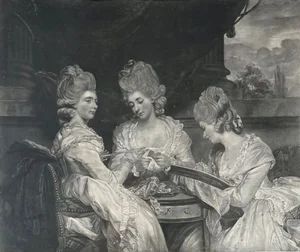
The selections span the eighteenth century and the Georgian period, often showcasing Neoclassical style alongside reverse glass print techniques. Works range from mezzotint portraits after Sir Joshua Reynolds to hand-coloured miniatures and oil paintings.
Mezzotints dominate the offerings, translating grand painted canvases into tonal printed sheets framed behind glass with wood and gold leaf. Regional subjects, such as Irish portraiture, appear alongside iconic aristocratic figures.
Materials and construction methods
Makers utilised paper sheets for mezzotints, applying ink via copper plates roughened to hold deep tones and subtle gradations. Reverse glass prints required pigment and ink applied directly to the rear of the glass panel before sealing.
Framed pieces incorporate wood and gold leaf, mounting the paper or glass securely to protect the delicate surface media. Oil paintings employ traditional pigments on canvas or panel within period frames.
Georgian society ladies stared out from parlour walls while holding everything from teacups to imaginary manor estates.
Factors that determine quality
Original framing utilising period wood and gold leaf enhances the integrity of the piece. The skill of the engraver and the prominence of the original painter dictate the artistic standing of each portrait.
Edward Fisher·Sir Joshua Reynolds·Valentine Green·W Dickinson and Watson·James Watson·Francis Cotes·Thomas Gainsborough
The 18th Century Lady Print Glossary
- Mezzotint
- A printmaking process where the copper plate is roughened to produce dark tones and smooth areas yield light. This technique allows for subtle tonal gradations ideal for portraiture.
- Reverse glass print
- An image applied directly to the reverse side of a glass sheet, often combined with gold leaf or pigment. Viewers observe the finished work through the glass.
- Portrait miniature
- A small, highly detailed painting on paper, vellum, or ivory, framed for personal or portable display. These works capture likenesses with microscopic precision.
- Neoclassical
- An artistic style drawing inspiration from classical antiquity, prevalent during the Georgian period. It emphasises balance, classical drapery, and restrained elegance.
- Hand coloured
- A print embellished with watercolour or pigment by hand after the initial printing process. This adds individual colour to monochrome engravings.
18th Century Lady Print: Frequently Asked Questions
What is a reverse glass print?
A reverse glass print involves applying pigment and ink directly to the back of a glass panel. This technique creates a glossy surface finish that protects the pigments underneath.
Such pieces are typically housed in period wood frames, often accented with gold leaf. The resulting visual depth distinguishes them from standard paper prints.
How do I care for framed paper prints?
Framed paper prints require protection from direct sunlight to prevent fading of the ink and paper. Maintaining stable indoor humidity prevents warping of the wooden frames and degradation of the paper.
Cleaning should involve dusting the glass gently with a dry cloth. Avoid using liquid cleaners directly on the frame or glass edge where moisture might seep inside.
How are mezzotints different from standard engravings?
Mezzotints rely on roughening the entire copper plate with a rocker to create a burr that holds ink for deep blacks. Instead of relying purely on lines, the maker works from dark to light by scraping and burnishing the plate.
This method produces rich velvety tones and smooth tonal transitions. It made mezzotints the preferred medium for translating oil paintings into print.
Are these portraits of real historical figures?
Many prints depict identifiable historical figures, such as countesses, duchesses, and notable society ladies. Artists like Sir Joshua Reynolds painted these subjects before engravers translated the likenesses into print.
Other works represent literary or idealized figures, such as manor ladies or dramatic characters. Titles often record the sitter and the original artist.