


Black Gold Framed Artwork
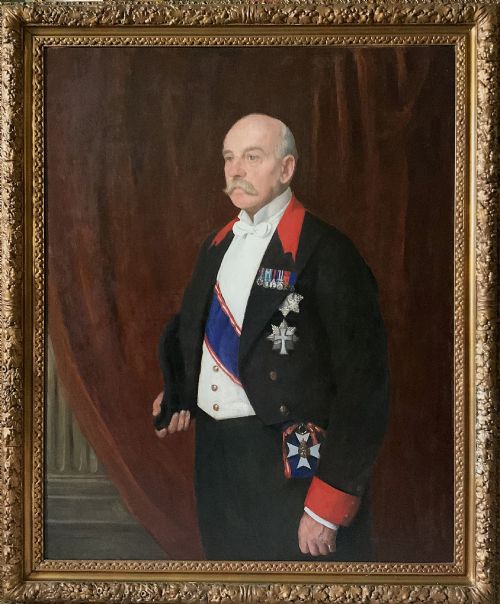
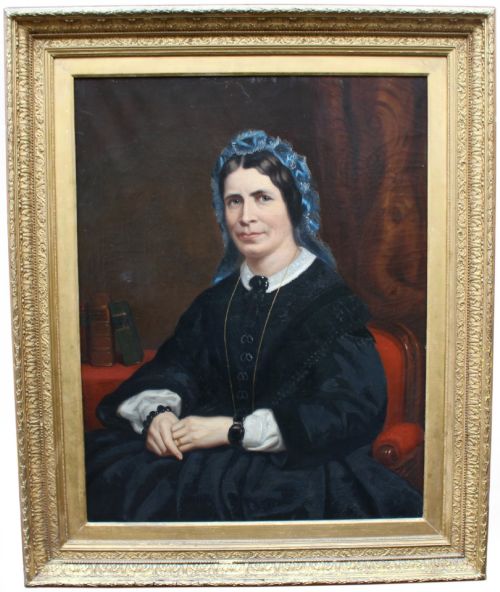
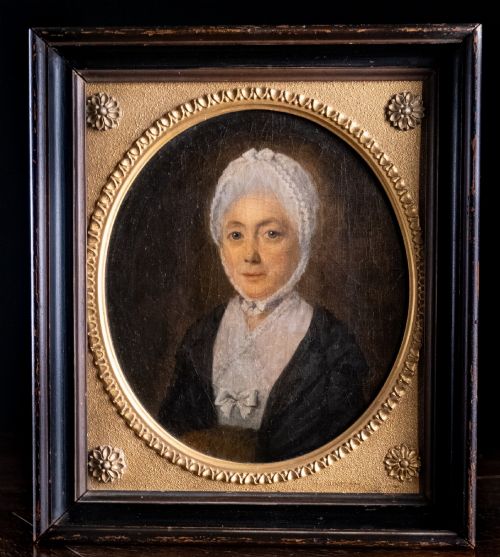
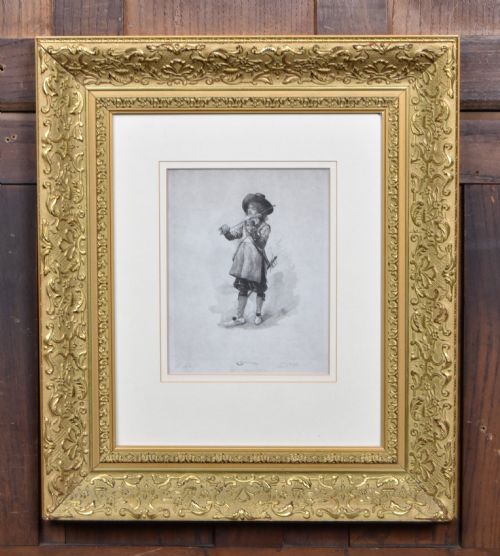
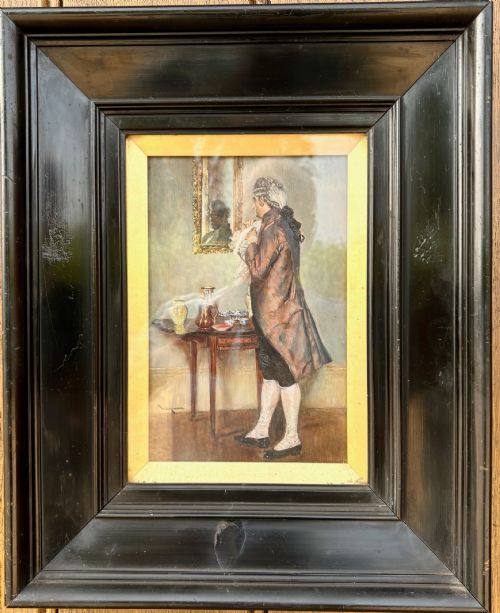
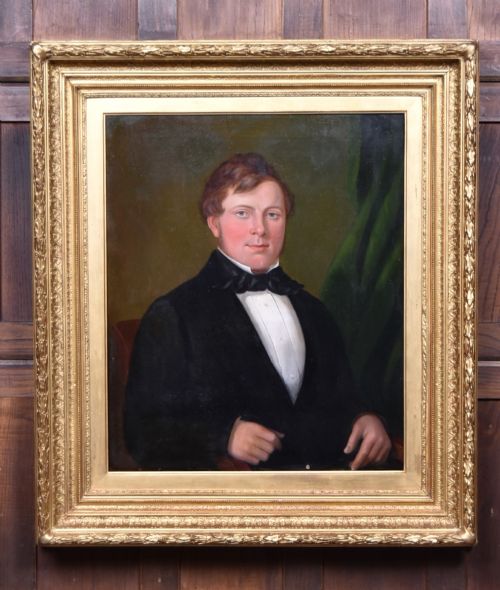
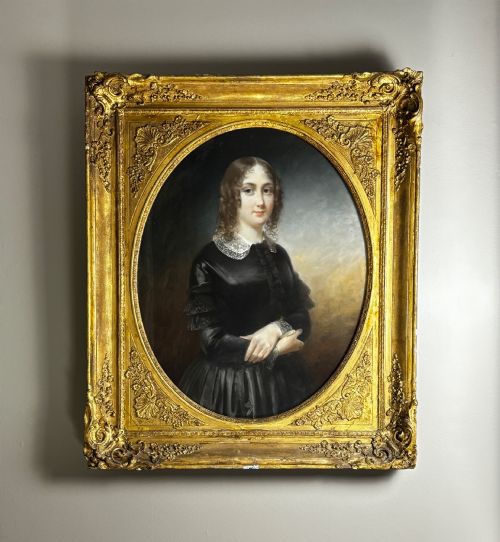
When you search for black gold framed artwork, you look for historic portraits, prints, and paintings enclosed in gilded and dark wooden borders.
Black Gold Framed Artwork
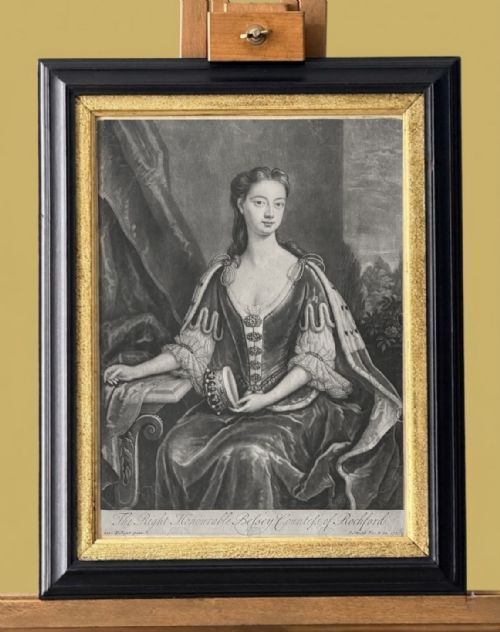
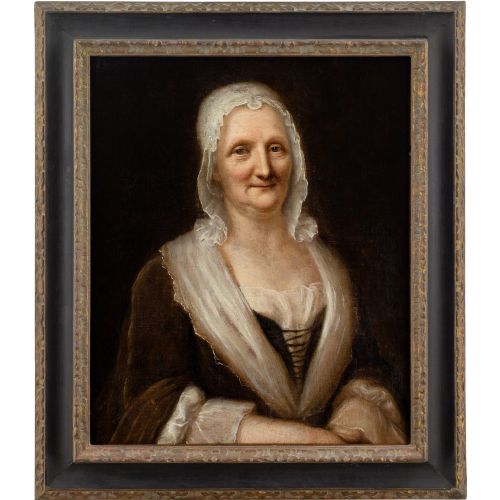
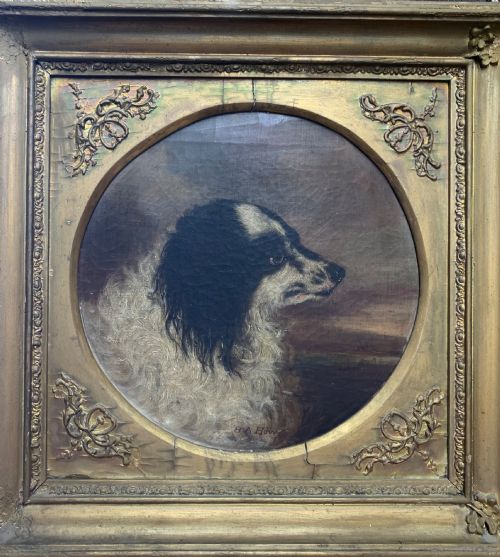
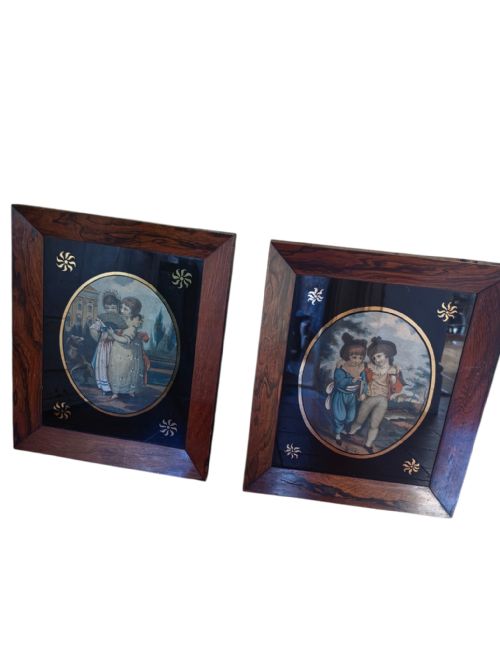
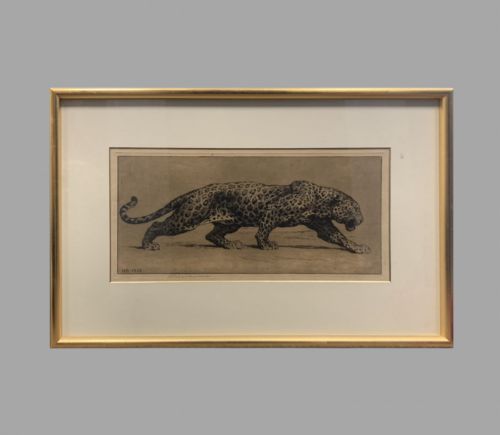
Black gold framed artwork encompasses oil paintings, watercolours, engravings, mezzotints, and silk embroidery panels spanning the eighteenth, nineteenth, and early twentieth centuries. These pieces consist primarily of portraits, classical scenes, and animal studies originating from British, French, and European schools.
The version most commonly met on this page is the nineteenth-century portrait or print, often capturing notable figures, children, or animals within period frames. Buyers find works executed in oil on canvas, oil on board, and paper, reflecting Victorian, Regency, and Georgian tastes.
How they were made
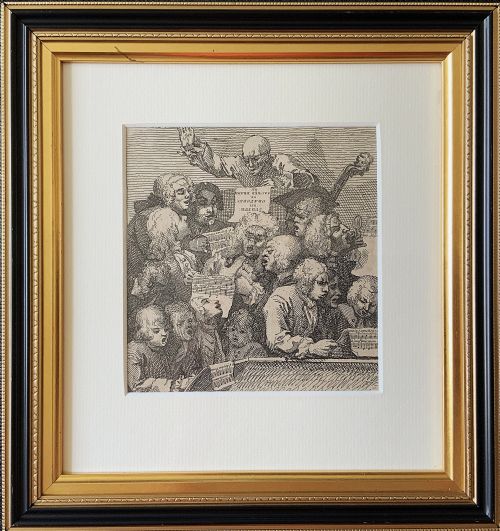
Makers utilised traditional mediums such as oil paints on canvas and panel, alongside watercolours and ink on paper. Printmakers employed engraving, etching, and mezzotint techniques to produce detailed plates, occasionally finished with hand-colouring.
Framing involved the application of gold leaf, gilt, and giltwood onto wooden mouldings, pairing gilded surfaces with dark wood elements like rosewood or painted dark frames to enclose the artwork.
Dogs feature prominently, capturing Lord Methuen's favourite hounds alongside spaniels and show dogs.
What varies in quality
Quality separates through the precision of the draughtsmanship and the expressive depth within portraits and narrative scenes. Master painters and skilled engravers capture anatomical accuracy and fine textures that distinguish superior compositions from simpler works.
The integration between the artwork and its surrounding frame contributes to overall merit. Well-preserved gilding and period-matching wooden frames indicate higher preservation standards and original presentation.
John Smith·W.R. Waters·W.D. Almond·James Stroudley·Herbert Dicksee·William Hogarth·Robert Sayer·George Romney·Henry William Banbury·William Barraud·Raoul Millais·J. Brown·Arthur Hacker·Hans Temple·Del Buono·Valentine Thomas Garland
The Black Gold Framed Artwork Glossary
- Mezzotint
- A printmaking process of the scraperboard family, allowing halftones to be produced without the use of line-based hatching. This technique achieved subtle tonal variations suited for portraits.
- Giltwood
- Wood that has been treated with gold leaf or gold paint applied to its surface. It provides the reflective metallic border characteristic of many antique frames.
- Aquatint
- A variant of etched printmaking that produces areas of tone rather than lines. It found frequent use in reproducing landscape and maritime watercolours.
- Needlework
- Stitched textile art created using yarn or thread upon a canvas ground. Examples include silk embroidery mounted into picture panels.
- Engraving
- The practice of incising a design onto a hard surface, traditionally a metal plate, using a burin. Ink applied to the resulting grooves creates the printed image on paper.
Black Gold Framed Artwork: Frequently Asked Questions
What periods do these artworks cover?
The listings span from the eighteenth century through the Victorian and Regency eras into the early twentieth century.
Pieces include Georgian engravings, nineteenth-century oil portraits, and 1920s etchings.
What subjects appear most often?
Portraits of individuals, actors, and notable historical figures dominate the selection alongside animal studies of dogs and horses.
Buyers also encounter classical scenes, architectural watercolours, and narrative prints.
How should I care for antique framed art?
Keep pieces away from direct sunlight and excessive moisture to protect the paper, canvas, and gilded surfaces.
Dust wooden and gilt frames gently with a dry, soft cloth.