





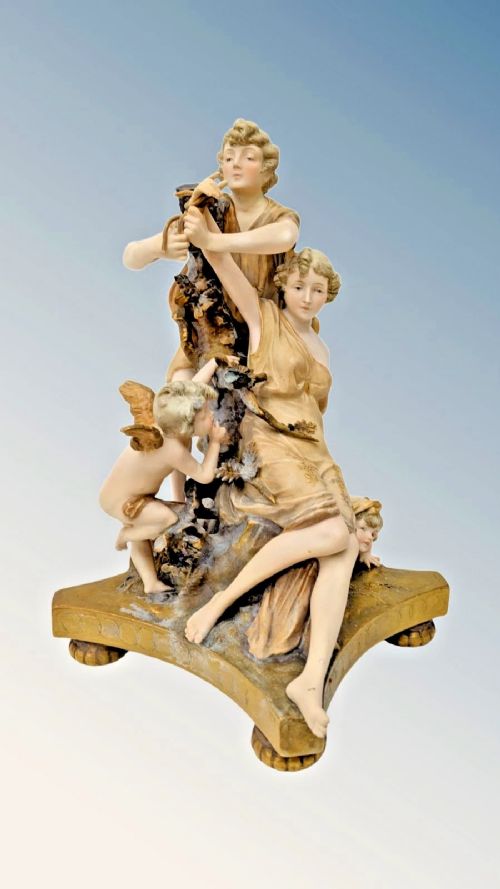

Classical Porcelain Sculptures
These classical porcelain sculptures bring mythological grace and historical presence to a room, offering tactile, figurative elegance rooted in centuries of kilncraft.

Classical Porcelain Sculptures
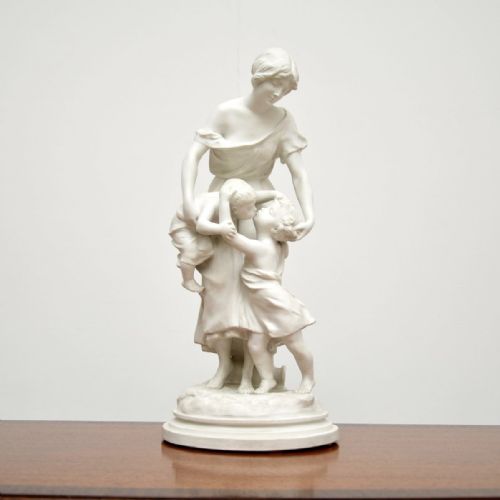
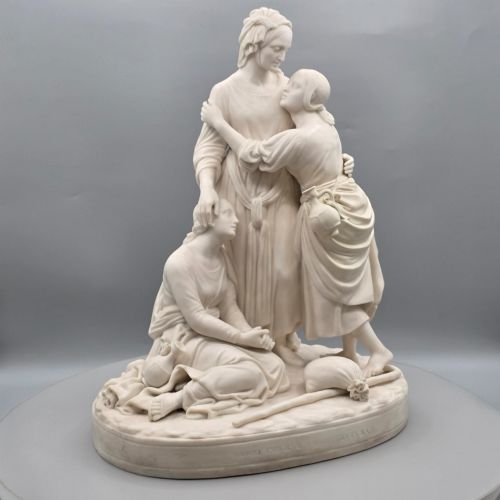
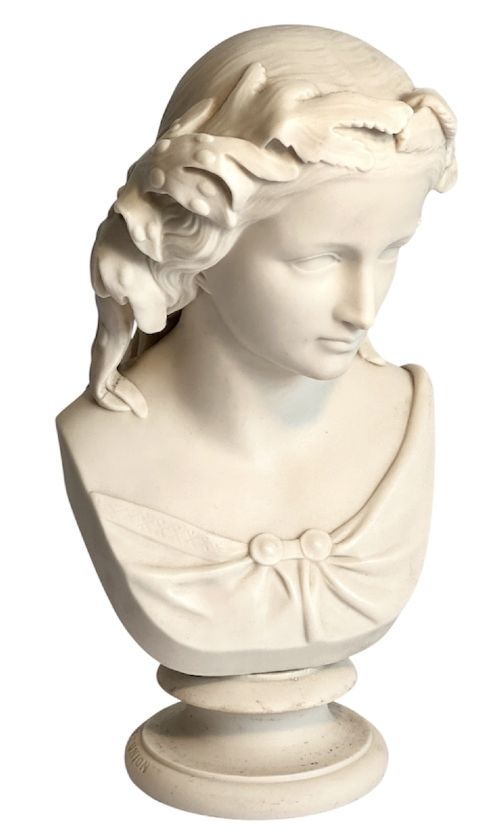
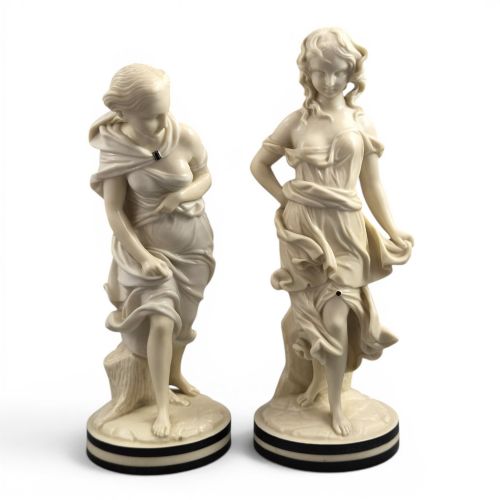
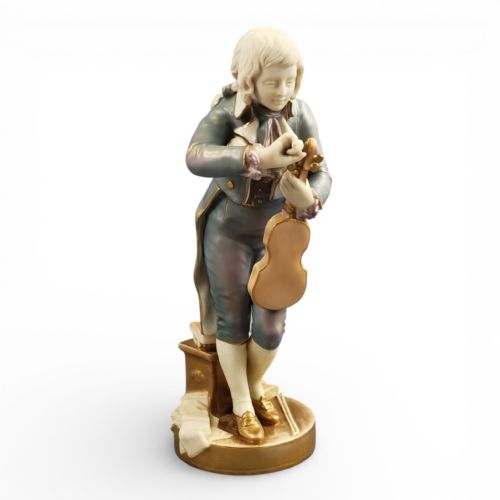
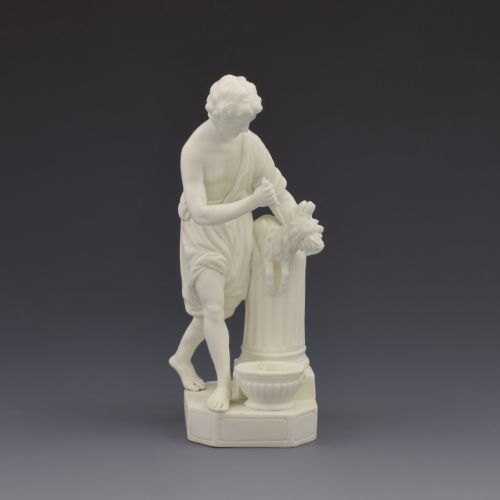
The subjects range from classical maidens and literary heroines to allegorical figures of elements and arts, capturing theatrical and neoclassical postures. These pieces functioned historically as mantel ornaments and cabinet displays for educated households valuing classical refinement.
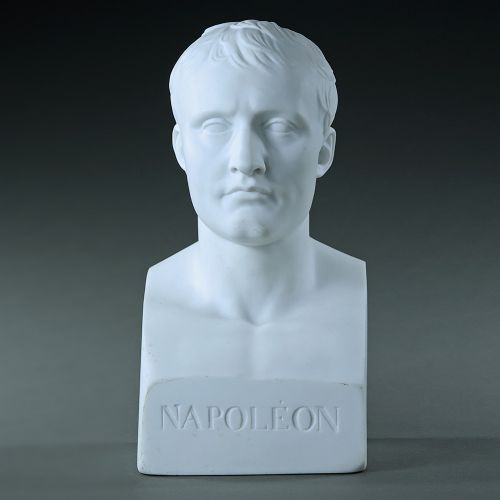
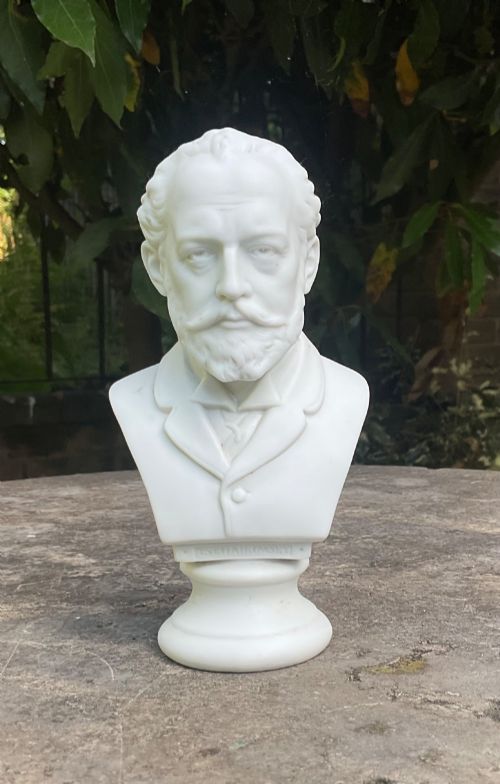
Makers utilised various porcelain bodies to imitate carved marble or provide smooth, unglazed surfaces suited to detailed facial expressions and draped garments. The surviving examples document shifting tastes from eighteenth-century rococo groups to Victorian neoclassical revivalism and Edwardian figures.
How they were made
Bisque or biscuit porcelain remained unglazed after the primary firing, leaving a matte, porous surface that absorbed light and emphasised sculptural contours rather than painted gloss. Selected pieces incorporated delicate hand-painted enamel colours and gold leaf highlights to accentuate garments and bases.
Listings feature porcelain, parian porcelain, and bisque bodies styled in neoclassical, Victorian, and art nouveau traditions.
What varies in quality
The choice of body material also defines the tier of the piece, with dense, evenly fired parian or fine biscuit porcelain achieving a smoother surface texture than lower-fired bodies. Modelling attributed to known sculptors or executed at larger scales commands greater regard for its sculptural ambition.
Sèvres·Minton·Copeland·Royal Worcester·Derby·Royal Dux·Volkstedt·Achille Mollica
The Classical Porcelain Sculptures Glossary
- Parian porcelain
- A fine-grained, unglazed porcelain body developed in the nineteenth century to imitate white marble. It fires at a high temperature to achieve a dense, marble-like finish.
- Bisque porcelain
- Unglazed fired ceramic body, also known as biscuit porcelain, prized for its matte, stone-like texture. This surface allows intricate details to remain sharp without glaze pooling.
- Neoclassical
- A style spanning the eighteenth and nineteenth centuries that draws inspiration from classical antiquity. It emphasises restrained proportions, heroic subjects, and classical drapery.
- Allegorical figure
- A sculptural representation embodying an abstract idea such as an element, season, or art. These figures use symbolic attributes like cornucopias or grapes to convey their meaning.
Classical Porcelain Sculptures: Frequently Asked Questions
What is parian ware?
Parian ware is a type of unglazed porcelain developed in Victorian Britain to mimic carved marble. Its high feldspar content creates a smooth, matte finish when fired.
This material allowed potteries to produce affordable, durable sculptures that brought classical aesthetics into middle-class homes.
How do I clean these sculptures?
Unglazed bisque and parian porcelain have porous surfaces that easily trap dust and oils from handling. Dry dusting with a soft brush is the safest method for regular maintenance.
Avoid using water or chemical cleaners on unglazed surfaces, as moisture can draw embedded dirt deeper into the porous ceramic body.
What is the difference between bisque and parian?
Bisque porcelain refers to any unglazed ceramic piece fired once before potential decoration, used widely across European factories from the eighteenth century onward. Parian is a specific nineteenth-century Victorian formulation designed explicitly to look like white marble.
While both lack glaze, parian typically has a heavier, more vitreous body with a subtle sheen compared to chalky biscuit porcelain.
Where were these figures displayed?
Historically, these porcelain sculptures occupied prominent positions on mantelpieces, drawing room sideboards, and glass-fronted display cabinets. Their classical themes reflected the owner's education and refined taste.
Today, they suit similar display locations where indirect lighting can highlight the subtle contours of unglazed porcelain bodies.