



Classical Nude Figurine
A classical nude figurine captures the timeless human form in bronze, marble, and porcelain, offering a tangible link to ancient mythology and academic sculpture.
Classical Nude Figurine
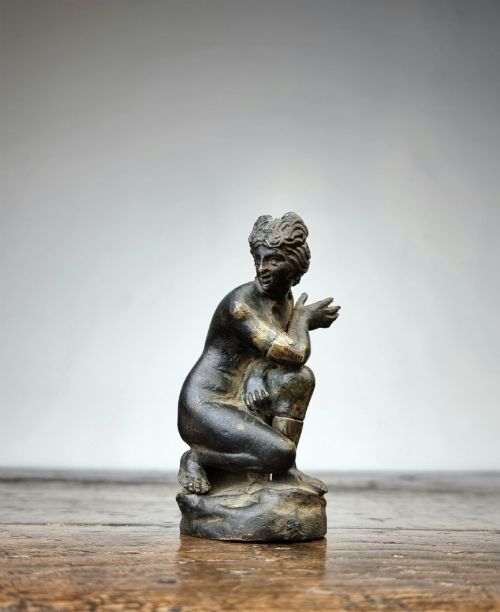
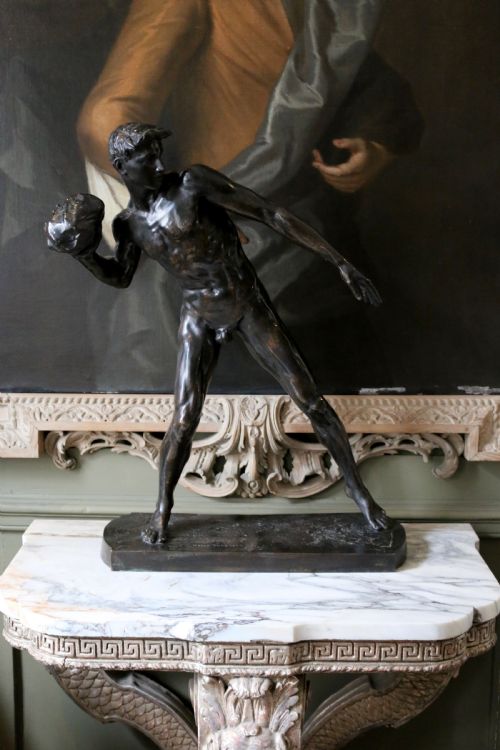
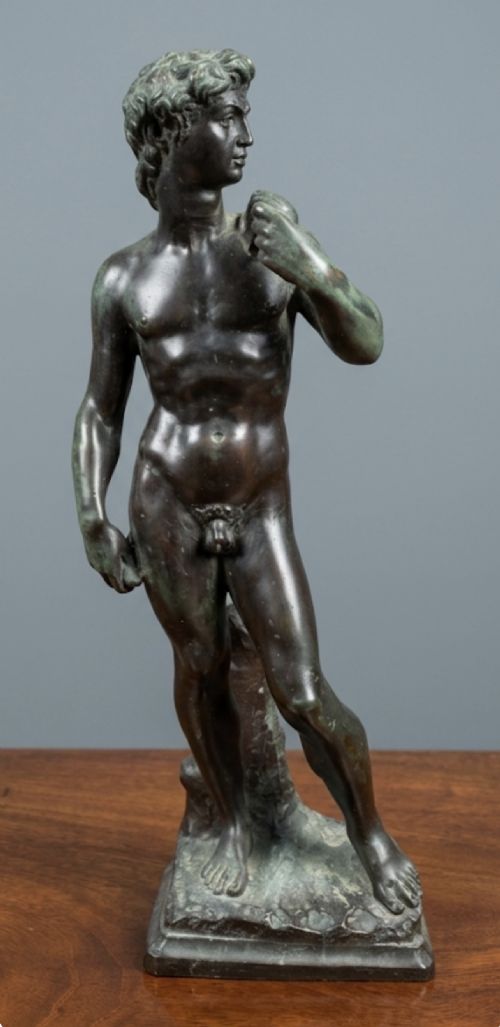
A classical nude figurine typically draws inspiration from ancient Greek and Roman prototypes, translating mythological figures and athletic studies into domestic scale. These pieces emerge across the nineteenth and early twentieth centuries, spanning periods from the Victorian era through the Art Deco movement.
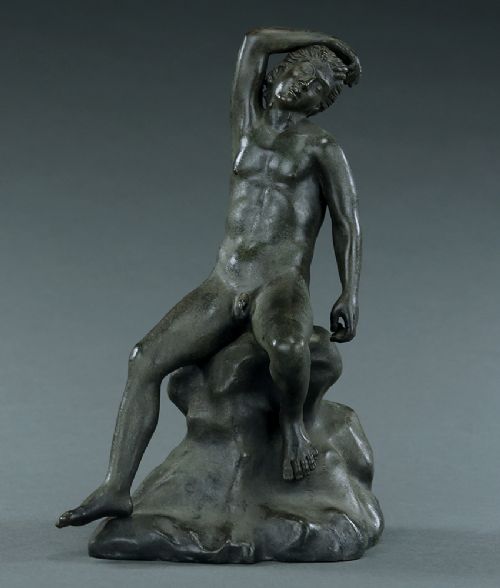
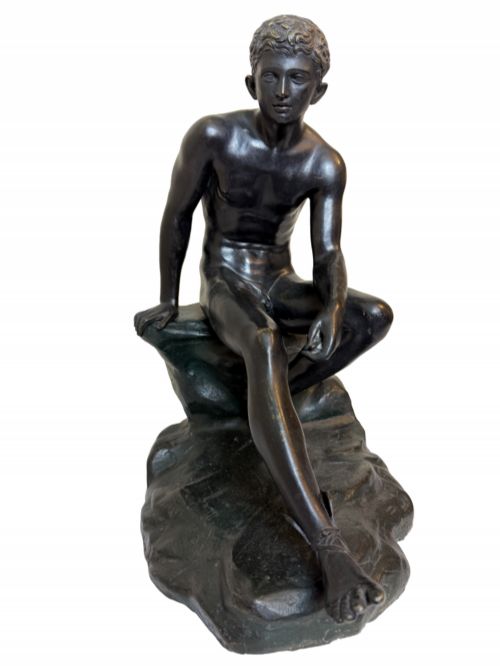
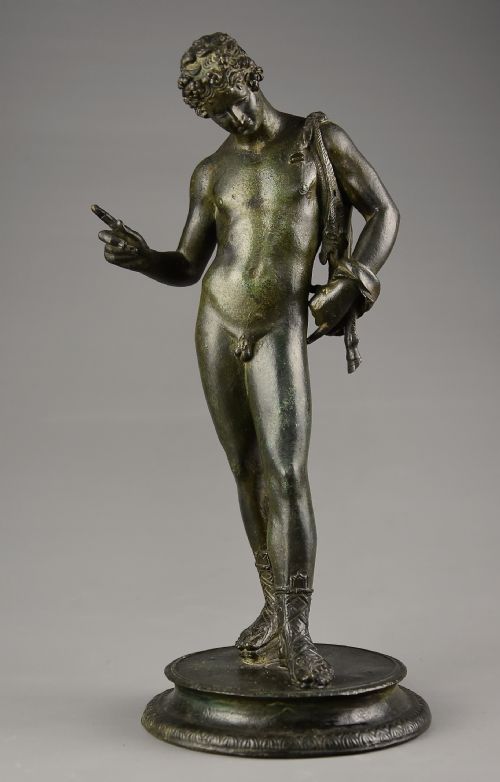
Grand Tour souvenirs form a prominent group within these listings, created in European workshops to supply travellers with miniature bronzes of famous antique statues like the dancing faun or resting athletes. Alongside these, nineteenth-century French and Italian founders produced independent bronze, alabaster, and parian porcelain interpretations of bathers and classical heroes.
The subjects range from reclining female nudes and mythological deities such as Venus and Bacchus to muscular male figures caught in motion or repose. Most examples sit upon integral metal bases or mounted plinths of stone and marble, designed for display on desks and mantelpieces.
Materials and technique
Foundries utilised the lost-wax casting method for bronze figures, allowing sculptors to capture musculature, drapery, and fine surface details before applying chemical patination ranging from dark green verdigris to warm brown tones. Marble and softer alabaster were shaped through hand-carving and abrasive polishing to create smooth flesh surfaces that contrast with rougher rock bases.
Ceramic works relied on specialised kiln firings, employing parian porcelain and biscuit porcelain to imitate the matte texture of carved marble without requiring a glaze. Artisans also worked in carved limewood and terracotta, each medium dictating the crispness of line and the depth of the finished sculpture.
Subjects on this page draw heavily from classical mythology, featuring deities such as Venus, Bacchus, and Dionysus alongside athletic studies and bathers.
Sculptural fidelity and material finish
Quality rests upon the crispness of the casting and the sensitivity of the finishing hand, where superior bronzes retain sharp anatomical definition and subtle surface texturing rather than losing detail to over-polishing. In carved stone and alabaster pieces, the depth of the undercutting and the smoothness of the contours separate master carvers from commercial producers.
The integration of the figure with its base and the choice of patination also determine the standing of a piece, with nuanced chemical treatments and genuine marble plinths indicating higher workshop standards. Creator attribution adds further distinction, particularly when a bronze bears the stamp of a known nineteenth-century founder or the signature of an exhibiting sculptor.
Hamo Thornycroft·Johann Heinrich Dannecker·Fritz Kochendorfer·Hector Lemaire·Aristide Maillol·Canova·Hans Müller·Albert Hussmann·Eugène Désiré Piron·Raoul Francois Larche·Jean Jacques Pradier·Ferdinando de Luca·Franz Iffland
The Classical Nude Figurine Glossary
- Grand Tour
- A traditional trip through Europe undertaken by upper-class young men to collect art and cultural artefacts. In sculpture, it refers to small-scale bronze copies of famous antiquities produced during the eighteenth and nineteenth centuries.
- Patinated Bronze
- Metal sculpture treated with chemical solutions to produce a specific surface colour and finish. This layer protects the bronze and creates rich brown, green, or black tones.
- Parian Porcelain
- A fine-grained, unglazed porcelain developed in Victorian Britain to imitate white marble. It is named after Parian marble from the Greek island of Paros.
- Bisque Porcelain
- Unglaved ceramic ware fired once to produce a matte, porous white surface that resembles marble. It was widely used for nineteenth-century portrait busts and figurative studies.
- Reduction
- A smaller copy of a larger sculpture, often produced in bronze during the nineteenth century using a mechanical reducing machine. This allowed famous monumental statues to be replicated for domestic interiors.
Classical Nude Figurine: Frequently Asked Questions
What is a Grand Tour bronze?
A Grand Tour bronze is a nineteenth-century souvenir sculpture purchased by travellers visiting the classical sites of Italy and Greece. These miniatures replicated famous museum statues for private display.
Founders in Naples, Florence, and Paris cast these figures using traditional methods, often applying dark patination to mimic excavated antiquities.
Are these figures solid bronze?
Many nineteenth-century cabinet bronzes are cast hollow using the lost-wax method to save weight and metal, while smaller statuettes and bases may be cast solid.
Hollow castings often show core material or internal pins inside the base when viewed from underneath.
How should I clean a bronze sculpture?
Bronze figures require only gentle dusting with a soft, dry brush to remove particles. Avoid water, oils, and chemical cleaners that can strip the historic patination.
Applying a very light coat of microcrystalline wax by professional conservators can help protect the metal surface from atmospheric moisture.