


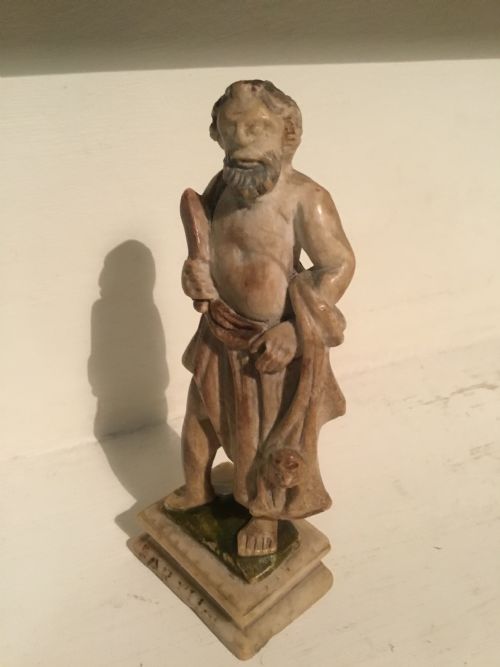


Carved Marble Statuette
A carved marble statuette brings classical weight and sculptural presence to a room, ranging from grand tour figures to intimate nineteenth century busts.
Carved Marble Statuette
When you search for a carved marble statuette, you encounter sculptural works spanning the seventeenth century to the early twentieth century. These pieces encompass classical figures, animal subjects, and portrait busts designed for interior display.
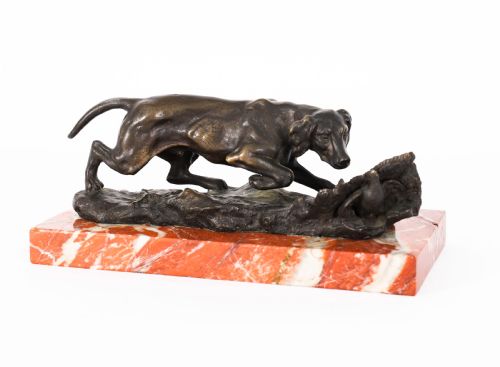
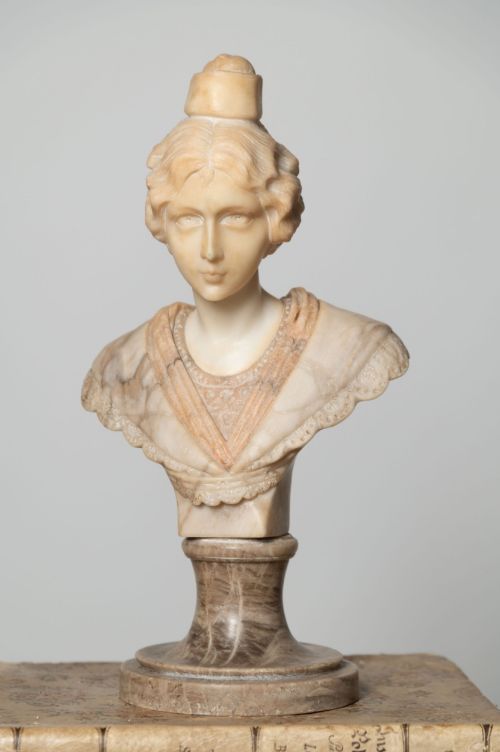
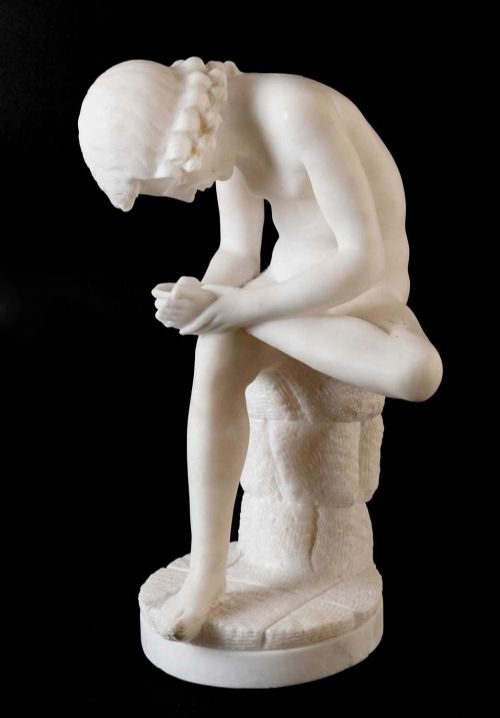
The selections on this page are dominated by nineteenth century examples, including grand tour souvenirs and French classical revival pieces. You will find both full figures and smaller busts carved from stone and alabaster.
Origins stretch from Italian workshops producing Carrara marble works to French studios crafting female figures and allegorical subjects. The forms vary from mythological studies to portraits of young women and gentlemen.
How they were made
These works rely on the reduction and shaping of natural stone using chisels, rasps, and abrasive powders to achieve smooth contours and fine detail. Sculptors worked directly from blocks of marble, alabaster, serpentine, or onyx.
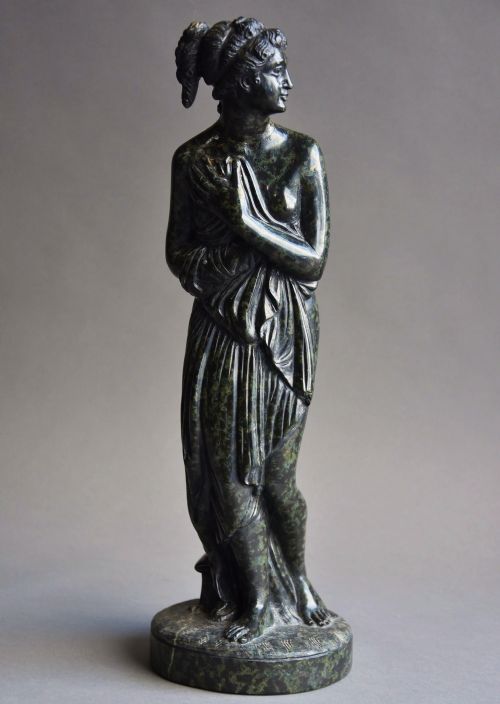
Many nineteenth century pieces integrate mixed media, combining carved stone figures with cast bronze elements or mounting them on contrasting serpentine bases. Surface finishes range from high polish to matte patination depending on the stone used.
Listings feature periods spanning from the seventeenth century through to the early twentieth century, utilising marble, alabaster, and serpentine.
What varies in quality
Quality rests in the anatomical precision of the carving, the subtlety of facial expression, and the crispness of drapery folds. Superior pieces capture lifelike movement and delicate textures in unforgiving stone.
The choice of material alters the character of the object, from fine grained Carrara marble to translucent alabaster and dense green serpentine. Finer works display meticulous hand finishing that preserves the integrity of the original form.
Carl Kauba·Fritz Kochendorfer·Antonio Canova
The Carved Marble Statuette Glossary
- Grand Tour
- A traditional trip through Europe undertaken by upper class Europeans, acquiring souvenirs such as small marble or serpentine sculptures. These items were often reduced copies of classical antiquities.
- Carrara Marble
- A type of white or blue grey marble quarried in the city of Carrara in Tuscany, widely prized for its use in classical sculpture. It offers a fine, uniform grain suitable for delicate detail.
- Serpentine
- A group of green silicate minerals often used as a substitute for marble in decorative objects and bases. Its mottled appearance resembles the skin of a serpent.
- Alabaster
- A fine grained mineral frequently used for carving figures and lamps due to its soft texture and translucency. It allows light to penetrate slightly beneath the surface.
- Animalier
- A nineteenth century artistic style focusing on the realistic depiction of animals. Sculptors working in this manner studied live subjects to capture accurate anatomy in stone and bronze.
Carved Marble Statuette: Frequently Asked Questions
How do I clean marble?
Dust the surface gently with a dry, soft cloth to prevent particle buildup. Avoid harsh chemical cleaners or excess water, which can damage unsealed stone.
For more stubborn marks, consult a specialist conservator rather than attempting aggressive scrubbing. Stone surfaces are sensitive to acidic substances and abrasives.
What is grand tour marble?
Grand tour pieces are smaller scale sculptures and architectural models bought by travellers touring cultural sites in Italy during the eighteenth and nineteenth centuries. They served as tangible records of classical art education.
These works often reproduce famous ancient statues found in Roman and Florentine collections. They bring a scholarly eighteenth or nineteenth century aesthetic into domestic interiors.
How can I date a piece?
Dating relies on stylistic clues, costume details, the type of stone, and the character of the carving technique. Nineteenth century works often show machine assistance alongside hand finishing, while earlier pieces rely entirely on manual tool work.
Signatures or inscriptions can sometimes pinpoint a specific sculptor or studio active during a particular decade. Comparing the subject matter to known classical revival trends also helps narrow the period.
Where should I display it?
Place statuettes on stable surfaces such as console tables, desks, or mantels where their weight is fully supported. Ensure they sit away from direct heat sources and fluctuating humidity to protect the stone.
Good lighting from a side angle helps accentuate the carved contours and surface texture of marble and alabaster. Positioning them at eye level allows you to appreciate the finer details of the sculpture.