




Female Nude Statuette
A female nude statuette captures the human form in bronze, marble, alabaster and glass, moving from nineteenth-century classical subjects to sleek Art Deco dancers.
Female Nude Statuette
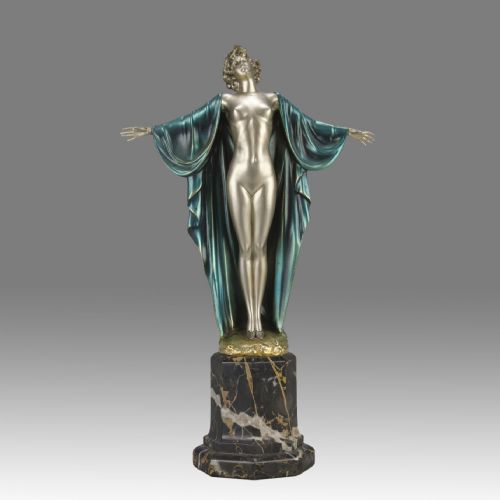
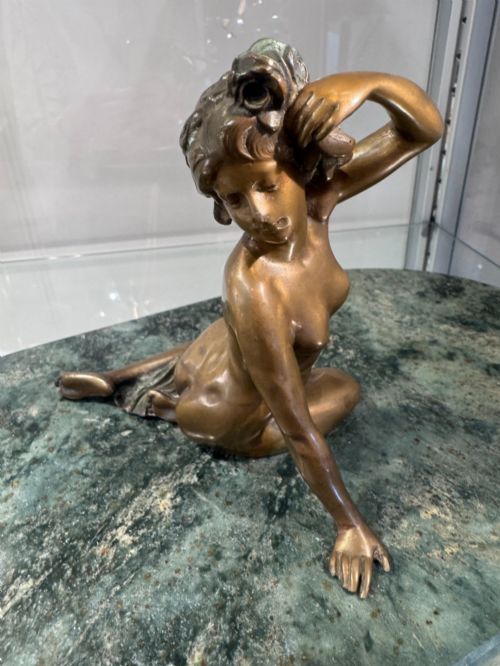
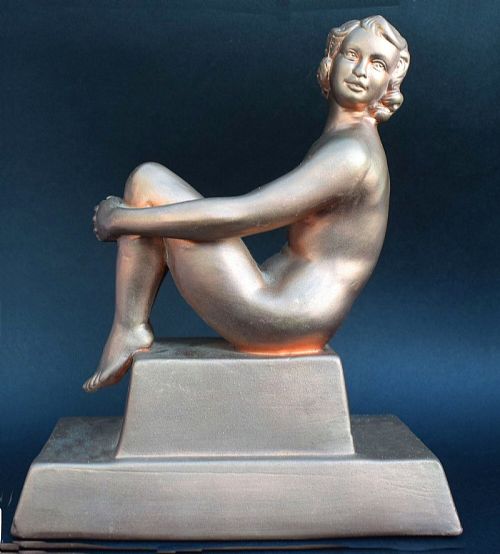
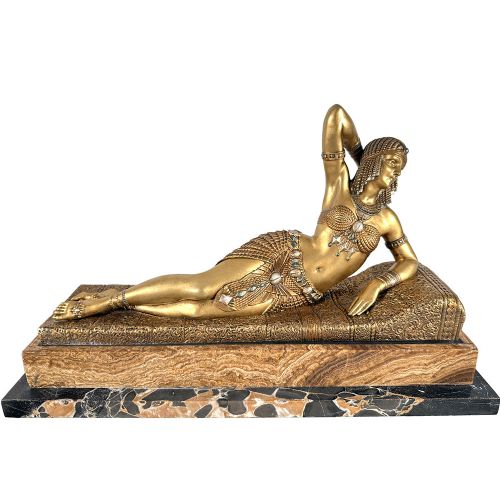
When searching for a female nude statuette, collectors encounter small-scale sculptures shaped from bronze, marble, onyx, alabaster, porcelain, enamel and glass. These pieces span the nineteenth century, the Art Nouveau period and the Art Deco era, originating primarily from French and Austrian foundries and studios.
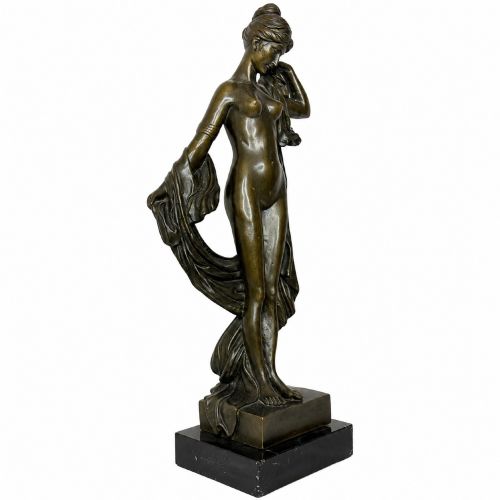
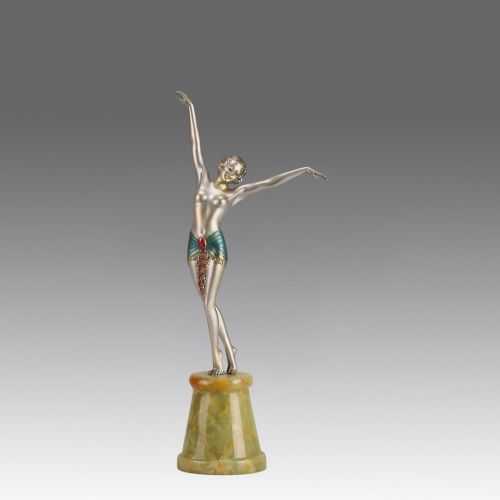
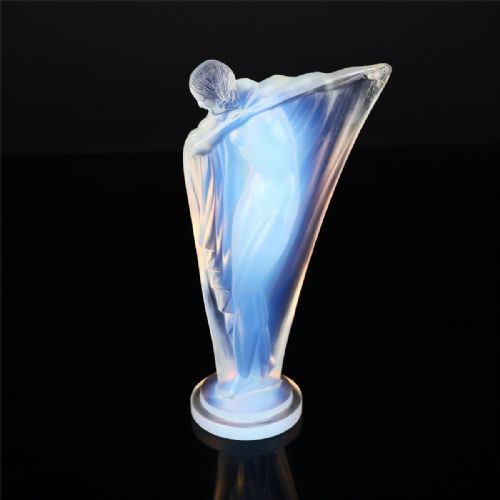
The versions met most frequently on this page include cast bronze figures mounted on stone bases, cold-painted and silvered metal statuettes of dancers, and moulded glass or porcelain figurines from the nineteen-twenties and nineteen-thirties.
Materials and Construction
Foundries cast these figures in bronze or spelter using traditional methods, often applying patination, silvering, cold-painting or gilt finishes to the metal surface. Sculptors then mounted the finished metal figures onto bases of carved marble, onyx or alabaster.
Glass statuettes utilise press-moulding techniques to create opalescent effects, while ceramic works rely on fired porcelain bodies glazed in workshops such as Royal Dux.
At least one frog achieved royalty before sitting quietly on a nineteenth-century shelf.
Distinctions in Standard
Quality rests in the crispness of the metal chasing and the depth of the casting detail across hands, hair and drapery. Superior pieces retain their original surface treatments, whether patinated bronze, cold-painted pigment or silvering, rather than later repainting.
The choice of base material also marks the tier of a piece; substantial carved marble or onyx mounts matched to heavier metal castings represent the higher standard of production compared to lighter composite alternatives.
Rudolf Küchler·Ferdinand Preiss·Josef Lorenzl·Demetre Chiparus·Lucille Sevin·Fritz Kochendorfer·S. Kinsburger·Anders Zorn·Hebrard·Claire Jeanne Roberte Colinet·René Lalique·Royal Dux·Bruno Zach·Pierre le Faguays·Gustav Adolf Daumiller·Mario Korbel
The Female Nude Statuette Glossary
- Cold-painted bronze
- A method where paint is applied to a cold bronze casting without heat firing, common in Austrian statuettes from the early twentieth century.
- Patinated bronze
- Metal treated with chemical solutions to produce a darkened or coloured surface finish, protecting the bronze while defining sculptural contours.
- Spelter
- An alloy of zinc and lead used as a less costly alternative to bronze for sculptural castings, frequently encountered in twentieth-century figures.
- Grand tour
- A nineteenth-century tradition of acquiring small souvenir reductions of classical sculptures during travels through France and Italy.
- Opalescent glass
- Glass containing ingredients that diffuse light to create a milky, shimmering appearance, utilised by makers for decorative figurines.
Female Nude Statuette: Frequently Asked Questions
What periods do these statuettes cover?
The pieces span from the nineteenth century through the Art Nouveau movement of nineteen hundred to nineteen-twenty, and into the Art Deco period of the nineteen-thirties.
Nineteenth-century examples lean towards classical subjects and traditional patinated bronze, while later twentieth-century works embrace dynamic dancers and mixed materials like marble and glass.
How were these figures displayed originally?
Sculptures of this scale served as interior ornaments for nineteenth-century drawing rooms and twentieth-century salons, often positioned on mantelpieces or specialised display pedestals.
Many metal figures were permanently secured to heavy bases of marble, onyx or alabaster to ensure stability on furniture surfaces.
How do I distinguish bronze from spelter?
Bronze castings feel heavier, display a resonant sound when tapped lightly, and take a rich, stable patination over decades of handling.
Spelter is a softer zinc alloy that feels lighter in the hand and often shows grey metal beneath worn areas of paint or surface plating.
Where were most of these statuettes made?
The majority originate from European workshops and foundries, with a strong concentration of French studios and Austrian makers producing works during the late nineteenth and early twentieth centuries.
Foundries in Paris and Vienna cast figures for international markets, employing distinct artistic styles ranging from French classical to Art Deco.