


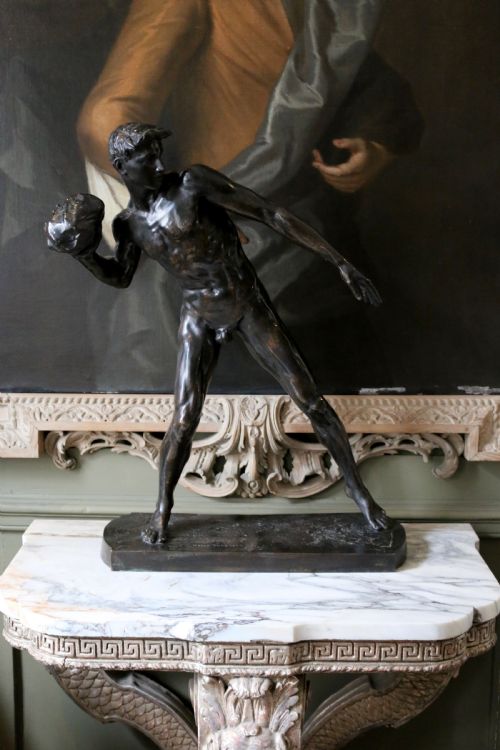
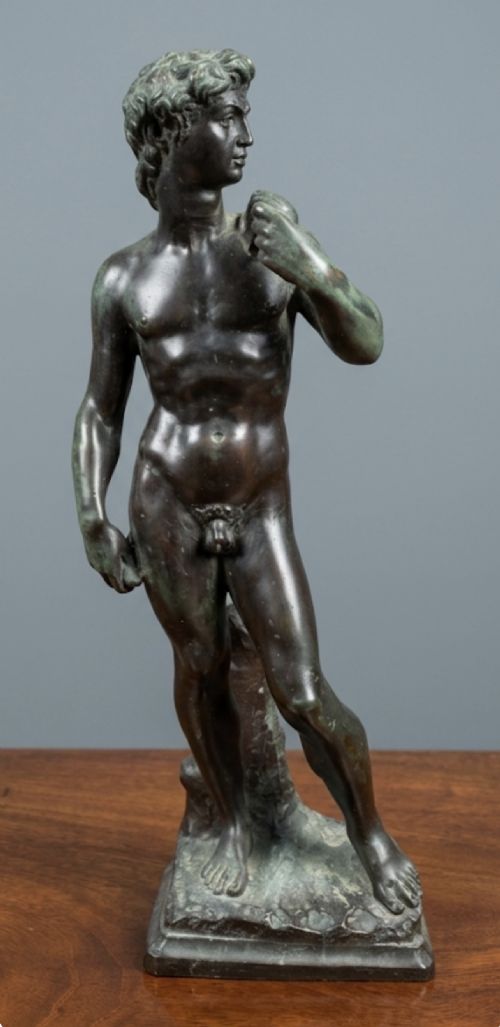
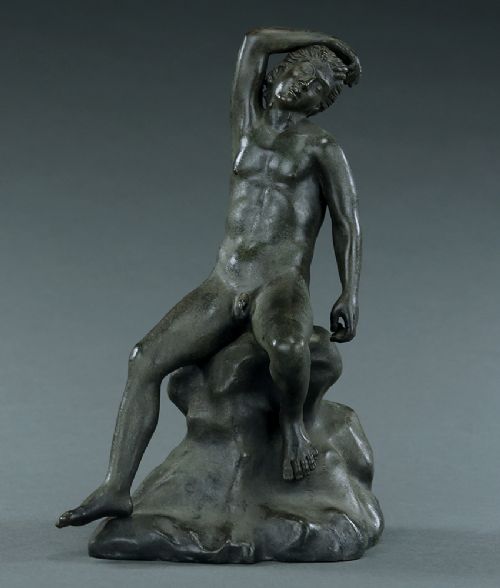
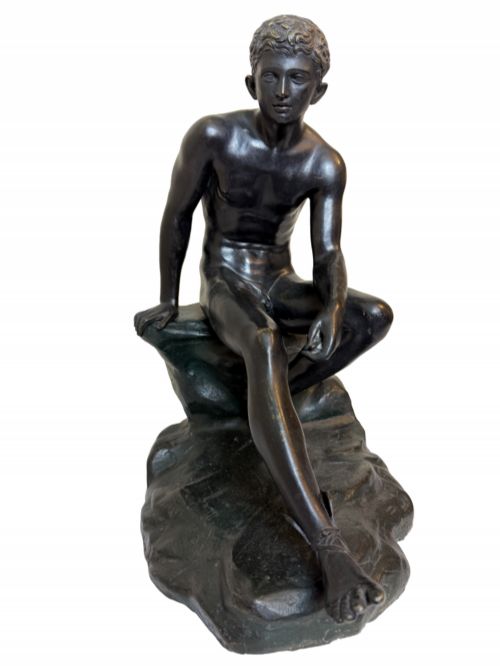
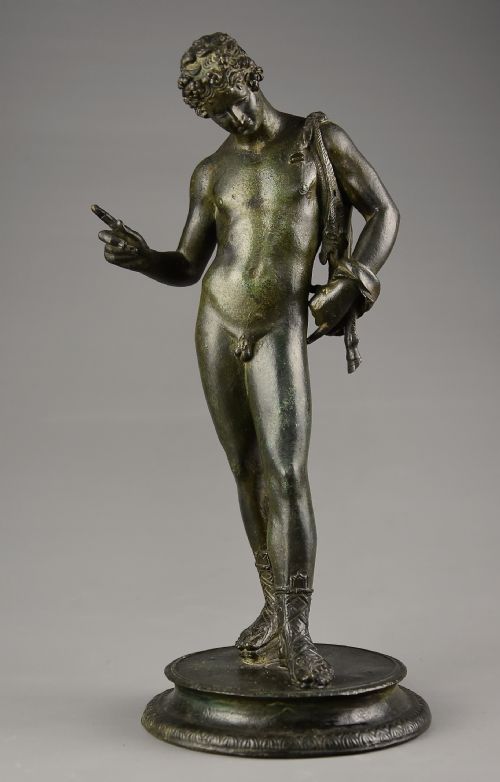


Classical Nude Bronze Figure
A classical nude bronze figure captures the human form with enduring proportion, offering collectors a tangible link to antique sculpture and 19th-century foundry skill.
Classical Nude Bronze Figure
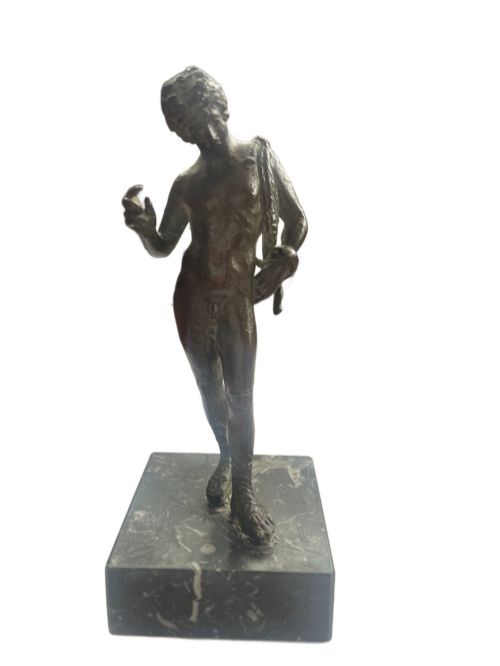
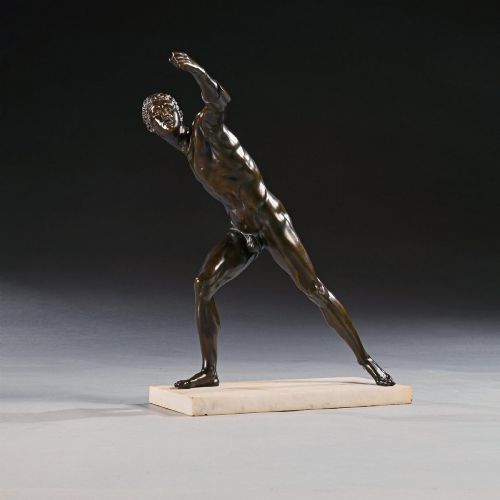
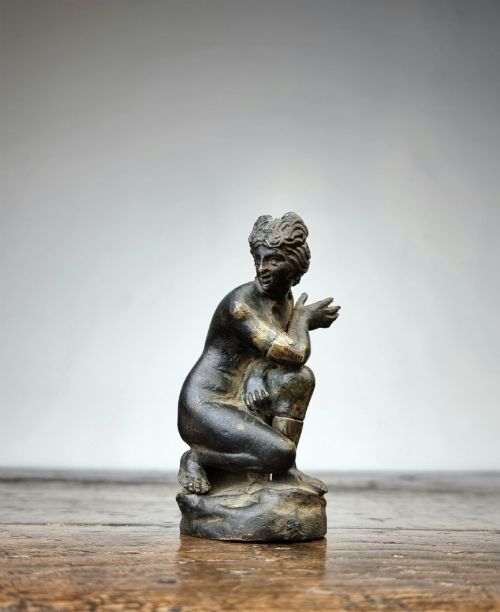
A classical nude bronze figure draws heavily upon ancient statuary traditions, depicting mythological subjects, athletes, and idealized human forms. These works range from small Grand Tour souvenirs gathered by travellers in Italy to large-scale gallery castings produced by established French foundries.
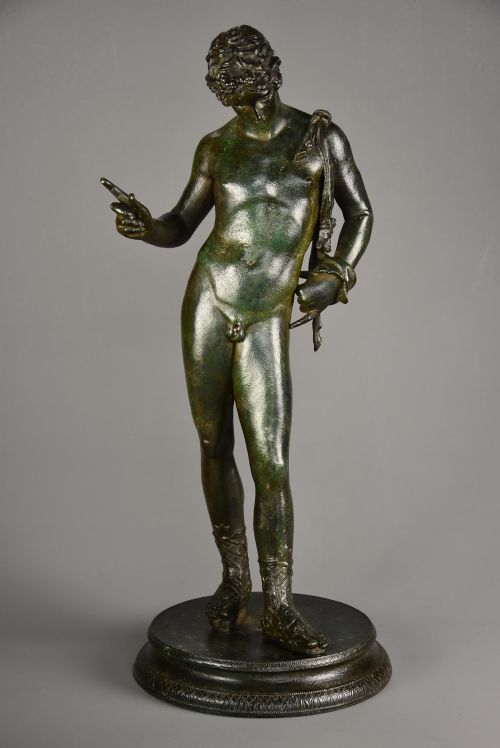
The selections available lean heavily toward 19th-century French production and Neapolitan Grand Tour reductions after ancient marbles. Figures like Narcissus, the Dancing Faun, and Venus appear frequently, anchored to bases of fossil marble, slate, or stone.
Materials and casting methods
Foundries utilised the lost-wax method or sand casting to translate modelled clay into durable metal. The resulting cast metal is treated with chemical applications to achieve varying finishes, from deep dark patinas to vivid green verdigris and parcel-gilt highlights.
Mounts and integral plinths frequently incorporate contrasting geological materials such as fossil marble, plain slate, and decorative stone. These heavier bases provide both physical stability and a neoclassical aesthetic suited to the period.
The listed works span multiple periods from the 17th century through the Victorian era, Art Nouveau, Art Deco, and the early 20th century.
Evaluating the cast
Quality rests in the crispness of the chasing and the fidelity of the reduction from the original antique source. A superior cast retains subtle anatomical transitions, clean definition in hair and musculature, and careful clean-up of the metal seams after removal from the mould.
The depth and subtlety of the patination further distinguish standard commercial output from exceptional foundry work. Applied patinas that display tonal variation and stable integration with the bronze surface indicate superior chemical treatment during finishing.
Ferdinand Barbedienne·Hamo Thornycroft·Hector Lemaire·Eugene Barillot·S. Kinsburger·Aristide Maillol·Canova·Albert Hussmann·Eugène Désiré Piron·Raoul Francois Larche·James Pradier·Delafontaine·Jean Jacques Pradier·Ferdinando de Luca·Devaulx
The Classical Nude Bronze Figure Glossary
- Grand Tour
- A traditional trip through Europe, particularly Italy, undertaken by upper-class Europeans to study classical art. Souvenirs purchased on these journeys often included bronze reductions of famous excavated statues.
- Patination
- The chemical treatment applied to the surface of metal to alter its colour and texture. This process protects the bronze while creating aged green, brown, or black tones.
- Reduction
- A smaller copy of a larger sculpture, achieved accurately through mechanical scaling instruments. Many 19th-century foundry pieces are reductions of ancient marble originals.
- Verdigris
- A green layer resulting from the corrosion of copper and its alloys. Foundries deliberately recreate this turquoise-green finish to mimic the appearance of buried antiquity.
- Lost-wax casting
- A metalworking process where a molten metal is poured into a mould that has been created by means of a wax model. The wax is melted and drained away prior to pouring.
Classical Nude Bronze Figure: Frequently Asked Questions
What is a Grand Tour bronze?
A Grand Tour bronze is a small-scale sculpture acquired by 19th-century travellers visiting classical sites in Italy. These objects served as portable education and sophisticated interior decoration.
Foundries in Naples and Paris specialised in casting these reductions after famous excavated antiquities for the foreign market.
How do I identify the casting period?
Dating relies on the style of the base, the character of the patination, and foundry marks stamped into the metal. Nineteenth-century examples often feature heavier mineral bases and distinct hand-finished chasing.
Later 20th-century reproductions may show simplified surface details and different alloy compositions beneath the patina.
Where should I display these figures?
These sculptures require stable surfaces away from direct moisture and extreme temperature fluctuations to protect the metal and stone bases. Placing them on sturdy desks, bookcases, or dedicated pedestals allows proper appreciation of the three-dimensional form.
Good ambient lighting helps reveal the subtle variations in the dark or verdigris patination.
Are these pieces solid bronze?
Most figurative sculptures of this scale are cast hollow to conserve metal and reduce overall weight while maintaining structural integrity. Heavier bases made of marble or slate add necessary counterweight to prevent tipping.
Foundries achieved wall-thickness consistency through careful core placement during the casting process.