



Classical Maiden Ornament
A classical maiden ornament brings timeless sculptural grace to a room, offering enduring figures cast in bronze, porcelain, and stone.
Classical Maiden Ornament
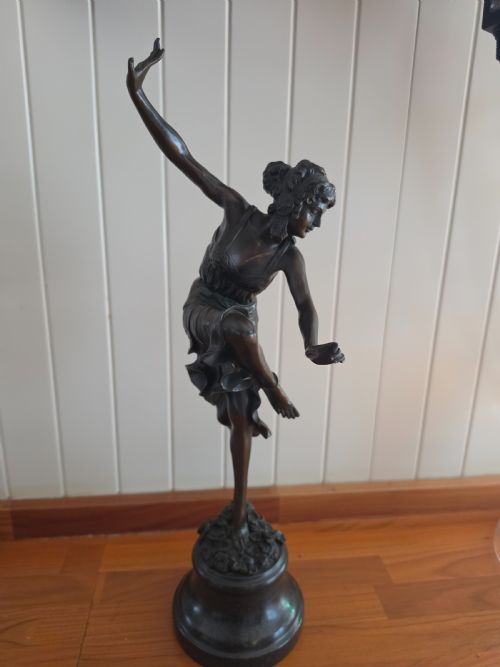
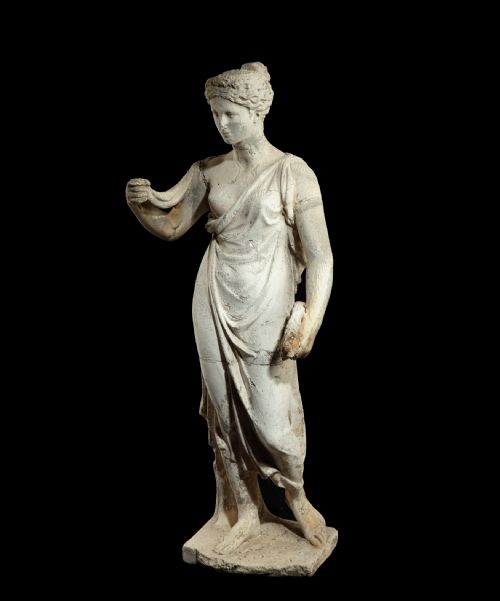
A classical maiden ornament captures female figures inspired by ancient Greece and Rome, spanning tabletop figurines to garden statues. These pieces take the form of dancing girls, seated maidens with doves, and allegorical busts reflecting neoclassical and art nouveau tastes.
The selections encountered most frequently on this page include nineteenth-century French bronze sculptures and twentieth-century porcelain figurines. Makers and manufacturers of the period rendered these subjects in diverse scales, ranging from small cabinet bronzes to large garden statues.
Works emerge from varied eras, stretching from nineteenth-century Victorian pieces through the art deco period. Buyers encounter both cabinet-scale porcelain and robust stone figures designed for outdoor display.
How they were made
Foundry artisans cast metal figures using the traditional lost-wax method, capturing fine drapery and facial expressions in bronze before applying patinas or gold leaf. Iron and cast stone offered alternative mediums for heavier garden statuary and architectural busts.
Ceramic studios shaped porcelain and enamel into glazed figurines, utilising moulds and hand-finishing techniques. Royal Worcester and Royal Dux items demonstrate the precise porcelain modelling and delicate painting characteristic of period factories.
Listings feature works spanning the nineteenth century through the 1950s, executed in bronze, porcelain, and stone.
What varies in quality
Signatures by recorded sculptors or marks from esteemed potteries elevate a piece's standing. The depth of the original patina and the crispness of porcelain glazing further define the overall integrity of the object.
Moreau Family·C J R Colinet·Royal Worcester·Clodion·Maurice Bouval·Emmanuel Villanis·Royal Dux·Henri Plé·Leon Pilet
The Classical Maiden Ornament Glossary
- Neoclassical
- A style reviving the art and architecture of ancient Greece and Rome, prominent in nineteenth-century decorative objects. It emphasises proportion, symmetry, and classical drapery.
- Patina
- The surface sheen and colour developed on bronze or metal through age and chemical treatment. Artisans also apply chemical patinas deliberately during creation to enhance depth.
- Terracotta
- Fired red clay used for sculptural figures and busts before glazing or painting. It allows for expressive modelling by the sculptor's hand.
- Lost-wax casting
- A metalworking process where a molten metal is poured into a mould that has been created by means of a wax model. The method allows for intricate undercut details in bronze sculptures.
Classical Maiden Ornament: Frequently Asked Questions
How do I date a bronze maiden?
Examining the foundry marks, the tone of the patina, and the style of the casting helps establish the period of creation. Nineteenth-century works often exhibit deep, hand-finished patinas and specific foundry stamps.
Comparing the base construction and signature style against known examples by recorded sculptors provides further chronological context.
Where should I place stone garden figures?
Large stone or reconstituted stone statues suit sheltered garden positions, patios, or dedicated garden rooms. Placing them on suitable plinths protects the material from prolonged direct contact with damp soil.
Positioning them away from heavy frost pockets preserves the stone surface and prevents weathering damage over time.
What does neoclassical mean for figures?
Neoclassical design draws directly on the aesthetic principles of classical antiquity, focusing on heroic or mythological female forms. Figures wear traditional robes and adopt graceful, balanced postures.
This artistic direction avoids excessive ornamentation in favour of clean lines, balanced proportions, and serene facial expressions.