
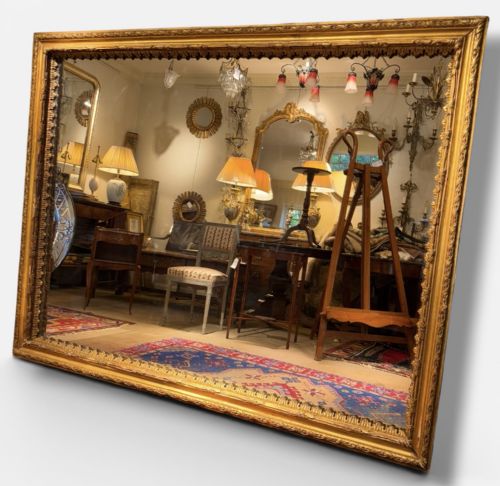
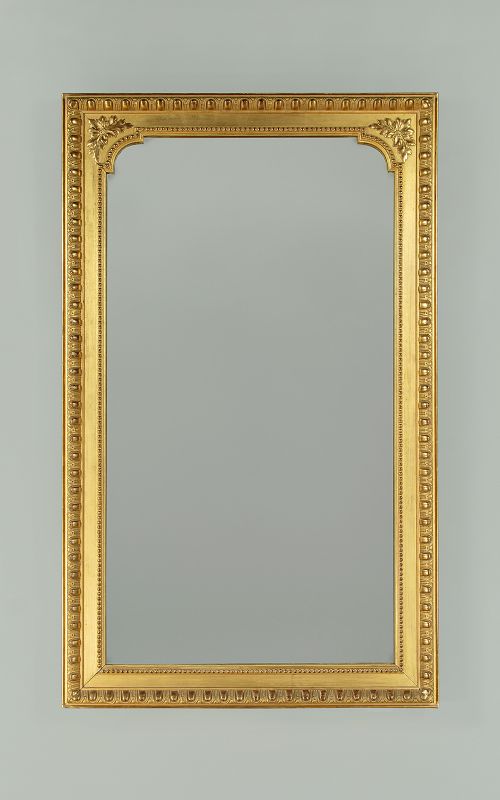


Classical Gilt Frame Mirror
A classical gilt frame mirror brings warmth and reflective depth to a room through gilded surfaces and period mouldings.
Classical Gilt Frame Mirror
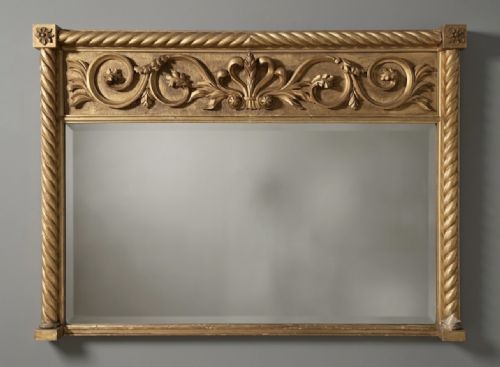
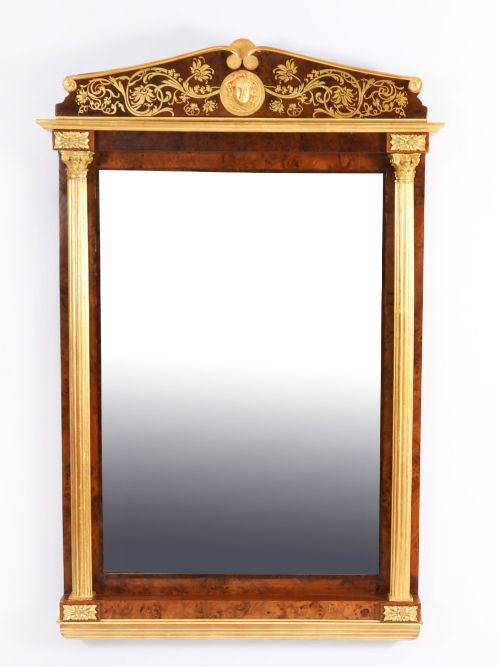
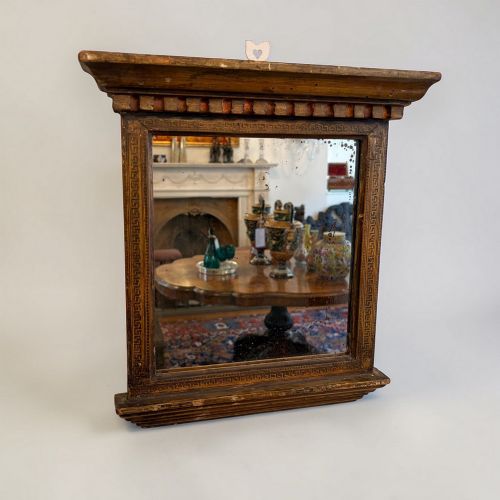
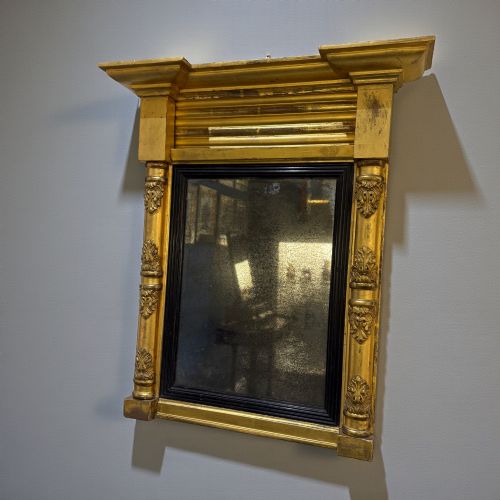
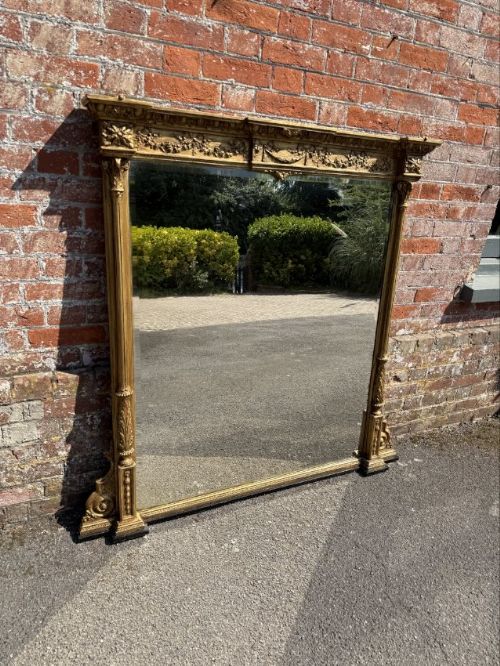
A classical gilt frame mirror serves both functional and decorative purposes in domestic interiors, appearing frequently in formats such as wall mirrors, overmantels, pier mirrors, and trumeaus. Buyers seeking this phrase encounter pieces spanning the Georgian, Regency, and Victorian eras, alongside later revivals of the nineteenth and twentieth centuries.
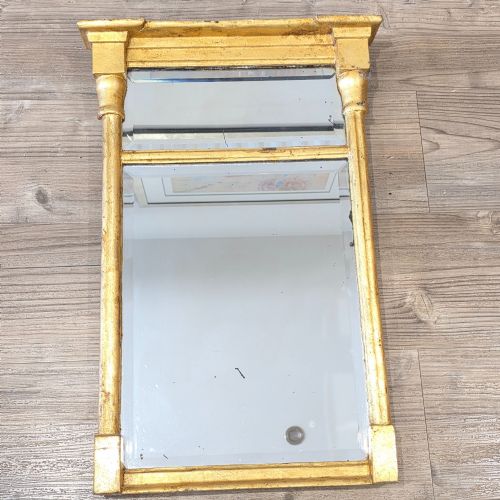
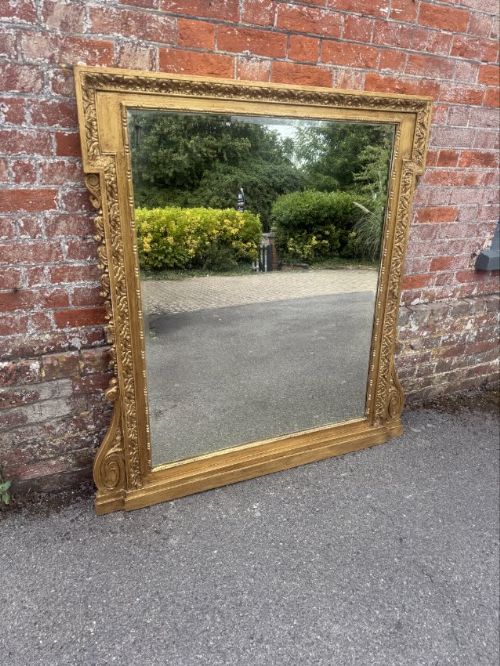
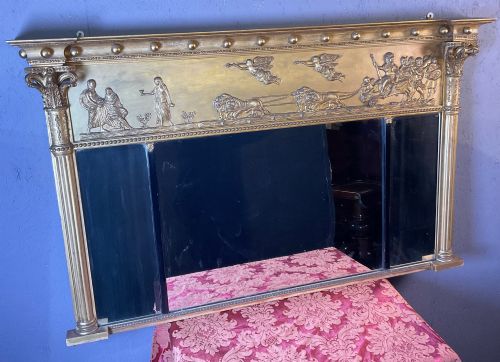
Overmantel mirrors dominate the larger scale options, designed historically to sit above fireplace mantels, while pier mirrors occupy narrower wall spaces between windows. French examples often feature trumeau panels or mythological and floral carvings, contrasting with English interpretations that favour column frames, rope twists, and classical symmetry.
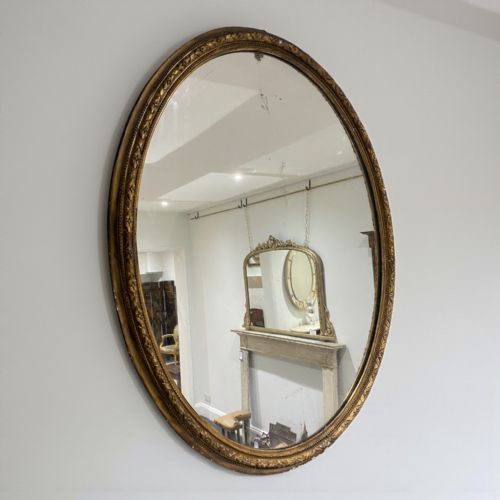
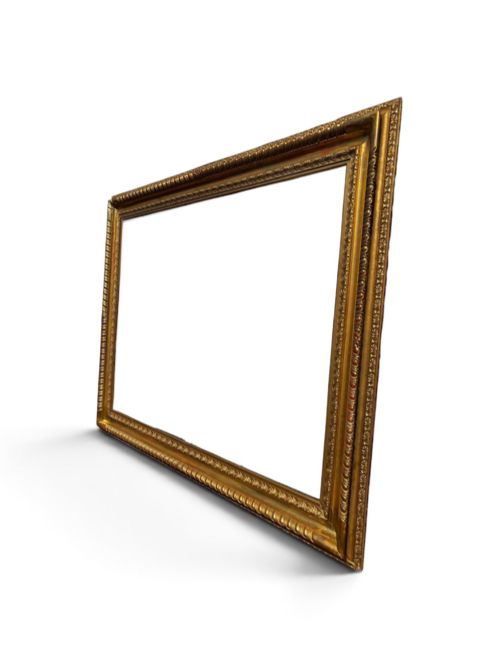
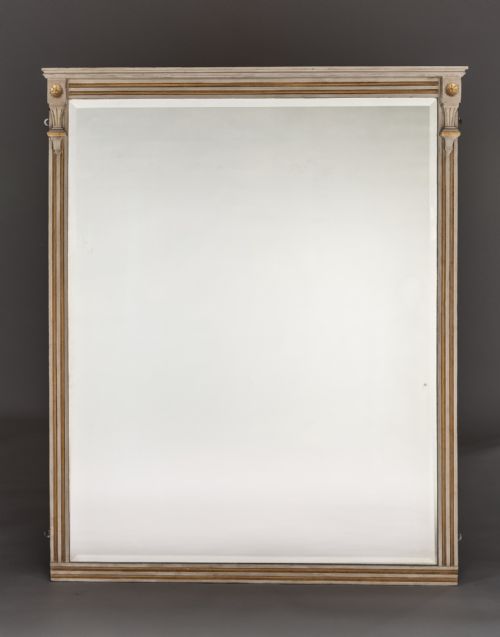
The aesthetic draws heavily on Neoclassical and Louis XVI traditions, incorporating architectural motifs like egg-and-dart moulding, columns, and arched tops. Smaller wall mirrors and oval formats also appear regularly, offering versatile placement options for hallways and reception rooms.
Evaluating craftsmanship and condition
The refinement of the hand-carved wood and the crispness of the moulded gesso separate standard production from superior examples. Skilled artisans produced deep, undercut foliage and sharp architectural detailing that retained definition beneath layers of gilding.
The integrity of the original glass plate and the completeness of the gold leaf surface significantly influence the character of an individual piece. Evidence of original mercury plates or undisturbed eglomise panels adds historical depth compared to replaced mirror glass and modern touch-ups.
Some nineteenth-century pier mirrors still harbour tiny specks of historical fireplace soot tucked deep inside the carved acanthus leaves.
The Classical Gilt Frame Mirror Glossary
- Giltwood
- Timber carved and subsequently covered with gold leaf or metal leaf. This material forms the primary reflective housing for classical wall displays.
- Gesso
- A plaster-like mixture applied to wood frames and carved before gilding. It allows for intricate relief ornamentation.
- Pier Mirror
- A tall, narrow looking glass designed to hang on the wall space between windows. These often coordinate with console tables placed below.
- Trumeau
- A decorative wall mirror incorporating a painted panel or canvas artwork above the glass plate. Originating in French interior design, they bring architectural presence to a room.
- Eglomise
- The technique of applying gold or silver leaf to glass and engraving a design through the metal. This creates a decorative border or panel on period looking glasses.
Classical Gilt Frame Mirror: Frequently Asked Questions
Where should I hang an overmantel mirror?
An overmantel mirror traditionally rests upon a fireplace mantelpiece to anchor the focal point of a reception room. You can also mount it securely to the wall directly above a sideboard or low media unit to create height.
Ensure the fixings match the substantial weight of the carved wood and gesso structure, engaging wall studs where possible for safety.
How do I clean a gilded frame?
Dust the carved gesso and gold leaf gently using a soft, dry artist brush or ostrich feather duster. Avoid pressing down on raised decorative elements or applying liquid cleaners.
Moisture and commercial polishes strip or discolour the delicate metallic leaf finish over time, so dry maintenance remains essential for preservation.
Are original mirror plates common?
Original glass plates survive in numerous nineteenth-century and Georgian pieces, identifiable by subtle foxing, minor speckling, and slight surface distortion. These characteristics confirm the age and authenticity of the looking glass.
Many antique mirrors received replacement glass plates during their working lives if the original silvering degraded beyond practical use.
What defines Regency style?
Regency design draws heavily on classical Greco-Roman motifs, featuring clean architectural lines, rope-twist mouldings, and columns. These mirrors often utilise eglomise glass panels and convex formats.
The style prioritises balanced proportions and restrained ornamentation compared to the heavier carvings seen in later Victorian revivals.