




Classical French Gilt Mirror
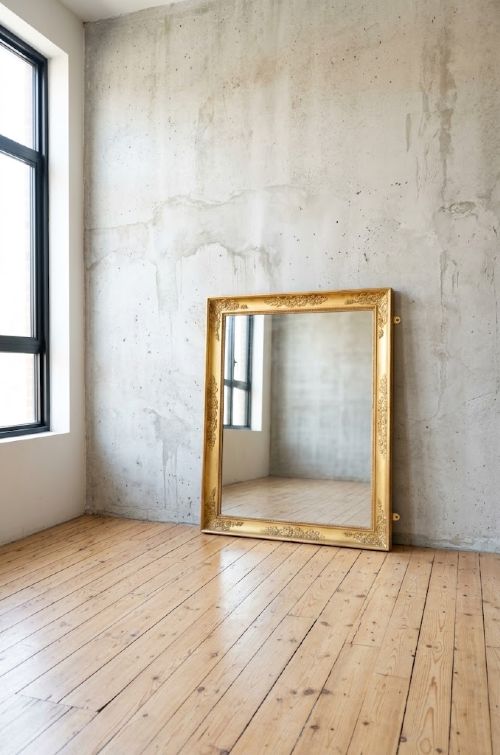
A classical french gilt mirror brings warmth and reflective depth to a room through carved gilding and period proportions.
Classical French Gilt Mirror
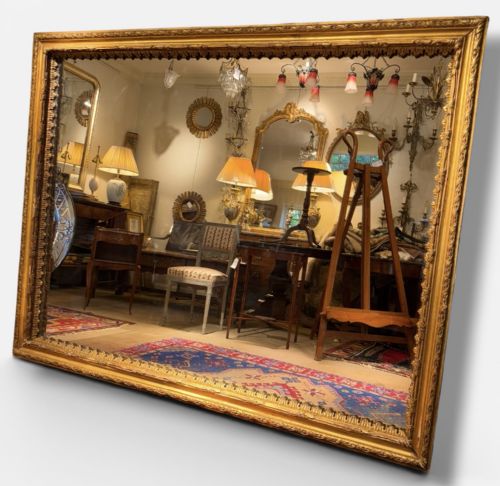
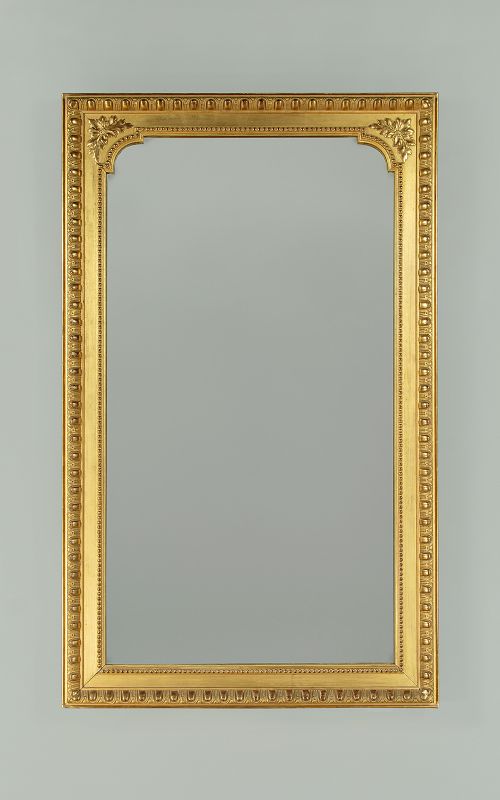
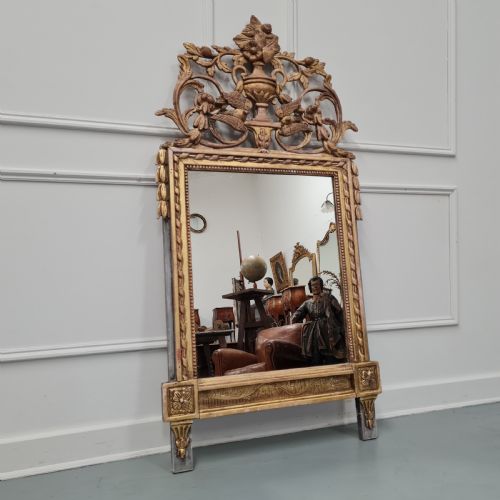
A classical french gilt mirror is typically a wall-hanging, overmantel, or pier glass originating from the nineteenth century and associated with French Empire, Louis XVI, and neoclassical design. These pieces often feature decorative motifs such as floral carvings, mythological figures, urns, and crested putti above glass plates.
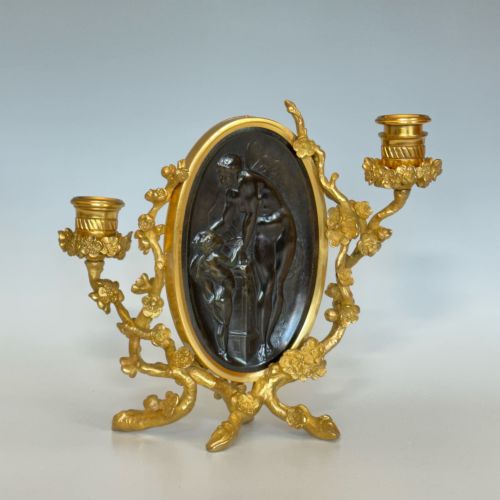
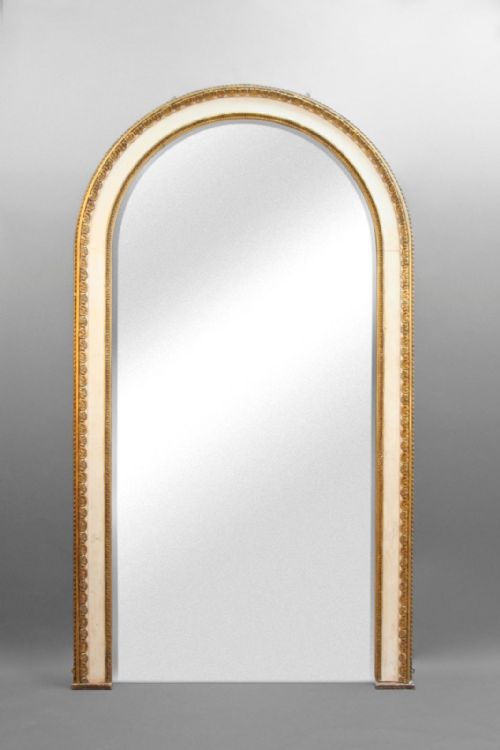
Buyers will most frequently encounter nineteenth-century giltwood and gesso wall mirrors alongside large arched overmantels designed to sit above a fireplace. The selection also encompasses trumeau panels, marriage mirrors, and smaller table or pedestal variants framed in carved wood or bronze.
Materials and construction
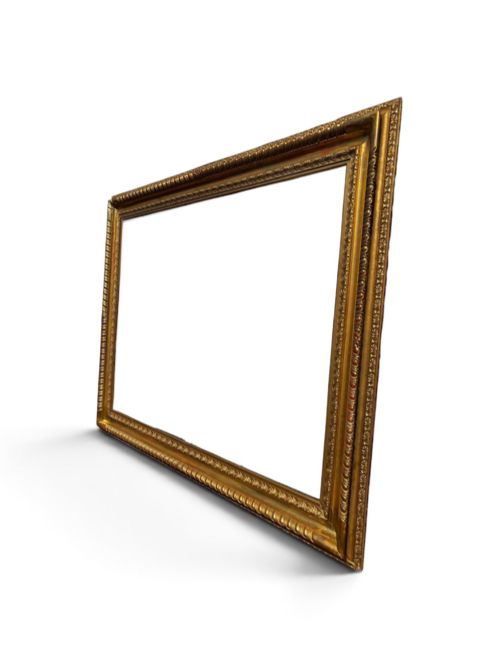
Makers constructed the foundational frames from timber such as mahogany, burr walnut, or general pine and softwood, then applied layers of gesso to build up intricate surface relief. Artisans carved floral and architectural details directly into this gesso layer before finishing the surface.
Decoration relied heavily on gold leaf application or liquid gilding over the gesso base, sometimes complemented by eglomise panels, silvering, or faux marble painted accents. Iron and bronze mounts appeared on specific table and pedestal variations.
Listings feature pieces spanning the eighteenth to the twentieth centuries, utilising giltwood, gesso, mahogany, and bronze.
Quality variations
The distinction between tiers rests upon the crispness and depth of the hand-carved gesso details, where superior examples exhibit sharp mythological reliefs and floral crispness rather than softened or flattened moulding. The quality of the underlying wood joinery and the integrity of the original gold leaf application also dictate the grade of the piece.
Original glass plates featuring subtle foxing or split-plate configurations carry distinct period authenticity compared to later replacements. Furthermore, the complexity of the frame design, from simple rope twists to monumental architectural pediments and crestings, marks the upper echelon of the craft.
Thiebaut Freres
The Classical French Gilt Mirror Glossary
- Giltwood
- Wood that has been coated with gold leaf or gold paint. This technique creates a luminous, reflective metallic surface across the carved frame elements.
- Gesso
- A plaster-like mixture applied to wood frames to create a smooth surface for carving and gilding. It allows for the formation of deep relief ornamentation.
- Trumeau
- A decorative wall mirror combined with a painted panel or piece of artwork above the glass. These were traditionally set into the wood panelling of French interiors.
- Overmantel
- A large mirror specifically designed to hang on the wall directly above a fireplace mantelpiece. They frequently feature horizontal expanses and arched tops.
- Pier glass
- A tall mirror intended to be hung on the narrow section of wall between two windows. They often stand above small console tables.
Classical French Gilt Mirror: Frequently Asked Questions
Where should I place a classical french gilt mirror?
Positioning these mirrors opposite a window maximises natural light distribution and creates an illusion of greater spatial depth within a room. Overmantels naturally anchor the central wall space above a fireplace.
They also function effectively above console tables or in entrance halls where the reflective glass and gilt frame serve as a visual focal point.
How do I clean a giltwood frame?
Dust the carved gesso and gold leaf surfaces gently using a soft, dry ostrich feather duster or a clean, dry artist's paintbrush. Avoid applying water, chemical sprays, or abrasive cloths directly onto the gilded finish.
Excessive moisture or rubbing can lift the delicate gold leaf and gesso layers from the underlying wood. Professional conservators should handle any major accumulations of grime.
How can I tell a nineteenth-century mirror from a reproduction?
Examine the backboards, fixings, and the silvering on the glass plate for signs of age, such as hand-cut screws, oxidisation spots, and dense secondary timbers. Nineteenth-century pieces typically display hand-carved gesso variations rather than uniform modern resin mouldings.
Inspect the weight and construction methods, as older frames use traditional joinery and heavier glass plates that differ from lightweight contemporary copies.