

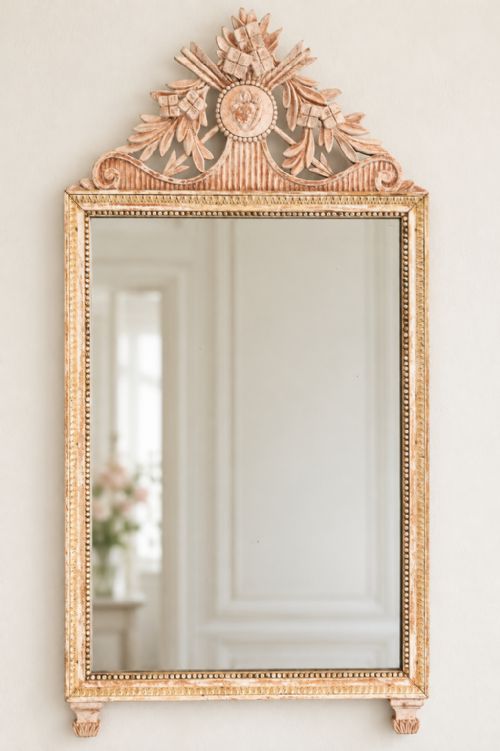
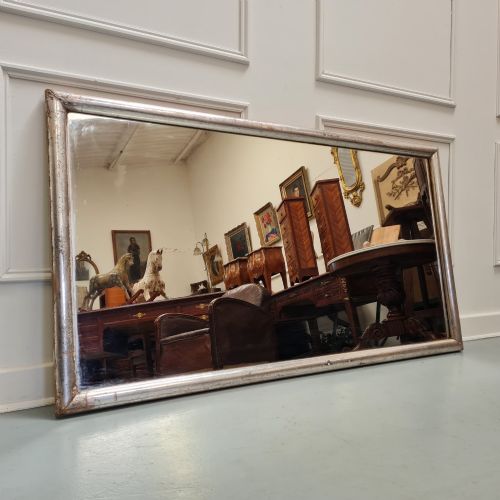
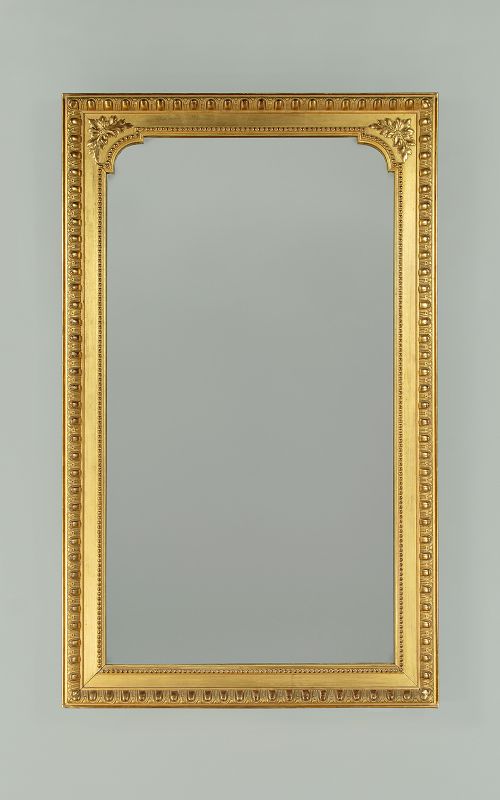


French Provincial Gilt Mirror
These french provincial gilt mirror pieces bring nineteenth-century continental elegance into a room through aged glass and carved surfaces.
French Provincial Gilt Mirror
A french provincial gilt mirror brings distinct nineteenth-century continental charm into a room, spanning wall mirrors and large overmantle pieces. Buyers searching this phrase look for authentic forms that reflect period craftsmanship.
The versions most likely to appear on this page include nineteenth-century wall mirrors, Louis Philippe designs, and trumeau mirrors featuring mercury glass. Pieces range from small Normandy examples to very large statement formats.
Origins trace through French Chateau and revival styles, capturing the aesthetic of provincial homes and chateaus. These items function equally well as practical looking glasses and decorative focal points.
Materials and construction
Frames rely on wood, giltwood, and painted wood as structural foundations, often enriched with carved details and gesso. Artisans applied gold leaf or silver gilt to create the metallic surfaces seen on these items.
Mirror glass includes mercury glass variants that show characteristic age spots and depth. Construction incorporates traditional joining methods suited to nineteenth-century workshop practices.
French Provincial Gilt Mirror Retail Price Guide 2026
Typical asking prices for french provincial gilt mirror among the pieces listed under this phrase on Sellingantiques today, from the lower quarter to the upper quarter. They describe what is for sale here now, not the wider market.
Old mirrors remember every room they watched, holding centuries of quiet reflections within their speckled glass.
Assessing quality
Quality separates through the crispness of carved wooden and gesso ornament and the integrity of the original gilding. Better examples display harmonious proportions across rectangular and ripple frames.
The condition of the mirror glass itself influences character, where untouched mercury glass contributes distinct historical depth compared to later replacements.
The French Provincial Gilt Mirror Glossary
- Trumeau mirror
- A decorative wall mirror designed to fit into wall panels, often incorporating an oil painting or carving above the glass. These were popular in eighteenth and nineteenth-century interiors.
- Giltwood
- Wood that has been coated with gold leaf or gold paint. This finish creates a luminous surface that catches candlelight and daylight.
- Gesso
- A plaster-like mixture applied to wood frames to create a smooth surface for carving and gilding. It allows for intricate relief details.
- Mercury glass
- Silvered glass produced by coating the inner double-walled space with a mercury amalgam. It produces a mottled, dark reflection characteristic of antique mirrors.
- Louis Philippe
- A mid-nineteenth-century French style defined by restrained curves and simple, elegant frames. It avoids the heavy ornamentation of earlier reigns.
French Provincial Gilt Mirror: Frequently Asked Questions
What is a trumeau mirror?
A trumeau mirror is a traditional wall glass that often incorporates a painted panel or carved wooden relief directly above the reflective plate. These pieces originally occupied specific wall panels in continental rooms.
They bring architectural presence to a modern interior, functioning well above mantels or console tables where a tall vertical format suits the wall space.
How do I date a French gilt mirror?
Dating relies on examining the frame construction, the type of gesso applied beneath the gilding, and the characteristics of the mirror plate itself. Nineteenth-century examples often display hand-beveled edges or period mercury glass.
Looking at the backboards, fixings, and joinery also provides reliable clues regarding the workshop era and whether components remain original.
How do I hang a heavy antique mirror?
Heavy wall mirrors require secure fixings into structural wall studs or appropriate masonry anchors capable of supporting the combined weight of wood, gesso, and glass. Professional installation is recommended for very large overmantle pieces.
Checking the stability of the frame joints before hanging ensures the structure safely supports the tension of the hanging wire or brackets.
What is mercury glass?
Mercury glass refers to double-walled glass blown in the nineteenth century with a silvering mixture introduced between the layers. This technique creates a distinctive speckled, clouded reflection rather than a harsh modern image.
The aged surface develops charming dark spots over time, which collectors value as a sign of authenticity and age.