




Classical Female Portrait Sculpture
Classical female portrait sculpture brings quiet dignity to a room, presenting carved likenesses of historical figures, muses and noblewomen from past centuries.
Classical Female Portrait Sculpture
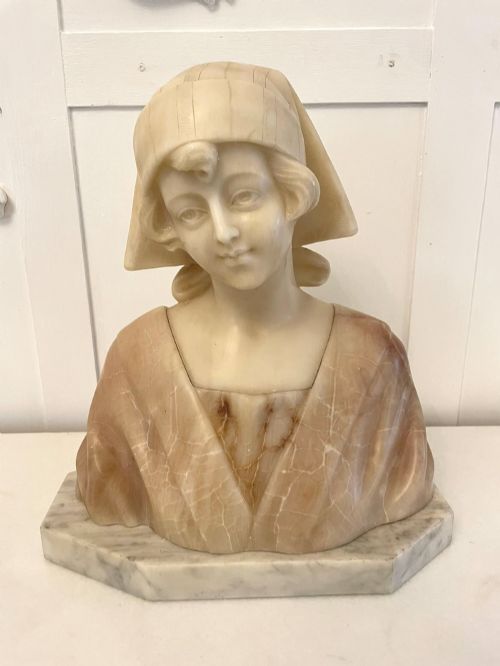
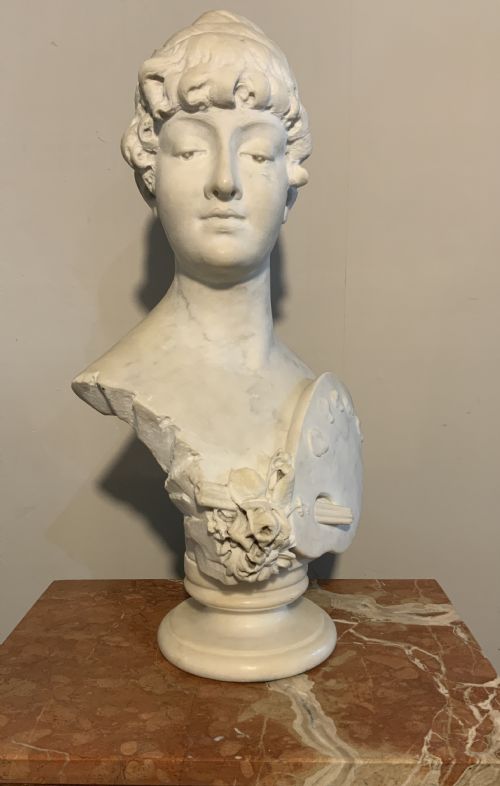
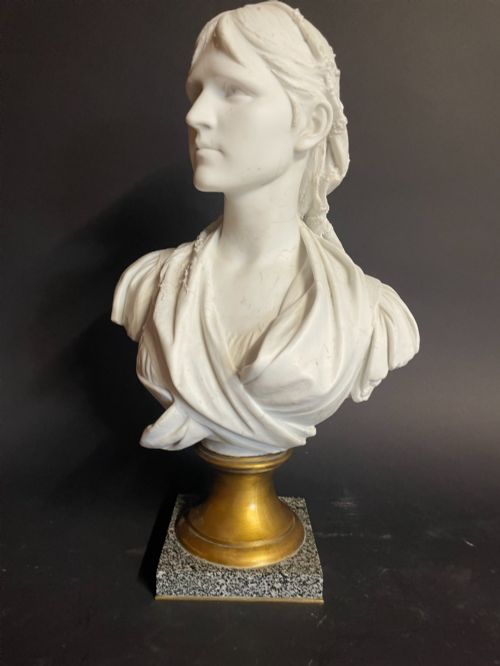
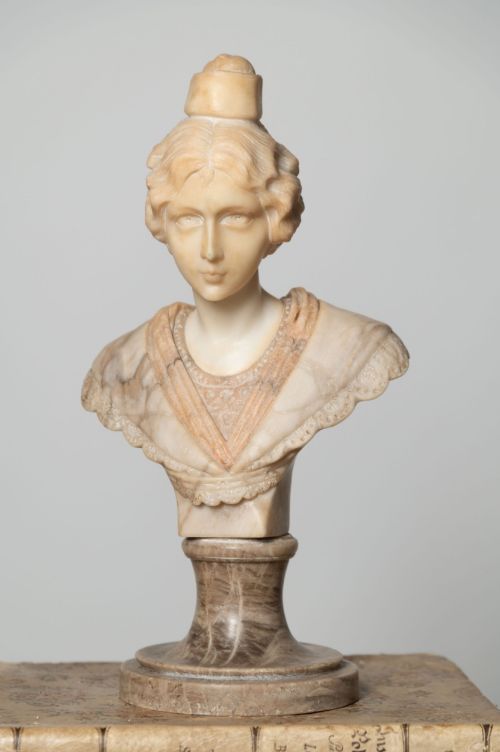
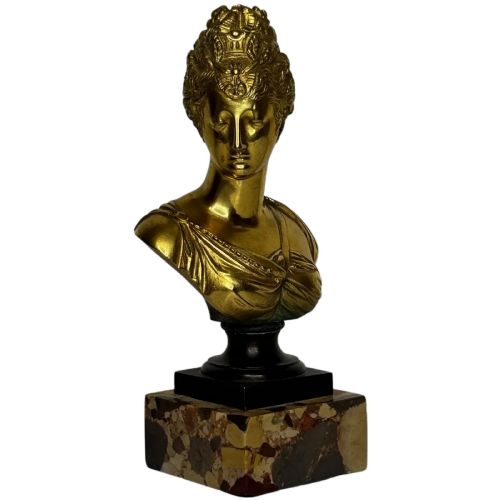
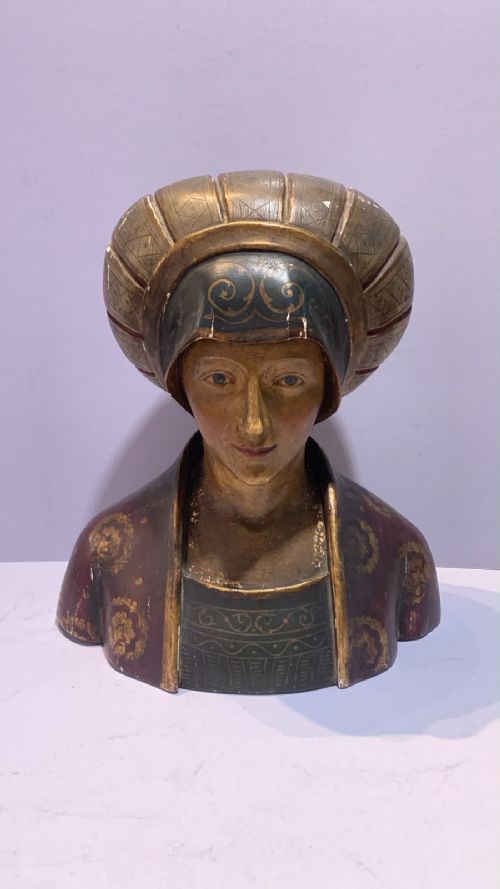
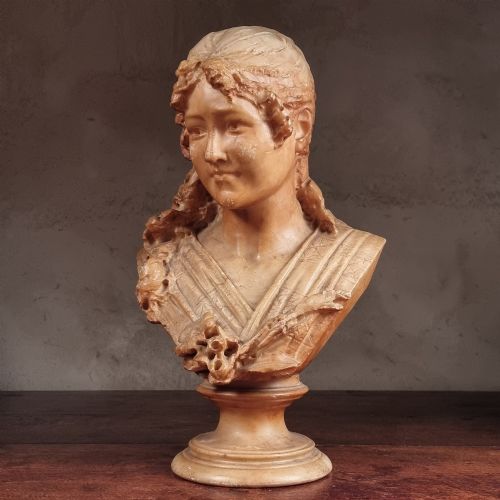
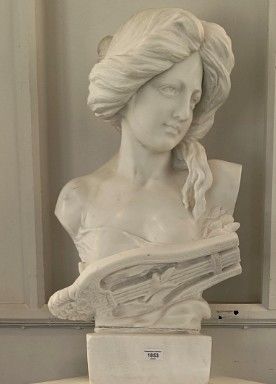
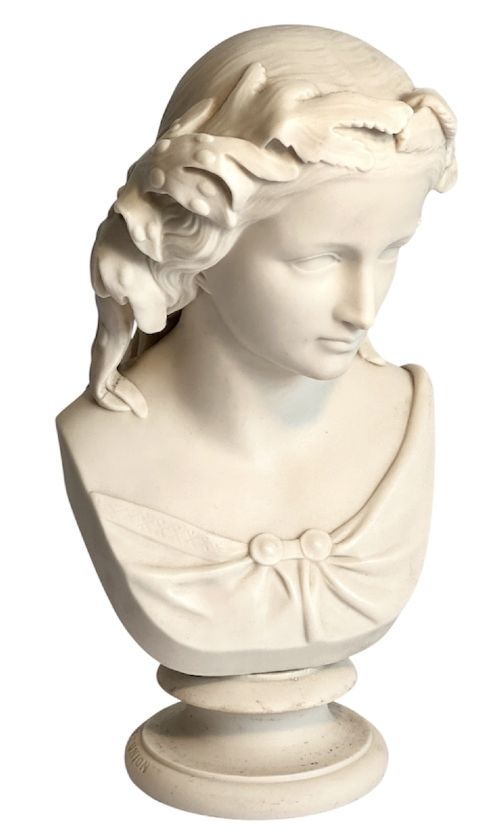
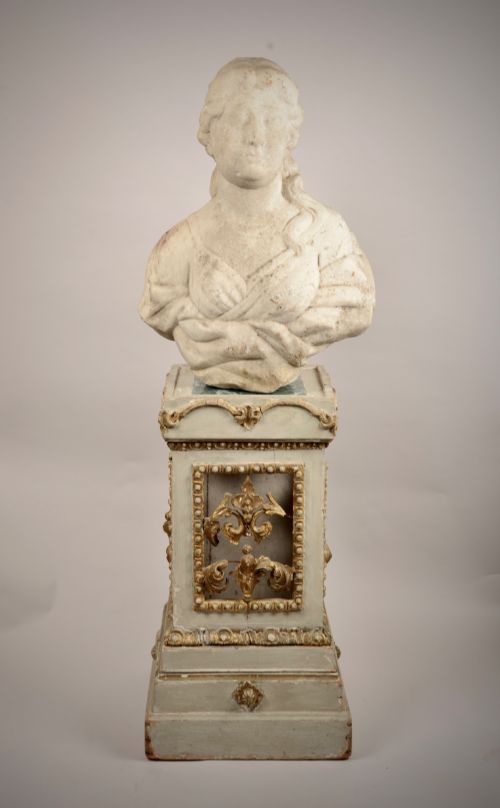
Classical female portrait sculpture encompasses carved and cast likenesses of women, appearing most frequently as portrait busts mounted on stone bases.
The selections span from the seventeenth century through the Victorian period and into the early twentieth century, drawing heavily on Neoclassical and Art Nouveau aesthetics.
Subjects range from mythological figures and literary heroines to anonymous young women and historical ladies modelled after antique ideals.
Materials and methods
Carved marble and alabaster dominate the medium, often utilising fine-grained Carrara stone for smooth flesh tones and intricate drapery.
Foundries cast other examples in bronze, sometimes employing patinated finishes, or moulded them in terracotta, plaster and ceramic bodies such as Parian ware.
Judging the work
Quality rests in the sensitivity of the carving or the crispness of the cast, particularly in how hair, fabric and facial expressions are rendered.
Subtlety in the transition from skin to drapery and the selection of supportive materials like contrasting marble plinths elevate certain pieces above standard decorative output.
Emmanuel Villanis·Georges-Charles Coudray·Hans Müller·Auguste Moreau·Eutrope Bouret
The Classical Female Portrait Sculpture Glossary
- Bust
- A sculpture representing a person from the chest or shoulders up. This format remains the most common presentation for portrait pieces.
- Neoclassical
- A style drawing inspiration from the art of classical antiquity. It prioritises proportion, restraint and mythological subjects.
- Patinated bronze
- Metalwork treated with chemical solutions to produce a specific surface colour or sheen. This finish highlights sculptural contours.
- Parian ware
- A fine white porcelain resembling carved marble, developed in the nineteenth century for figures and portrait busts.
- Terracotta
- Fired red clay used for modelled sculptures. It allows for expressive, immediate detail before hardening.
Classical Female Portrait Sculpture: Frequently Asked Questions
Where should I place a bust?
These pieces suit mantelpieces, pedestals, or sturdy sideboards where light can catch the modelling of the face and hair.
Ensure the weight of stone or metal objects is properly supported by stable furniture.
How do I clean marble?
Dust gently with a soft, dry cloth to prevent dirt settling into porous surfaces.
Avoid using water or chemical cleaners unless handled by a professional conservator.
What is Grand Tour art?
Grand Tour items were acquired by travellers visiting cultural centres in Europe during the nineteenth century.
These pieces often copied famous antique sculptures from Italian collections.
How do I date a sculpture?
Examine the materials, casting marks, mounting style and the signature of the foundry or artist if present.
Stylistic cues such as costume and hair design also indicate the period of creation.