




Classical Equestrian Sculpture
Classical equestrian sculpture captures horse and rider in bronze, marble dust, and gilded metal across the nineteenth and twentieth centuries.
Classical Equestrian Sculpture
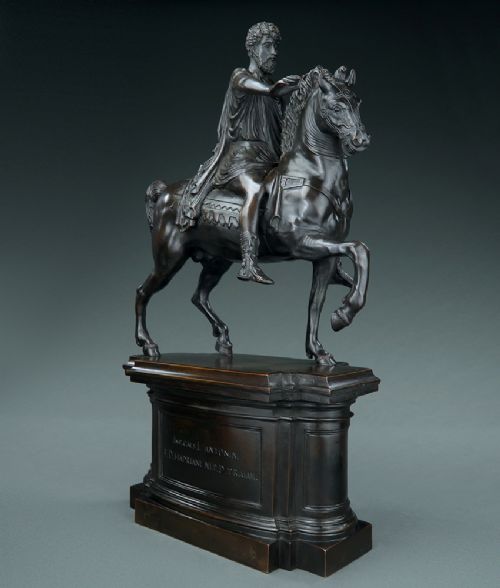
Classical equestrian sculpture encompasses freestanding figures, pairs, and wall plaques depicting horses and riders derived from antiquity and later European academic traditions. When you search for classical equestrian sculpture, you encounter works ranging from Grand Tour souvenirs to grand nineteenth century interpretations of monumental public monuments.
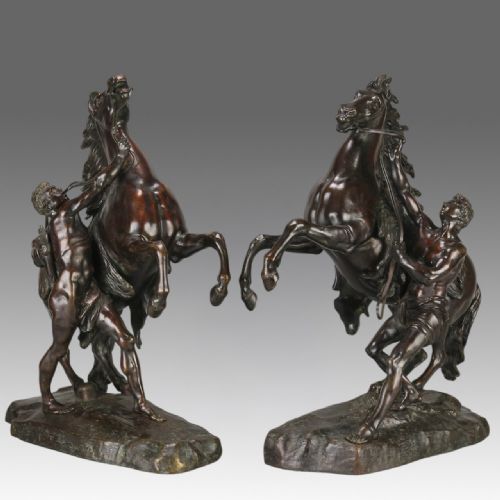
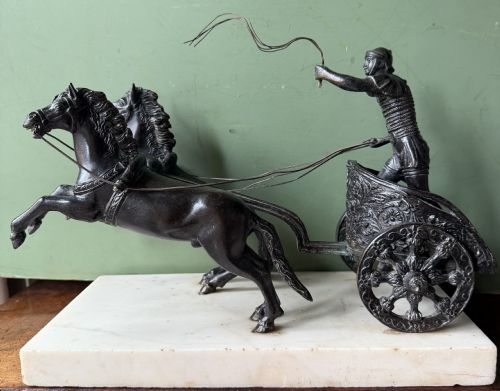
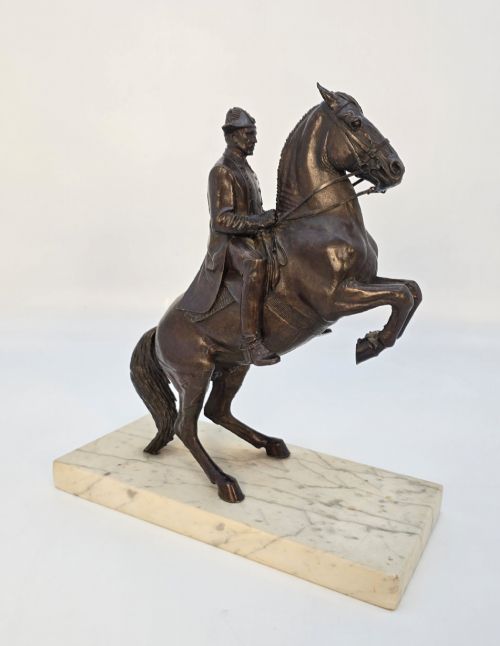
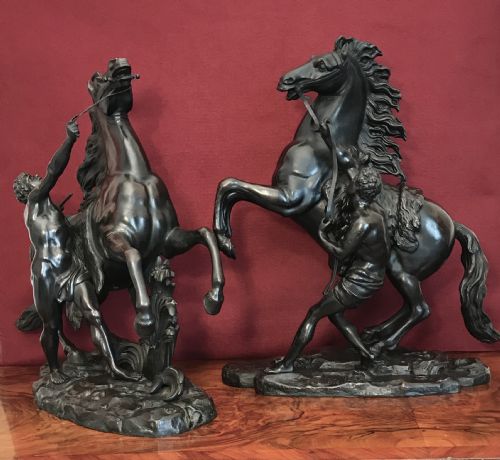
The pieces listed here lean heavily towards French Neoclassical and Academic Realism styles, alongside Italian Grand Tour pieces. You will find subjects such as the Marly horses after Coustou, charioteers, and horsemen mounted upon marble plinth bases.
Formats vary from substantial bronze pairs and single figures on plinths to relief plaques and sculptural fragments like a horse nostril. Materials shift between patinated and gilded bronze, white marble, wood, plaster, and marble dust.
Materials and construction methods
Foundries cast these figures in bronze, often applying dark patination or gilding to enhance the surface detail. Some works combine metal castings with fitted marble plinth bases to provide weight and stability.
Alternative materials include marble dust and plaster, utilised particularly for relief plaques depicting Hellenistic horse riders. These techniques allow for crisp definition in low relief and smaller decorative studies.
Listings feature works spanning from the mid nineteenth century to the mid twentieth century, predominantly cast in bronze and mounted on marble.
Assessing quality in the metal and stone
Quality rests in the crispness of the chase work on the bronze surface and the articulation of muscle and sinew in both horse and rider. Superior castings retain sharp details in manns, harnesses, and facial expressions without blurring from worn moulds.
The treatment of the base matters, as heavy white marble plinths provide genuine support and complement the metalwork. Finer patination finishes remain stable and even across the entire sculpture rather than appearing flat or hastily applied.
Charles Crozatier·Coustou·Verrocchio
The Classical Equestrian Sculpture Glossary
- Grand Tour
- A traditional trip of Europe undertaken by upper-class young European men of means, resulting in the acquisition of small bronze souvenirs.
- Patina
- A thin layer that naturally or artificially develops on bronze over time through oxidation, ranging from deep brown to black.
- Marly Horses
- A pair of monumental marble sculptures commissioned by Louis XV for the horse pond at the Château de Marly, frequently reduced in bronze.
- Plinth
- A heavy block or base upon which a statue, sculpture, or monument is mounted to elevate and support the piece.
Classical Equestrian Sculpture: Frequently Asked Questions
What is a Grand Tour bronze?
A Grand Tour bronze is a small scale souvenir study collected by travellers in Italy during the nineteenth century, reproducing famous classical monuments.
These pieces allowed owners to bring home miniature representations of celebrated public sculptures for display in private libraries and studies.
How do I display a bronze horse sculpture?
Display these sculptures on sturdy side tables, mantelpieces, or dedicated display cabinets where natural light reveals the patination.
Ensure the piece rests on a level surface, particularly when mounted on heavy marble plinths that require stable weight distribution.
What are the Marly horses?
The Marly horses represent rearing steeds restrained by grooms, originally sculpted by Guillaume Coustou for a royal French residence.
Nineteenth century bronze reductions of these dynamic figures became popular decorative objects for grand interiors.
Are these sculptures solid bronze?
Many nineteenth century bronze sculptures are hollow cast using the lost wax method to save weight and metal while maintaining structural integrity.
Heavier elements often incorporate fitted marble plinths underneath the metal figures to anchor the composition.