


Classical Column Plant Stand
A classical column plant stand elevates sculpture, foliage or light with architectural dignity, drawing on centuries of revival design.
Classical Column Plant Stand
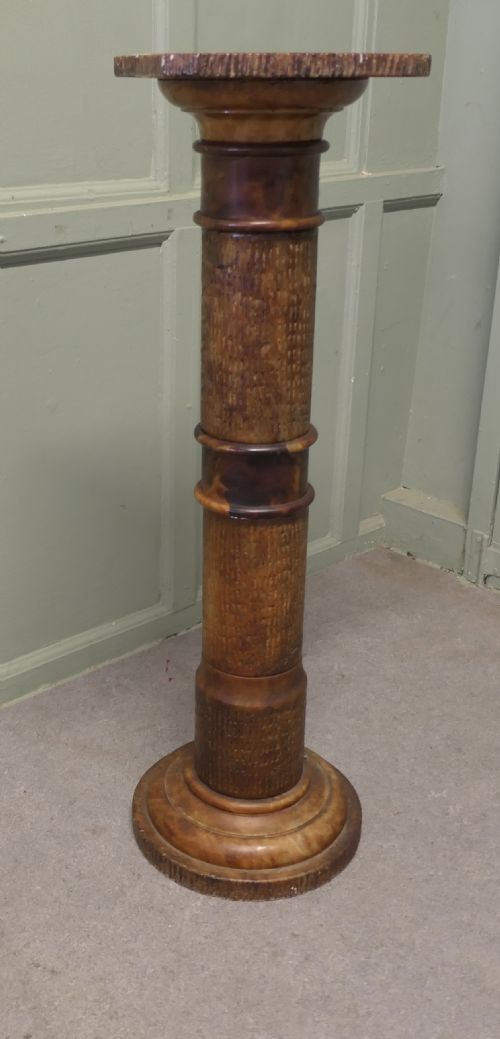
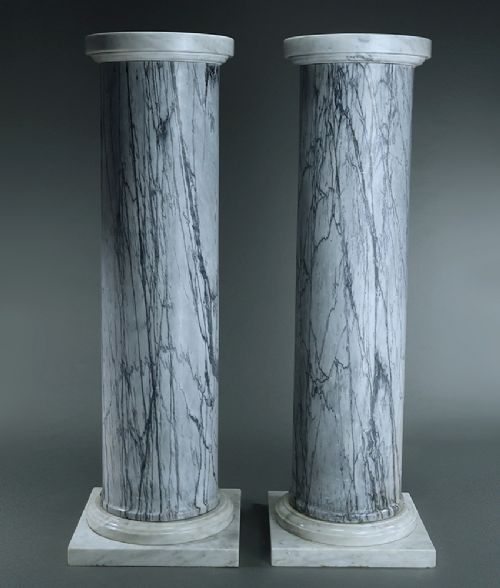
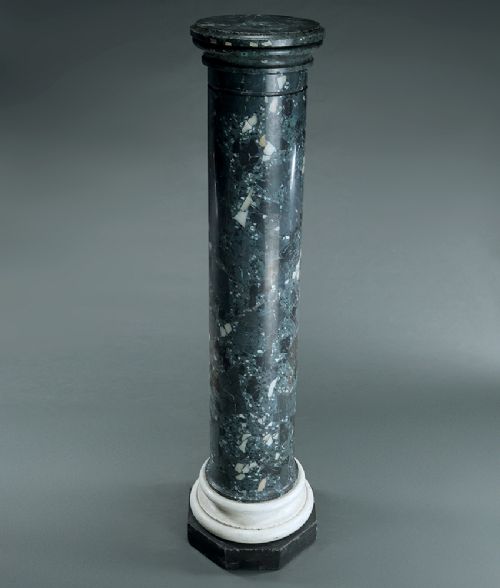
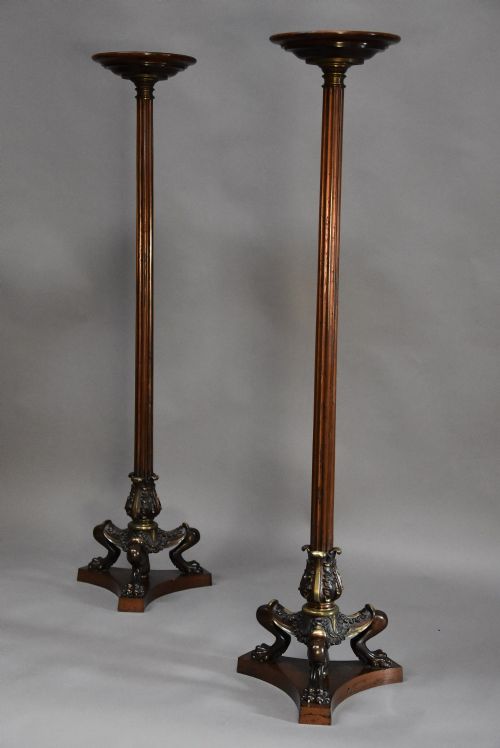
A classical column plant stand takes the architectural vocabulary of antiquity and translates it into domestic furniture designed to support urns, figures or plants. When searching for a classical column plant stand, buyers encounter tall vertical supports rooted in neoclassical, Regency and Victorian revivals from the eighteenth to the twentieth centuries. These pieces appear as architectural shafts, torcheres, plinths and pedestals intended to draw the eye upward in an interior scheme.
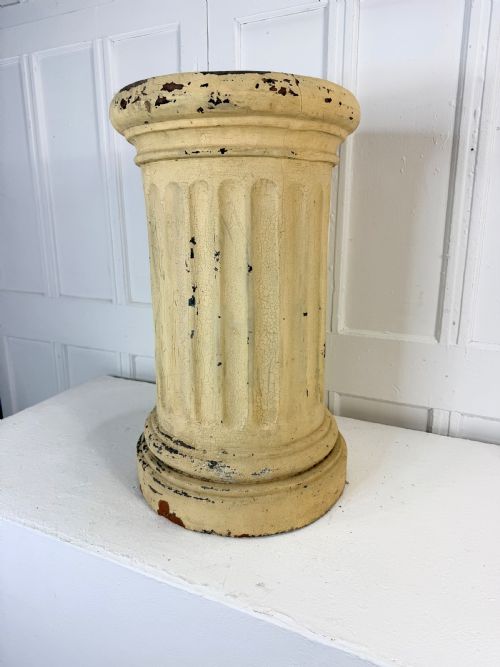
The versions most commonly met on this page span the nineteenth century and the early twentieth century, reflecting a sustained appetite for classical proportion. They manifest as monolithic stone shafts, turned timber columns and glazed ceramic or plaster forms designed to anchor a corner or frame a doorway. Makers drew directly from archaeological discoveries, adapting temple architecture for domestic drawing rooms and entrance halls.
Materials and Construction
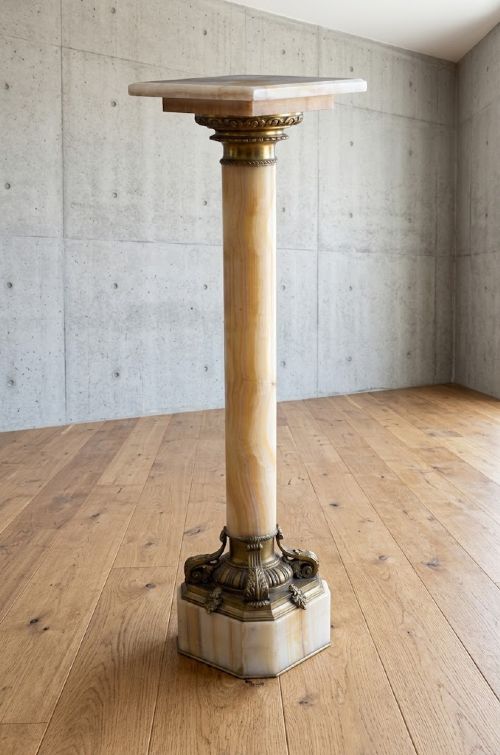
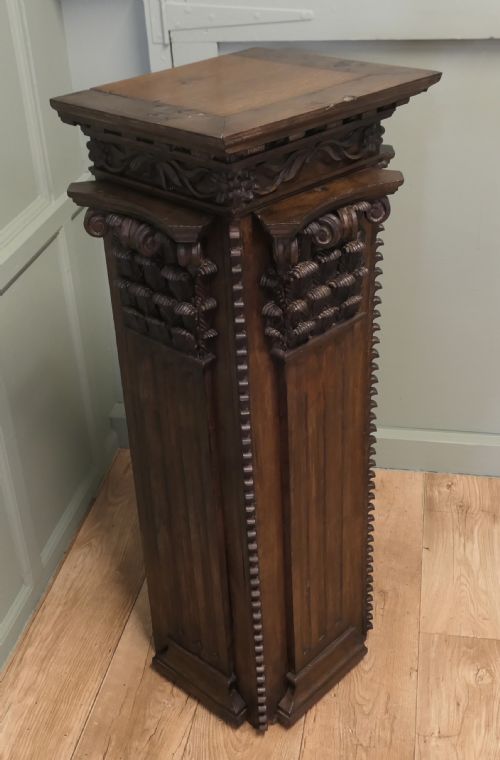
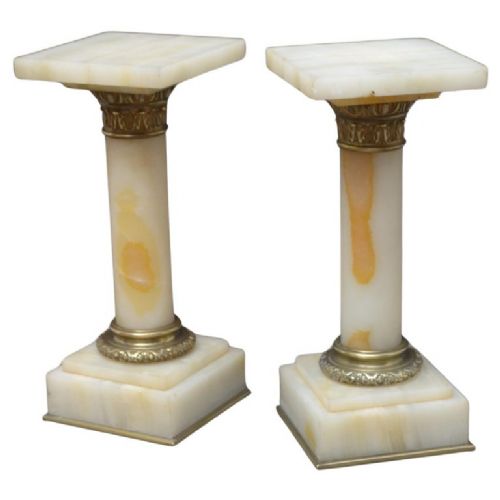
Makers utilised a diverse palette of hardstones and timbers, pairing solid mahogany, oak and satinwood with variegated marbles, onyx, alabaster and scagliola. Stone columns were often turned on lathes and polished to a high lustre, whilst timber shafts combined carved capitals with turned or spiralled stems. Metal elements such as ormolu collars, gilt bronze mounts and brass details provided structural reinforcement and decorative punctuation.
Surface finishes range from French polish and gilded gesso to faux marble paintwork and grain-painted pine mimicking exotic stones. Plaster and terracotta versions offered alternative sculptural relief, cast in moulds before receiving hand-finished detailing or painted decoration. The structural integrity relied upon sturdy internal dowels or threaded rods to bear the heavy weight of stone capitals and bases.
Listings feature materials spanning mahogany, marble, onyx, scagliola, terracotta and gilt bronze across the nineteenth and early twentieth centuries.
Craftsmanship and Proportion
Quality rests upon the architectural precision of the capital and the integrity of the materials employed. Superior examples demonstrate crisp hand-carving on timber acanthus leaves or finely chased ormolu collars that fit seamlessly against stone shafts. Lesser pieces rely on moulded composition or simple turned pine with applied painted effects that lack the depth and weight of genuine marble or dense hardwood.
Proportion and stability dictate the upper tier of the market, where shafts balance heavy top slabs without perceptible sway. The choice of stone also separates standard production from exceptional pieces; richly figured verde antico, bardiglio or honey-coloured onyx command greater visual presence than uniform painted plaster. Balance in the turning and accuracy in the classical orders reveal the hand of a more accomplished workshop.
The Classical Column Plant Stand Glossary
- Torchere
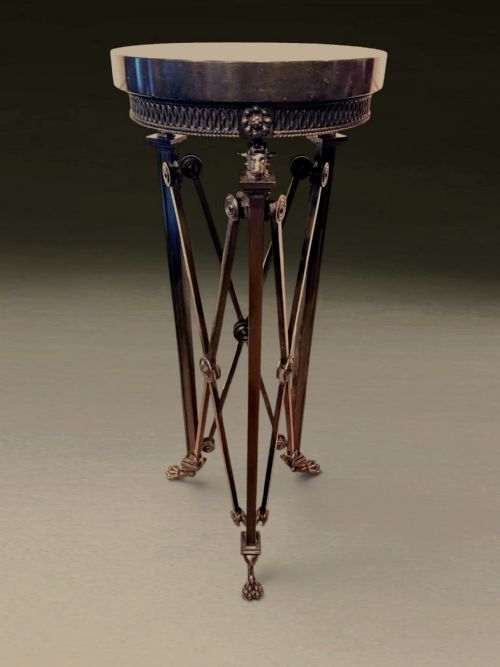
- A tall stand or pedestal originally designed to hold a torch or candle, later adapted for lamps and urns. These slender supports often feature circular tops and decorative stems.
- Scagliola
- A composite material made from selenite, glue and pigments, beaten into a matrix to imitate marble and other fine stones. Craftsmen polished the surface to achieve a convincing stone-like finish.
- Ormolu
- Gilded bronze applied to furniture mounts and decorative hardware. The technique involves coating metal in a mercury-gold amalgam and firing it to leave a rich golden layer.
- Capital
- The uppermost member of a column, situated above the shaft. Classical examples follow orders such as Corinthian, Ionic or Doric.
- Plinth
- A heavy flat-topped slab forming the base of a column, pedestal or statue. It provides stability and visual weight to the structure above.
Classical Column Plant Stand: Frequently Asked Questions
What held up a classical column plant stand?
These supports rely on sturdy timber construction, solid stone shafts or weighted internal iron rods to maintain balance. The broad base and capital distribute the downward load evenly.
Heavier marble and onyx versions use their own mass for stability, whilst timber variants depend on wide footing and robust joinery at the base.
Where were these stands placed in period homes?
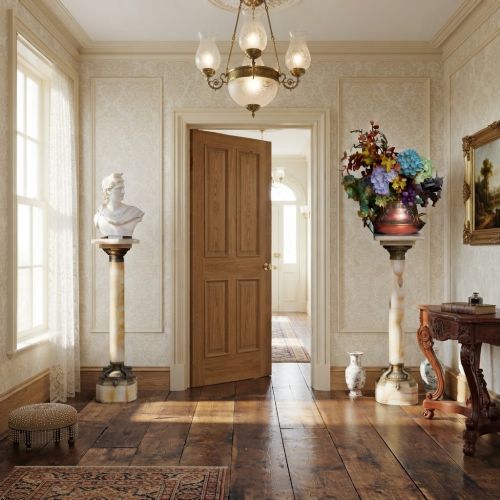
Victorian and neoclassical interiors positioned these columns in hallways, drawing rooms and alcoves to display sculpture, bronzes or specimen plants. They served to catch the eye in transitional spaces.
Pairs were frequently placed flanking doorways or framing fireplace surrounds to create formal symmetry within a room.
How do I distinguish stone from painted wood?
Genuine marble and onyx feel cold to the touch and exhibit natural veining that penetrates the material rather than sitting on the surface. Tapping the material yields a dense, solid sound.
Faux marble painted pieces or grain-painted pine will feel warmer, show brushstrokes upon close inspection, and may reveal wood grain where chips have occurred.
Are these stands suitable for heavy modern planters?
Many nineteenth-century stone and hardwood examples easily support significant weight, provided the base is level and the top is balanced. Solid marble and dense mahogany offer exceptional load-bearing strength.
Plaster or hollow composite versions require more care and should be tested for weight limits before supporting heavy ceramic pots.