
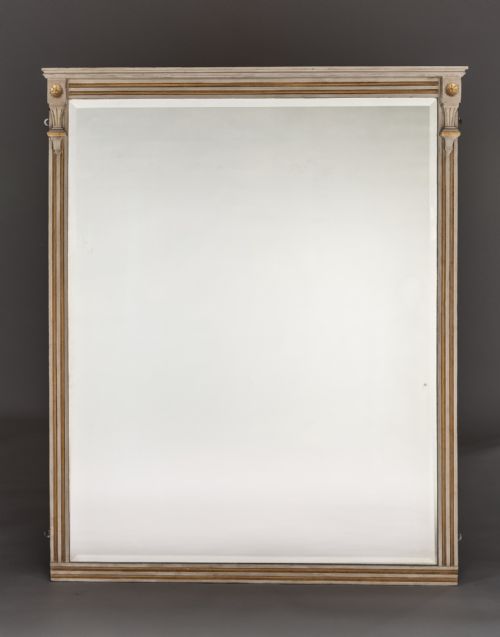
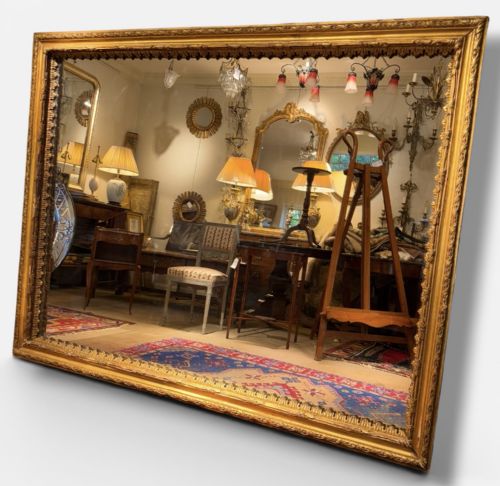
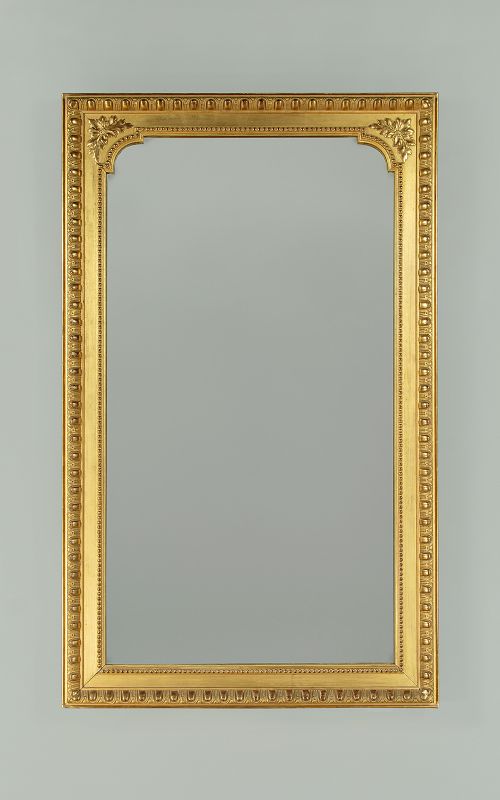

Classical Carved Mirror
When you want a classical carved mirror, you are looking at periods from the Georgian era through to the late nineteenth century.
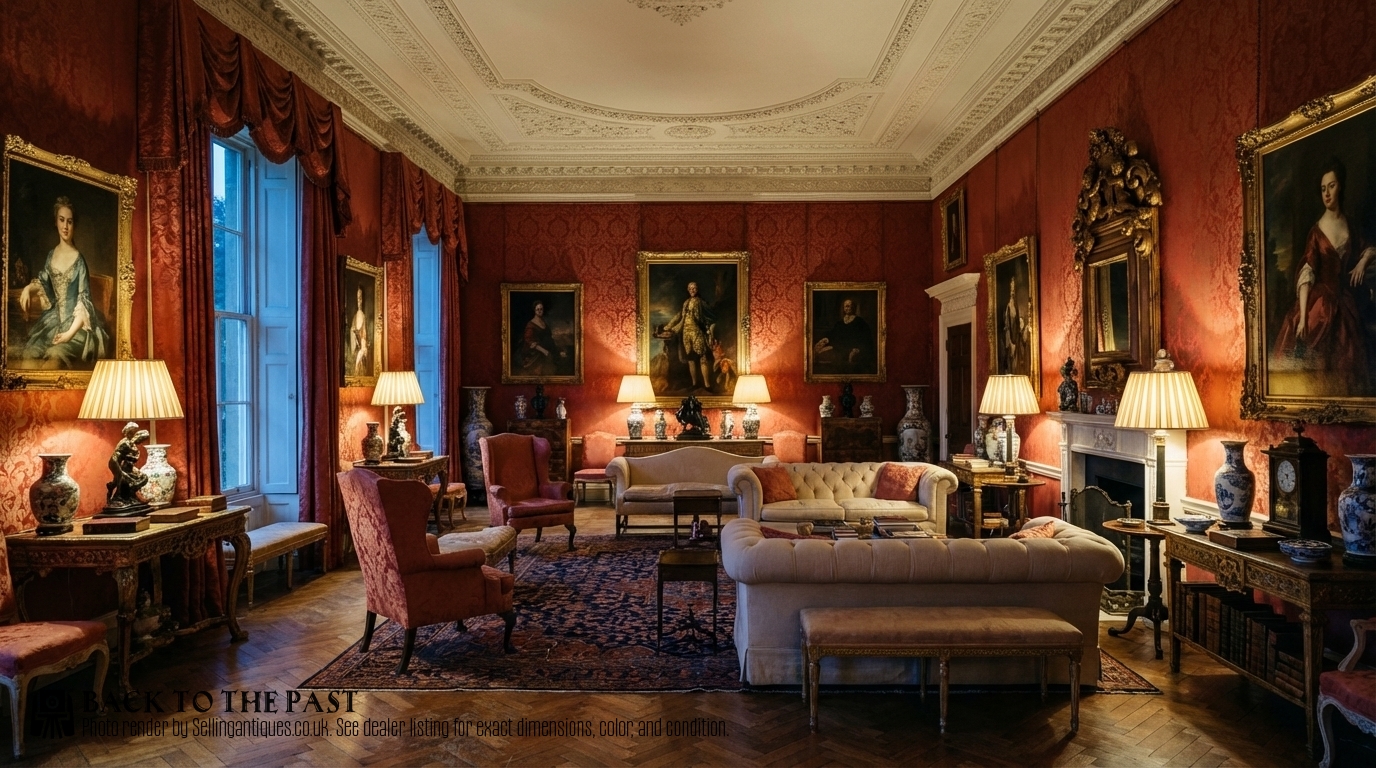
Classical Carved Mirror
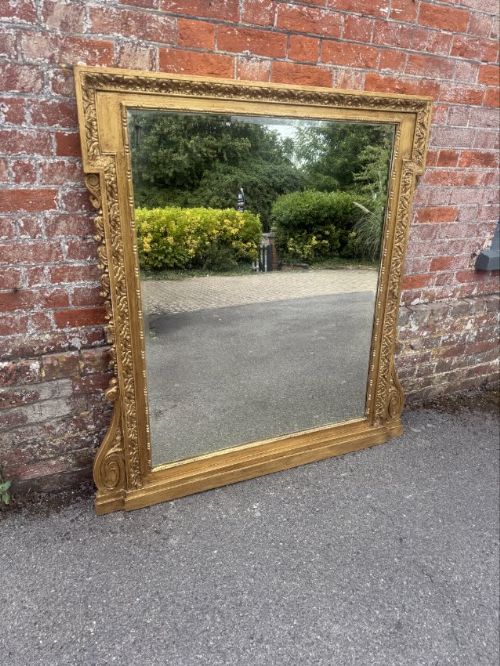
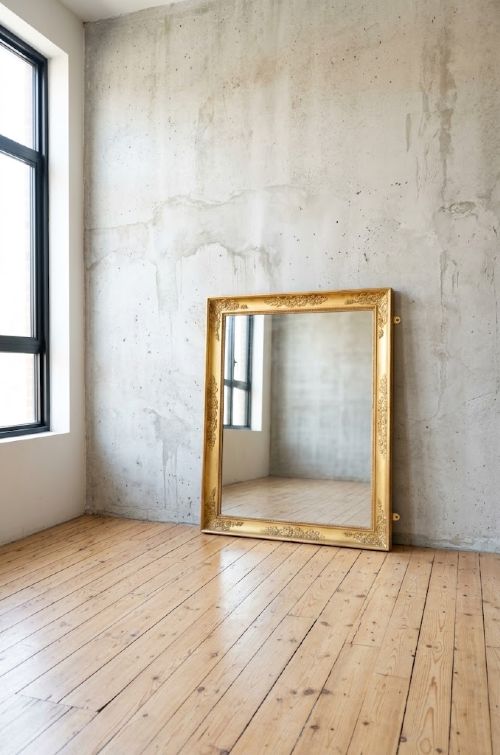
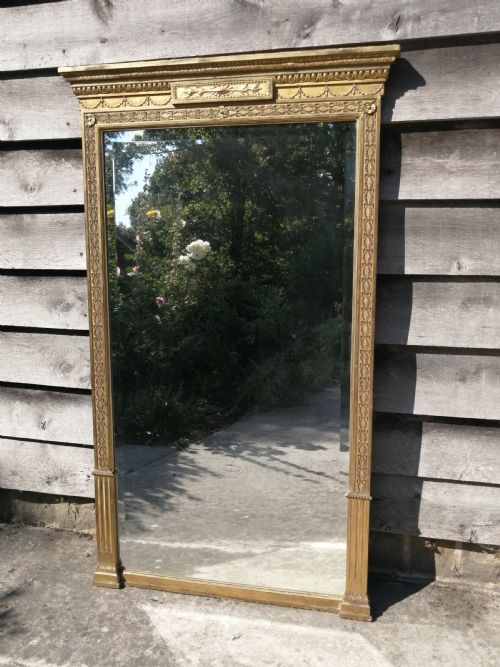
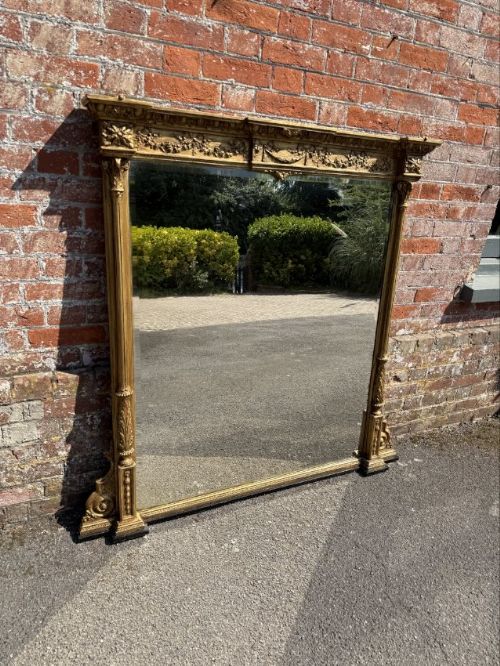
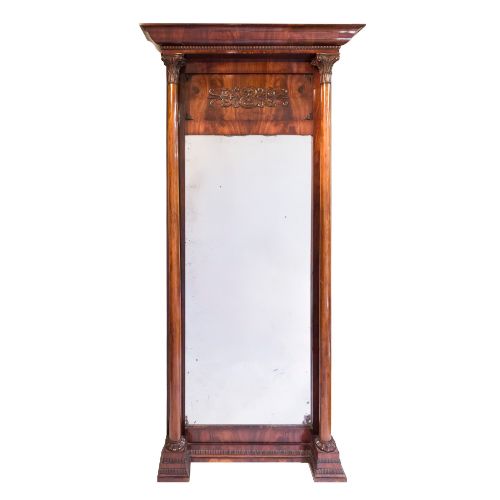
A classical carved mirror brings together forms designed to anchor a room, appearing most often as grand overmantle pieces, pier mirrors, and wall hanging frames. These objects span from Georgian elegance and Regency refinement through to Victorian revivals and French nineteenth-century interpretations.
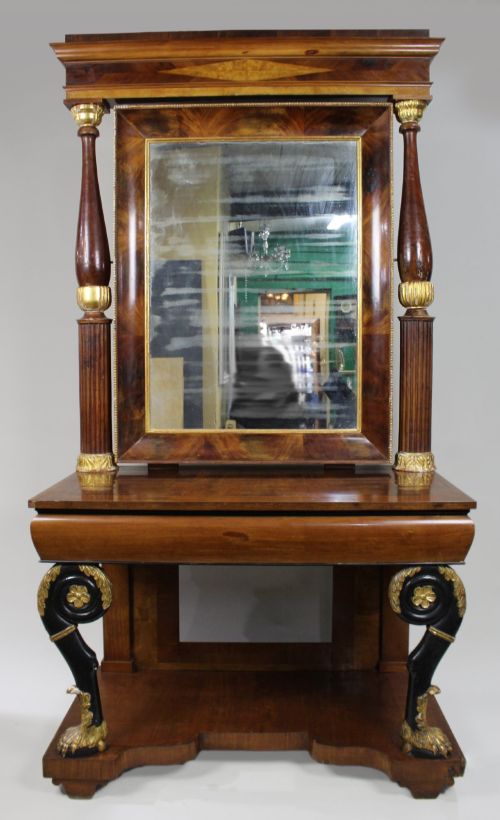
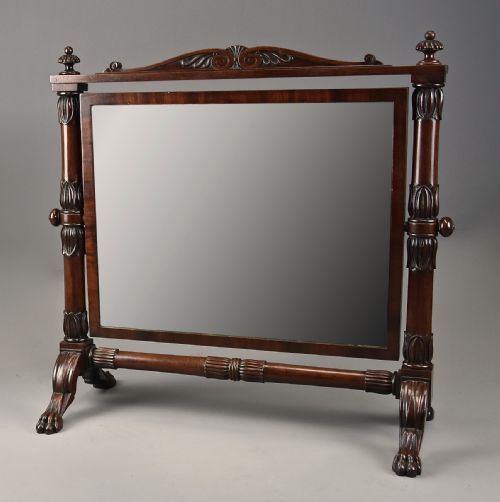
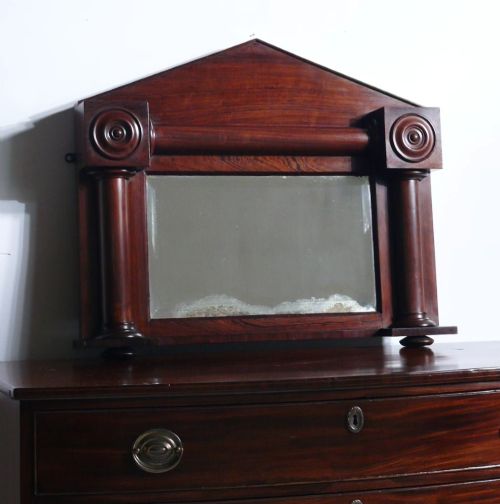
The selection ranges from tall decorative architectural frames to low console table combinations and cheval dressing table mirrors. Buyers encounter items defined by distinct stylistic periods, including Neoclassical, Empire, and Victorian Classical Revival designs.
Many examples utilise specific regional traits, such as Irish country house proportions or French château ornamentation, offering substantial visual weight. The primary function remains decorative and reflective, anchoring spatial depth in both formal drawing rooms and intimate boudoirs.
How they were made
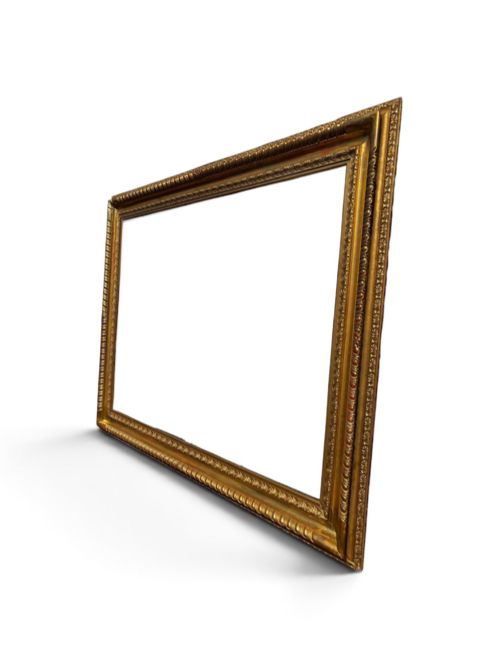
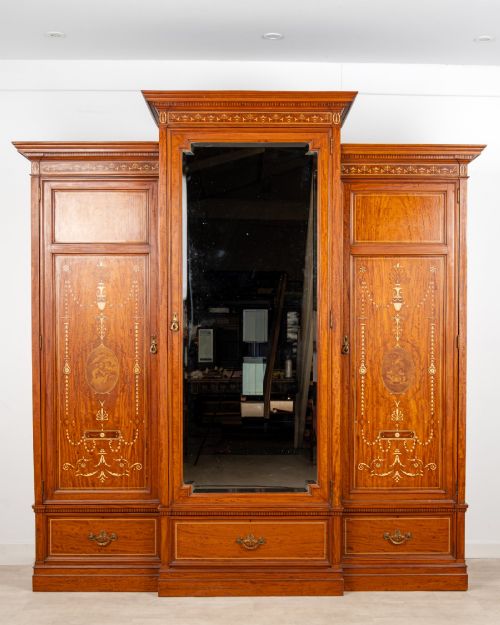
The construction of these frames relies upon carved wood, frequently mahogany, rosewood, or satinwood, providing a sturdy structural base. Artisans applied gesso and composition layers over the timber ground to build up crisp relief details before applying gold leaf or paint.
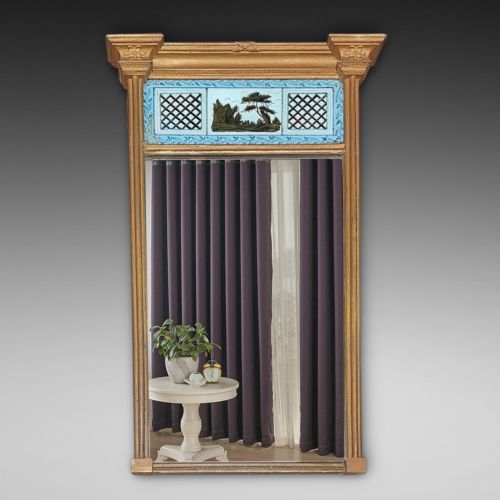
Giltwood and parcel-gilt finishes dominate the surfacing techniques, capturing the light through polished metal leaf. Specialised glazing techniques such as verre eglomise panels and original mirror plates are integrated alongside painted pictorial inserts to complete the design.
Classical Carved Mirror Retail Price Guide 2026
Typical asking prices for classical carved mirror among the pieces listed under this phrase on Sellingantiques today, from the lower quarter to the upper quarter. They describe what is for sale here now, not the wider market.
Listed items span Georgian, Regency, Victorian, and Edwardian styles, encompassing overmantle mirrors, pier mirrors, and trumeau panels.
What varies in quality
The depth and sharpness of the hand-carved wood and gesso ornamentation dictate the upper tier of execution. Pieces showing crisp relief work and refined spatial proportion stand apart from simpler decorative iterations.
The survival of original surfaces, including untouched gilding, early mirror plates, and authentic verre eglomise glass panels, elevates an item's integrity. Differences in timber selection, from Cuban mahogany to standard pine carcase work, mark the distinction between utility and grand scale.
P & MA Nicholson
The Classical Carved Mirror Glossary
- Giltwood
- Wood coated with gold leaf or a gold-coloured metallic finish. This surface treatment gives frames their characteristic warm metallic shine.
- Pier Mirror
- A tall mirror designed specifically to hang on the wall space between two windows. These pieces often sit above a matching console table.
- Overmantle Mirror
- A wide mirror intended to be positioned directly above a fireplace mantelpiece. They frequently span grand proportions to reflect room light.
- Verre Eglomise
- A process of cold painting and gilding on the reverse side of glass. It appears as an ornamental panel within classical mirror frames.
- Gesso
- A plaster-like mixture applied to wood frames to create a smooth surface for carving and gilding. It allows for intricate raised ornamentation.
Classical Carved Mirror: Frequently Asked Questions
Where should a pier mirror hang?
A pier mirror traditionally hangs on the narrow wall space between two windows, reflecting natural light deeper into the room. They are often paired with console tables placed directly beneath them.
Placing one in a hallway or a formal reception room recreates the balanced interior arrangements typical of the Regency and Georgian periods.
What is a trumeau mirror?
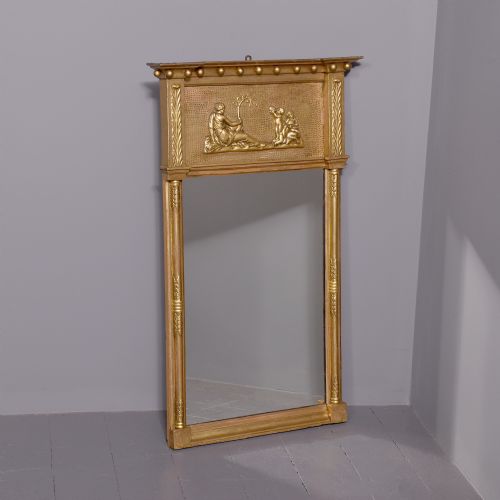
A trumeau mirror incorporates a painted panel or an artwork directly into the upper section of the frame above the glass plate. Originating in French interior design, they served as permanent architectural wall decorations.
These pieces combine functional reflection with pictorial art, often featuring classical motifs or pastoral scenes.
How do I identify a Regency mirror?
Regency mirrors often feature classical architectural elements such as columns, ebonised reeded details, and ball-accented cornices. The frames frequently display giltwood surfaces alongside verre eglomise panels.
These items date from the early nineteenth century and reflect a strict adherence to Neoclassical design principles.
Are overmantle mirrors heavy?
Overmantle mirrors built during the nineteenth century are typically constructed from dense wood, gesso, and thick glass plates. Their grand scale requires secure wall anchoring to support the substantial weight.
When hanging these large pieces, professional installation ensures the frame remains safely secured above a fireplace.
What distinguishes gesso from carved wood?
Carved wood involves shaping the actual timber foundation into decorative motifs using chisels and gouges. Gesso is a plaster mixture applied over a simpler wooden base to mould intricate relief details.
Many antique frames combine both techniques, using carved wood for structural strength and gesso for fine surface ornamentation.