
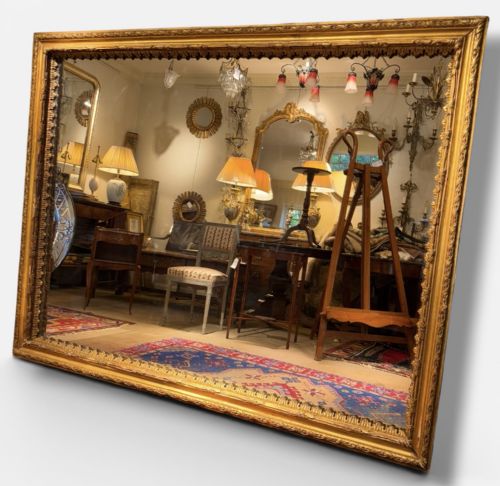
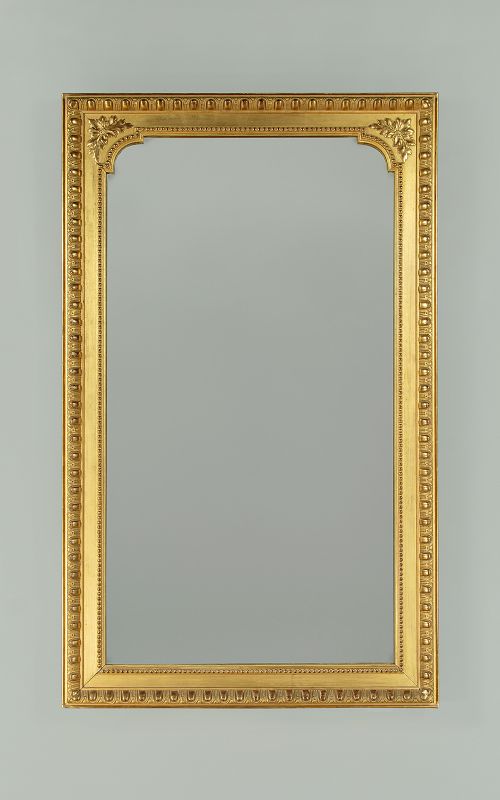


Classical Carved Gold Mirror
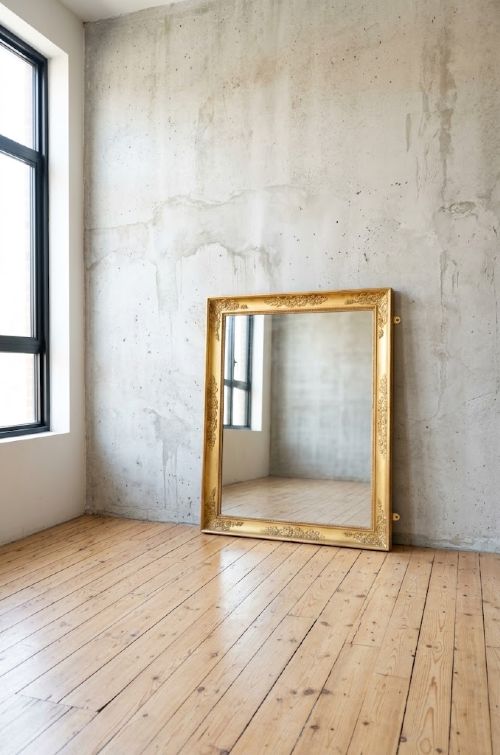
A classical carved gold mirror brings formal architectural proportion and luminous reflection into a room through disciplined gilding and substantial woodwork.
Classical Carved Gold Mirror
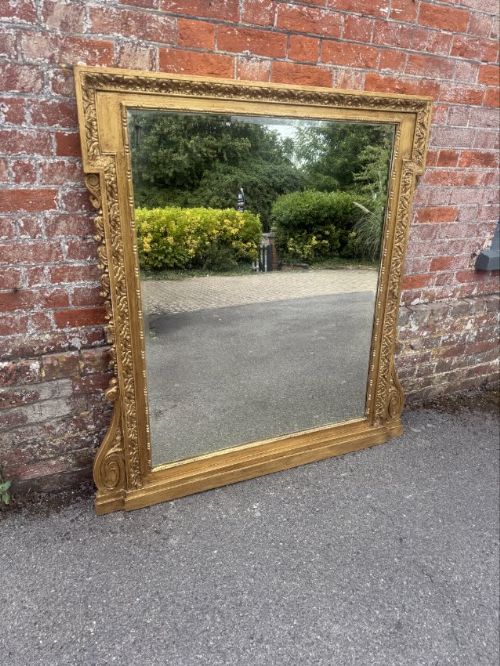
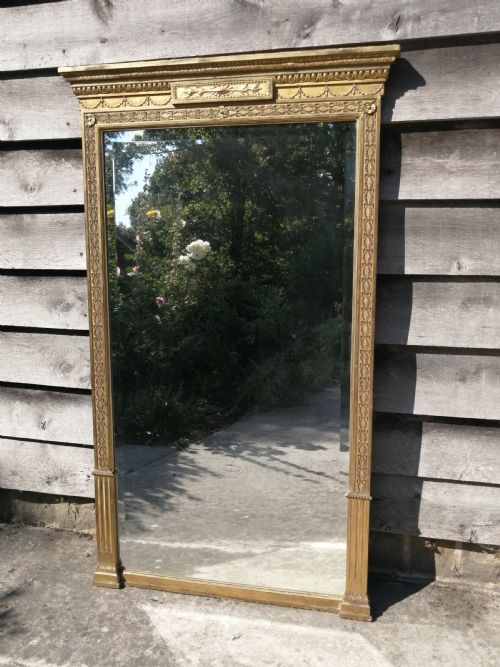
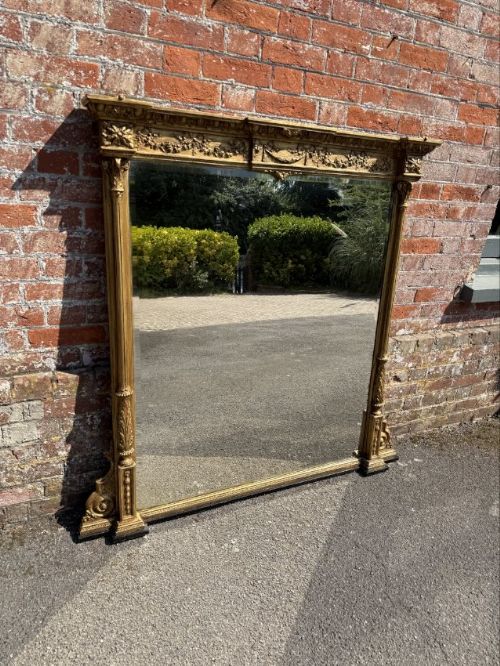
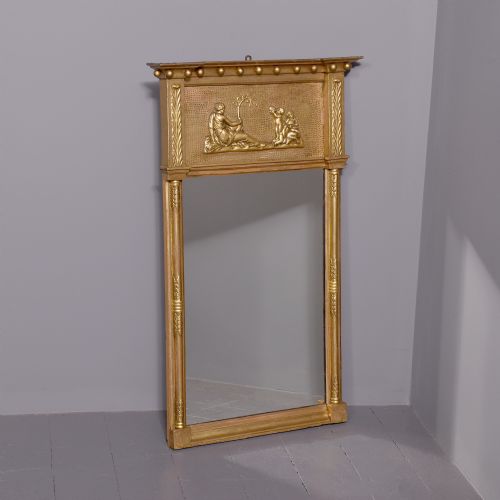
A classical carved gold mirror functions as a focal point in a reception room or above a fireplace, originating primarily from the Georgian, Regency, and Victorian periods. Buyers seeking this phrase encounter grand overmantels, tall pier mirrors, and trumeau panels framed by classical motifs.
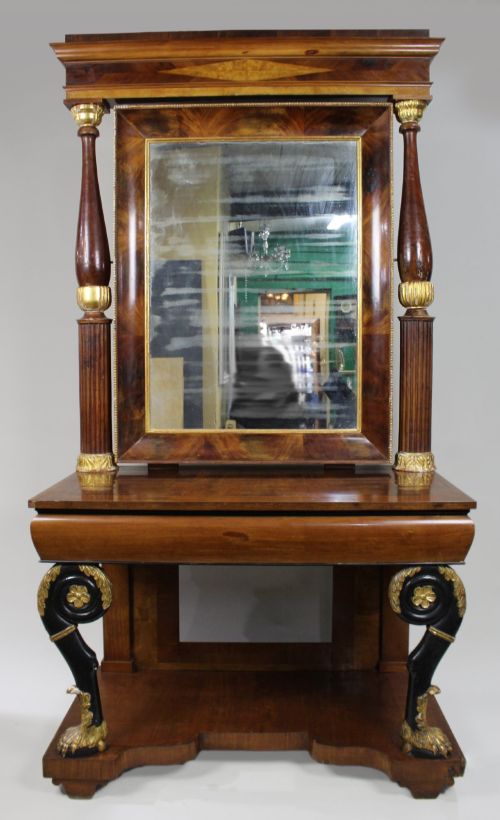
The objects span English and French workshops, utilising forms that range from rectangular pier glasses to large arched overmantels fitted with original or replacement plates. They appear alongside console tables or stand alone on panelled walls.
Materials and construction
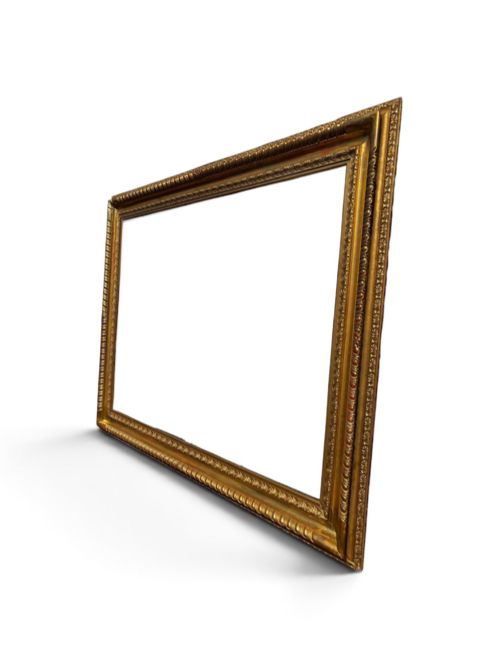
Makers shaped these frames from timber such as pine or mahogany, applying layers of gesso to build up high-relief ornamentation before gilding the surface with gold leaf or metallic paint. Composition ornament moulded from a mixture of whiting, resin, and glue often reinforced intricate floral or mythological motifs.
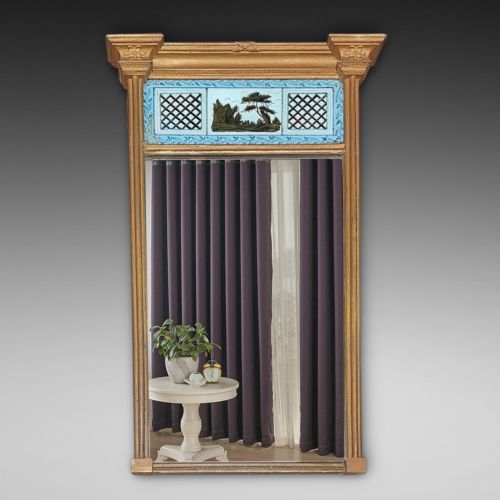
Mirrors combined wood, gesso, and glass, sometimes incorporating verre églomisé panels or painted canvases into the upper section of a trumeau frame. The silvering on the glass plate developed through historical mercury or silver nitrate processes, leaving subtle signs of age.
Listings for this phrase span the Georgian, Regency, and Victorian eras, utilising timber, gesso, and canvas alongside traditional glass.
Distinctions in quality
The clarity of the carving defines the upper tier of these pieces, where artisans undercut the wood and crisp the gesso rather than relying on heavy moulded composition. Crisp detailing in acanthus leaves, columns, and floral garlands indicates a skilled hand at the bench.
Proportion and the retention of original surfaces separate standard examples from exceptional ones. Giltwood that displays an undisturbed layered patina with subtle burnishing holds greater visual depth than uniform modern metallic paint.
The Classical Carved Gold Mirror Glossary
- Giltwood
- Wood carved and coated with gold leaf over a prepared gesso ground. It forms the primary bright surface of these antique frames.
- Gesso
- A plaster mixture applied to wood frames and carved to take fine detail before gilding. It provides the smooth white bed beneath the gold leaf.
- Pier mirror
- A tall glass designed to hang on the wall space between windows. These pieces often sat above matching console tables.
- Trumeau mirror
- A decorative wall mirror incorporating a painted panel or verre églomisé scene above the glass plate. Originating in France, they integrated woodwork into the wall panelling.
- Verre églomisé
- Reverse-painted glass decorated with gold or silver leaf. It appears in the upper panels of Regency pier mirrors.
Classical Carved Gold Mirror: Frequently Asked Questions
Where should I hang a classical carved gold mirror?
These mirrors suit principal reception rooms, positioned safely above a mantelpiece or anchored securely to a large wall between windows. Their substantial frames require solid wall fixings to support the combined weight of the wood and glass.
Placing the glass opposite a window maximises the natural light reflected into the space, brightening darker corners while maintaining formal symmetry within the interior.
Are the mirror plates original?
Many surviving pieces retain their early mirror plates, which often show characteristic foxing, minor pitting, and soft distortion in the reflection. These visual irregularities confirm the age of the glass and add depth to the piece.
Some mirrors received replacement glass during their history to maintain practical utility when the original silvering degraded beyond functional reflection.
How do I distinguish Regency from Victorian examples?
Regency frames typically display restrained neoclassical geometry, reeded columns, and verre églomisé panels reflecting early nineteenth-century design tastes. They prioritize clean architectural lines and balanced proportions. C