

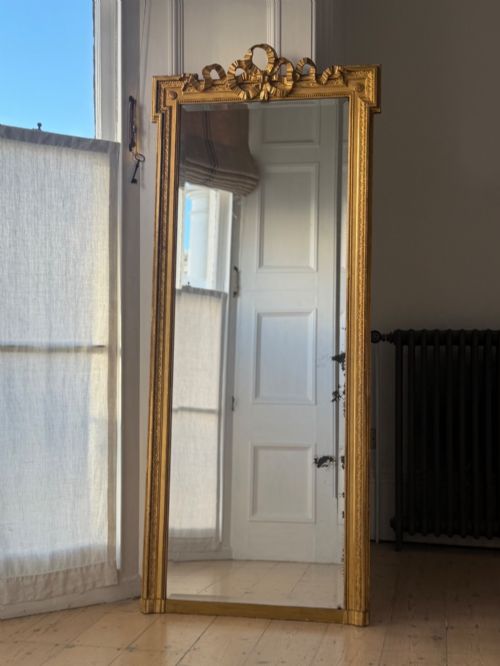
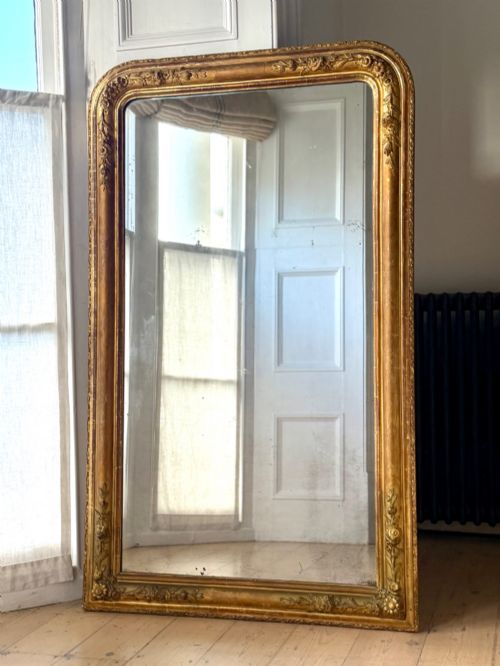
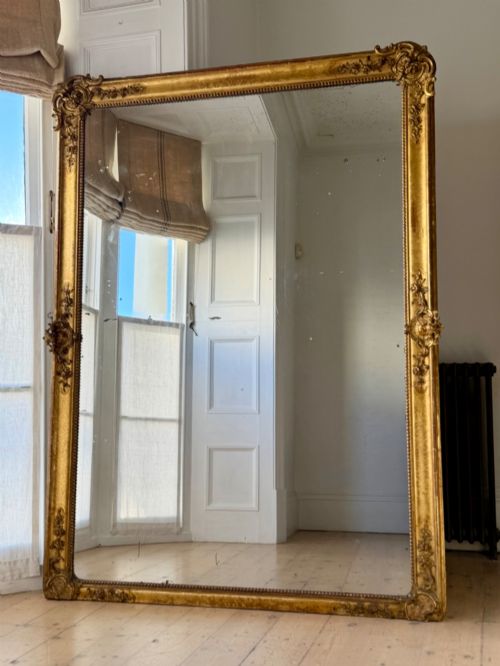
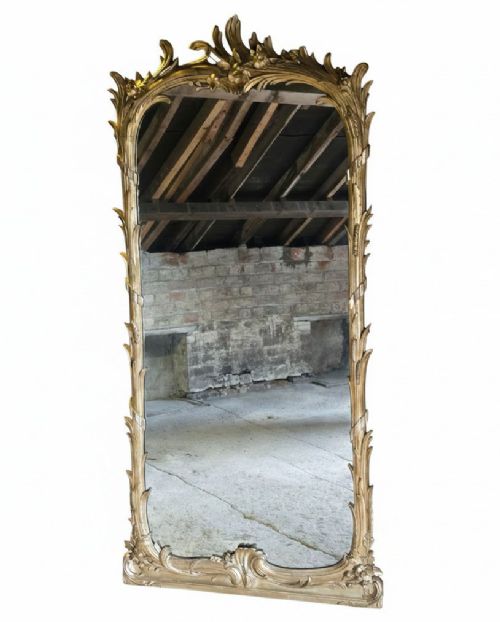


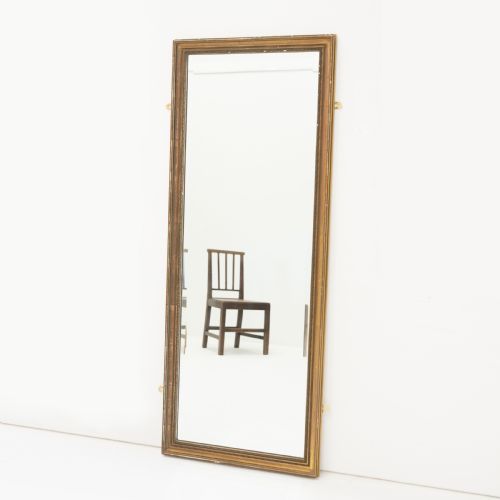


Gold Leaf Full Length Mirror
A gold leaf full length mirror brings depth and bright reflection to a room, drawing the eye along tall proportions and gilded surfaces.
Gold Leaf Full Length Mirror
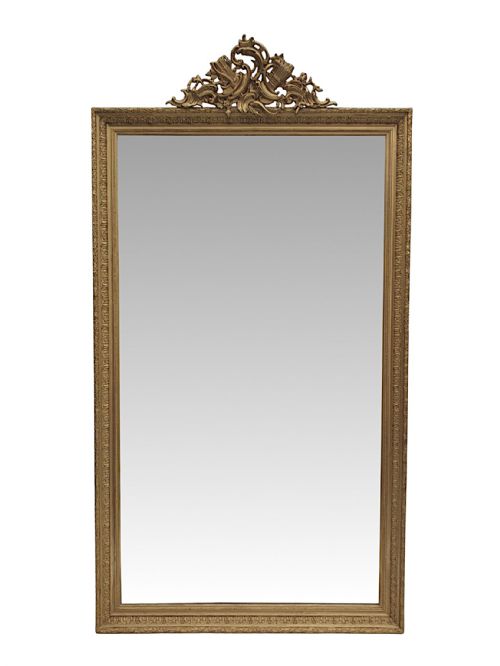
A gold leaf full length mirror provides a commanding vertical presence, designed to stand on the floor or hang as a tall wall piece. When searching for a gold leaf full length mirror, buyers encounter grand proportions intended to capture light and reflect the entire room.
The selections span the nineteenth century and the early twentieth century, taking the form of leaner mirrors, overmantels, pier glasses, and cheval dressing mirrors. French and Italian influences dominate the designs, alongside English interpretations of classical styles.
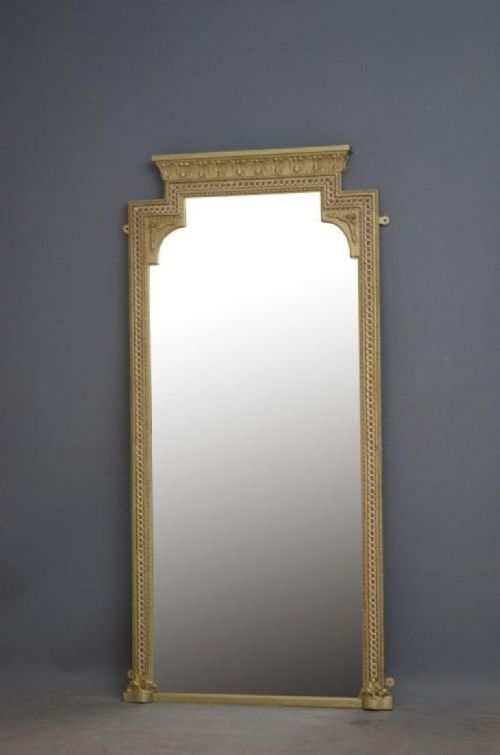
Makers utilised architectural frames and shaped crests to create imposing decorative statements. These tall mirrors serve both functional dressing purposes and grand decorative roles within domestic interiors.
Materials and construction methods
Makers built the structural frames primarily from timber, often carving intricate details directly into the wood. Applied gesso provided a smooth surface for subsequent gilding.
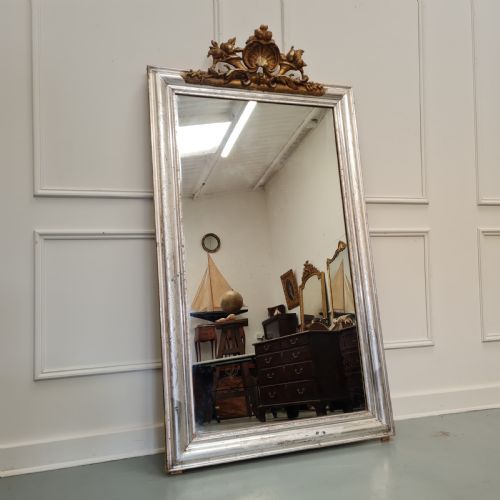
Artisans applied delicate sheets of gold leaf or silver leaf over the prepared gesso and wood base. Silver gilded and mixed metal finishes also appear alongside traditional gold leaf.
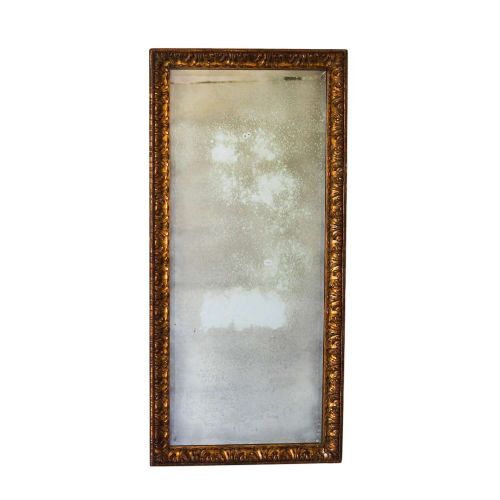
Mirror glass of the period was set within these heavy frames, occasionally showing historical ageing or distress on the reflective plate.
Gold Leaf Full Length Mirror Retail Price Guide 2026
Typical asking prices for gold leaf full length mirror among the pieces listed under this phrase on Sellingantiques today, from the lower quarter to the upper quarter. They describe what is for sale here now, not the wider market.
Some tall bistro mirrors retain their original distressed glass plates, carrying the cloudy traces of past centuries.
Distinctions in craftsmanship and design
Depth and complexity of the carved wooden ornamentation separate standard frames from superior examples. Elaborate crests, such as camel-crested Louis XV styles or deep rococo scrollwork, require advanced carving skill.
The integrity of the original gilt or silvered surface determines the visual impact of the piece. Hand-applied gold leaf demonstrates a richer lustre and greater durability than later repainting.
Proportion and scale dictate the architectural presence of a tall mirror. Taller and narrower configurations or exceptionally wide floor-standing formats reflect specific design ambitions of the nineteenth century.
The Gold Leaf Full Length Mirror Glossary
- Giltwood
- Wood that has been coated with gold leaf or metal leaf. This finish creates a bright metallic surface across the carved frame.
- Gesso
- A plaster mixture applied to wood frames to create a smooth base for gilding. It allows carvers to achieve sharp, detailed relief work.
- Cheval mirror
- A freestanding mirror suspended on a frame with pivots, allowing the glass to tilt. These tall dressing mirrors date frequently to the nineteenth century.
- Pier glass
- A tall mirror designed to hang on the narrow wall space between windows. They often match console tables and amplify natural light.
- Overmantel mirror
- A wide mirror made to sit above a fireplace mantel. Many examples feature elongated proportions suitable for leaner placement.
- Louis Philippe style
- A nineteenth century French design style characterised by simple, elegant arched tops and restrained classical ornament. It combines utility with refined proportion.
Gold Leaf Full Length Mirror: Frequently Asked Questions
How do I secure a tall leaner mirror safely?
Leaner mirrors rest directly against the floor and wall, utilising their own weight for stability. Safety brackets or anchor straps attached to the wall behind the frame prevent accidental tipping.
Positioning the base firmly on a level floor ensures the heavy timber and glass frame remains secure during daily use.
What is the difference between a pier glass and an overmantel?
Pier glasses were originally designed to hang on the narrow wall space between two windows, making them tall and relatively narrow. Overmantels are broader mirrors constructed specifically to hang horizontally above a fireplace.
Both forms utilise giltwood and gesso frames, but their historical placement dictates their proportions.
How should I clean antique giltwood frames?
Dust the carved wooden frame gently with a dry, soft-bristled brush to remove surface debris without disturbing the delicate gold leaf. Avoid liquid cleaners, moisture, and chemical sprays, which can lift the gesso and metal leaf from the timber base.
The mirror glass itself can be wiped carefully with a standard glass cleaner applied to a cloth rather than sprayed directly onto the plate.
Can these mirrors be used as freestanding dressing mirrors?
Certain forms, particularly cheval mirrors, include integrated wooden stands and pivot mechanisms designed specifically for dressing. Other tall wall and leaner mirrors are intended to be supported by the wall rather than stand independently.
Checking the back construction reveals whether a piece requires wall attachment or possesses its own floor-standing frame.