



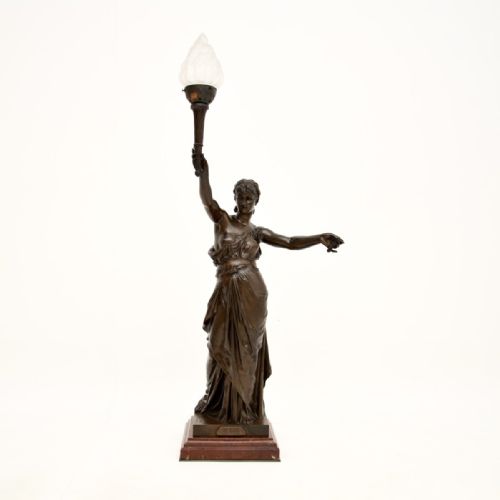

Classical Bronze Figure Lamp
A classical bronze figure lamp brings sculptural presence and warm illumination to a room, drawing on ancient mythology and grand historical design.
Classical Bronze Figure Lamp
When you search for a classical bronze figure lamp, you encounter sculptural lighting fixtures depicting mythological deities, allegorical personages, and classical figures. These pieces frequently draw upon Neoclassical, Regency, and Art Nouveau aesthetics, transforming historical motifs into functional illumination.
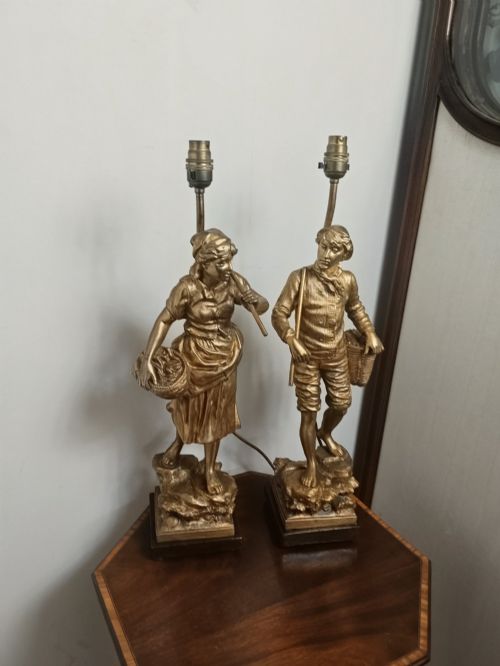
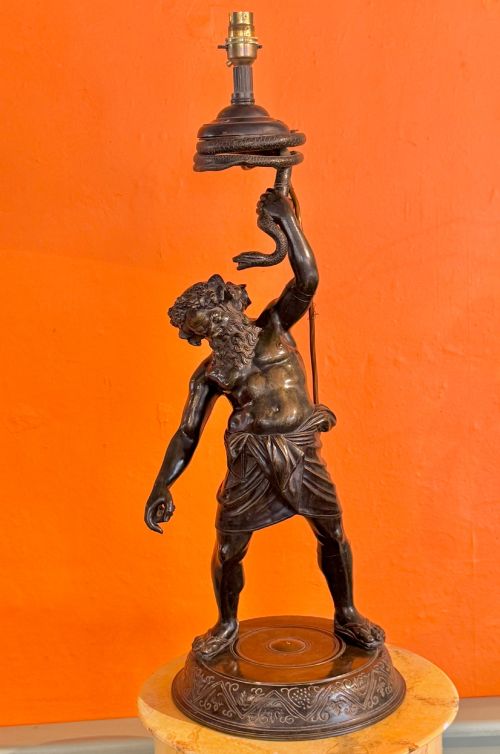
The most common examples on this page are table lamps and large floor-standing torcheres created during the 19th century and the early decades of the 20th century. Figures range from Atlas and Apollo Belvedere to allegorical representations of peace, glory, and mythical sirens.
Makers and foundries across France, Italy, and Britain produced these works, often mounting the heavy metal figures upon architectural bases of marble, china, or carved wood. Many incorporate elaborate torchere shades, glass globes, or fabric elements to diffuse the light.
Materials and construction
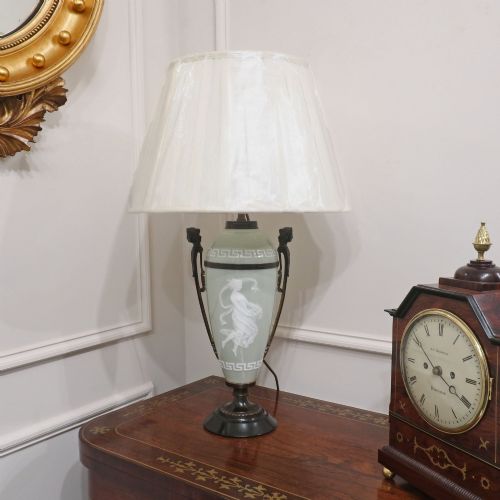
Bases incorporate contrasting materials such as white marble plinths, porcelain, and rock crystal columns to support the substantial weight of the metalwork. Glass components, including opaline and frosted shades, were paired with metal brackets and torcheres to complete the light fittings.
Listings feature 19th-century table lamps, floor torcheres, and wall lights cast in bronze, spelter, and gilt bronze, often mounted on marble bases.
Assessing quality and execution
The distinction between standard production and exceptional work lies in the sharpness of the casting and the sensitivity of the hand-chasing. Superior examples display crisp details in facial expressions, hair, and fabric folds that lesser castings blur.
Signatures from recognised sculptors or established Parisian foundries elevate a piece significantly. The integrity of the original mounting, the quality of the marble plinths, and the preservation of original gilding or cold-painted surfaces determine the standing of the piece.
E Rousseau·G. Amodio Naples·L & F Moreau·F. De Luca·Emile Picault·Humphrey Hopper·Jean-Jules Cambos·Coutan·Auguste Moreau
The Classical Bronze Figure Lamp Glossary
- Torchere
- A tall stand or ornamental floor lamp designed to hold a light source high above the ground. These fixtures often feature classical figural supports.
- Grand Tour
- A cultural journey undertaken by wealthy young Europeans in the 19th century to view classical antiquities, inspiring smaller bronze replicas of famous sculptures.
- Spelter
- A zinc alloy commonly utilised as an economical alternative to bronze during the 19th and early 20th centuries, often finished with bronze-like metallic paint.
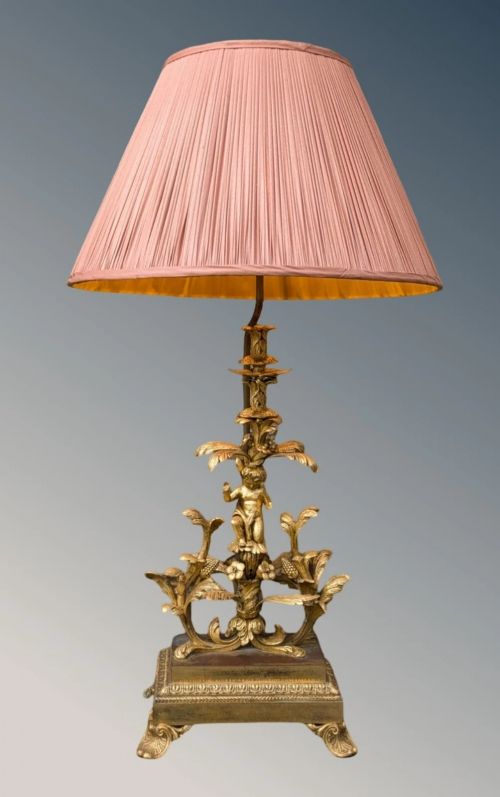
- Ormolu
- Gilded bronze produced by applying a mercury and gold amalgam to a bronze base, creating a rich golden surface found on French decorative arts.
- Pate Sur Pate
- A ceramic decoration technique where a liquid clay relief is applied to a contrasting body before firing, occasionally seen on lamp bodies.
Classical Bronze Figure Lamp: Frequently Asked Questions
What is a classical bronze figure lamp?
A classical bronze figure lamp is a lighting fixture featuring a cast metal sculpture of a mythological, historical, or allegorical subject. These pieces integrate the human form directly into the body or support of the lamp.
Originating largely from the 19th century and the Edwardian era, they reflect a deep Victorian and continental fascination with classical antiquity, sculpture, and decorative interior lighting.
How do I distinguish bronze from spelter?
Bronze is a heavy, dense copper alloy that accepts fine chiselling and develops a deep, stable natural patina over generations. Spelter, a zinc-based metal, is lighter, softer, and more prone to surface cracking or paint flaking.
Lamps cast in spelter often display a applied bronze-coloured finish rather than a true metallic oxidation, and they feel noticeably less substantial when lifted.
Where were these lamps placed originally?
Larger figural torcheres and floor lamps stood in entrance halls, grand libraries, and principal reception rooms to provide ambient illumination alongside wall brackets and chandeliers. Smaller table lamps graced desks, sideboards, and occasional tables in private parlours.
Their substantial height and sculptural presence allowed them to function as primary decorative works of art even when unlit.