
Antique Bedside Reading Light
An antique bedside reading light brings focused illumination and period character to a bedroom, combining practical function with distinct historical design.
Antique Bedside Reading Light
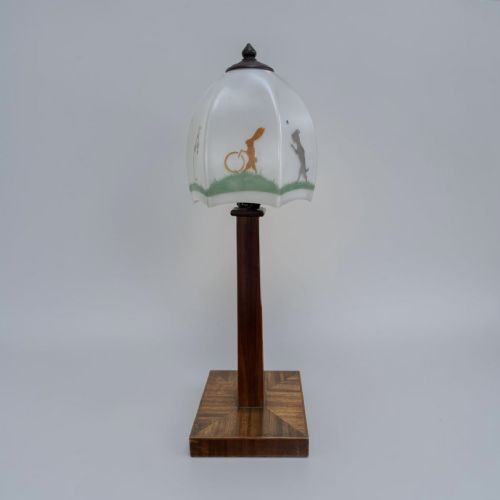
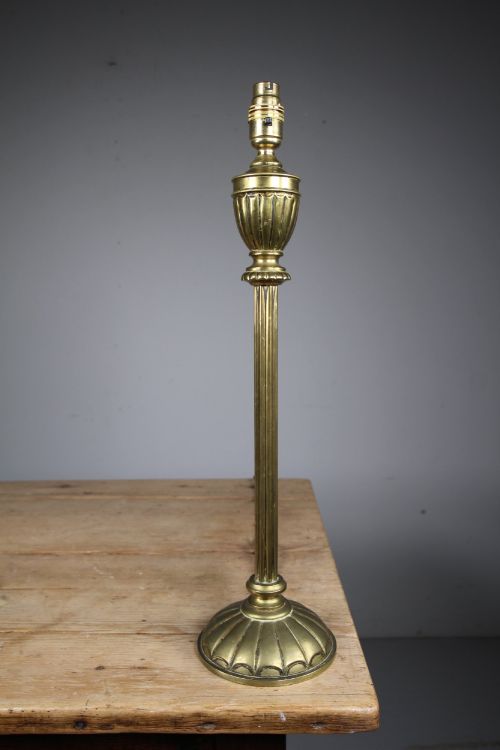
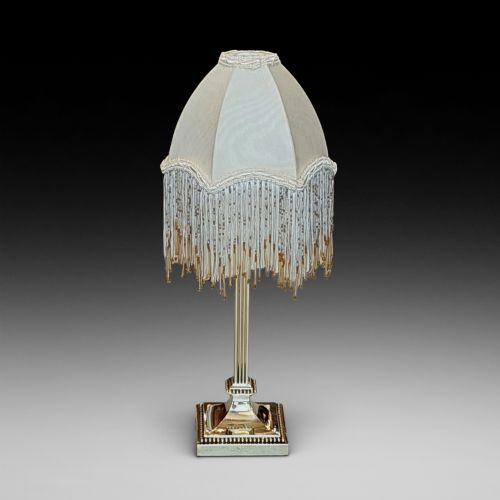
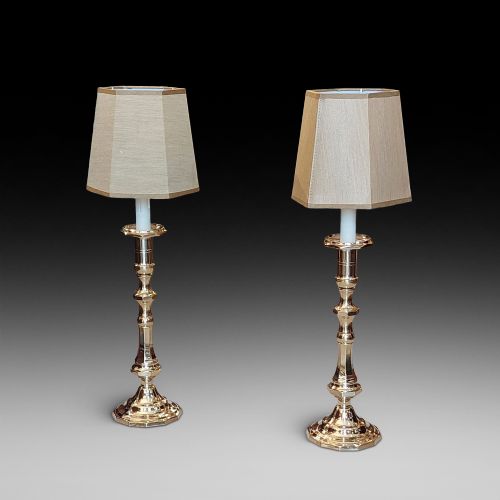
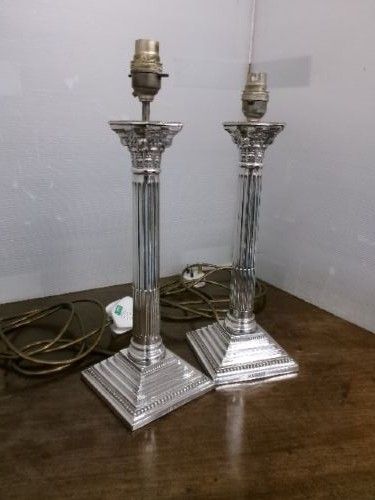
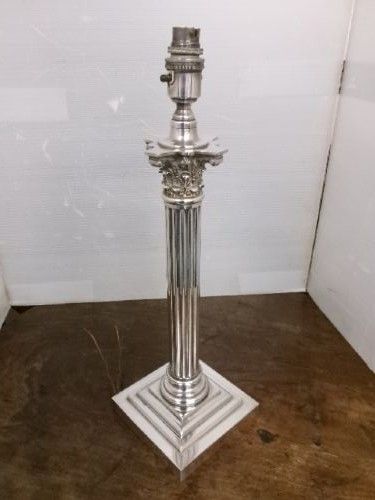
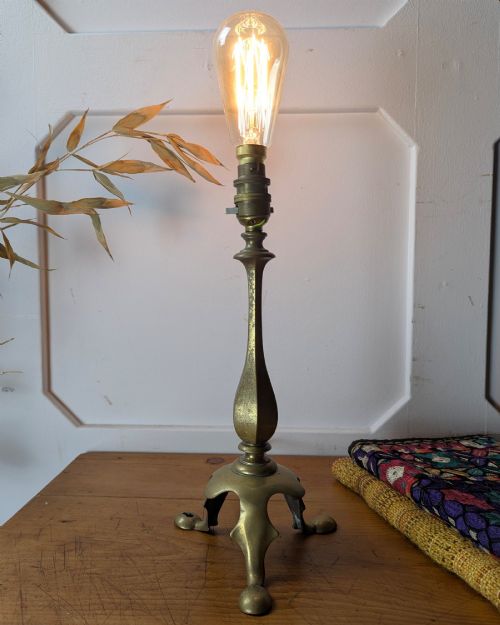
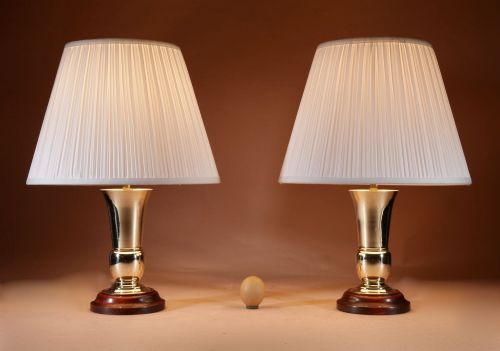
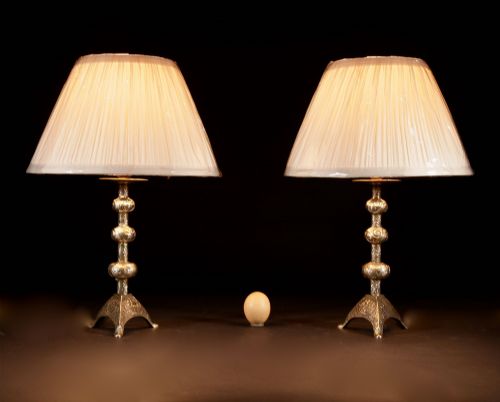
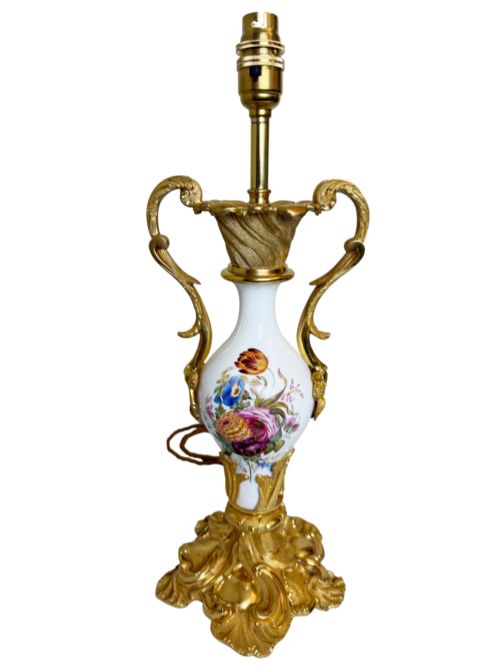
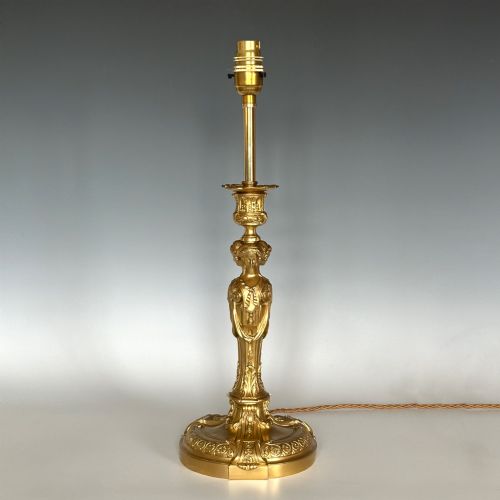
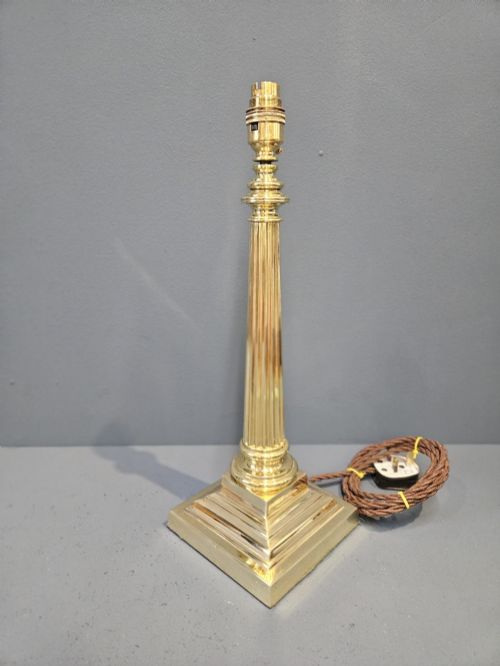
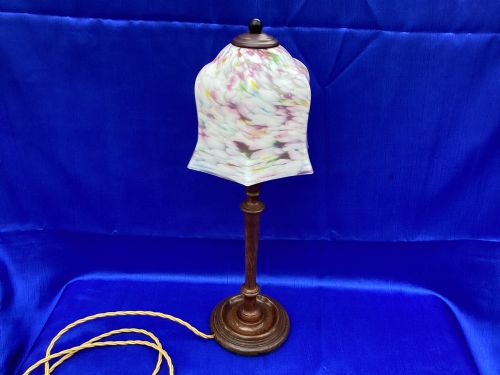
When searching for an antique bedside reading light, buyers typically encounter table lamps and desk lamps adapted from various historical periods, including the Victorian, Edwardian, and Art Deco eras. These fixtures often originate from Britain and France, manifesting in diverse column, candlestick, and sculptural forms.
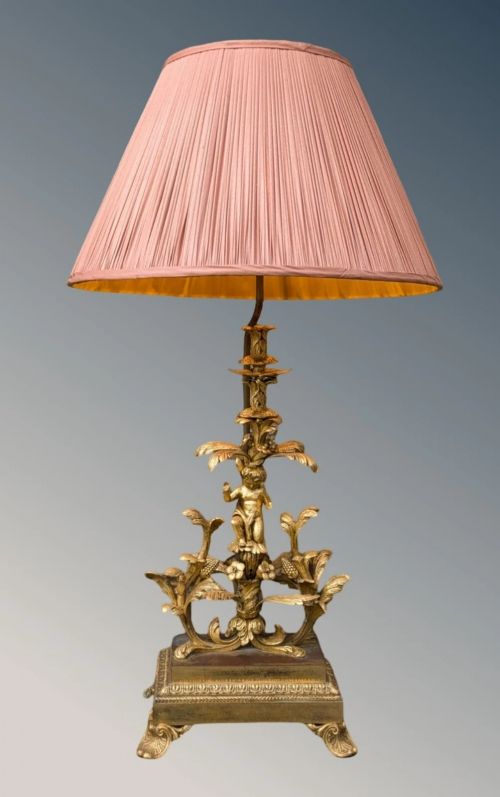
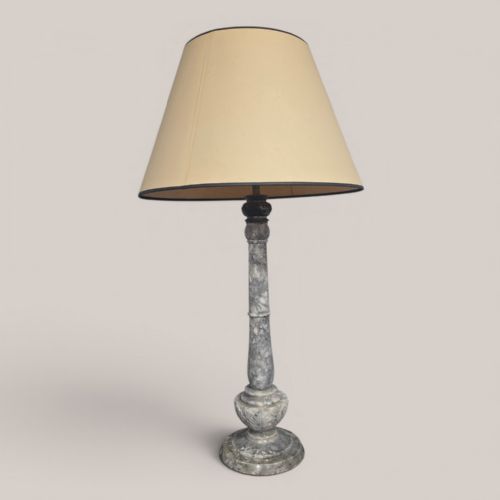
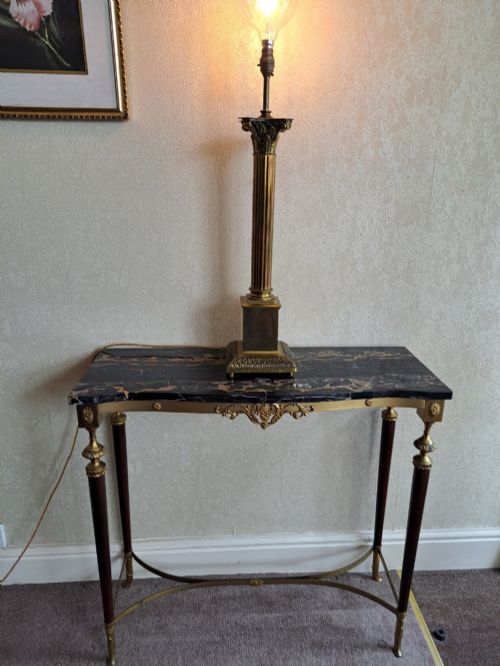
The selection ranges from classical brass Corinthian and Doric column designs to stylized Art Nouveau spelter and geometric Art Deco chrome or bakelite models. Many pieces utilise sturdy metals such as brass, silver plate, and gilt bronze, occasionally combined with marble, onyx, or alabaster bases.
While originally manufactured as standard table or desk lighting, these items function effectively as bedside reading lights due to their adjustable components or concentrated illumination. Buyers frequently find paired sets alongside individual statement lamps spanning the late nineteenth century through the 1930s.
How they were made
Maker workshops utilised traditional metalworking techniques, casting brass, gilt bronze, and spelter into architectural columns, balusters, and floral motifs. Silver plating and ormolu applications provided polished metallic finishes, while turning methods shaped wooden and alabaster components.
Makers integrated weighted bases to ensure stability on domestic surfaces, often pairing metal structures with glass shades, opaline glass, or fabric elements like silk. Electrical adaptation frequently occurred later, upgrading original fittings for modern use while retaining the antique body.
Materials documented across the selection include brass, gilt bronze, silver plate, marble, onyx, alabaster, and oak.
What varies in quality
Quality separates through the crispness of cast ornamentation on columns and bases, where finer examples display sharp relief and meticulous chasing rather than softened edges. The choice of materials, such as heavy solid brass or substantial gilt bronze compared to lighter plated metals, dictates the heft and longevity of the fixture.
Design integrity and attribution elevate certain pieces, particularly those bearing the marks of known workshops or exhibiting specific stylistic movements like Arts and Crafts or Art Deco with uncompromised proportions. Original surface patination and integrated structural components also distinguish superior specimens from altered or assembled items.
WAS Benson·Faraday and Sons·Eileen Grey
The Antique Bedside Reading Light Glossary
- Corinthian column
- A classical architectural column form featuring an ornate capital decorated with acanthus leaves, frequently utilised on tall nineteenth-century brass table lamps. This design reflects the nineteenth-century revival of ancient Greek and Roman architecture.
- Ormolu
- Finely ground high-carat gold applied to a bronze base using a mercury amalgamation process, creating a rich golden surface finish on French decorative objects. The technique requires considerable skill and yields a durable lustre.
- Spelter
- An alloy primarily composed of zinc, often cast into decorative figures or lamp bodies during the late nineteenth and early twentieth centuries. It served as an affordable alternative to bronze and was frequently painted or electroplated to mimic heavier metals.
- Bakelite
- An early form of synthetic plastic developed in the early twentieth century, prized in Art Deco design for its smooth finish and rich colours. It allowed for moulded geometric shapes on desk and table lamps.
- Opaline glass
- A semi-translucent white or tinted glass that diffuses light evenly, commonly employed for shades and lamp bodies during the Victorian and Edwardian periods. Its milky appearance softens the glare of early electric bulbs.
Antique Bedside Reading Light: Frequently Asked Questions
How do I choose a suitable bedside light?
Consider the height of your bedside table and the reach of the lamp arm to ensure the light falls directly onto your book. Compact column lamps or adjustable desk models work particularly well for restricted spaces.
Match the metal finish, such as brass or silver plate, to the existing hardware in your bedroom to maintain a cohesive aesthetic.
Can these antique lamps be rewired safely?
Most vintage and antique lamps require rewiring to meet contemporary electrical standards and ensure safe domestic use. Professional electricians can easily update internal cord sets while preserving the original exterior components.
Many listed items already feature updated wiring, allowing for immediate installation upon purchase.
How do I distinguish Victorian from Art Deco lamps?
Victorian lighting typically displays ornate classical details, such as Corinthian columns, floral castings, and heavy brass or silver-plated structures. These designs emphasise historical revival styles and traditional ornamentation.
Art Deco lamps, by contrast, embrace streamlined geometry, chrome finishes, and modern materials like bakelite, reflecting the design sensibilities of the 1930s.
What maintenance do antique metal lamps need?
Dust metal surfaces gently with a soft, dry cloth to prevent the accumulation of grime that can dull the finish. Avoid abrasive metal polishes, which can strip away desirable historical patination or damage delicate platings.
Period fabrics and silk shades require careful handling and should be kept away from direct, harsh sunlight.