
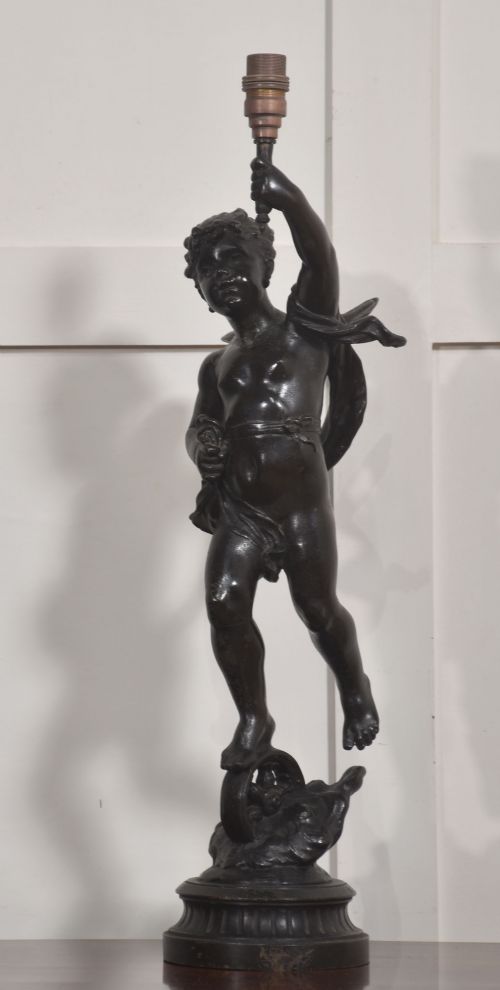


French Bronze Accent Light
A french bronze accent light brings warmth and period character to a room through sculpted metal and varied historic forms.
French Bronze Accent Light
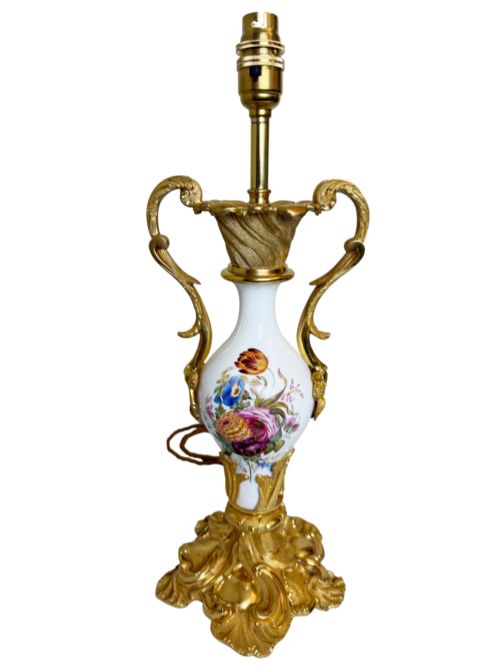
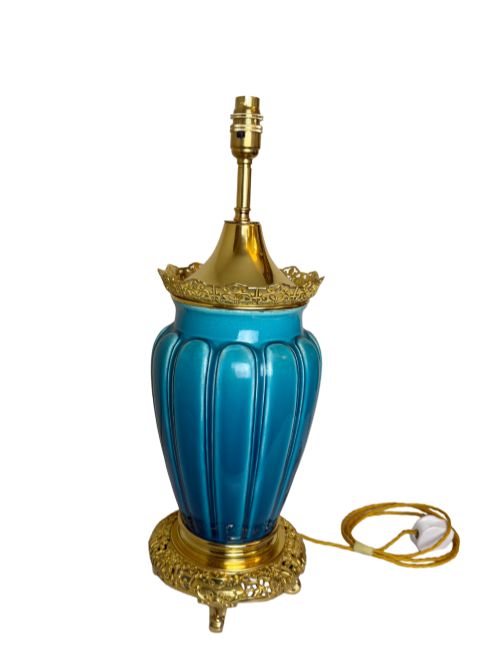
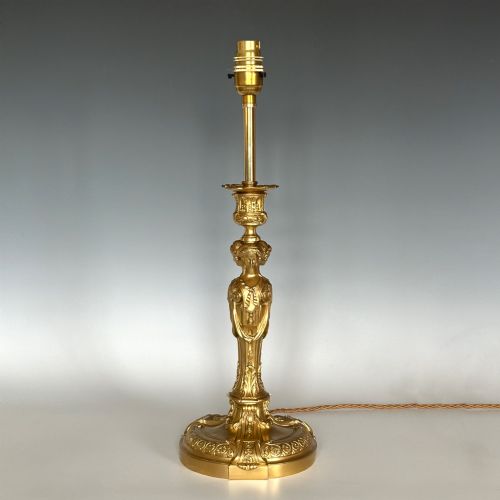
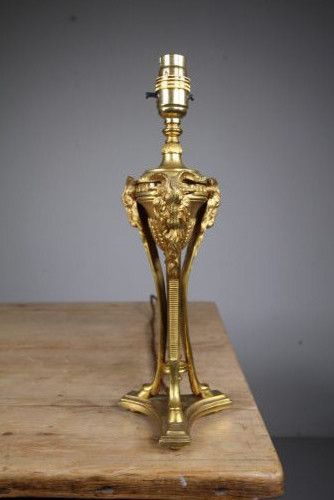
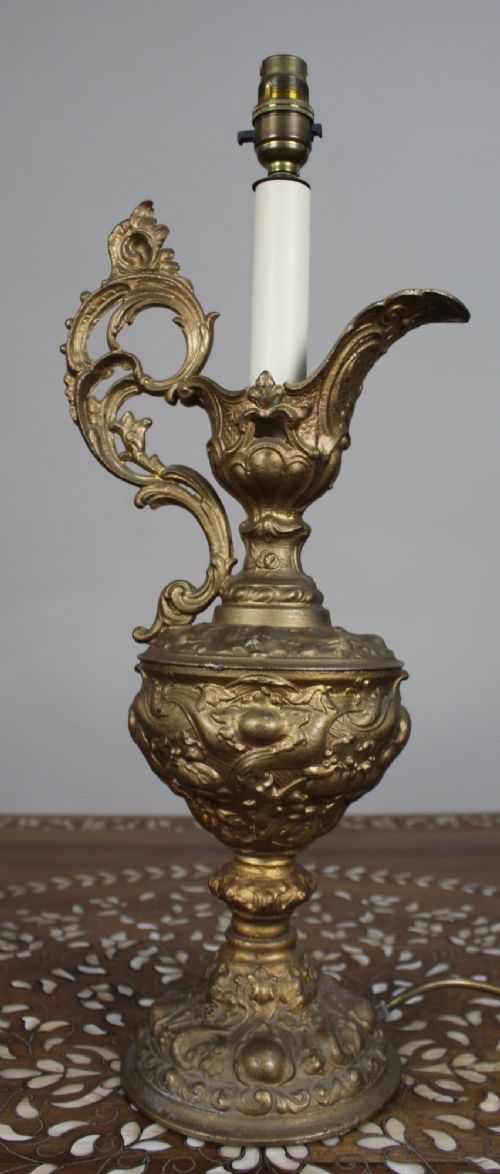
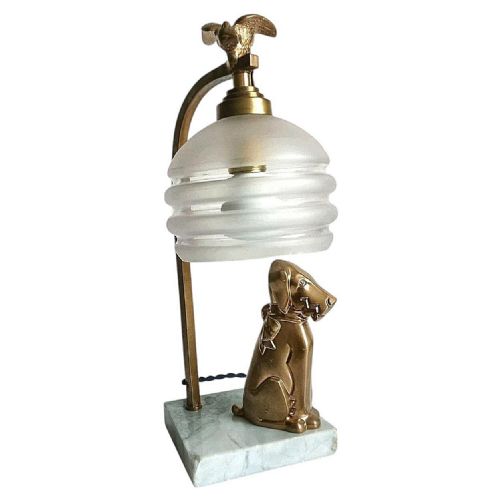
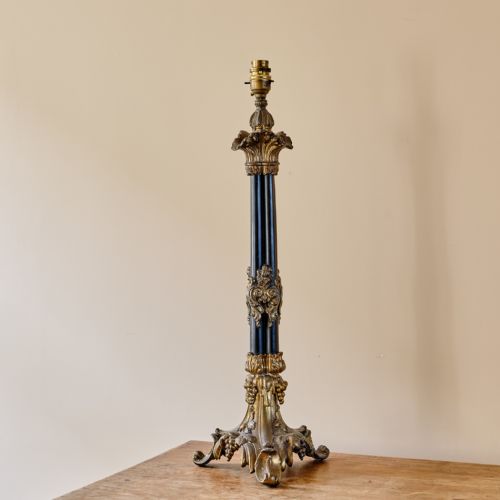
A french bronze accent light primarily takes the form of a table lamp or night light designed to illuminate a specific corner or surface. These pieces emerge from periods ranging through the nineteenth century, the art nouveau era, and the art deco decades, often following neoclassical, rococo, or empire styles.
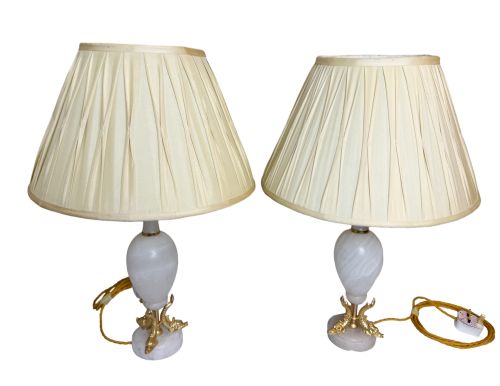
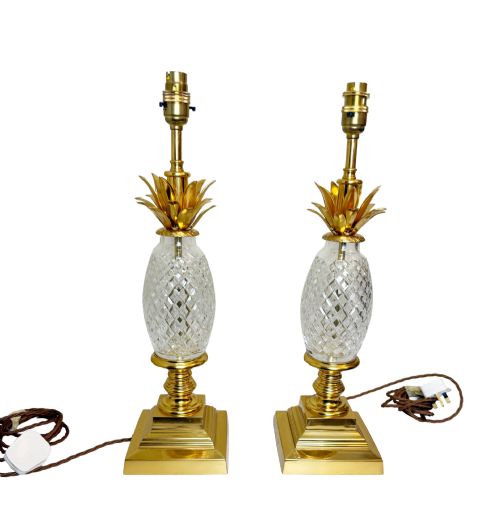
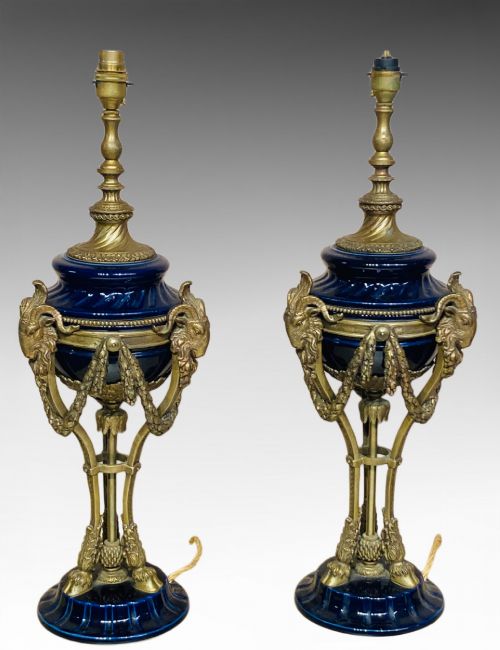
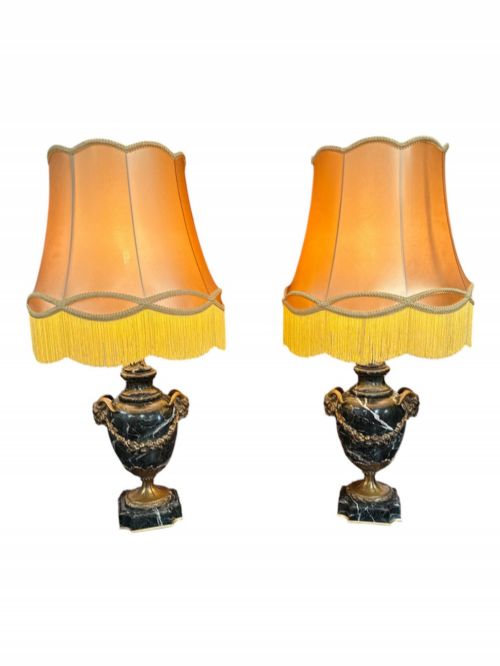
The objects combine cast metal structures with supplementary materials like marble bases, porcelain bodies, and fabric shades. Collectors encounter single lamps as well as symmetrical pairs suitable for side tables, consoles, or mantelpieces.
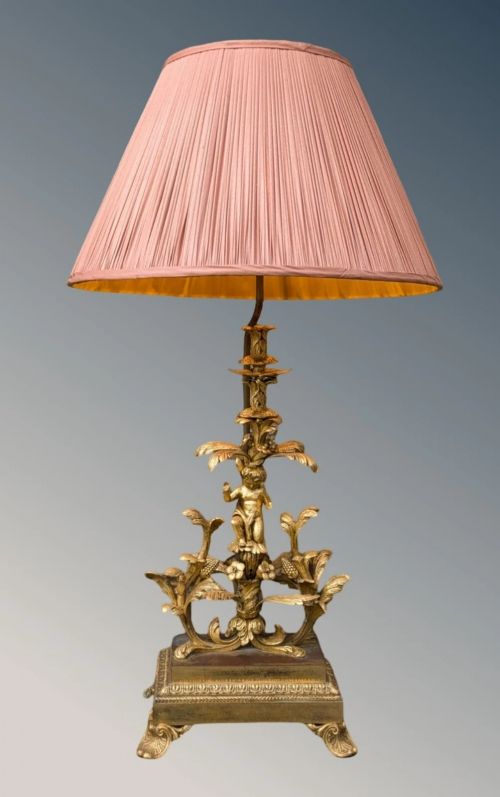
Many examples incorporate figurative elements such as cherubs, animals, or mythological creatures alongside floral and architectural motifs. The selection spans from modest boudoir lights to large monumental urns and converted vases adapted for electrical illumination.
Materials and construction methods
The manufacturing process relies on casting bronze, brass, or spelter into intricate shapes, frequently finished with gilding, ormolu, or patination to achieve contrasting metallic sheens. Metal components combine with natural supports such as white or coloured marble, onyx, and carved stone.
Decorative elements often integrate ceramic and glass components, including paris porcelain, sevres porcelain, turquoise blue glazes, cut glass, and opaline or frosted glass shades. Metal mounts, gilt bronze trim, and toile de jouy fabric complete the structured assemblies.
The listings span periods from the early nineteenth century through art deco, featuring materials including marble, porcelain, and patinated bronze.
Distinctions in craftsmanship and design
Quality reveals itself in the sharpness of the casting, particularly in figurative subjects like cherubs, dogs, and human figures where facial expressions and drapery folds remain crisp and detailed. Superior examples demonstrate careful hand-chiselling of the bronze after casting to define edges and textures.
The choice of secondary materials marks another tier of excellence, distinguishing solid marble bases and fine porcelain bodies from simpler metal foundations. Heavier gauge metals and rich, uniform gilding or patination indicate higher workshops standards.
The French Bronze Accent Light Glossary
- Ormolu
- A technique of applying finely ground high-carat gold to a bronze object using a mercury amalgam, creating a rich golden surface finish. This finish characterises many high-status nineteenth-century pieces.
- Spelter
- An alloy of zinc and other metals utilised as a cheaper alternative to bronze for casting decorative figures and lamp bases. It appears frequently in art nouveau and art deco novelty lighting.
- Patination
- The natural or chemically induced surface coloration that develops on metal over time, enhancing depth and visual texture. Makers often applied artificial patinas to accentuate cast details.
- Empire style
- A neoclassical design movement spanning the late eighteenth and early nineteenth centuries, drawing inspiration from ancient Roman and Greek motifs. Pieces in this style often feature classical columns, wreaths, and formal symmetry.
French Bronze Accent Light: Frequently Asked Questions
How do I clean a bronze lamp?
Dust gently with a soft dry cloth to protect the surface finish and any applied gilding or patination.
Avoid chemical polishes and abrasive cleaners that can strip historic finishes and damage delicate marble or porcelain elements.
Are these lamps safely wired?
Older lighting often retains historic wiring or previous conversion fittings that require professional inspection before domestic use.
A qualified electrician can easily update internal components while preserving the exterior antique metalwork.
Can I replace the lampshade safely?
Replacement shades can be fitted provided the harp or shade carrier matches the original proportions and mounting style of the lamp base.
Selecting fabrics like toile de jouy or simple silks helps maintain the historic aesthetic of nineteenth and early twentieth-century designs.
How do I distinguish bronze from spelter?
Bronze offers a heavier weight and a resonant sound when tapped, whereas spelter feels lighter and softer under examination.
Examining the underside often reveals the greyish metal beneath a worn surface where spelter has lost its exterior plating.