



Figurative Bronze Table Lamp
These figurative bronze table lamps bring classical figures, cherubs, and striking characters into interiors with lasting sculptural presence.
Figurative Bronze Table Lamp
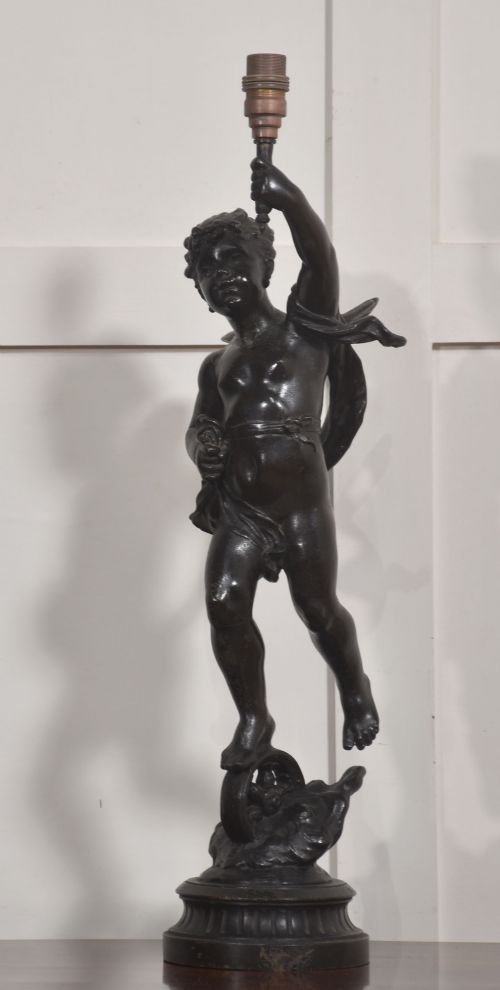
A figurative bronze table lamp combines sculptural human or mythological subjects with functional lighting, forming a distinct centrepiece for a room. When exploring a figurative bronze table lamp, buyers encounter pieces shaped by Victorian, Neoclassical, Art Nouveau, and Art Deco aesthetics.
The subjects span historical figures, cherubs, and allegorical characters cast in bronze or related metal alloys. These lighting pieces date across the nineteenth and early twentieth centuries, reflecting changing domestic tastes from ornate historicism to stylised modernism.
How they were made
Foundries typically produced these pieces using traditional metal casting methods, frequently employing bronze, spelter, or brass to capture intricate details in the figures. Patination was applied to the metal surfaces to create deep tonal variations, highlighting the musculature, drapery, and facial expressions of the subjects.
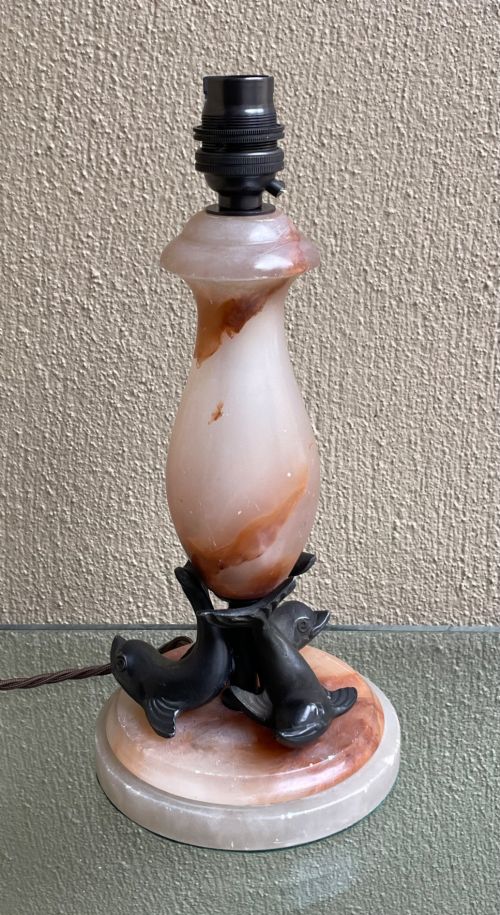
Many designs incorporate contrasting structural elements such as marble bases, alabaster bowls, or opaline and frosted glass shades to balance the weight of the metal figure. Fabric elements often completed the top assembly, diffusing the light cast downward over the sculpture.
Figurative Bronze Table Lamp Retail Price Guide 2026
Typical asking prices for figurative bronze table lamp among the pieces listed under this phrase on Sellingantiques today, from the lower quarter to the upper quarter. They describe what is for sale here now, not the wider market.
Tennis players, musicians, and mythological deities share the catalogue, proving that historical lamps possessed a wonderful sense of character.
What varies in quality
The integrity of the original patination and the harmony between the sculptural figure and any associated glass or stone components dictate the visual success of the object. Heavier cast bronze examples generally demonstrate a higher grade of craftsmanship compared to lighter alloy alternatives.
Ivan Zaiec
The Figurative Bronze Table Lamp Glossary
- Spelter
- A zinc alloy commonly utilised as a less expensive alternative to bronze for sculptural figures during the nineteenth and twentieth centuries. It takes patination well but possesses a lighter weight and softer structural strength.
- Patination
- The surface treatment or chemical coloration applied to metal to impart age, depth, and specific tonal qualities. It protects the underlying material while defining the highlights and shadows of the sculpture.
- Alabaster
- A fine-grained stone used for lamp bodies or bowls that allows light to diffuse softly through its translucent surface. It frequently appears alongside metal figures in twentieth-century lighting designs.
- Opaline glass
- A pale, semi-translucent glass type often moulded into shades for period lamps to emit a soft, milky glow. It provides a distinct textural contrast against dark patinated metal.
- Neoclassical
- A style drawing inspiration from the classical art and architecture of ancient Greece and Rome. It influences the classical drapery, symmetry, and dignified poses seen in many period figures.
Figurative Bronze Table Lamp: Frequently Asked Questions
What periods do these lamps date from?
The pieces span the late nineteenth century through the early twentieth century, encompassing Victorian, Art Nouveau, and Art Deco movements.
Production methods and artistic styles shifted during this period from ornate classical interpretations toward stylised modern figures.
How do bronze and spelter differ?
Bronze is a heavy, durable copper alloy that holds fine casting detail and develops a rich patination over time. Spelter is a softer zinc-based metal that was frequently utilised as an economical alternative for sculptural bases and figures.
Both materials were widely used across different decorative periods, though bronze pieces typically command greater weight and structural resilience.
What materials accompany the metal figures?
Sculptural lamps frequently incorporate bases or components made from marble, alabaster, and brass. Opaline or frosted glass shades and fabric elements often complete the upper lighting assembly.
These contrasting materials provide structural support and alter how light interacts with the central figure.
How do I style a figurative lamp?
These lamps function effectively as focal points on sideboards, desks, or large tables where their sculptural form remains visible when unlit. Placing them away from cluttered backgrounds allows the silhouette of the figure to stand out clearly.
Pairing the lamp with complementary period furnishings helps integrate the distinct aesthetic of the metalwork into the wider room.