

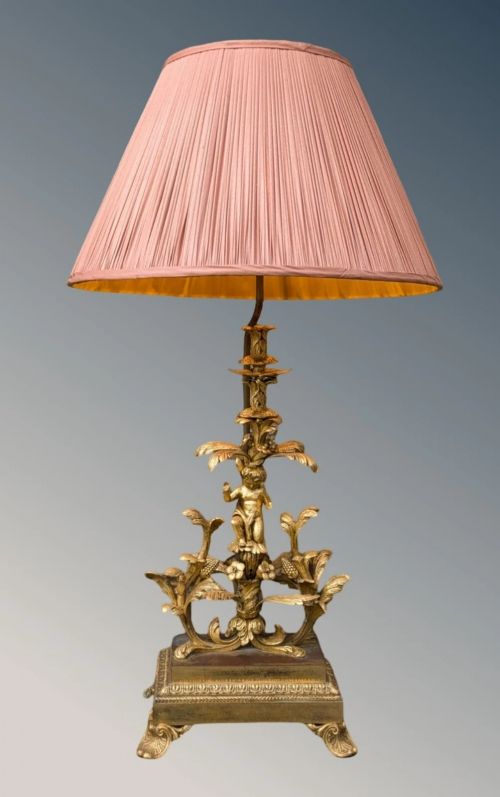
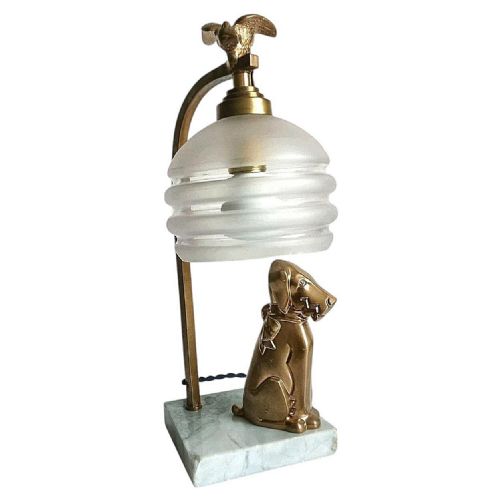
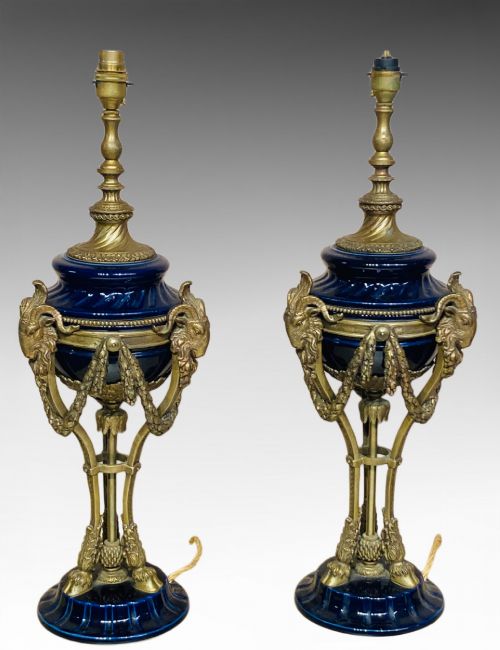
French Bronze Desk Lamp
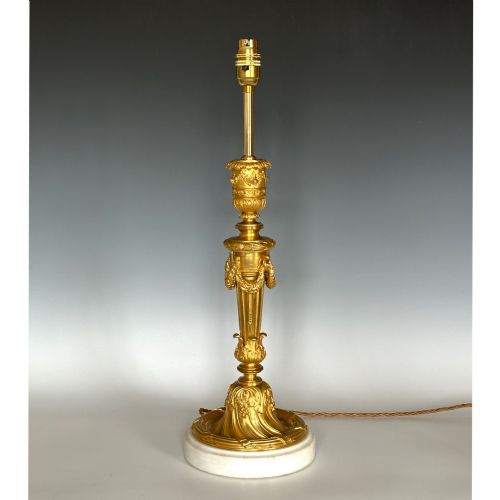
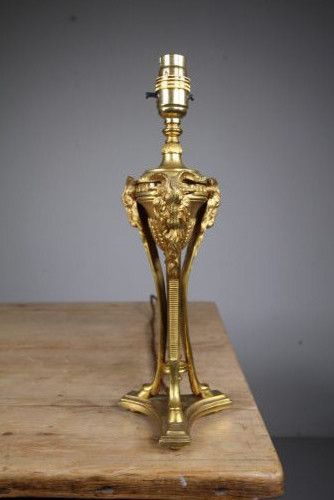
A French bronze desk lamp brings substance to a study, combining patinated metal with classical proportion or sinuous organic line.
French Bronze Desk Lamp
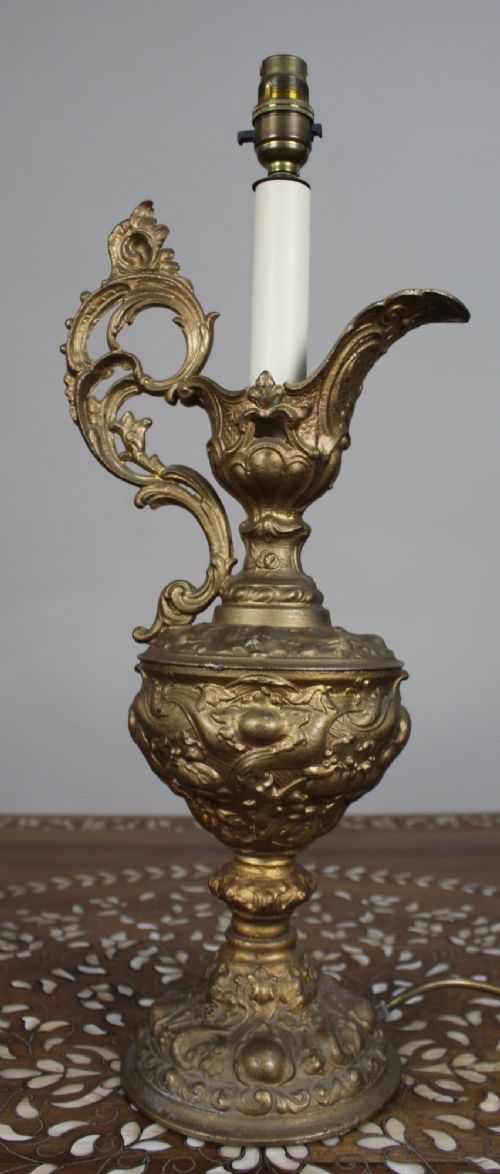
When you search for a french bronze desk lamp, you encounter items designed for illumination that double as sculptural objects, originating largely from the nineteenth and early twentieth centuries. The selection spans distinct aesthetic movements, from the curves of Art Nouveau to the strict symmetry of French Neoclassical and Empire styles.
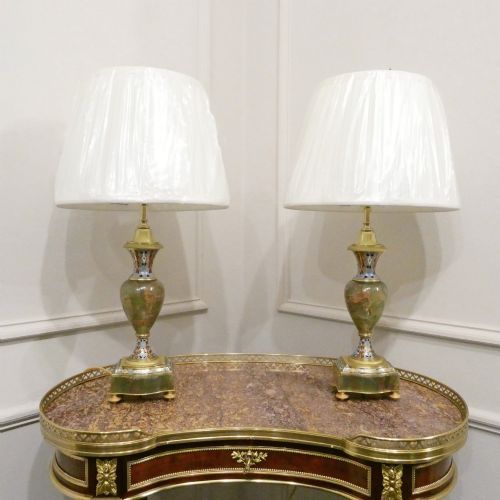
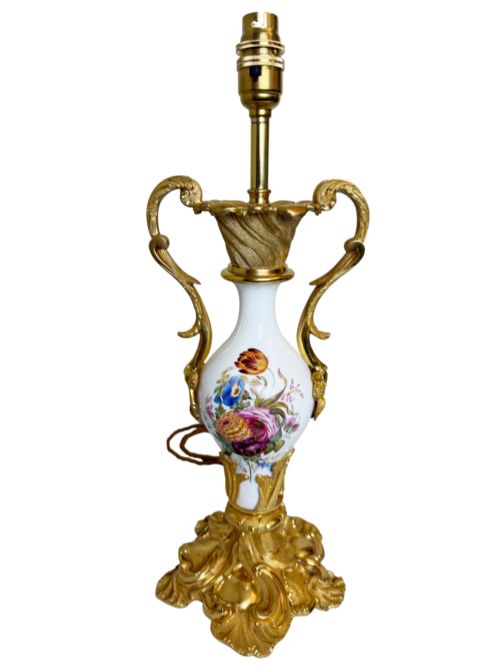
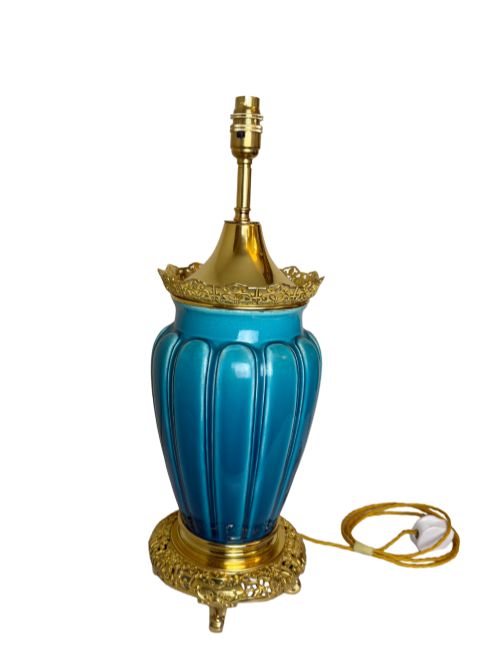
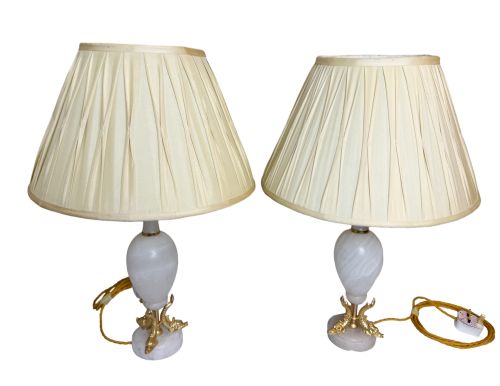
The objects take several forms, including adjustable piano lamps, console lights, and weighted table bases. Many pieces incorporate patinated or gilt bronze alongside secondary elements like marble, porcelain, and glass cabochons, reflecting the diverse material combinations utilised by period makers.
How they were made
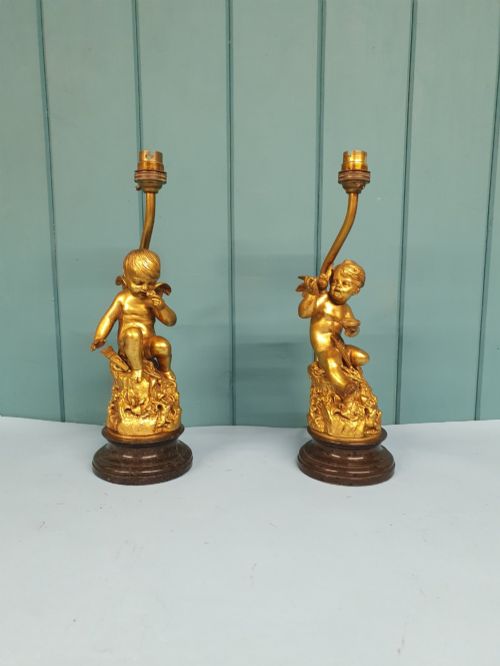
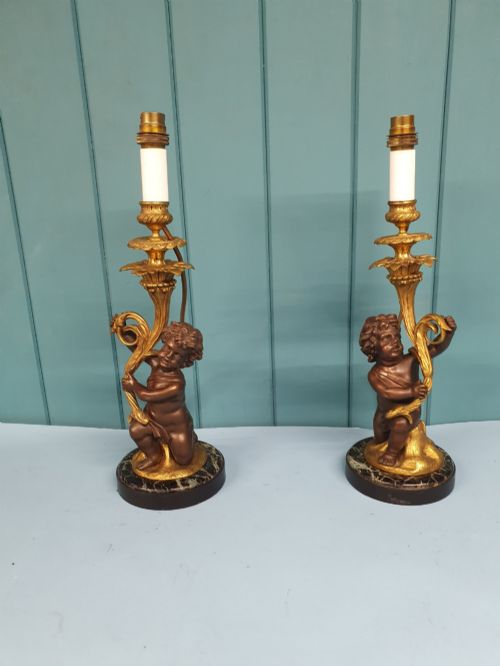
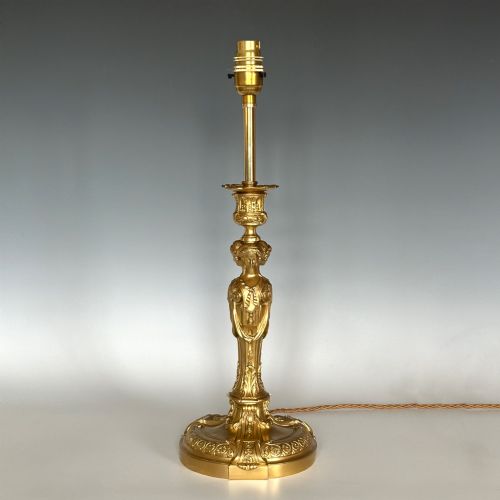
The construction of these lamps relies heavily on traditional foundry methods, employing cast bronze and brass that is subsequently chased, patinated, or gilded with ormolu. Artisans combined metalwork with carved stone elements such as white or rouge marble and onyx, creating weighted bases that support the structure.
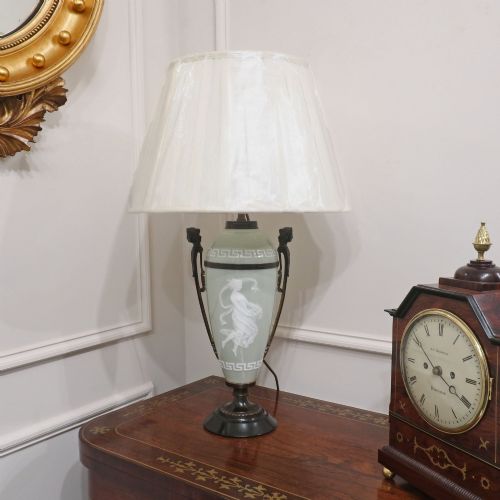
Surface ornamentation often integrates specialised decorative techniques, including champleve enamel, pate sur pate porcelain, and glass inserts. Metal components are assembled with threaded fittings, while electrified or converted mounts accommodate bulbs within original or replacement fabric shades.
French Bronze Desk Lamp Retail Price Guide 2026
Typical asking prices for french bronze desk lamp among the pieces listed under this phrase on Sellingantiques today, from the lower quarter to the upper quarter. They describe what is for sale here now, not the wider market.
Listings feature items spanning the Victorian era through the Art Deco period, incorporating materials like gilt bronze, marble, fabric, and porcelain.
What varies in quality
The choice of secondary materials further differentiates the tier of an object, with dense solid marbles, genuine gilt ormolu rather than plain paint, and signed components representing superior workshop production.
L & F Moreau·Georges Leleu·Emile Picault
The French Bronze Desk Lamp Glossary
- Ormolu
- A type of gilt metal application where finely ground high-carat gold is amalgamated with mercury and applied to bronze. This historical technique creates a durable, warm metallic lustre found on nineteenth-century mounts.
- Patinated bronze
- Metal that has been treated with chemical solutions to produce a controlled surface colour or dark brown finish. It protects the bronze while highlighting sculptural details.
- Champleve
- An enamelling technique where troughs or cells are hollowed out of the metal surface and filled with vitreous paste before firing. The resulting design sits flush with the surrounding bronze framework.
- Pate sur pate
- A ceramic decorating method where successive layers of white porcelain slip are painted onto a contrasting background to build a low relief cameo effect. It frequently appears on porcelain bodies incorporated into lamp bases.
- Cassolette
- A decorative vase or urn fitted with a reversible lid that functions as a burner or a solid cover. In lighting applications, these forms are adapted to serve as the main body of the lamp.
French Bronze Desk Lamp: Frequently Asked Questions
How do I date a bronze lamp?
Dating relies on examining the casting methods, fixing screws, and stylistic markers inherent to the period. Nineteenth-century examples often display hand-filed components and heavy patinated bronze, while later twentieth-century pieces incorporate different wiring channels and manufacturing marks.
Comparing the decorative motifs against known artistic movements, such as Art Nouveau or Neoclassical revivals, provides a reliable timeframe for the manufacture of the lamp base.
Were these lamps originally electric?
Most antique desk lamps from the nineteenth century were originally configured for oil, kerosene, or gas before being converted to electricity later in their lifespan. Original burners are frequently adapted or replaced to house modern internal wiring and bulb sockets.
Evidence of conversion appears in threaded collars and hollowed stems designed initially to feed fuel rather than electrical cord through the bronze body.
How do I care for antique bronze?
Bronze requires minimal intervention to preserve its historical surface and patination. Dusting with a soft, dry cloth prevents particulate build-up, and metal polish should be avoided on patinated surfaces to prevent stripping the finish.
If the lamp includes marble or glass sections, clean those specific areas with a damp cloth while ensuring moisture does not contact exposed wiring or antique metal joints.
What is the difference between bronze and spelter?
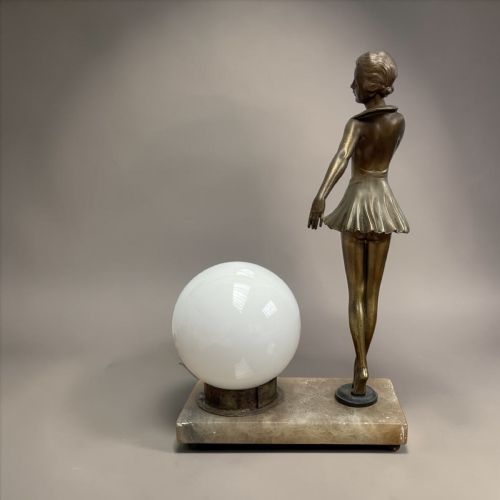
Bronze is an alloy of copper and tin that offers high tensile strength and accepts detailed chasing, making it ideal for durable, finely sculpted lamp bases. Spelter is a cheaper zinc-based white metal alloy that feels lighter and softer, often used as a substitute in novelty or mass-produced mood lamps.
Examining the underside or weight of the base usually reveals which metal was utilised by the foundry.