
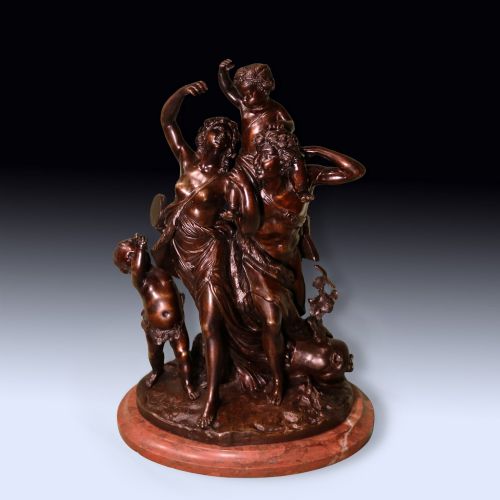
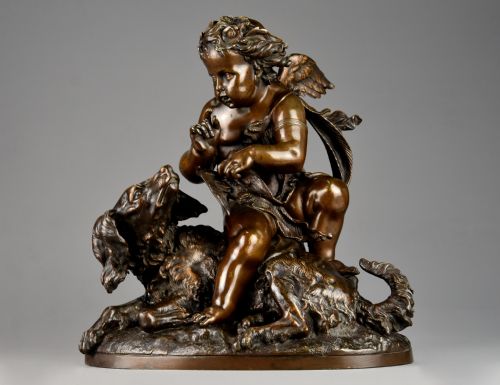

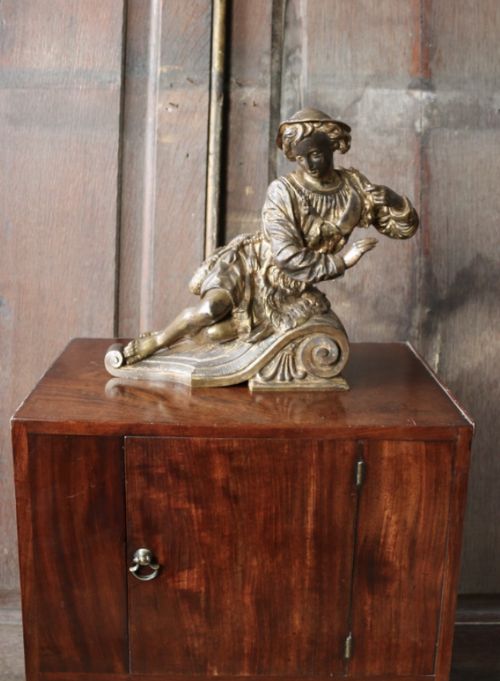


Classical Bronze Figural Statue
When you search for a classical bronze figural statue, you enter a world of foundry-cast figures drawn from mythology and allegory.
Classical Bronze Figural Statue
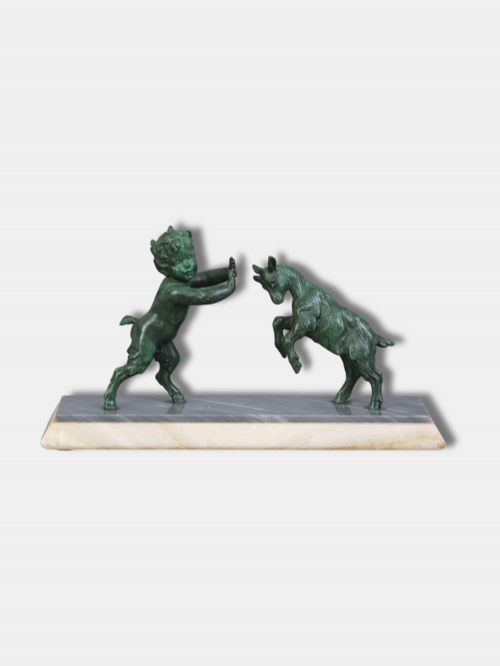
A classical bronze figural statue represents human figures, putti, mythological subjects, and allegorical scenes derived from classical antiquity. You will frequently encounter nineteenth-century French interpretations, including works cast after earlier masters such as Clodion and Giambologna.
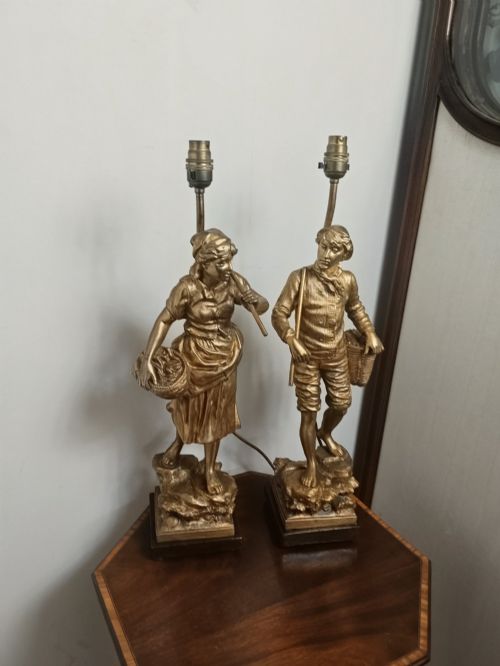
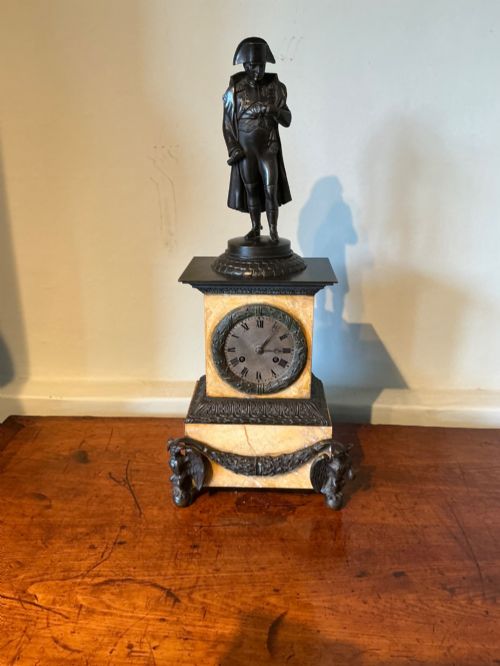
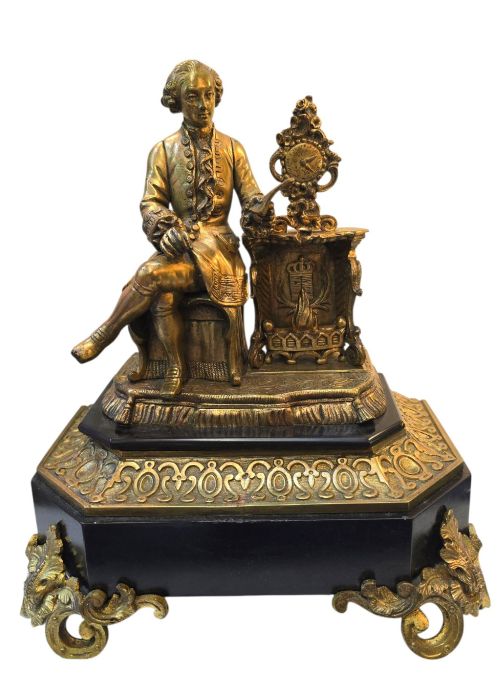
The selections span standalone sculptures, mantel clocks, and figural lamps incorporating torchers or oil burners. These pieces range from cabinet-sized studies to large floor-standing groups produced during the Victorian and Edwardian eras.
Origin and period heavily influence what you meet on this page, with French foundries dominating the nineteenth-century production. Subjects extend from nymphs and fauns to historical and allegorical personifications cast in patinated or gilt metal.
Materials and Technique
Foundries utilised traditional casting methods, predominantly the lost-wax technique or sand casting, to achieve intricate detail in bronze. The resulting metal forms were then finished with chemical patination, cold painting, or mercury gilding.
Marble frequently served as a heavy base or integral component for mounting statues and clock sets, providing a stable plinth for the metalwork. Glass and ormolu also appear as secondary materials in lamps and clock mounts.
Listings feature works spanning the eighteenth, nineteenth, and early twentieth centuries, executed in bronze, marble, and ormolu.
Assessing Quality
The depth and consistency of the patination or the richness of the mercury gilding determine the visual presence of the sculpture. Furthermore, the reputation of the foundry and the clarity of the sculptor's signature elevate the standing of the work.
Emile Carlier·Clodion·Carrier-Belleuse·Antonio Merente·Giambologna·Justo de Gandarias·Hector Lemaire·F. De Luca·Emile Picault·Humphrey Hopper·Ernst Barrias·Jean-Jules Cambos·H. Moreau·Antoine Bofill·Carl Kauba·Auguste Moreau
The Classical Bronze Figural Statue Glossary
- Patinated bronze
- Bronze treated with chemical solutions to produce a coloured surface layer, ranging from deep brown to greenish hues. This treatment protects the metal and defines the sculptural contours.
- Ormolu
- Gilt bronze produced by applying a mixture of gold and mercury to a bronze object and heating it to drive off the mercury. The technique yields a durable, brilliant golden finish.
- Lost-wax casting
- A method where a wax model is encased in a mould, melted out, and replaced with molten bronze. This allows for exceptional detail and undercut forms.
- Chasing
- The manual process of refining a raw metal casting using small punches and hammers. Artisans use this technique to texture surfaces and clear out foundry flash.
- Torchere
- A tall stand or ornamental floor lamp designed to hold lights. In classical metalwork, these often take the form of a classical figure bearing a light source.
Classical Bronze Figural Statue: Frequently Asked Questions
How do I identify a cast after an earlier sculptor?
Many nineteenth-century foundries reproduced popular eighteenth-century models, marking them with phrases like 'after' an artist. These posthumous casts reflect the enduring demand for classical subjects rather than original lifetime editions.
Examine the quality of the chasing and the type of foundry mark to understand when the reproduction was made.
How were figural lamps adapted from statues?
Foundries often repurposed sculptural figures by incorporating electrical or oil-burning fittings into the design, sometimes having the figure hold a torch or cornucopia. These functional pieces combined decorative art with domestic lighting.
Wiring and hardware can often help date the functional additions relative to the bronze casting.
Where should I place a bronze figure in my home?
Bronze figures require stable surfaces away from excessive moisture and direct heat sources to protect their patination. Mantelpieces, side tables, and sturdy pedestals offer appropriate support for their weight.
Consider eye-level placement to best appreciate the chasing and sculptural details of the work.